23 Dining Room Design Ideas You Will Actually Want to Try
Let’s be honest. Most dining rooms are an afterthought. You squeeze in a table, throw some chairs around it, and call it a day. But your dining room deserves better than that. It is the place where you share meals, host friends, celebrate birthdays, and have those long conversations that stretch well past dessert. So why not make it a space you actually love?
I have spent way too much time obsessing over dining room design, and I am happy to report that it does not have to cost a fortune or require a designer. Sometimes the smallest changes make the biggest difference. Let me walk you through 23 ideas that genuinely work.
1. Start With a Statement Dining Table
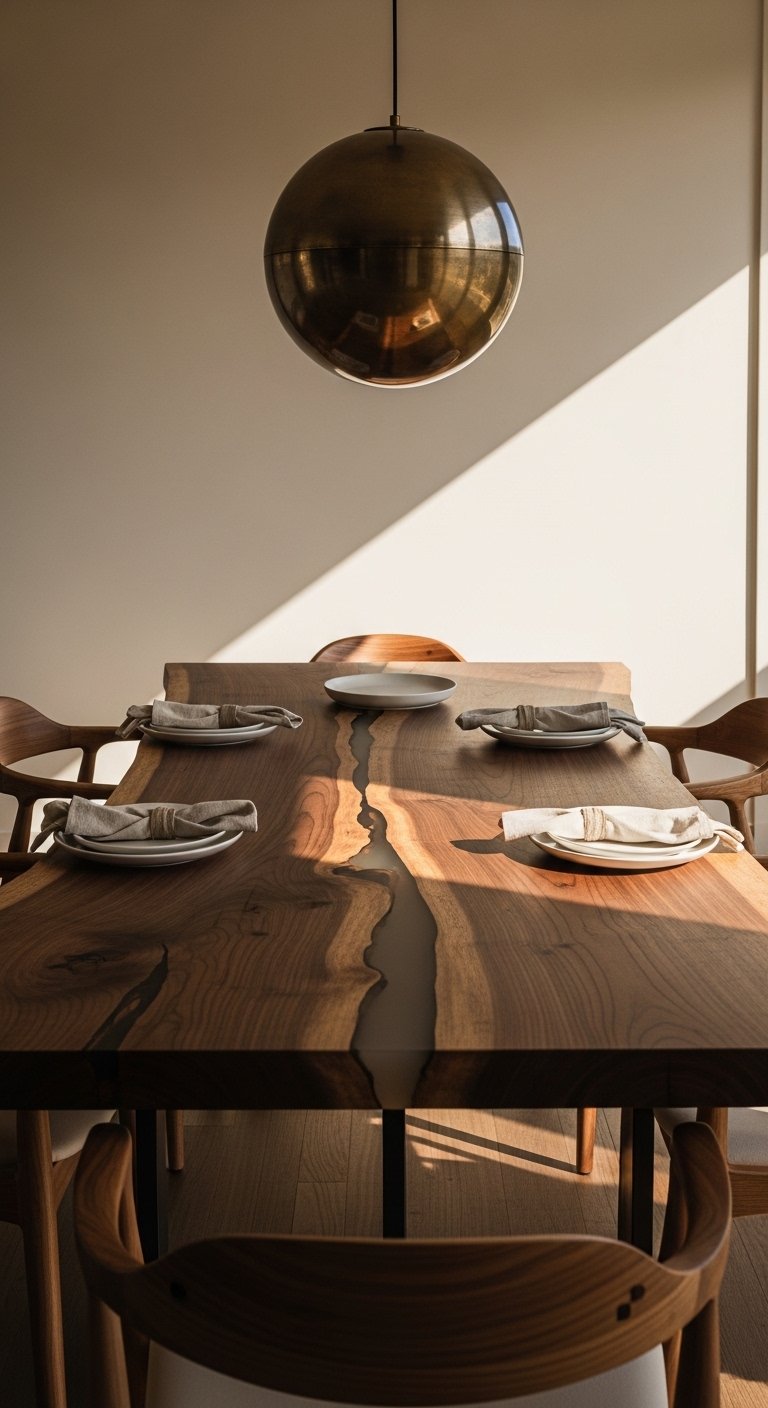
Your dining table is the anchor of the entire room. Everything else revolves around it, quite literally. So pick one that speaks to your personality.
Round tables work beautifully in smaller rooms because they encourage conversation and eliminate those awkward corner seats. Rectangular tables suit longer rooms and larger families. And if you love that earthy, organic feel, a live-edge wood table is absolutely stunning.
Do not just default to whatever is on sale. Choose a table you will still love in ten years.
2. Mix Your Chair Styles
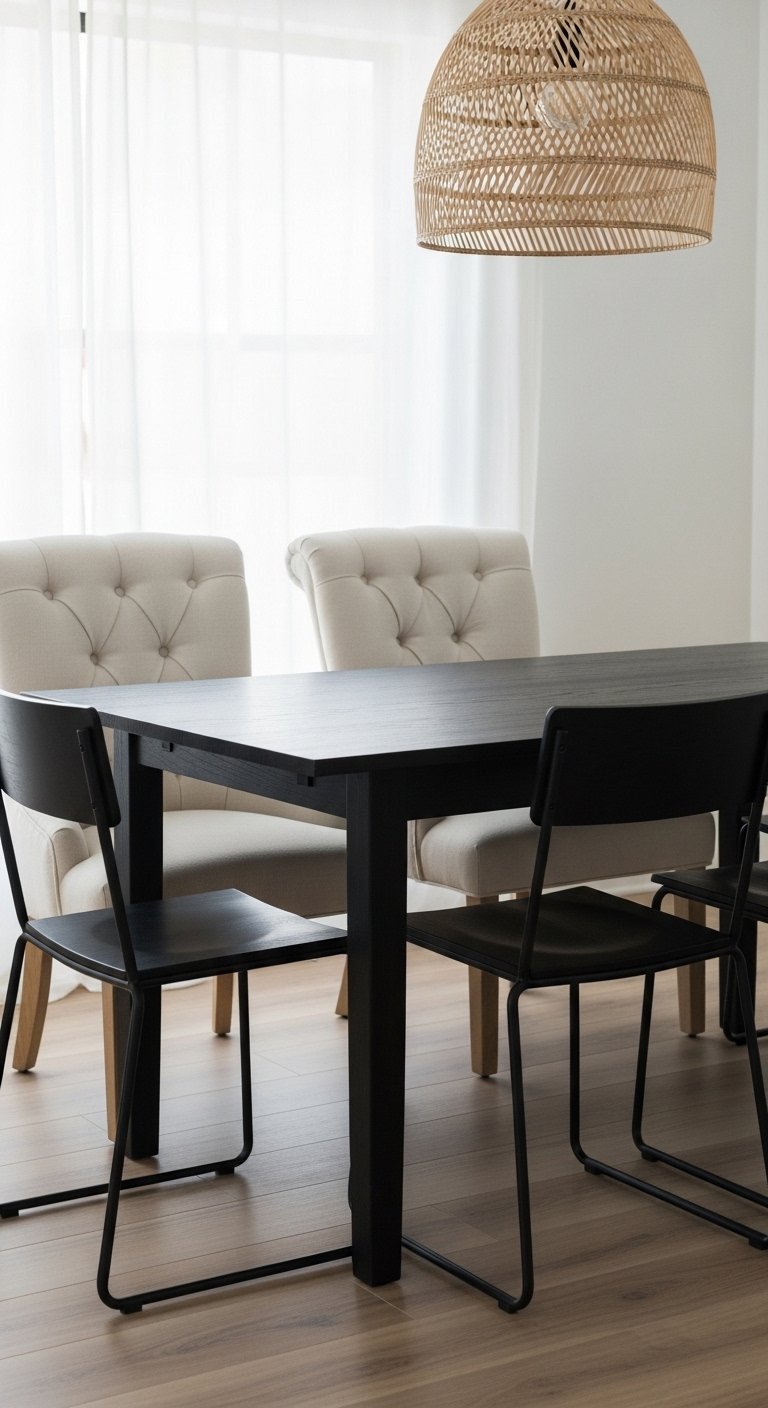
Here is a design secret that interior designers use all the time. You do not have to buy a matching dining set. Mixing chair styles actually makes a room look more curated and intentional.
Try pairing upholstered chairs at the heads of the table with simpler wooden or metal chairs along the sides. The contrast adds visual interest without making things look chaotic. It also gives you the flexibility to add chairs over time as your needs change.
3. Add an Upholstered Bench
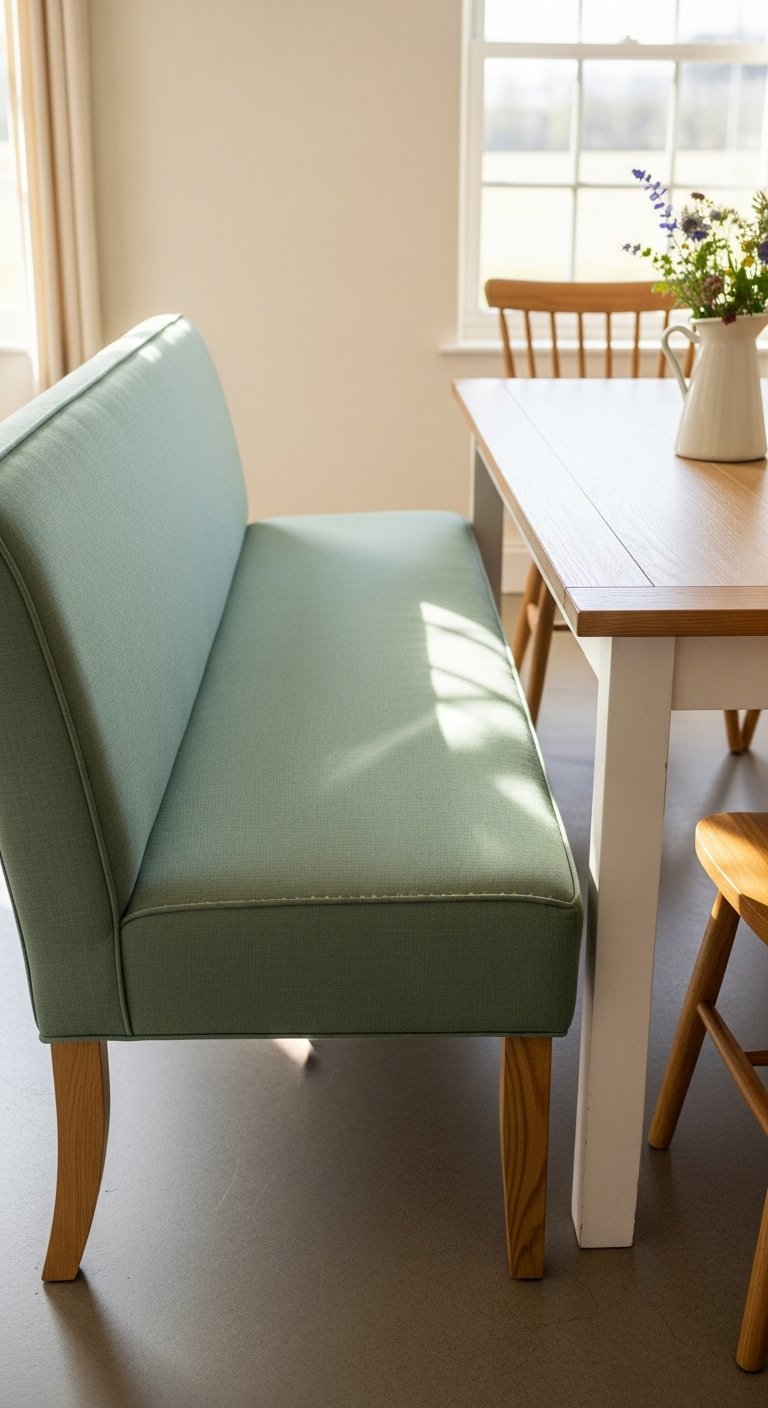
If you have kids, or you just love the relaxed, informal feel of a farmhouse kitchen, adding a bench on one side of the table is a brilliant move. It seats more people, it looks great, and honestly, kids love it.
A cushioned bench adds softness to what can sometimes be a hard, boxy room. Pair it with two or three matching chairs on the opposite side for a balanced look that feels intentional.
4. Go Bold With Paint
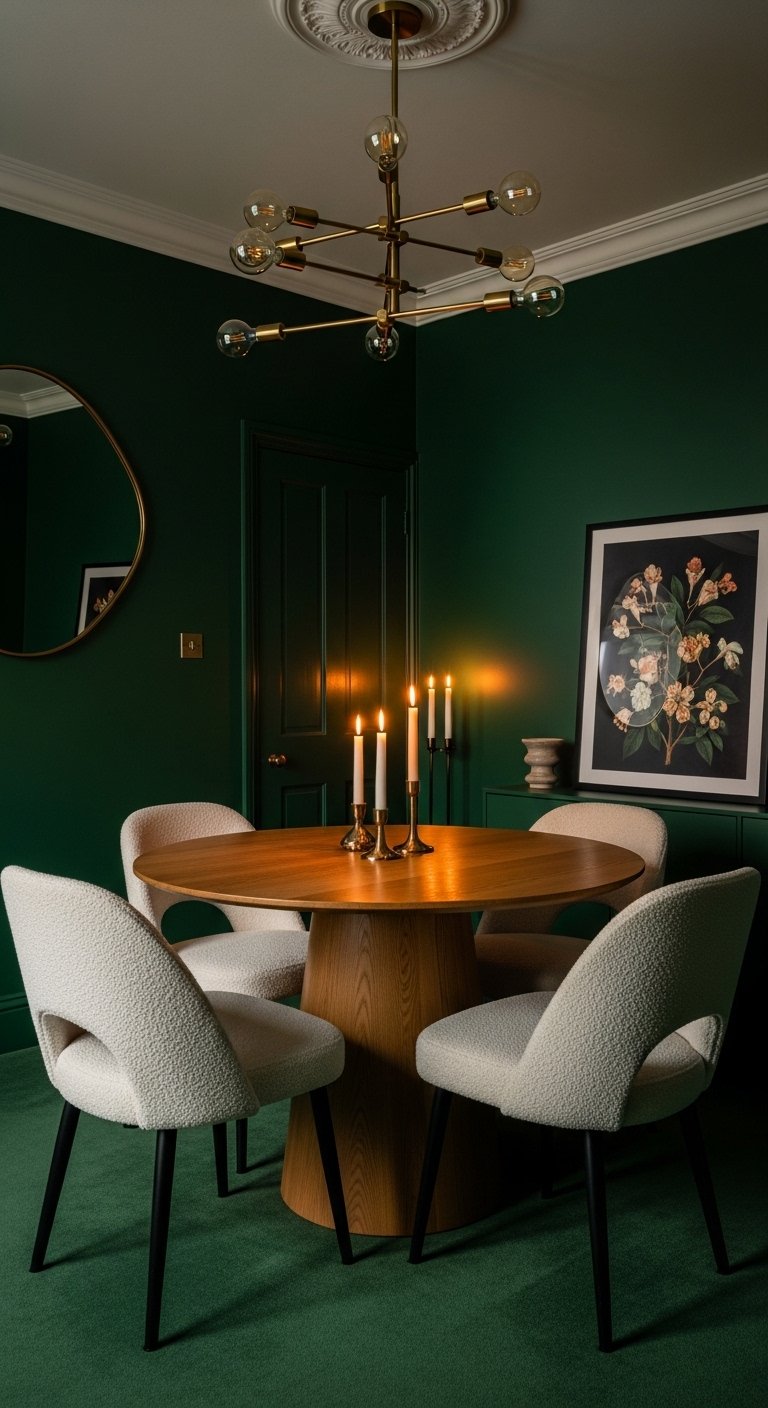
The dining room is actually one of the best places in your home to experiment with bold color. You spend focused time in it, rather than wandering through it like a hallway, so a dramatic color feels immersive rather than overwhelming.
Deep navy, forest green, terracotta, or even a moody charcoal can completely transform a plain dining room into something that feels warm and considered. Dark walls make light fixtures pop, they make art stand out, and they create that cozy, intimate feeling that makes guests want to linger.
5. Layer Your Lighting
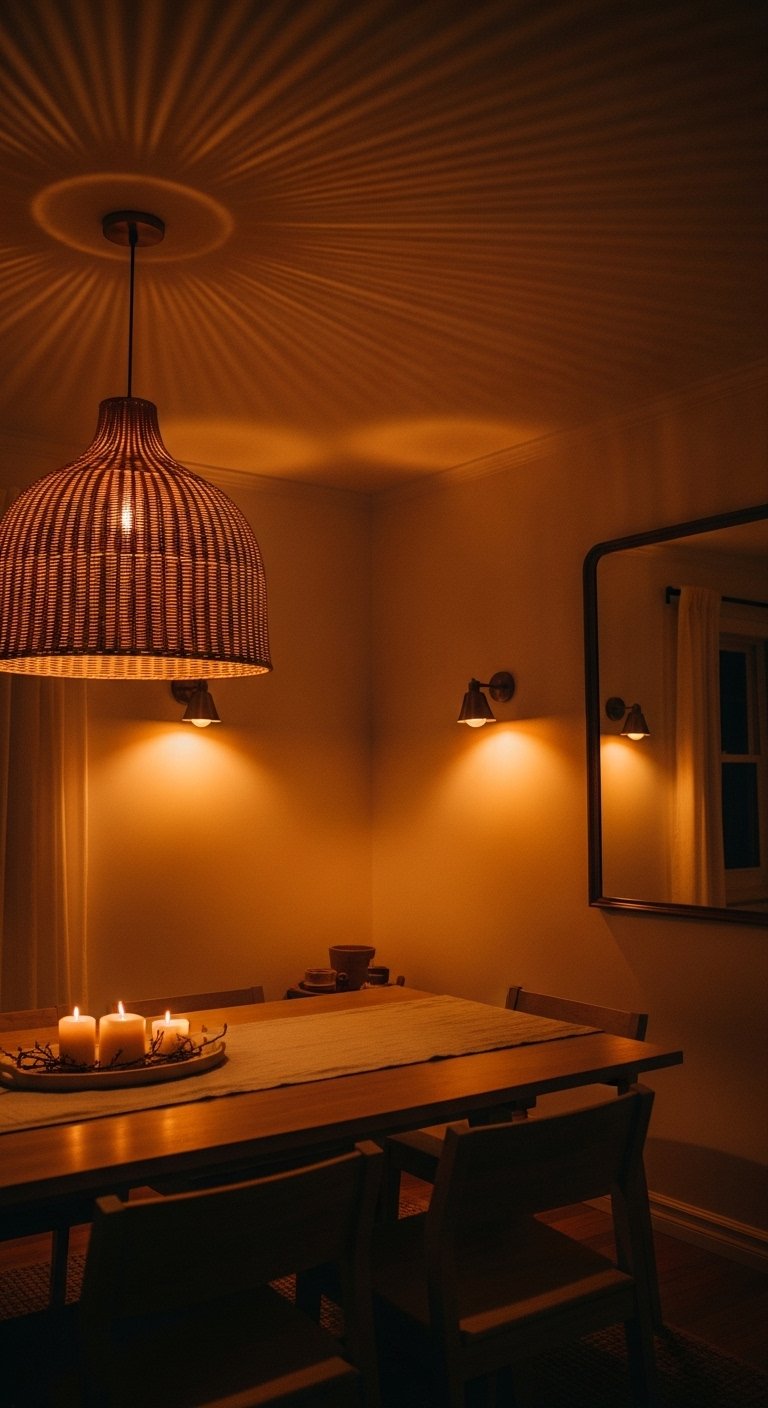
This is probably the single most underrated dining room upgrade you can make. Most people put in a single overhead light and stop there. That is a mistake.
Layered lighting means combining:
- A statement pendant or chandelier over the table
- Wall sconces for ambient warmth
- A dimmer switch, which is non-negotiable
A good dimmer switch costs almost nothing and completely changes the mood of the room. Bright for family dinners, soft and warm for dinner parties. Simple.
6. Choose the Right Chandelier Height
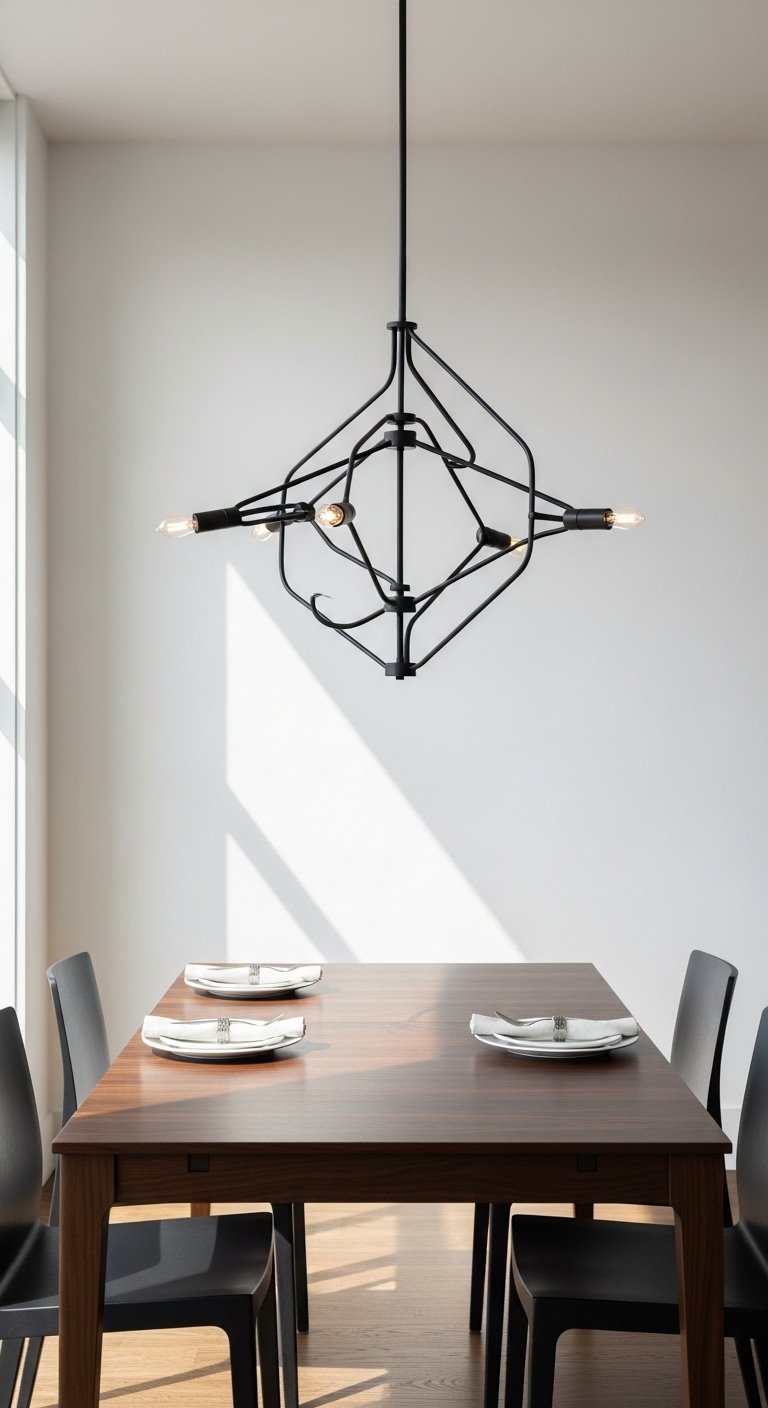
If you already have a chandelier, this matters more than you think. Hanging it at the wrong height is one of the most common dining room mistakes I see.
The general rule is to hang your chandelier 30 to 36 inches above the tabletop. Too high and it loses its impact. Too low and your tallest guest will be ducking to make eye contact. Get a friend to help you adjust it before you commit to the height.
7. Use a Large Area Rug
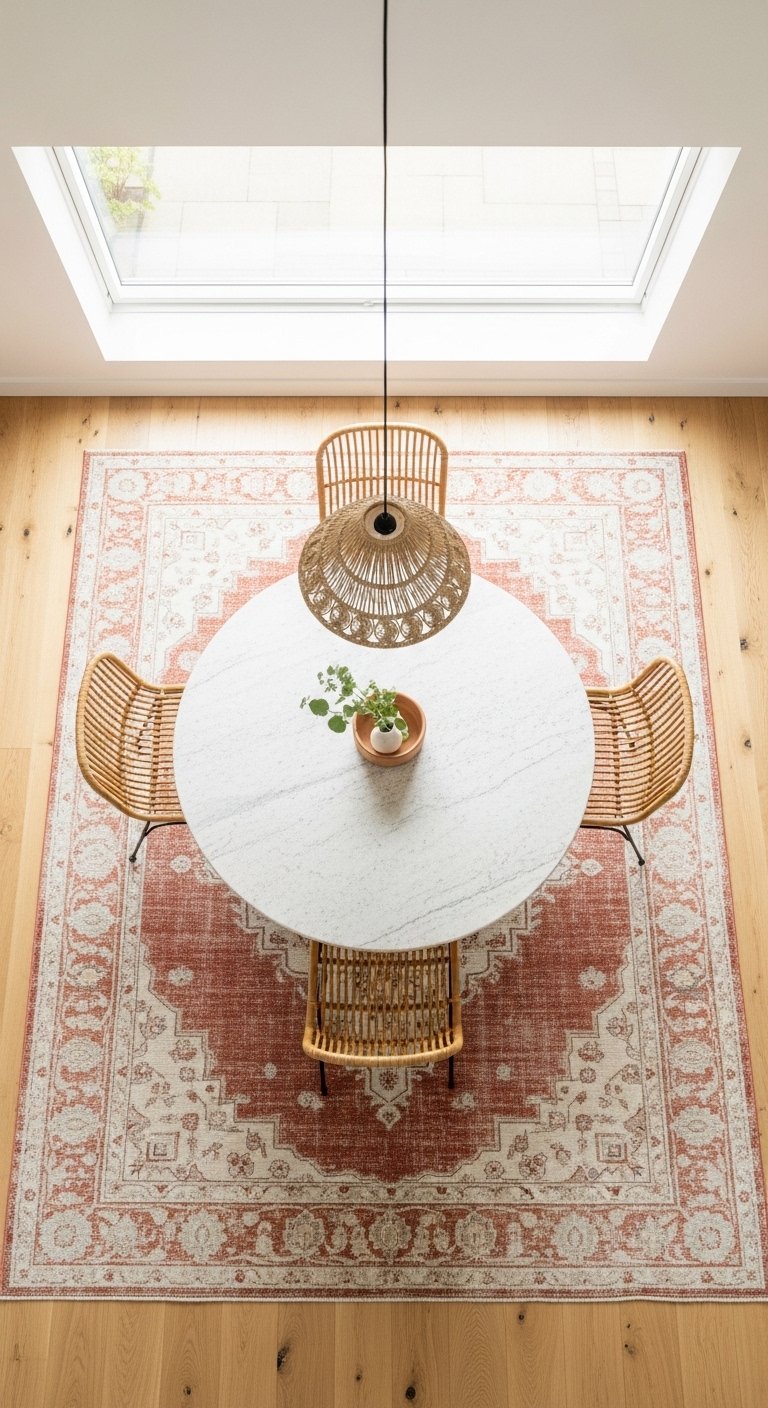
Putting a rug under your dining table is a move that transforms the whole room. It grounds the furniture, adds texture, and defines the dining area within a larger open-plan space.
The key is to go bigger than you think you need. Your chairs should remain on the rug even when pulled out. A rug that is too small looks awkward and makes the room feel cramped. Aim for at least 8×10 feet for a standard dining setup.
8. Bring in a Sideboard or Buffet
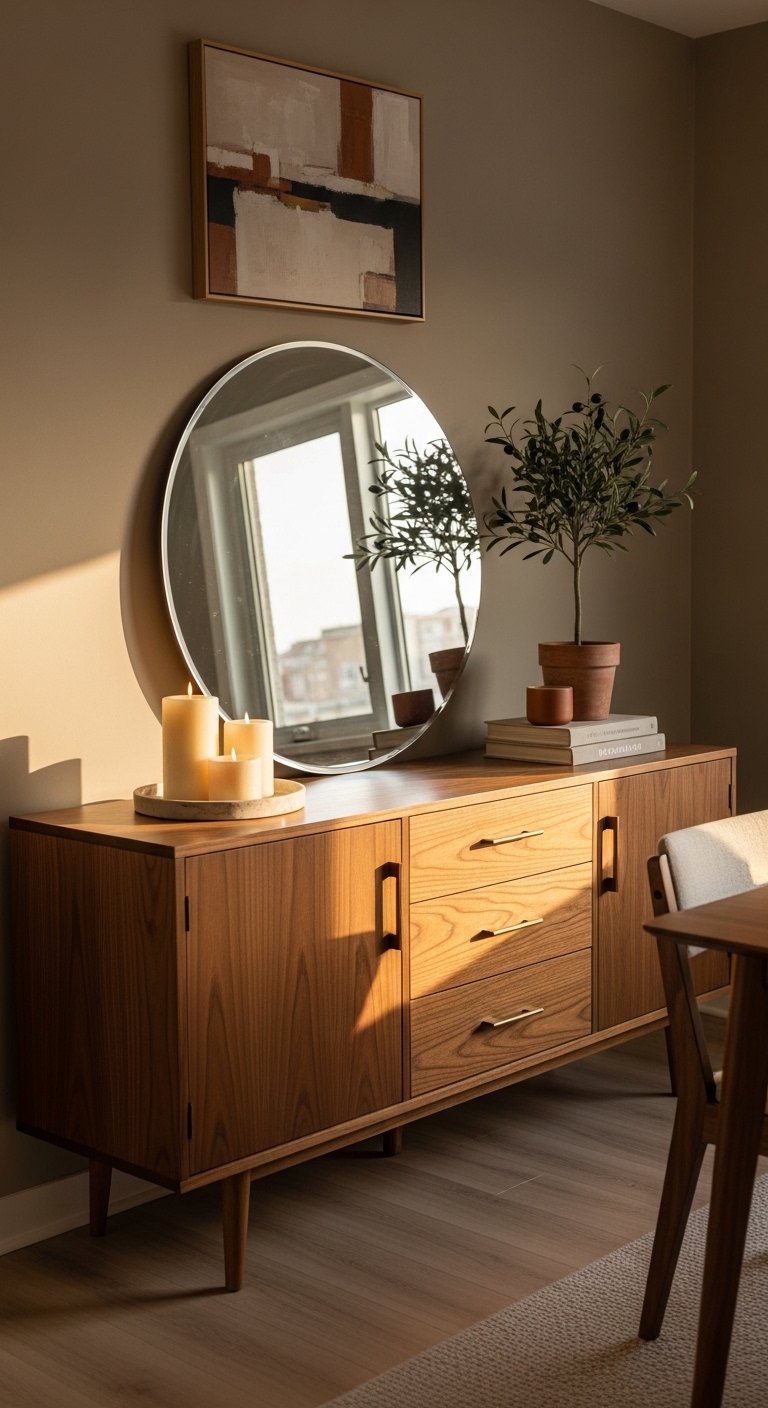
A sideboard is one of those pieces that earns its place immediately. It gives you storage for linens, candles, and serving dishes. It gives you surface space for drinks during a party. And it gives the room a more finished, furnished feel.
Style the top of your sideboard with a mirror, some artwork, a plant, or a lamp. Think of it as a mini vignette that ties the whole room together.
9. Hang Art at Eye Level
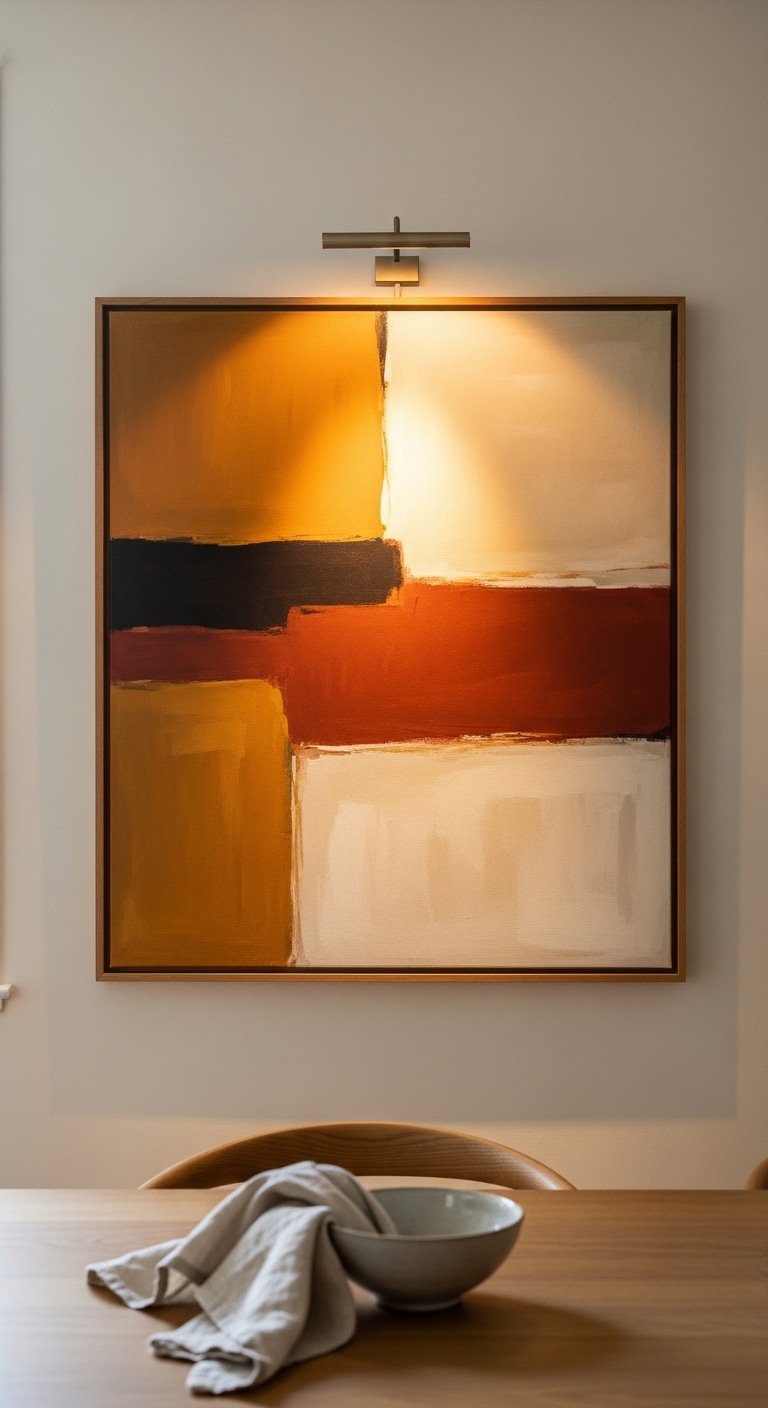
The dining room is often neglected when it comes to art. People hang something above the sideboard and stop there. But a dining room with thoughtful, well-placed art feels completely different to one that does not have any.
Hang art so that the center of the piece sits at eye level, which is roughly 57 to 60 inches from the floor. In a dining room where most of your time is spent seated, you can actually go slightly lower and it will feel perfectly natural.
10. Add a Mirror to Make the Room Feel Larger
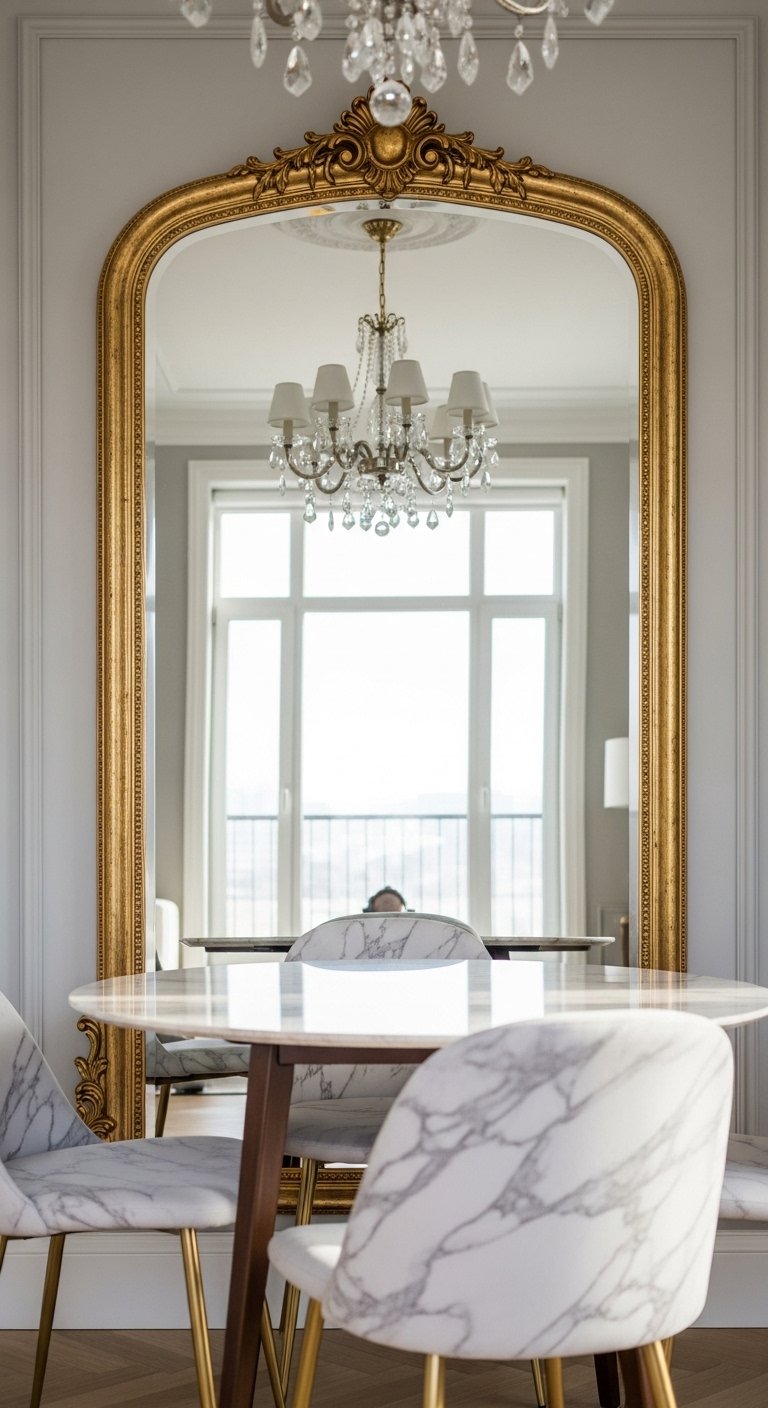
If your dining room is on the smaller side, a large mirror is your best friend. It reflects light, creates the illusion of depth, and makes the whole space feel more open and airy.
A full-length leaning mirror, an oversized ornate frame, or even a gallery of smaller mirrors all work brilliantly. Position it across from a window if you can, to bounce natural light around the room.
11. Invest in Good Window Treatments
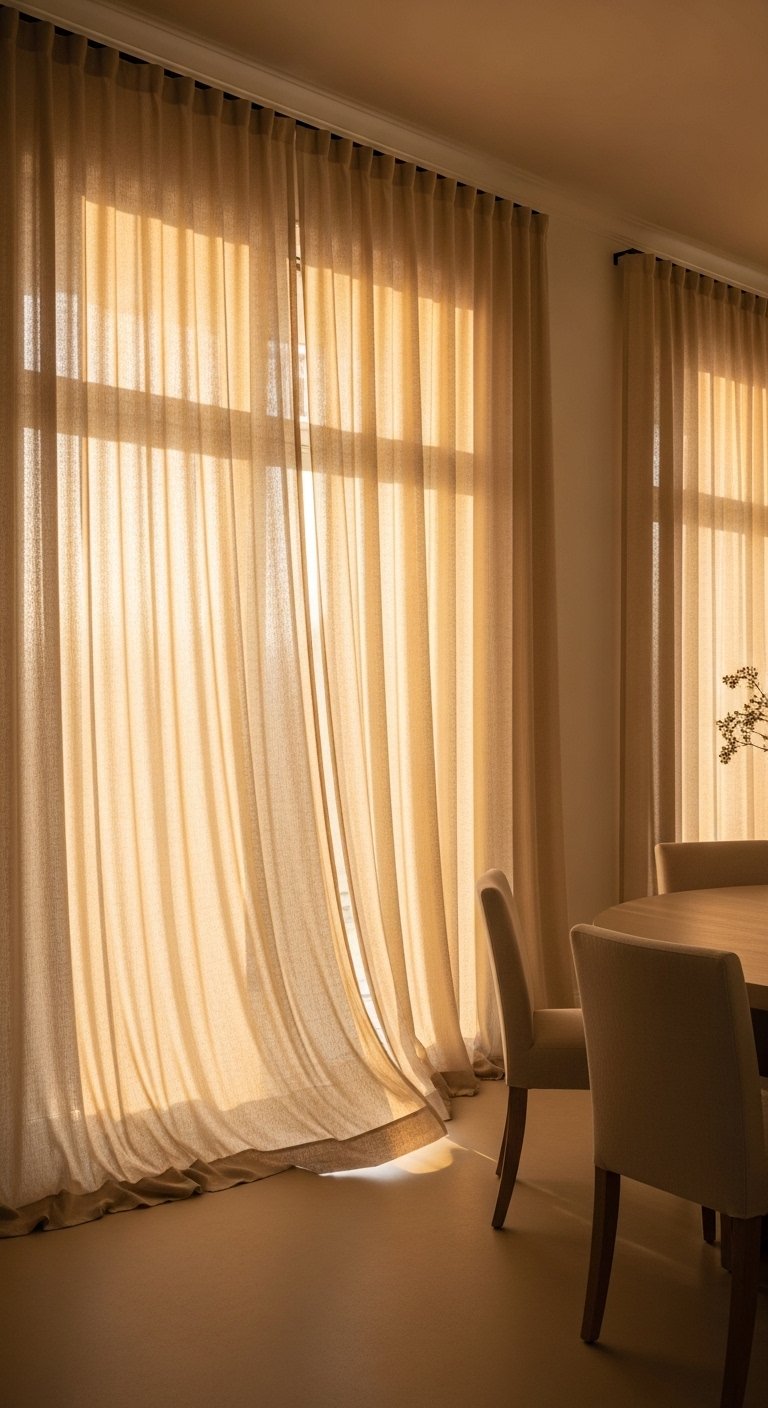
Bare windows in the dining room look unfinished. The right curtains or drapes can add warmth, height, and a sense of luxury to the space without a huge investment.
Hang curtains high and wide, meaning close to the ceiling and extending beyond the window frame on both sides. This makes your windows look larger and your ceilings taller. Linen, velvet, and cotton all work well depending on your overall style.
12. Incorporate Natural Materials
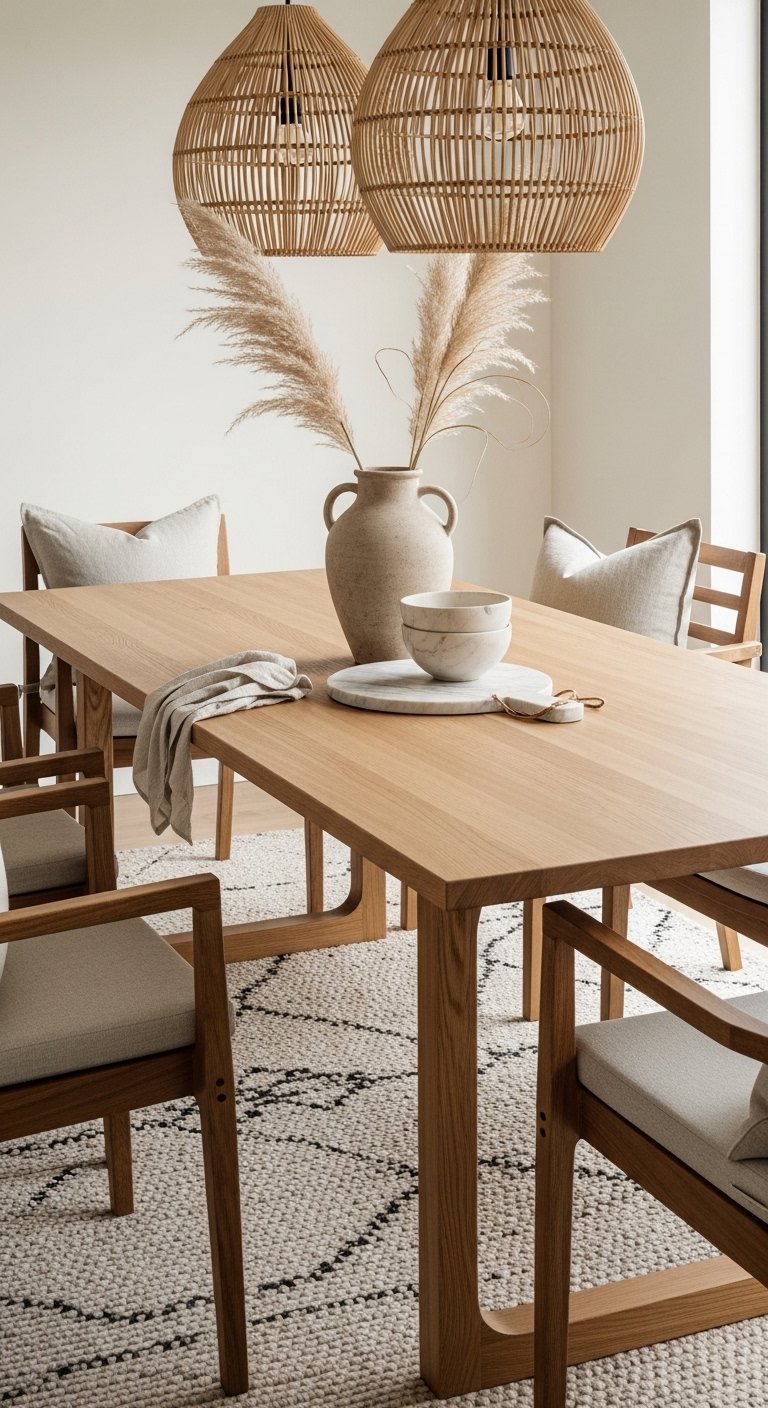
Wood, stone, rattan, linen, marble. Natural materials bring warmth and texture into a dining room in a way that synthetic finishes simply cannot match.
You do not need to go overboard. A marble-topped sideboard, some rattan pendant lights, or a set of linen napkins can be enough to bring that grounded, organic feeling into the space. Mix two or three natural materials rather than six, and the room will feel cohesive rather than chaotic.
13. Try Open Shelving on One Wall
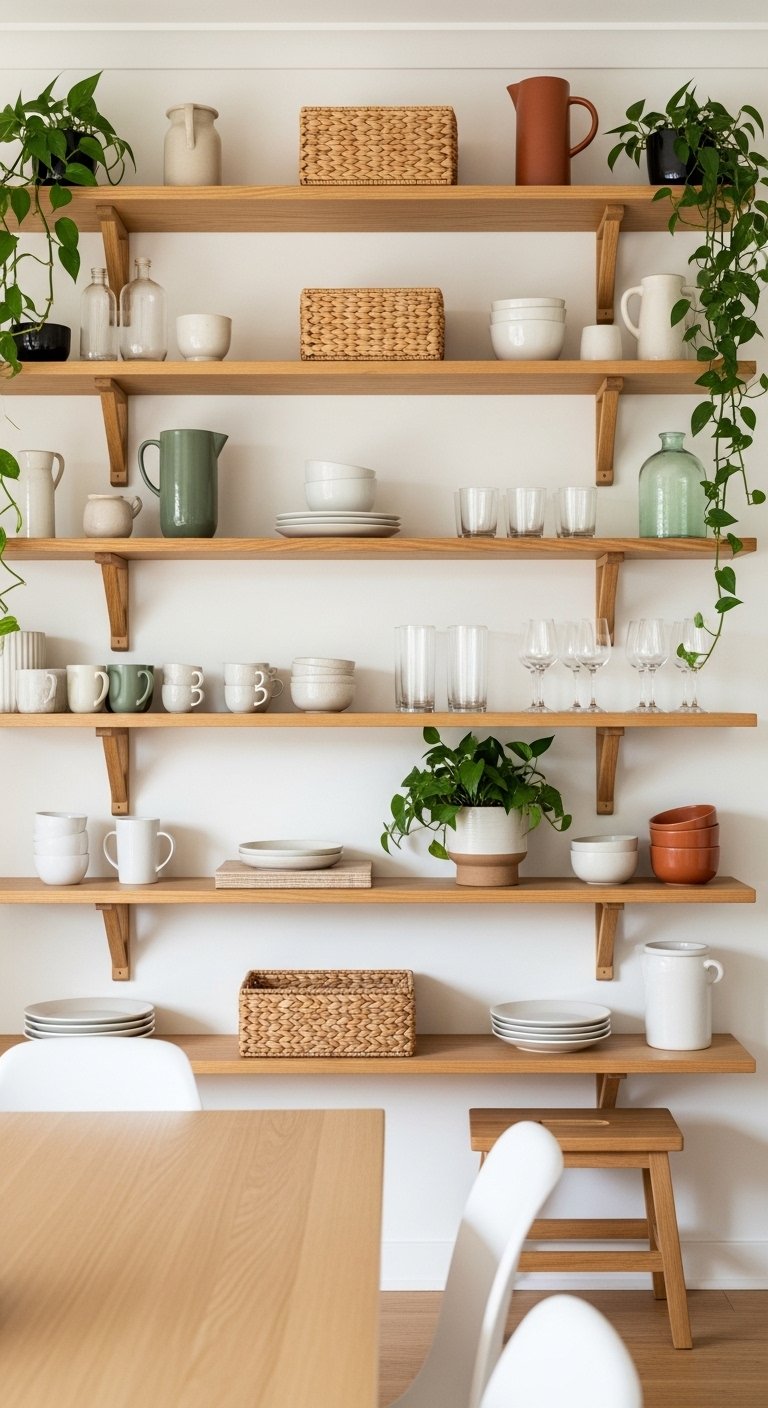
Open shelving in the dining room is a trend that genuinely earns its place. It gives you display space for your favorite ceramics, glassware, and decorative pieces, and it makes the room feel more personal and lived-in.
Keep the shelves curated rather than cluttered. Group items by color or material, leave some breathing room between pieces, and resist the urge to store everything you own up there. Less really is more here.
14. Add Indoor Plants
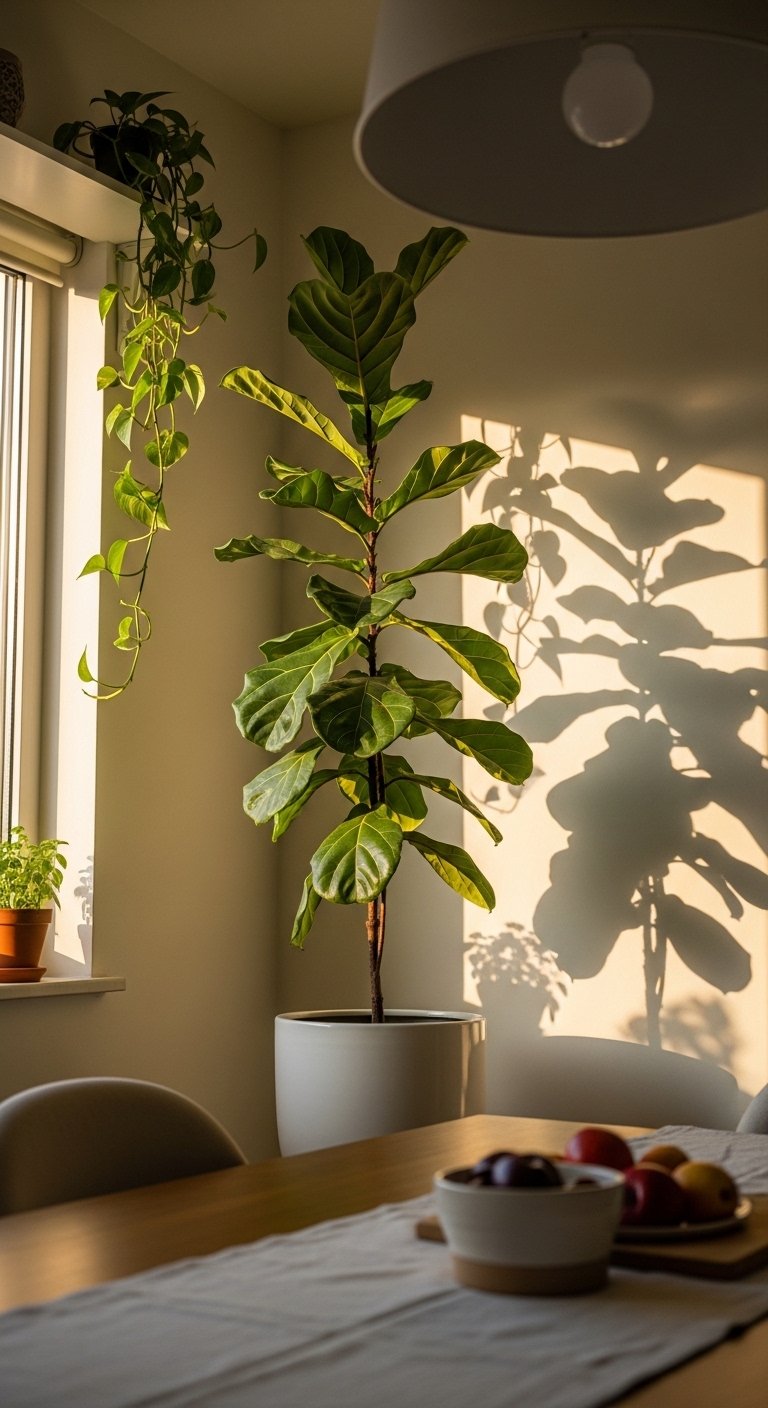
Plants make every room better. In the dining room, they add life, color, and a sense of freshness that no amount of decor can replicate.
A tall fiddle leaf fig in the corner, a trailing pothos on a shelf, or a small herb garden on the windowsill all work well in a dining space. If you are not great at keeping plants alive, FYI, there are some incredibly realistic faux options now that look genuinely convincing.
15. Use Candles Generously
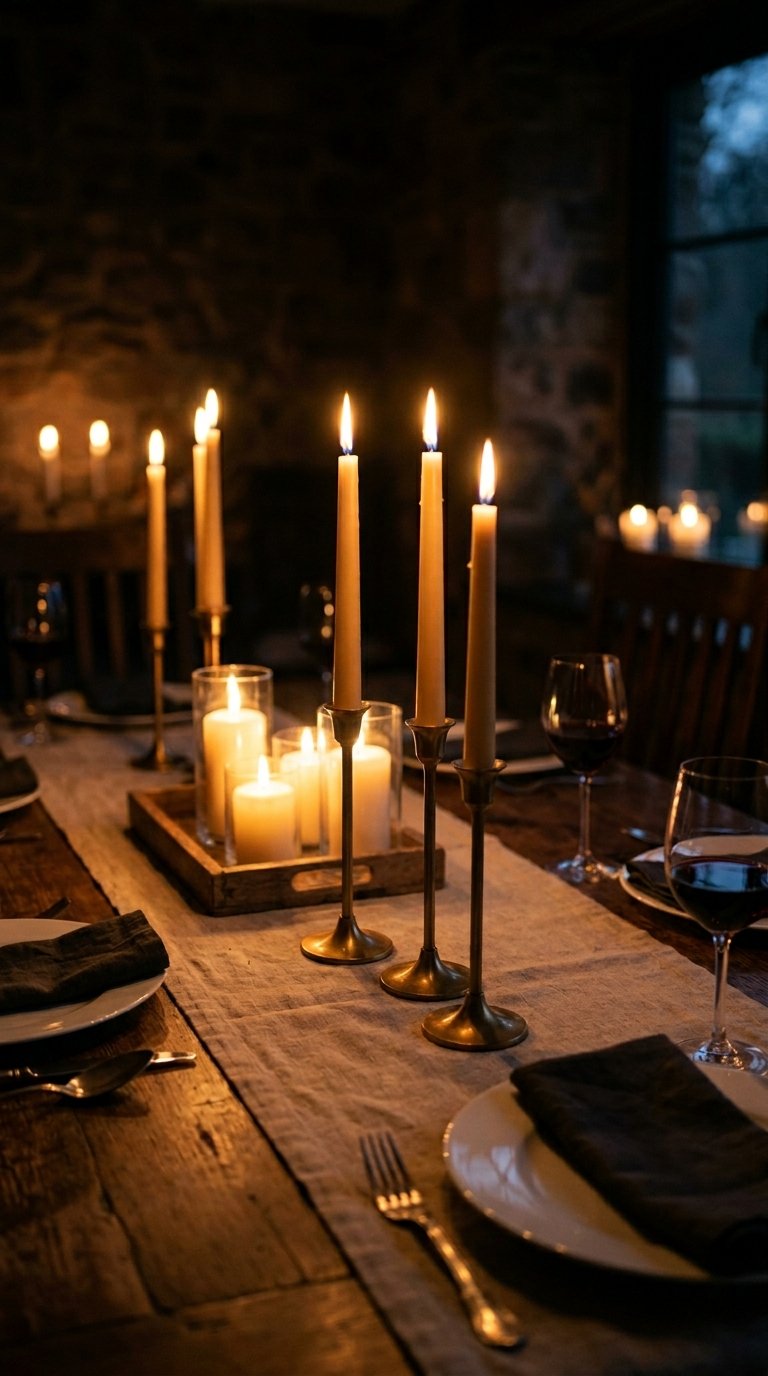
Nothing sets a dining room mood quite like candlelight. A cluster of pillar candles on the table, taper candles in simple holders along the sideboard, or a candelabra as a centerpiece all create that warm, intimate atmosphere that makes meals feel special.
Do not save the candles for special occasions. Light them on a Tuesday. It makes even a simple weeknight dinner feel a little more considered.
16. Create a Gallery Wall
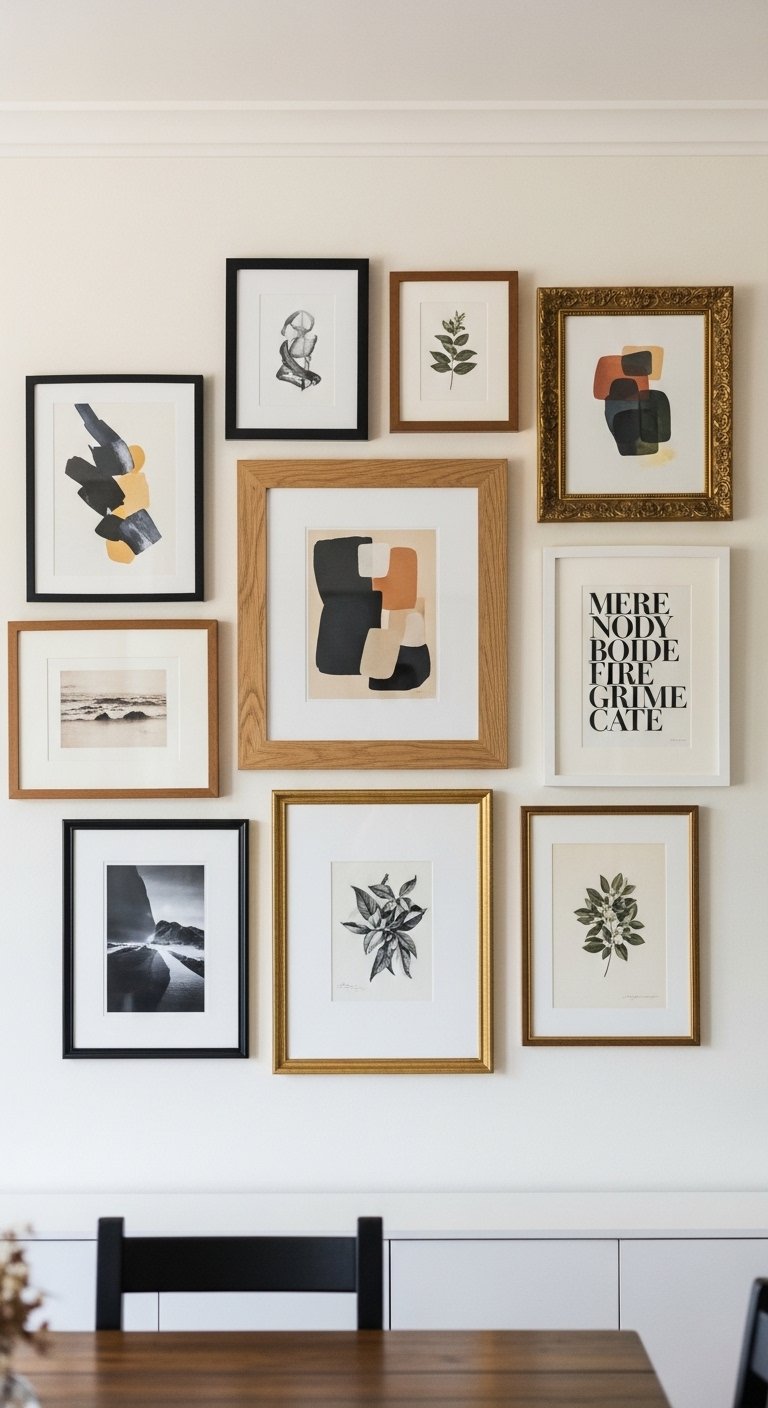
A gallery wall brings personality and character into a dining room. It is a great way to display art, photographs, travel prints, and anything else that reflects who you are.
Start with a central anchor piece and build outward. Mix frame sizes and styles for a more eclectic feel, or keep them uniform for something more tailored. Lay the arrangement out on the floor before you start hammering nails into the wall. Trust me on this one.
17. Pick a Focal Point and Commit to It
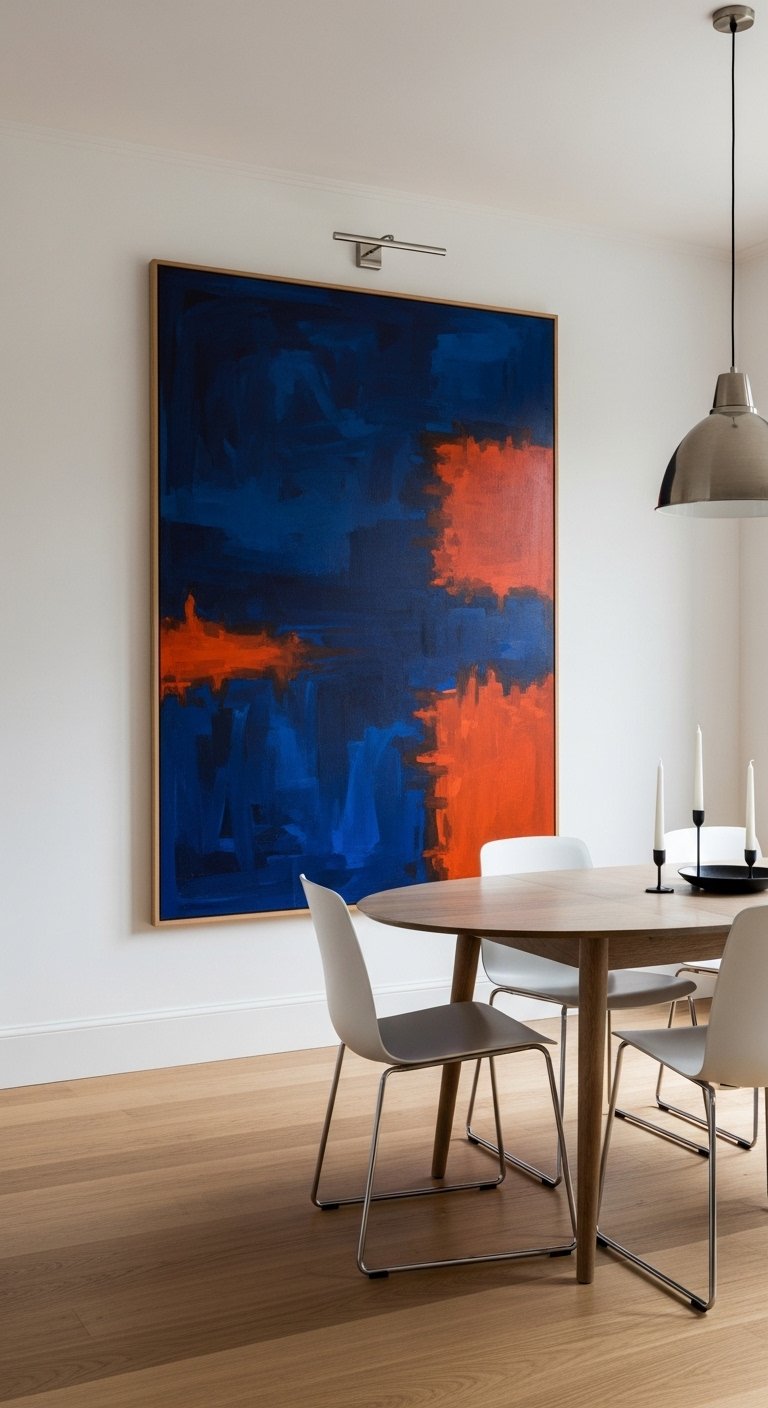
Every great dining room has a focal point. It might be a stunning chandelier, a bold piece of art, a dramatic feature wall, or an incredible view. Whatever it is, your design decisions should support and enhance it rather than compete with it.
If your chandelier is the star, keep everything else relatively simple. If you have a beautiful original fireplace, let it breathe. Restraint is a design skill, and it is one worth practicing.
18. Consider Built-In Storage
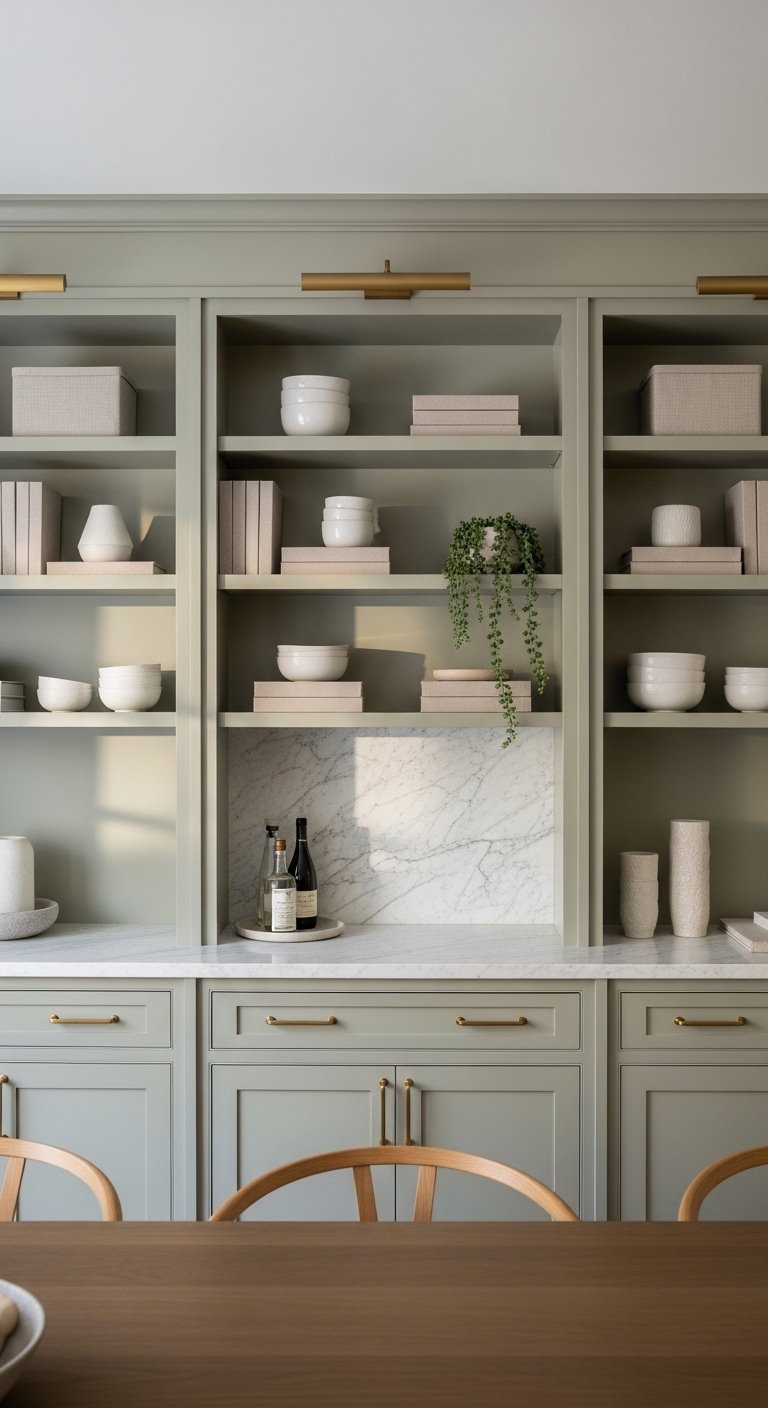
If you are renovating or building, built-in cabinetry in the dining room is an investment that pays off in both function and aesthetics. It gives you dedicated storage for your dining essentials and makes the room feel custom and considered.
Even if a full build-in is not realistic right now, a freestanding cabinet or hutch can achieve a similar effect. Style the open sections with ceramics and glassware and use the closed sections for the things you do not want on display.
19. Play With Ceiling Details
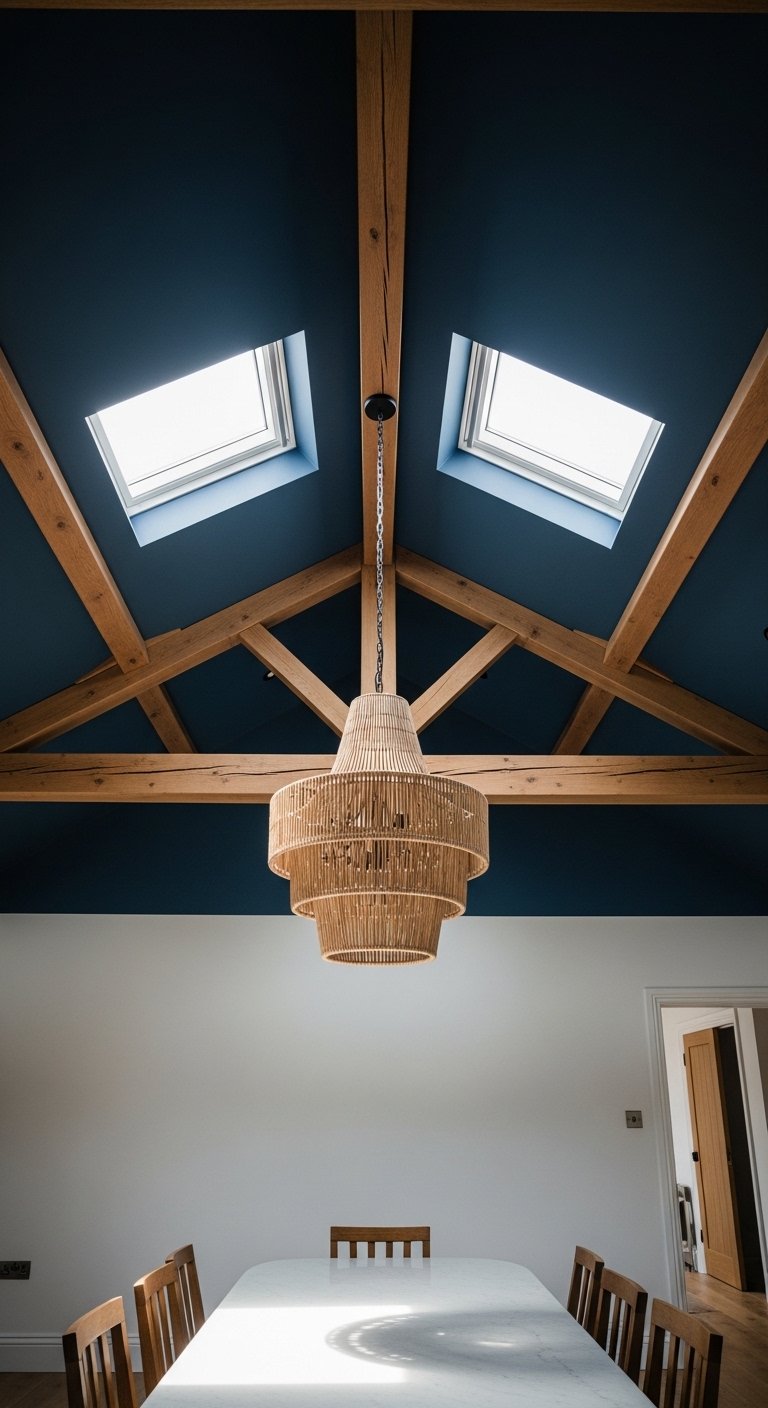
Most people forget to look up when they are designing a room. But the ceiling is an opportunity that far too many people miss.
A painted ceiling in a contrasting color, exposed wooden beams, or a simple wallpapered ceiling can add enormous character to a dining room. If you have a standard flat ceiling with nothing going on, even adding simple trim or a ceiling medallion around your light fixture can elevate the whole look.
20. Use Wallpaper as a Feature
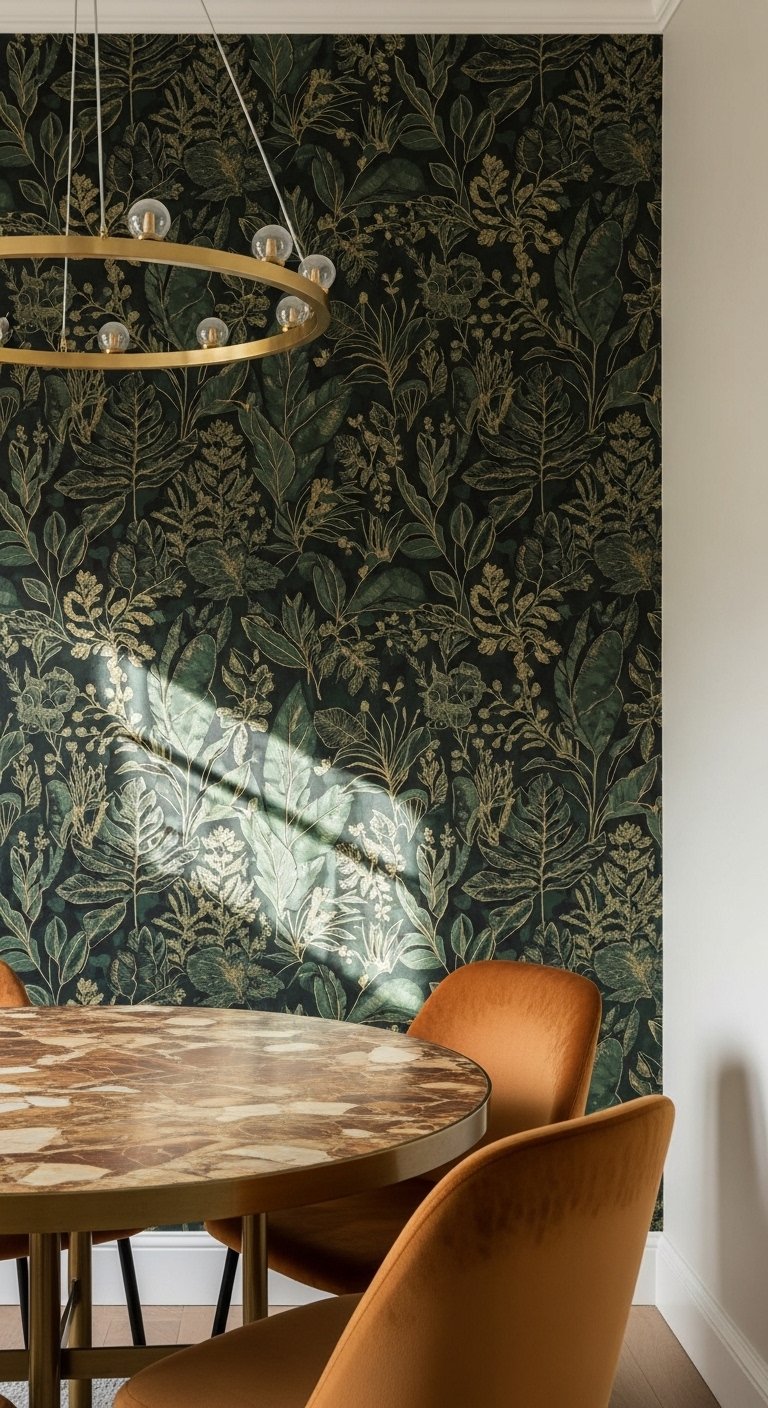
Wallpaper has made a serious comeback and dining rooms are genuinely one of the best places to use it. Because the room is relatively contained, you can go bold with a pattern or texture that you might find overwhelming elsewhere.
Botanical prints, geometric patterns, grasscloth textures, and maximalist florals all work brilliantly in a dining room context. Even a single feature wall covered in a striking wallpaper can completely transform the space without requiring you to commit to four walls.
21. Style Your Table When It Is Not In Use
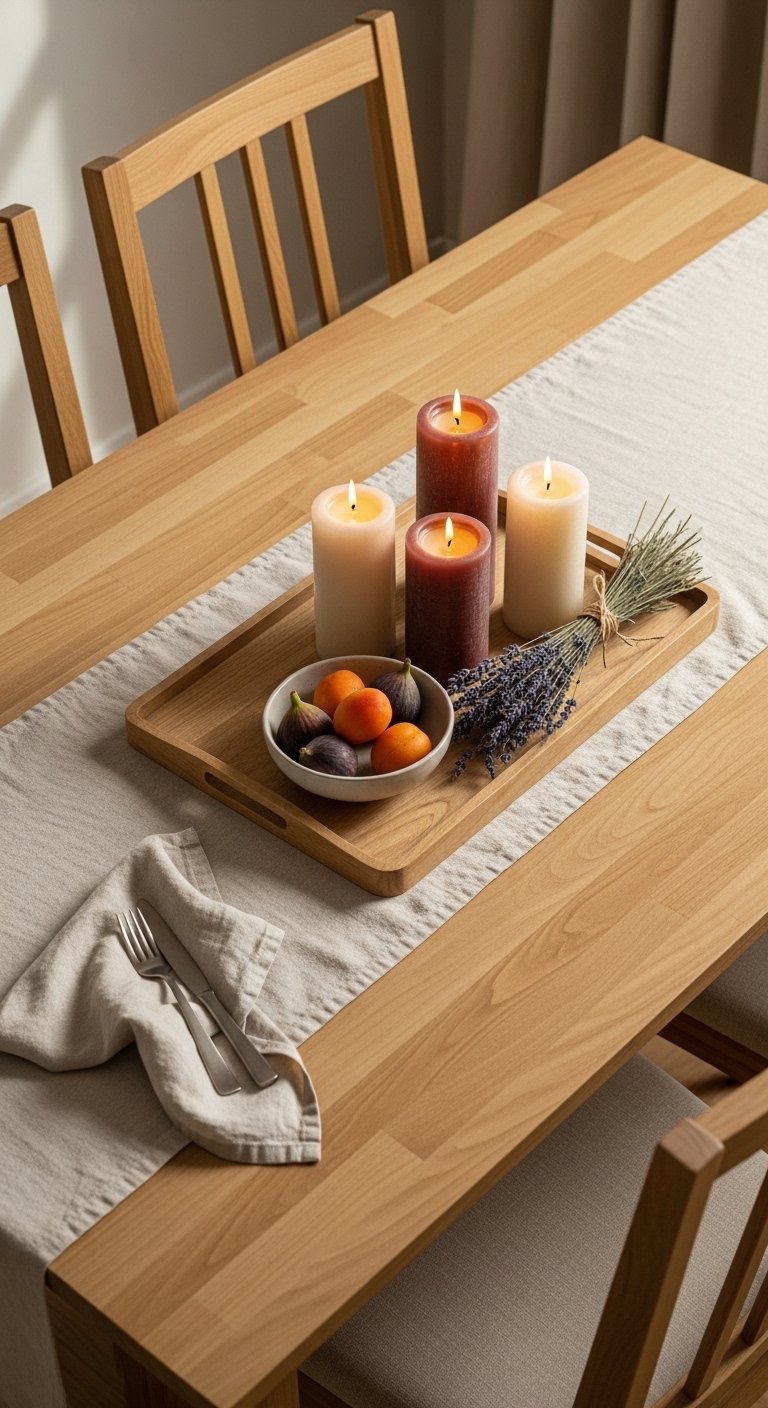
Your dining table sits empty most of the time. So style it. A simple centerpiece of flowers, a bowl of fruit, a collection of candles, or a sculptural object on a tray can make the table look intentional rather than just waiting to be used.
Keep it simple enough that it is easy to clear when you actually need the table for a meal. The point is to make the room look finished and alive, not to create a decorating obstacle course. :/
22. Think About Acoustics
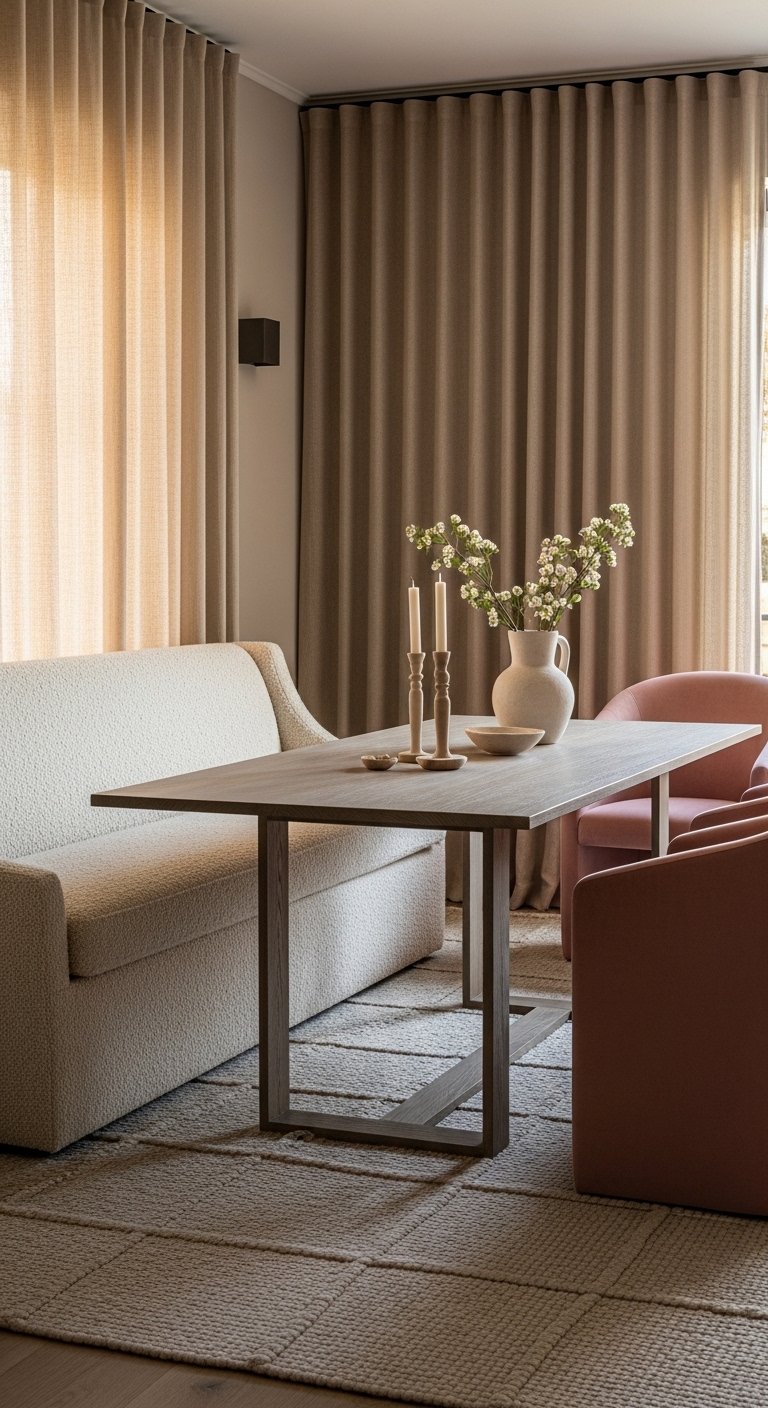
This one surprises people, but dining rooms can get really loud. Hard floors, bare walls, and lots of hard surfaces all bounce sound around and make conversations feel shouty rather than intimate.
Soft furnishings help absorb sound. Curtains, an upholstered bench, a large rug, and cushioned chairs all contribute to a quieter, more comfortable dining experience. If your dining room echoes, adding softness is not just a style decision. It is a practical one too.
23. Make It Feel Like You
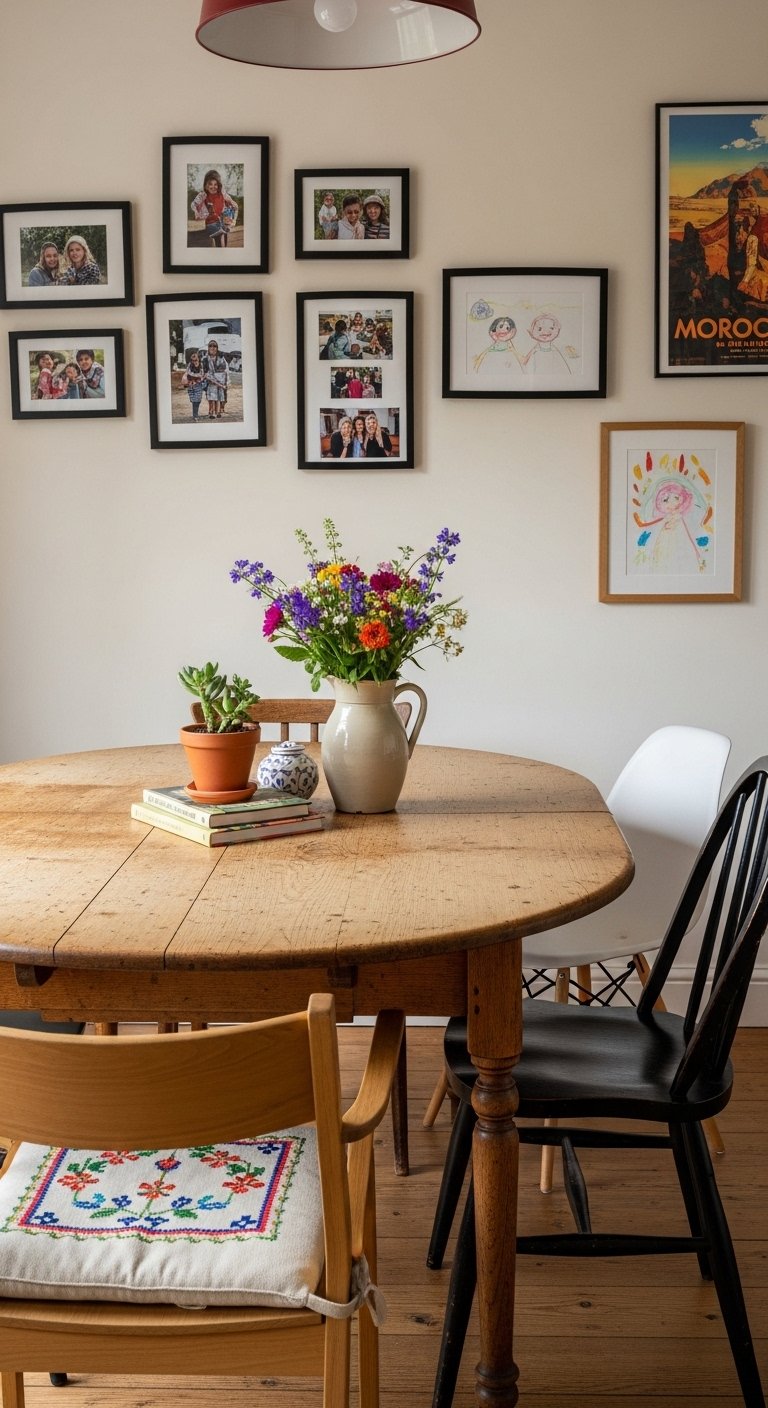
IMO, this is the most important idea on the entire list. The best dining rooms are the ones that feel genuinely personal. They reflect the people who live in the house, not a showroom catalog.
Display things that mean something to you. Use colors you actually love. Mix the inherited piece from your grandparents with the print you bought at a market. The imperfect combination of things you care about will always feel more interesting than a perfectly coordinated room that could belong to anyone.
Design for yourself, not for Instagram.
Final Thoughts
Your dining room does not need a complete overhaul to feel special. Sometimes it just needs a statement light fixture, a bold paint color, or a rug that finally fits properly. Start with one idea from this list that excites you, and build from there.
The best dining rooms are the ones that get used, the ones that gather people, hold conversation, and make everyone feel comfortable enough to stay a little longer than they planned. That is worth designing for.
So pull up a chair, light a candle, and start planning. Your dining room is waiting.