23 Small Living Room Decor Ideas to Make Space Feel Bigger
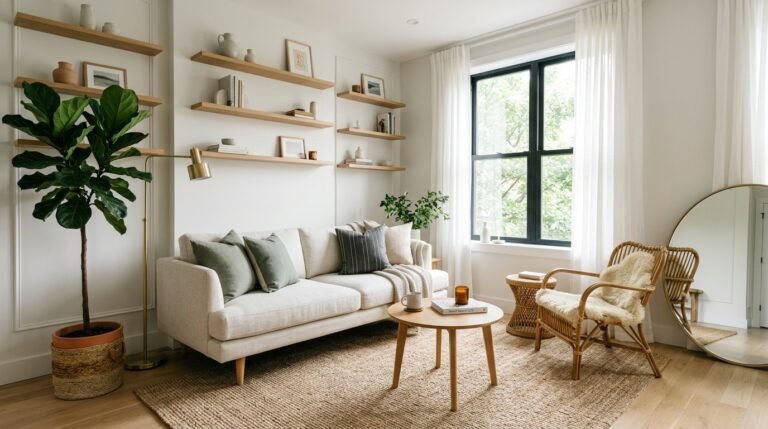
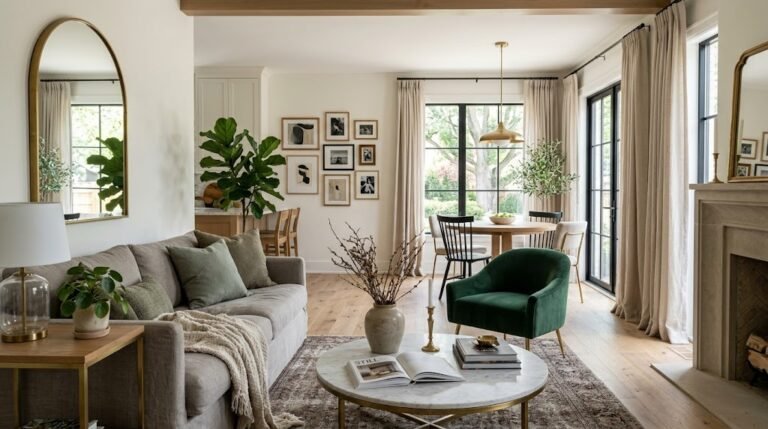
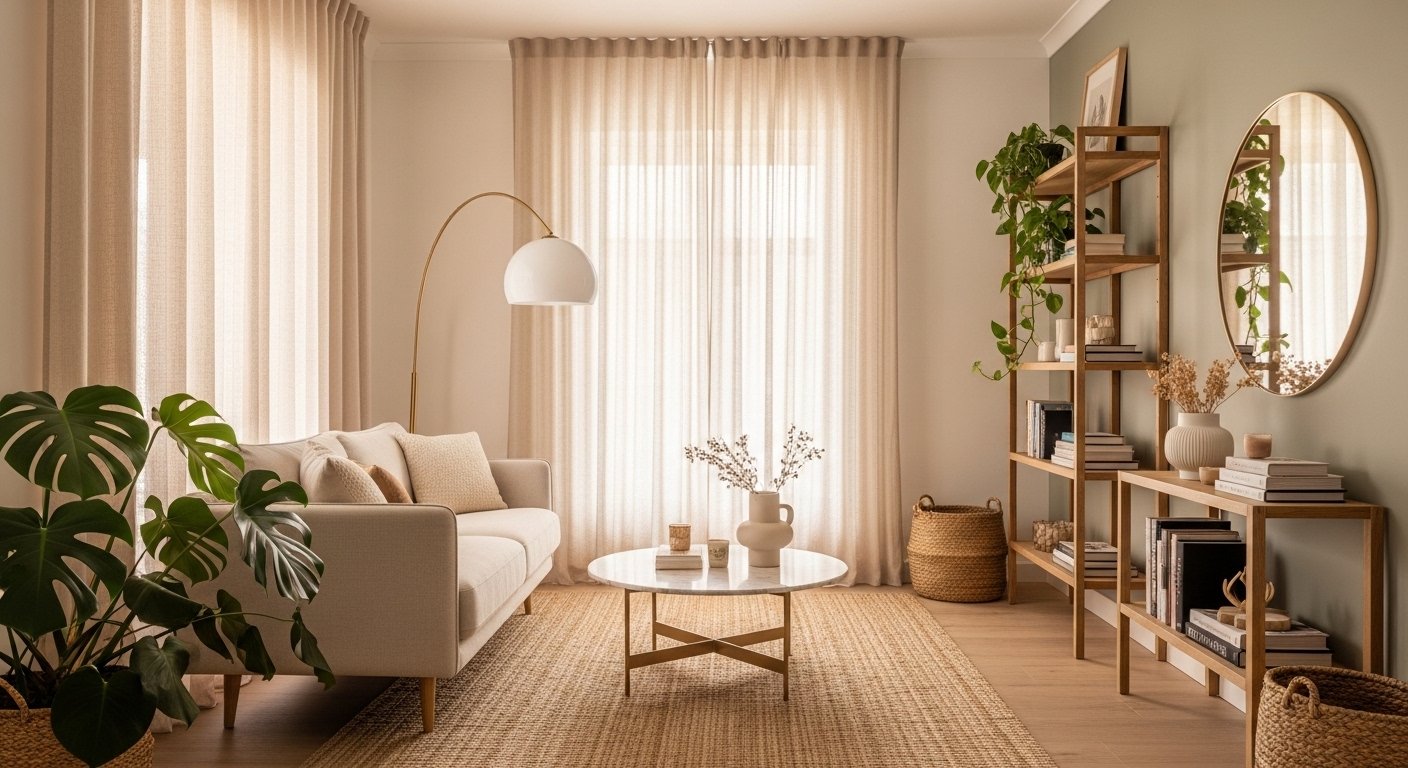
Small living rooms force better design decisions. When you have limited space, every piece of furniture, every color choice, and every accessory either earns its place or gets in the way. I’ve lived in small living rooms most of my adult life and the ones that worked well all had one thing in common: intention.
Here are 23 small living room decor ideas that actually work.
1. Choose a Sofa That Fits the Room, Not Your Wishlist
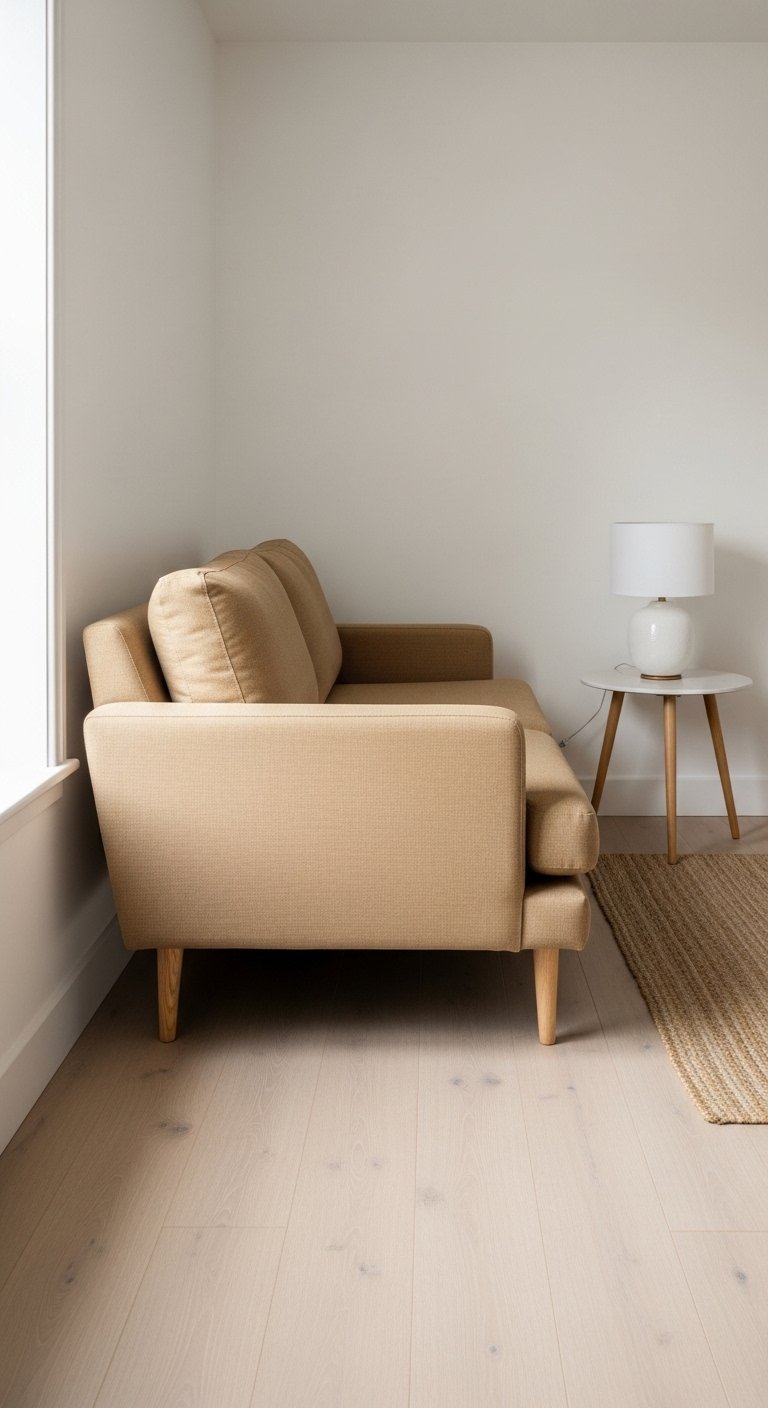
The biggest mistake in a small living room is an oversized sofa. A sofa proportional to the room leaves breathing space around the furniture and makes the entire space feel larger.
Measure your room before you shop. A sofa should leave at least 45cm of clearance on each side for walkable space. A two-seater or a compact three-seater almost always works better than a sectional in a small room. Sectionals in small rooms eat the entire floor plan.
Sofa styles that suit small living rooms:
- Slim-armed sofas with exposed legs
- Loveseats in tight spaces under 4 meters wide
- Apartment sofas, specifically designed for smaller footprints
- Sofas with raised legs to show more floor and create visual space
2. Use Light Colors on Walls and Ceiling
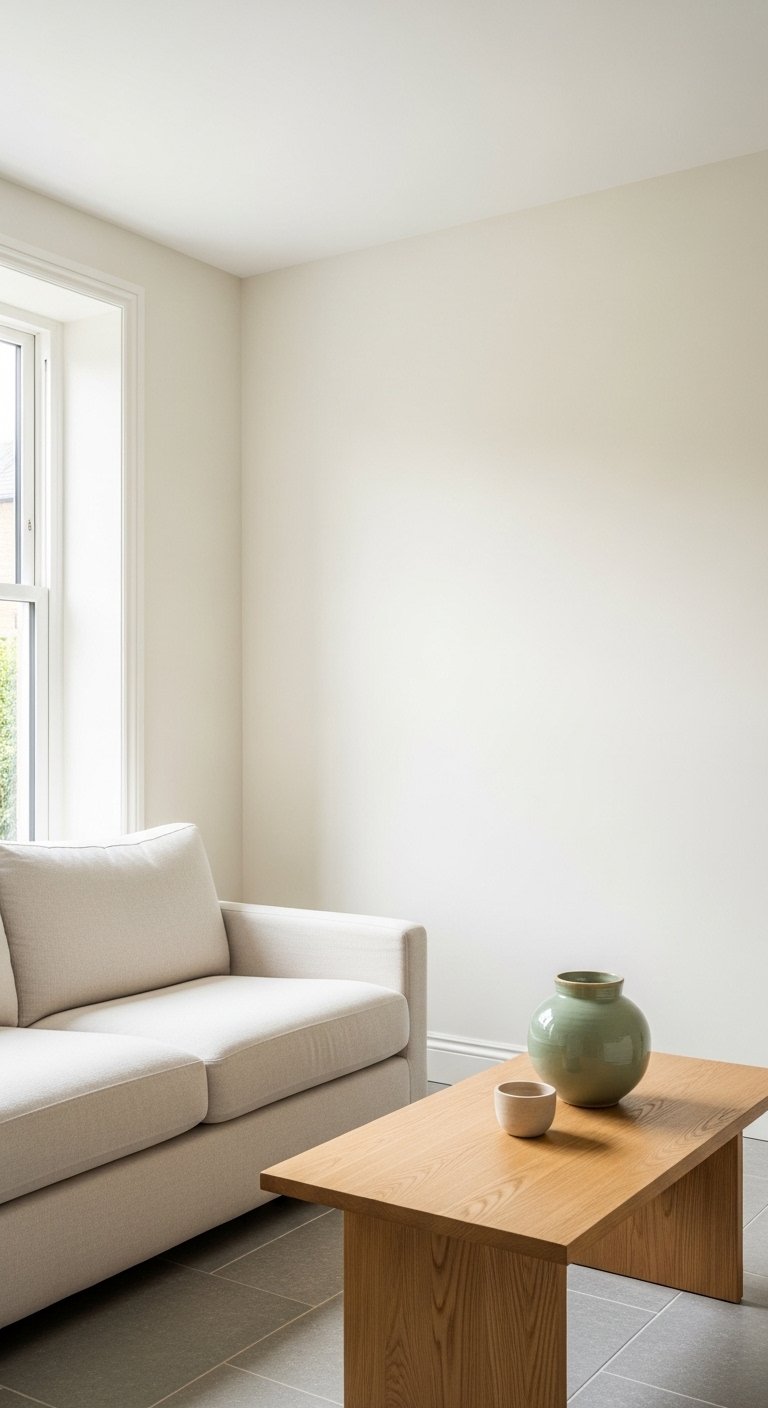
Light wall colors reflect natural light back into the room, making a small space feel significantly larger and brighter. Warm white, soft cream, pale sage, and light greige all work well.
Paint the ceiling the same color as the walls or one shade lighter. A white ceiling on colored walls creates a visual cut that lowers the perceived ceiling height. Matching wall and ceiling color removes that cut and makes the room feel taller.
3. Mount the TV on the Wall
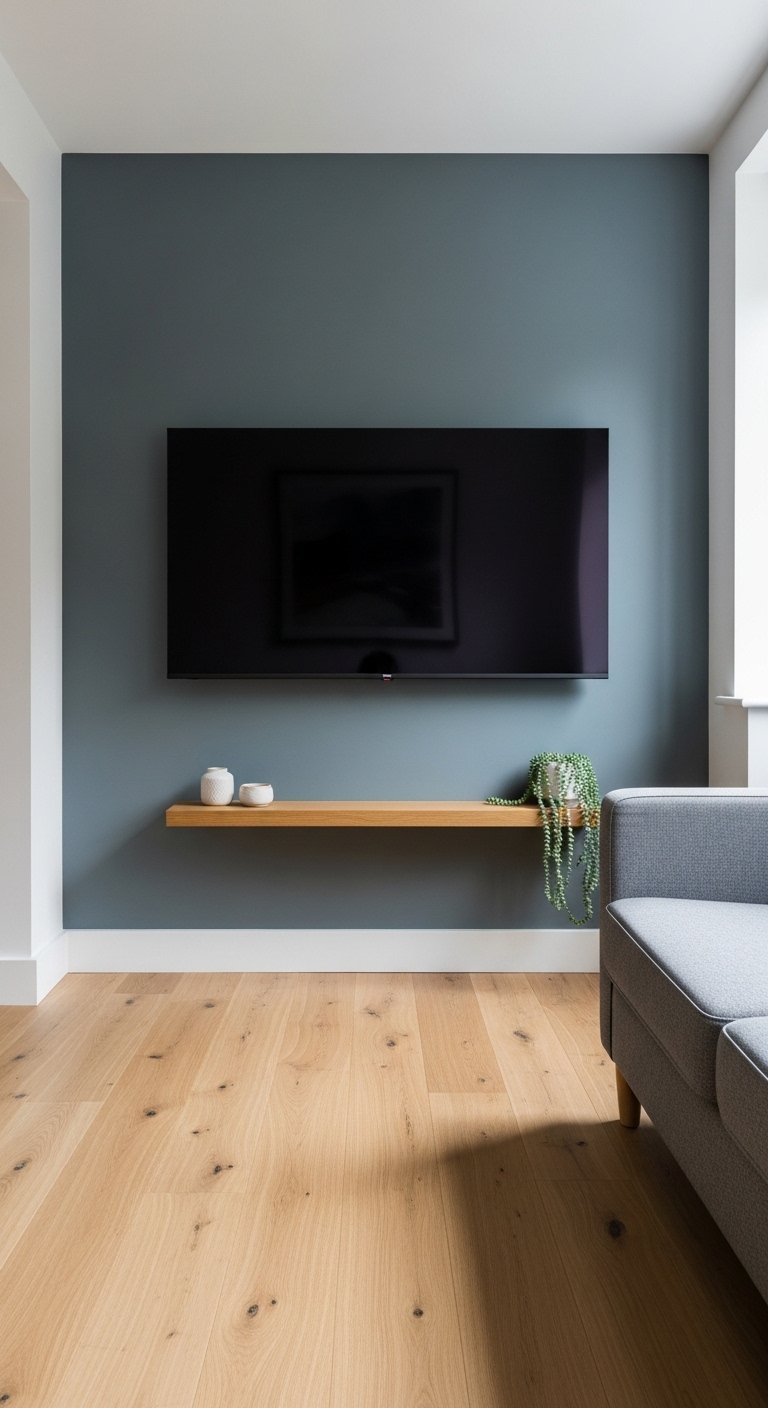
A TV on a bulky stand takes up floor space and visual weight. Wall-mounting the TV frees up the floor entirely and lets you use the space below for a slim console or floating shelf instead.
Mount the TV at seated eye level, approximately 100 to 110cm from the floor to the center of the screen. Higher than that and your neck will remind you every evening that you made a poor decision.
4. Use Mirrors Strategically
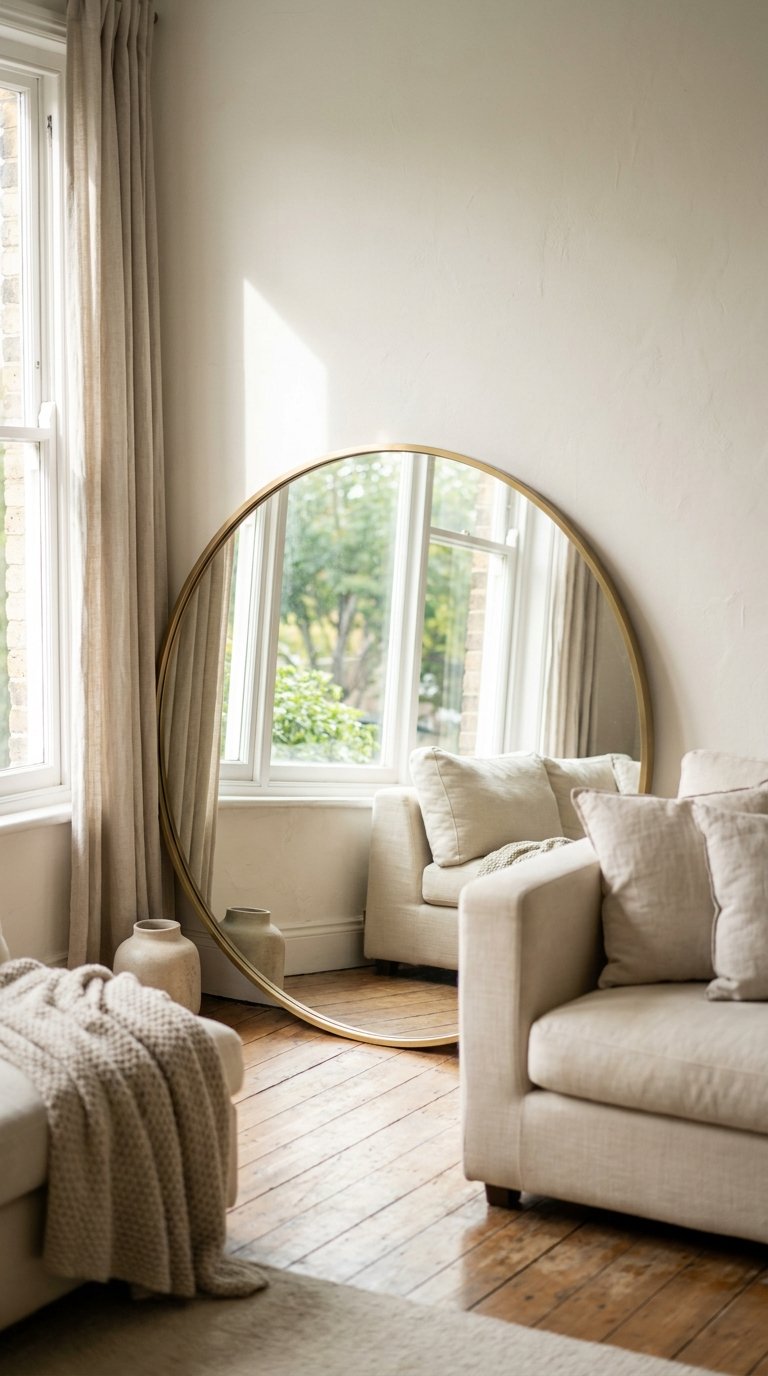
A large mirror reflects light and creates the illusion of depth. In a small living room this is one of the fastest and most affordable transformations available.
Lean a large mirror against the wall opposite the main window. The reflection doubles the perceived depth of the room. A full-length mirror or an oversized round mirror both work. Avoid small decorative mirrors clustered together. They scatter light without creating the depth effect you need.
5. Choose Multi-Functional Furniture
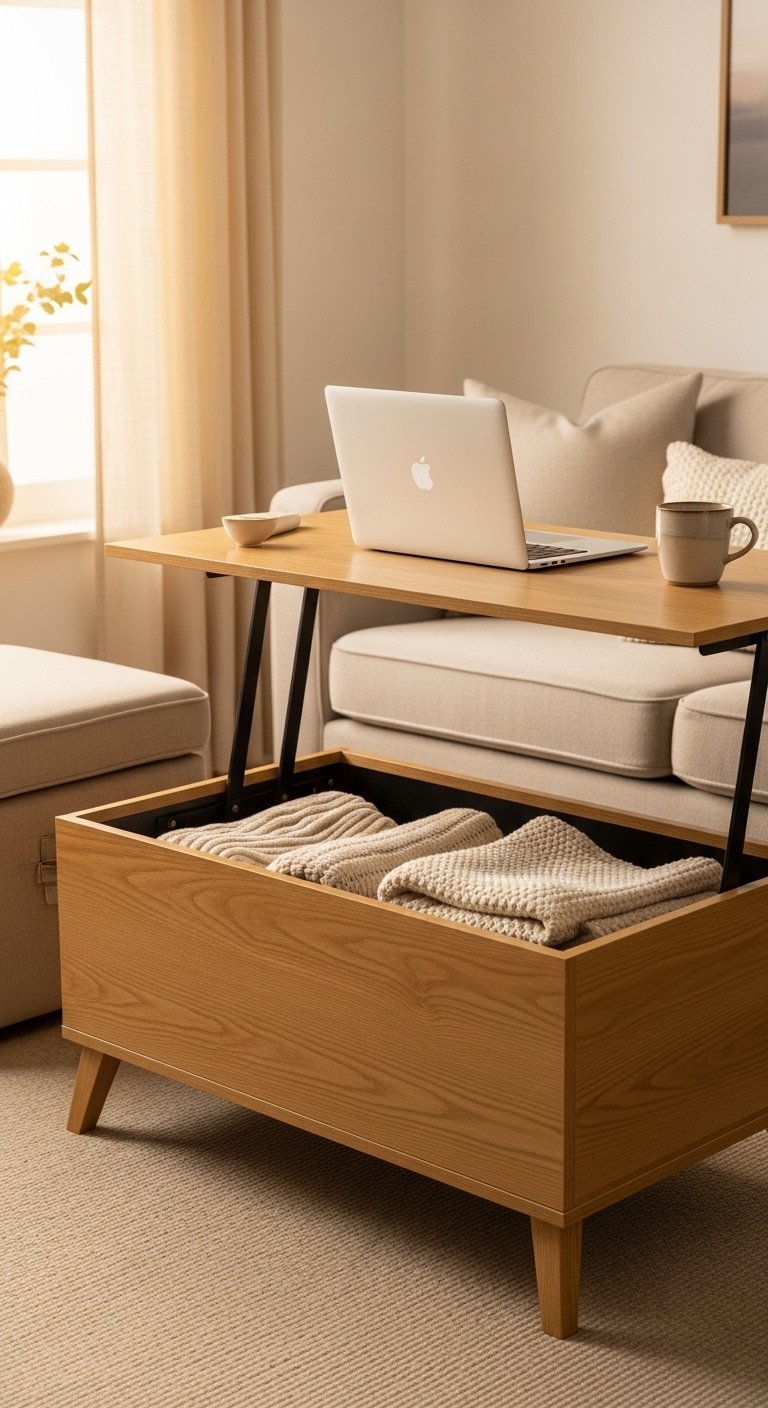
Every piece of furniture in a small living room should do more than one job. A coffee table with storage, a sofa with built-in storage under the seat cushions, an ottoman that opens for blanket storage.
Single-function furniture wastes space in a small room. A pouf that works as a footrest, extra seating, and a side table serves three purposes. A storage bench along one wall serves as seating, storage, and a visual anchor. Multi-function is the operating principle of small space design.
Best multi-functional pieces for small living rooms:
- Lift-top coffee table with interior storage
- Ottoman with removable lid for blanket storage
- Sofa bed for occasional guest use
- Nesting side tables that stack when not needed
- Bookcase used as a room divider
6. Float the Furniture Off the Walls
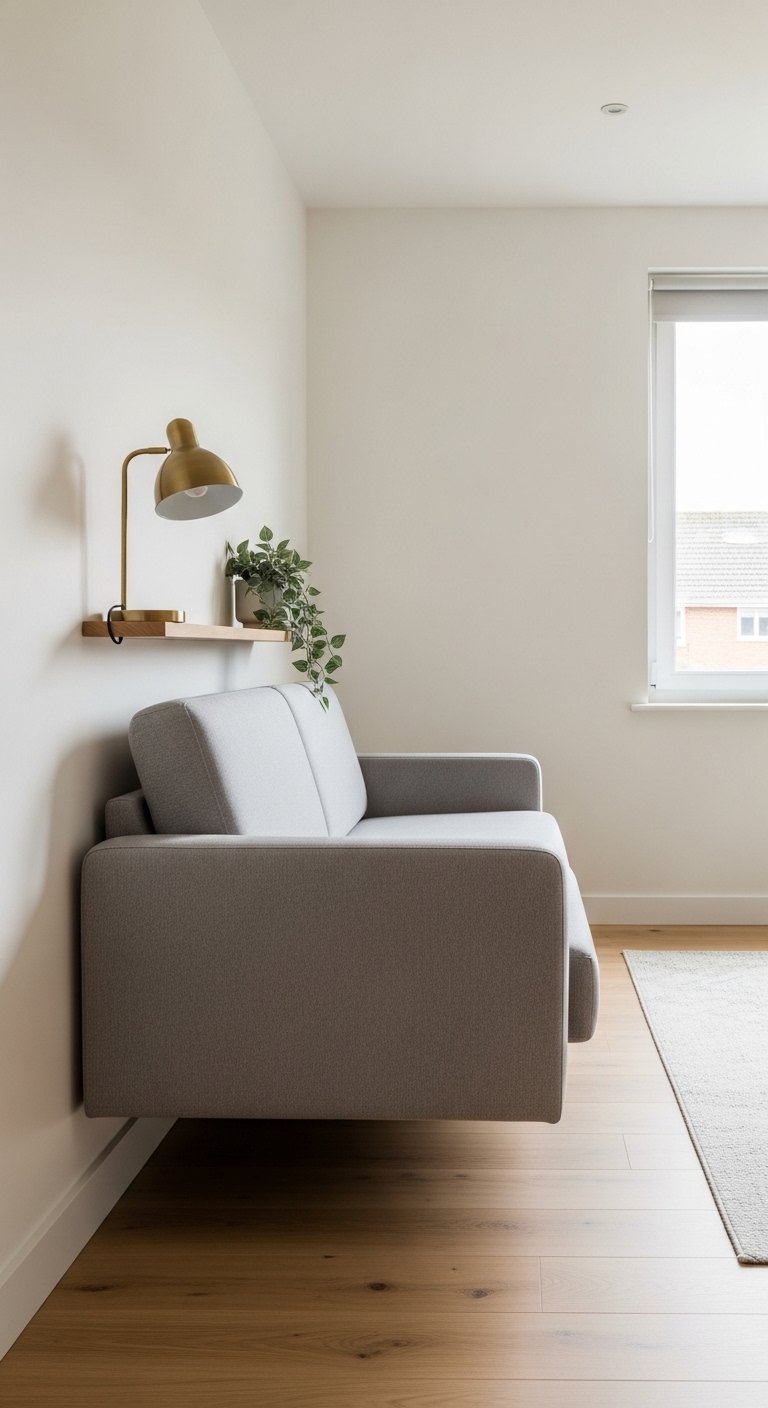
Pushing all furniture against the walls feels instinctively right in a small room. It’s actually wrong. Floating furniture slightly away from walls creates a sense of depth and makes the room feel more intentional.
Pull the sofa 15 to 30cm away from the wall behind it. The gap creates visual breathing room. The room reads as designed rather than squeezed. This is counterintuitive but consistently effective.
7. Add Vertical Interest with Tall Shelving
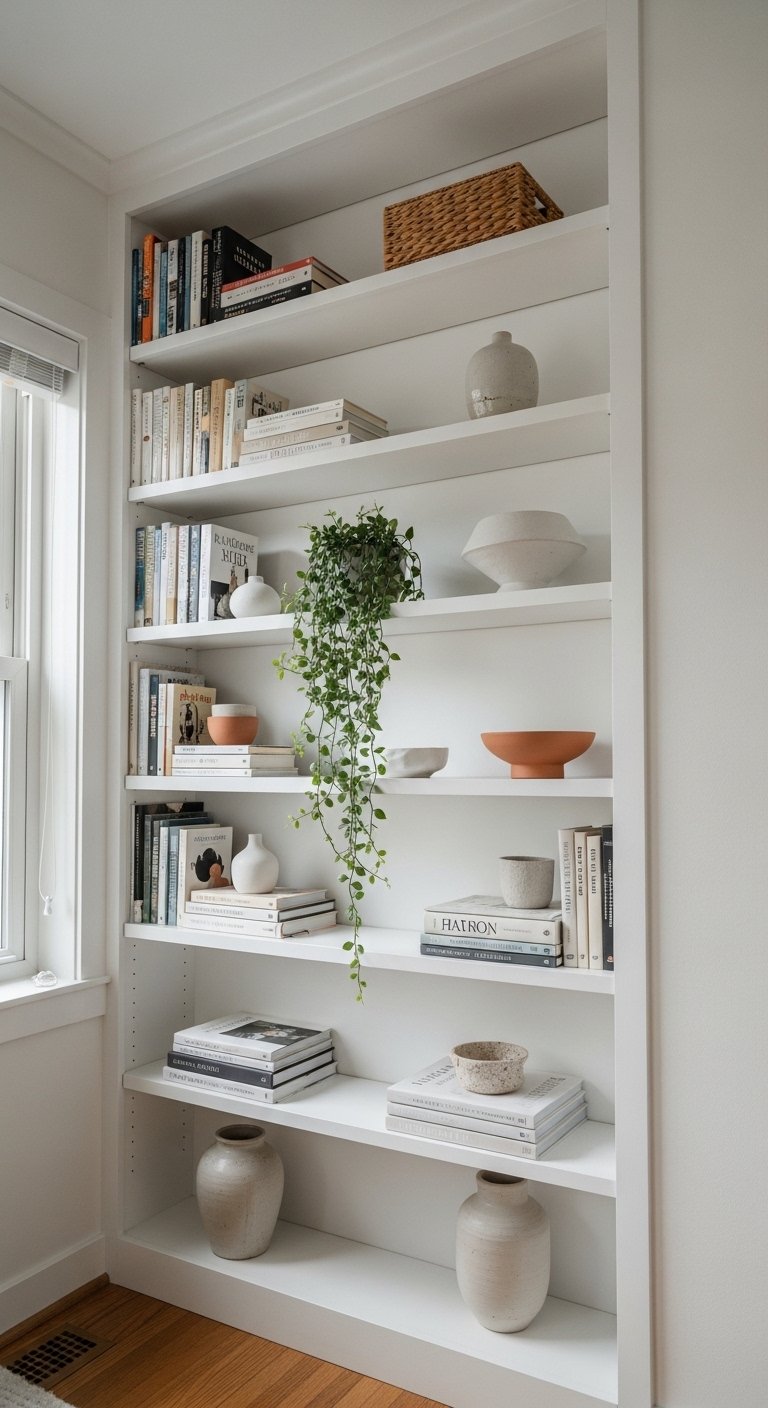
Floor-to-ceiling shelving draws the eye upward and uses vertical space that most small living rooms waste completely. A tall bookcase against one wall creates storage, display space, and visual height simultaneously.
Style the shelves with a mix of books, objects, and plants. Avoid filling every shelf completely. Empty space on a shelf is not wasted space. It gives the eye somewhere to rest and prevents the shelving from looking chaotic.
8. Use a Round Coffee Table
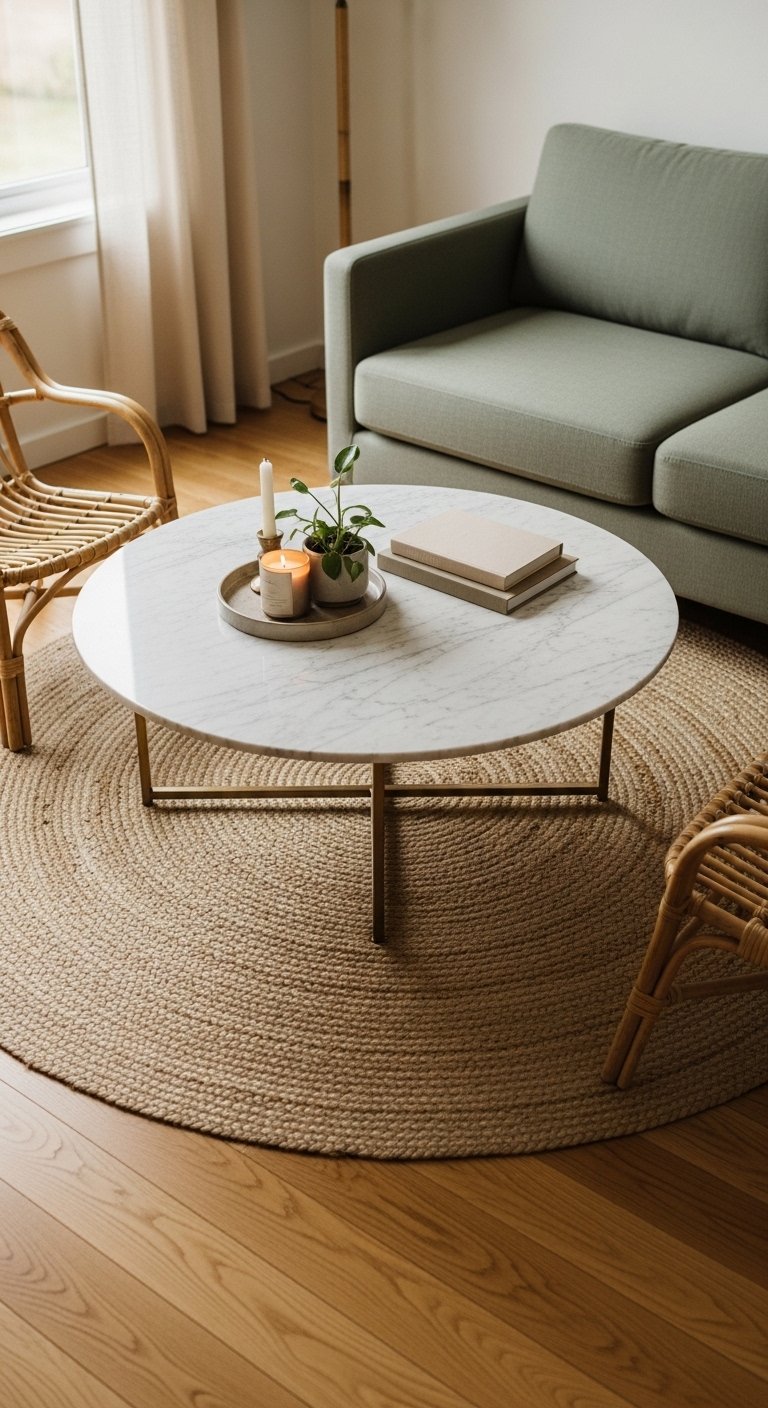
Sharp corners on furniture create both physical and visual obstacles in a small space. A round coffee table removes corners from the equation, allows easier movement around it, and softens the overall composition of the room.
A round table also suits more seating arrangements than a rectangular one. It works equally well centered between a sofa and two armchairs, or pushed slightly to one side. Flexibility matters in a small room.
9. Layer Your Lighting
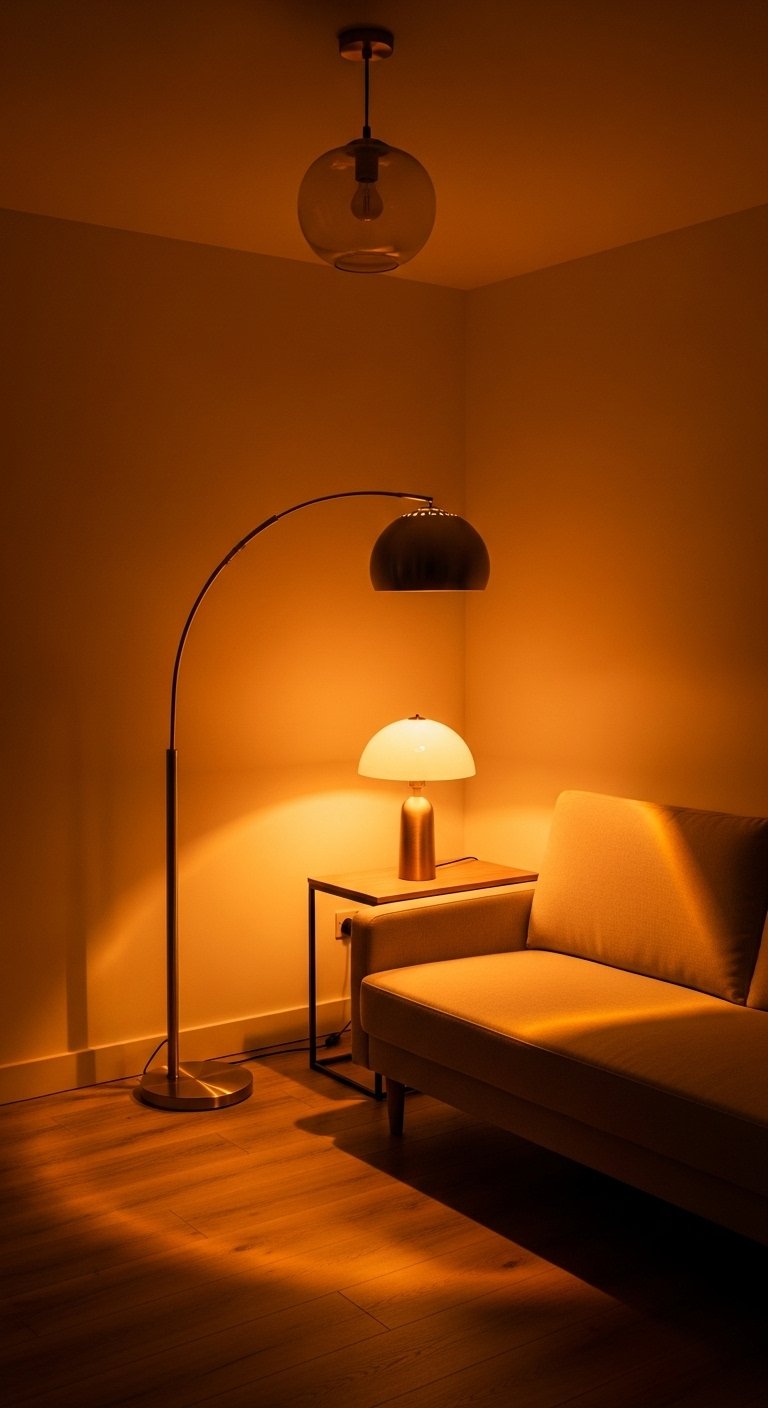
A single overhead light in a small living room creates flat, unflattering illumination and zero atmosphere. Layered lighting using a floor lamp, table lamps, and accent lights creates depth and warmth.
Use a floor lamp in a corner to lift a dark area. Add a table lamp on a side table beside the sofa for a warm reading light. Under-shelf LED strips on a bookcase add depth. The multiple light sources at different heights make the room feel larger and more considered. IMO, lighting is the single most underinvested element in small living room design.
Lighting layers for a small living room:
- Overhead: ceiling fixture on a dimmer
- Floor: arc or tripod lamp in one corner
- Table: small lamp on side table or console
- Accent: LED strips behind TV or on shelving
10. Hang Curtains High and Wide
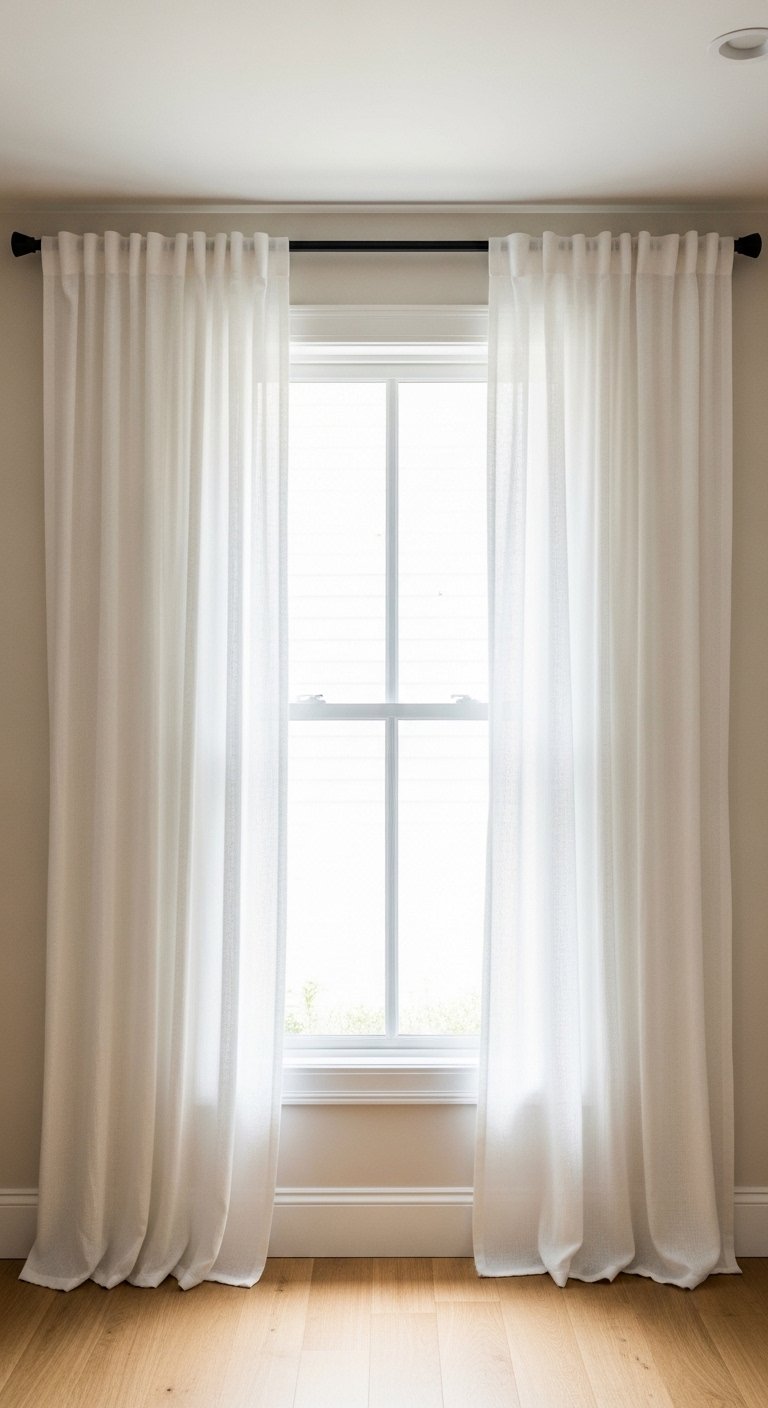
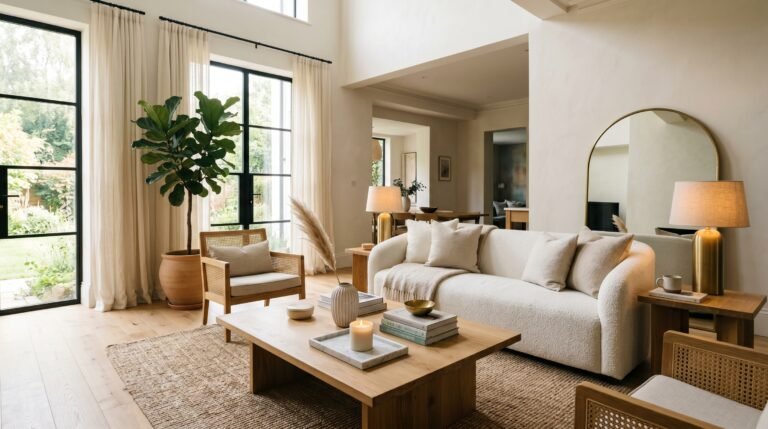
Most people hang curtains at window height. Hanging curtains from ceiling height and extending the rod 30 to 40cm beyond the window frame on each side makes windows look dramatically larger.
The curtain covers wall space beside the window, not just the window itself. When open, the full window is visible. The eye reads the curtain width as the window width. It’s a visual trick that costs almost nothing and works every time. 🙂
11. Pick One Accent Wall
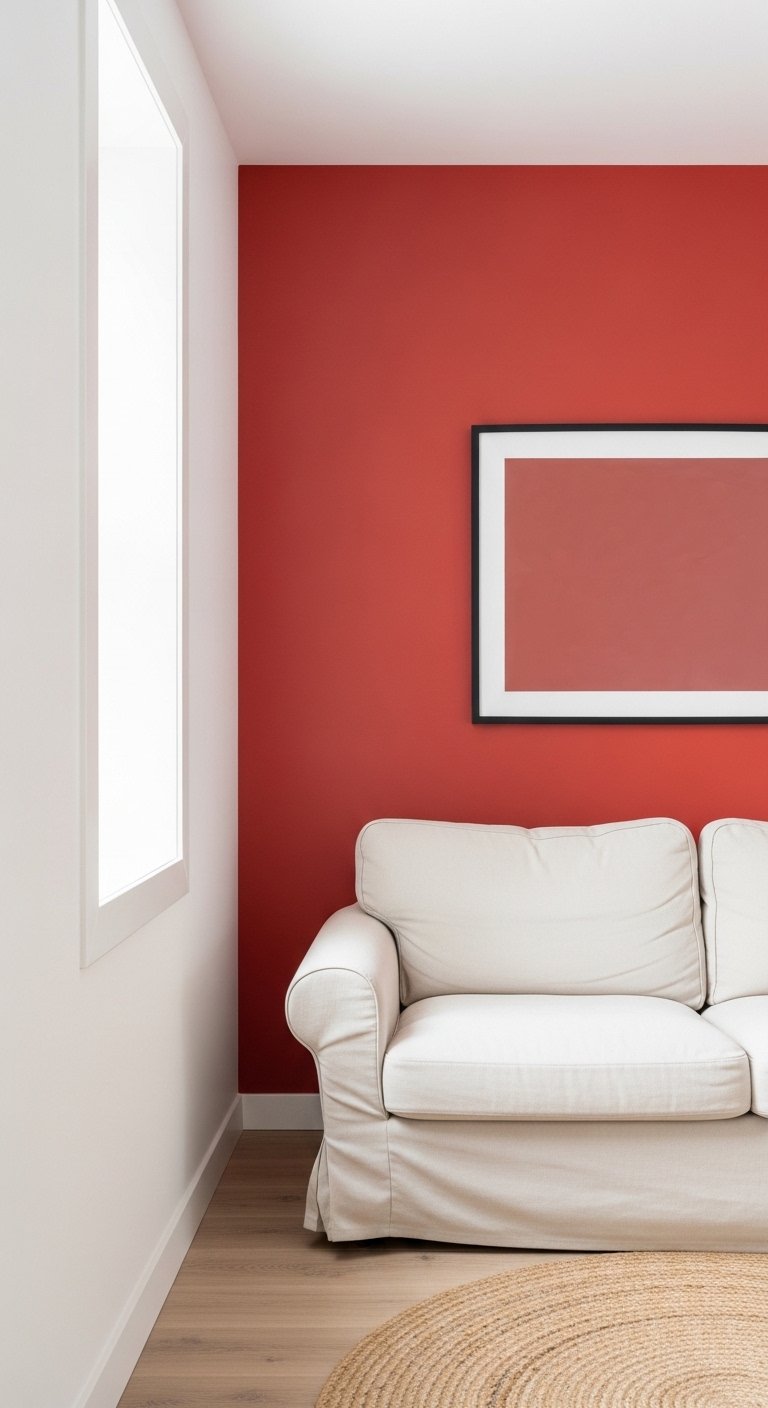
A small living room with four different wall treatments or four accent colors feels chaotic and compressed. One accent wall in a bold color or with wallpaper creates a focal point without overwhelming the space.
The wall behind the sofa or the wall with the TV works best as the accent wall. Keep the remaining three walls in a light neutral. The contrast creates depth and visual interest without making the room feel smaller.
12. Use a Large Area Rug
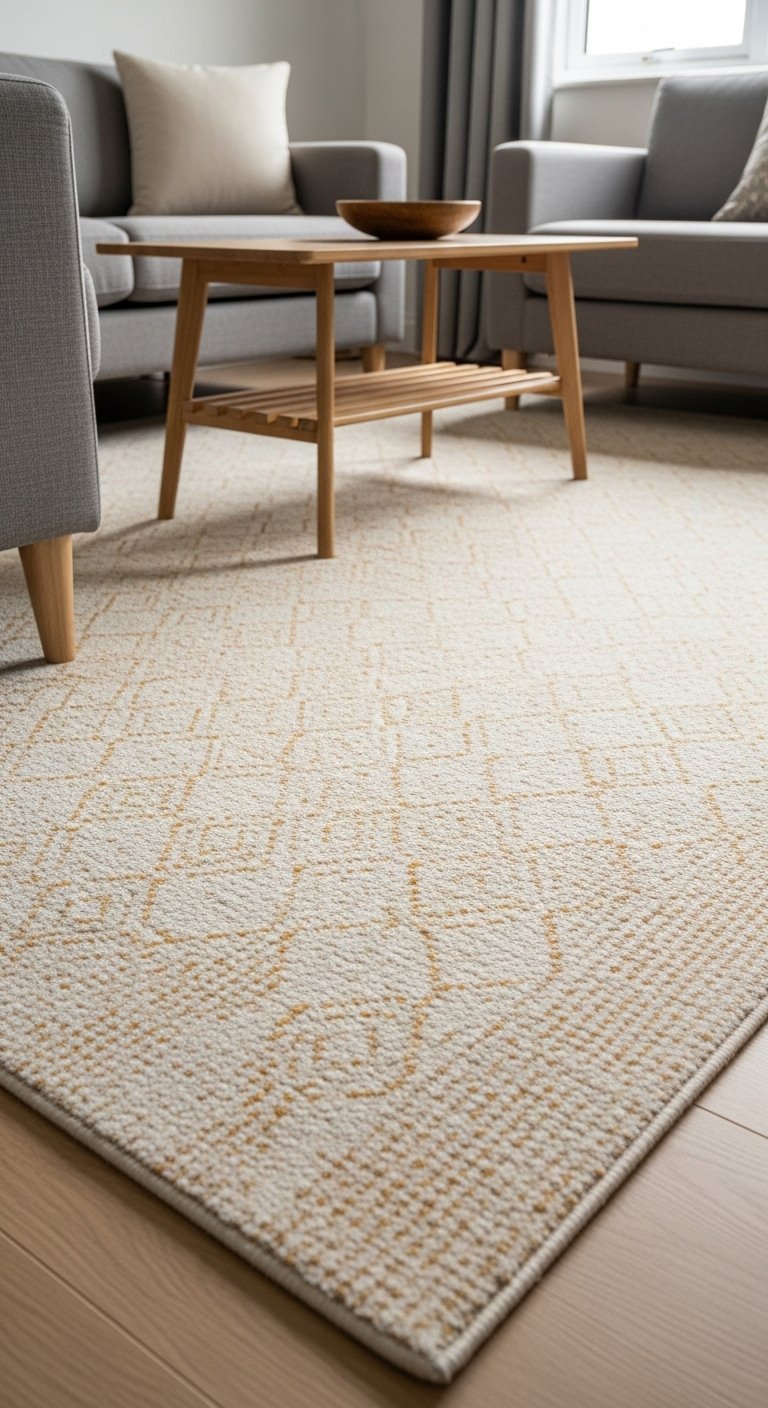
A rug too small for the room is one of the most common small living room mistakes. A large area rug that extends under the front legs of all the seating defines the conversation zone and makes the room feel larger.
The rug should be large enough that at least the front two legs of every sofa and chair sit on it. A rug that floats in the center of the room with furniture pushed around its edges looks like a postage stamp and shrinks the perceived floor space.
Rug sizing guide for small living rooms:
- Under 3.5m wide room: minimum 160x230cm rug
- 3.5 to 4.5m wide room: minimum 200x290cm rug
- Always err larger rather than smaller
13. Add Plants for Scale and Life
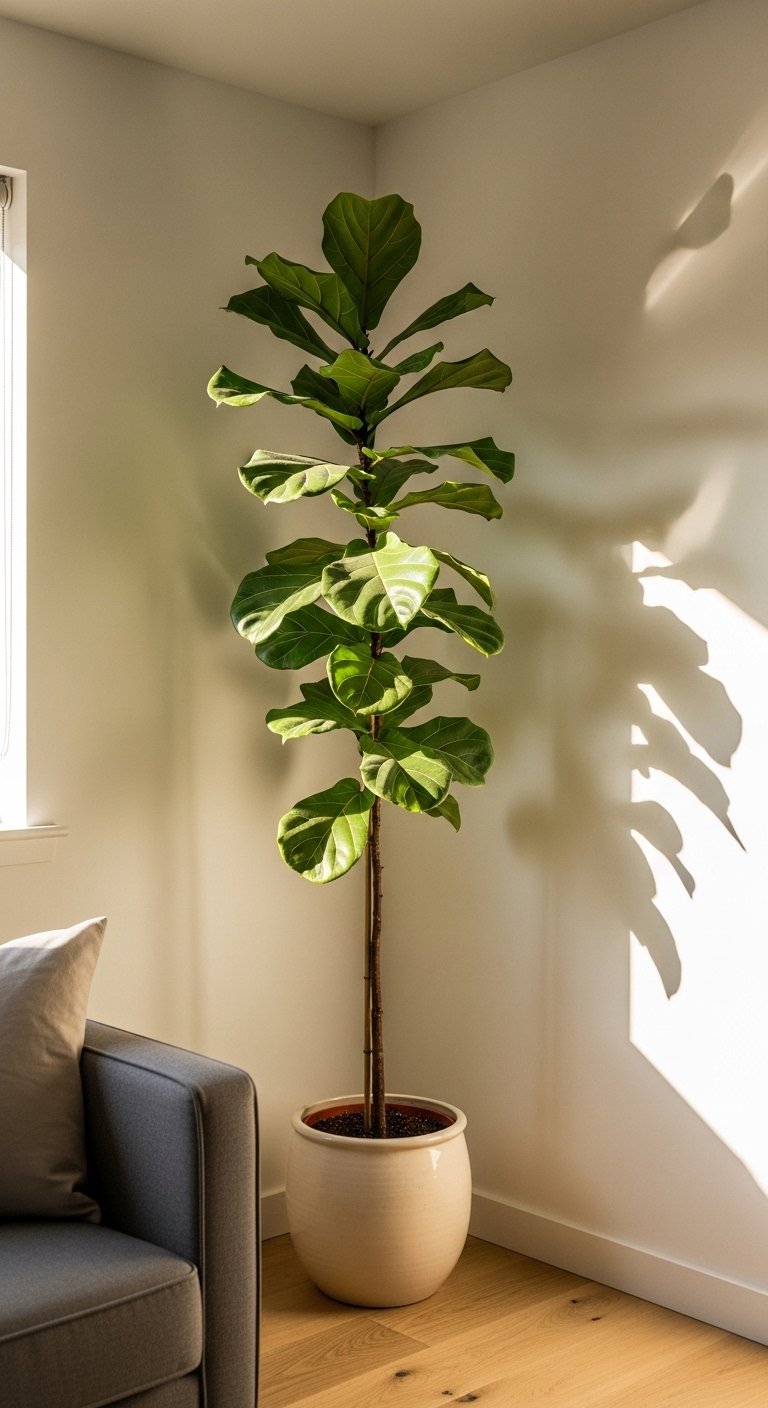
Plants bring scale, color, and life to a small living room without taking up significant floor space. A tall floor plant in a corner fills vertical space that would otherwise feel empty and unused.
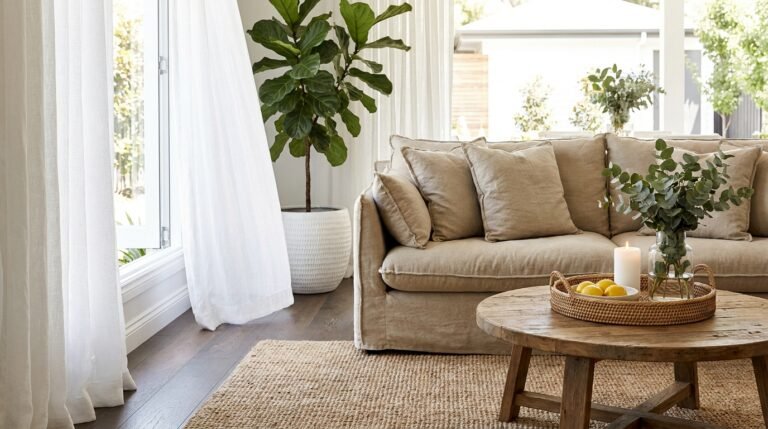
One large plant makes more impact than five small ones. A fiddle leaf fig, an olive tree, a large monstera, or a tall snake plant all work in living room corners. Pair with a simple ceramic pot in a neutral tone. Let the plant do the visual work.
14. Keep the Color Palette Tight
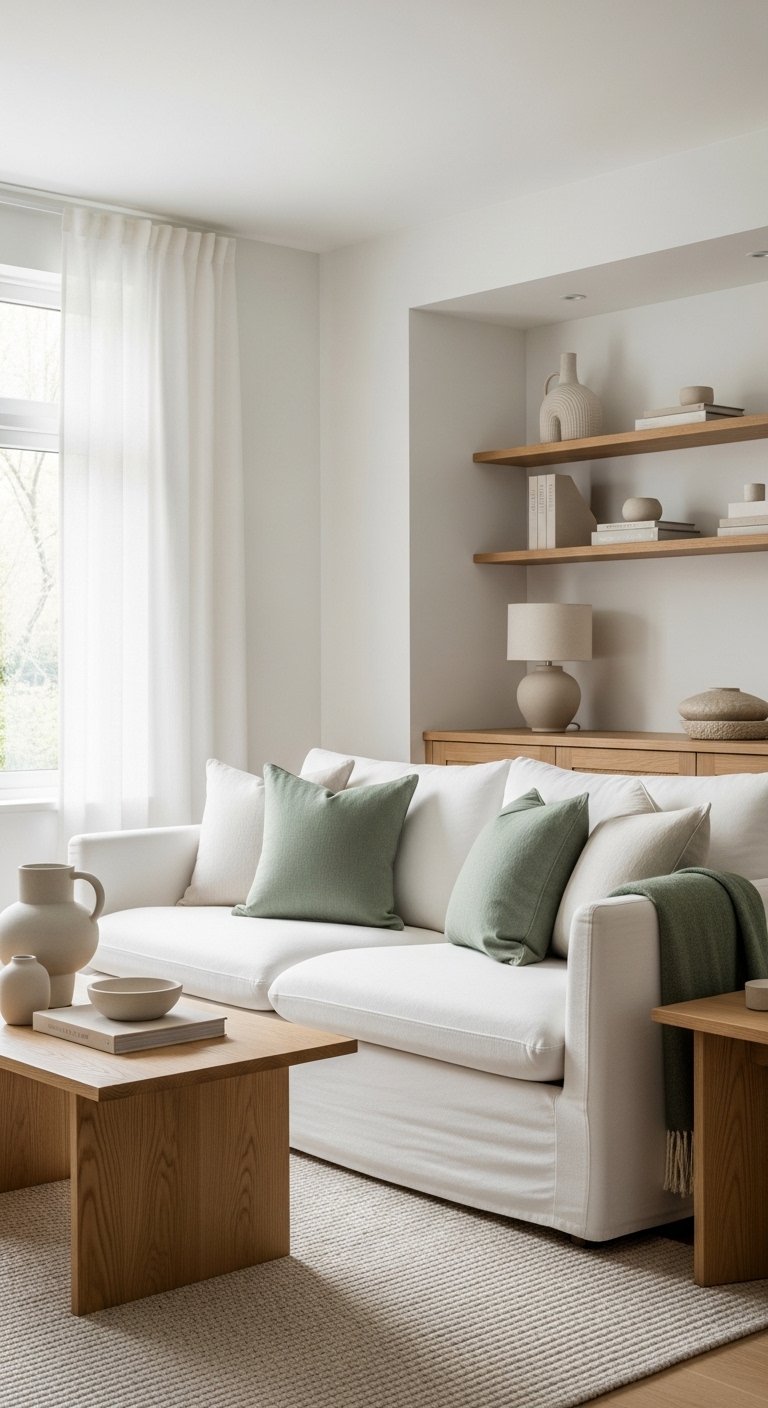
A small living room with too many colors feels fragmented and smaller than it actually is. A tight color palette of three to four tones creates cohesion and a sense of calm spaciousness.
Choose one dominant color, one secondary color, and one or two accent tones. Apply them consistently across walls, furniture, textiles, and accessories. When every element speaks the same color language, the room reads as one cohesive space rather than a collection of individual pieces.
15. Choose Furniture with Visible Legs
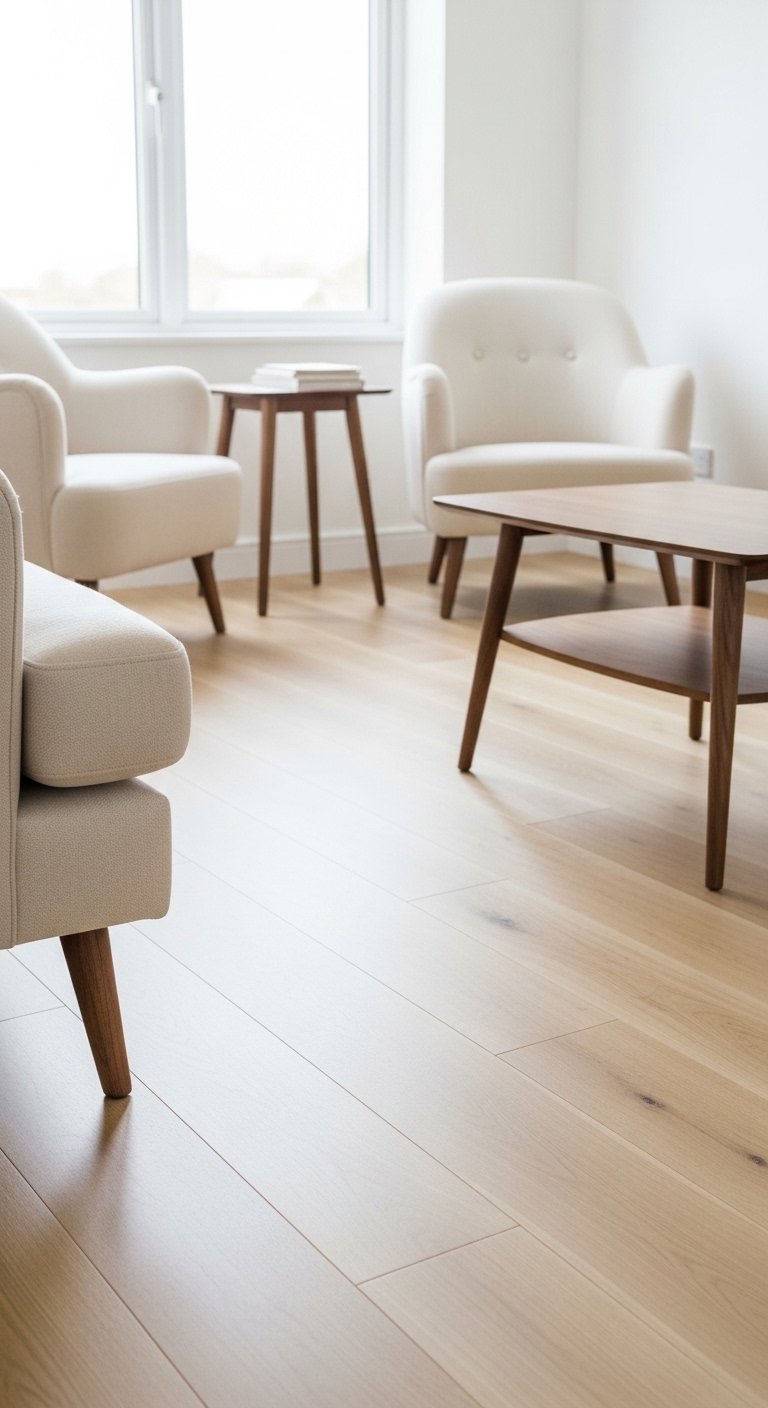
Furniture that sits directly on the floor creates a heavy, anchored look that compresses a small space. Furniture with visible legs allows the eye to see more floor, which makes the room feel larger.
A sofa on slim tapered legs looks lighter than the same sofa with a skirted base touching the floor. The same applies to armchairs, side tables, and console tables. The more floor visible, the more spacious the room feels. This is simple visual physics.
16. Use Wallpaper on One Wall
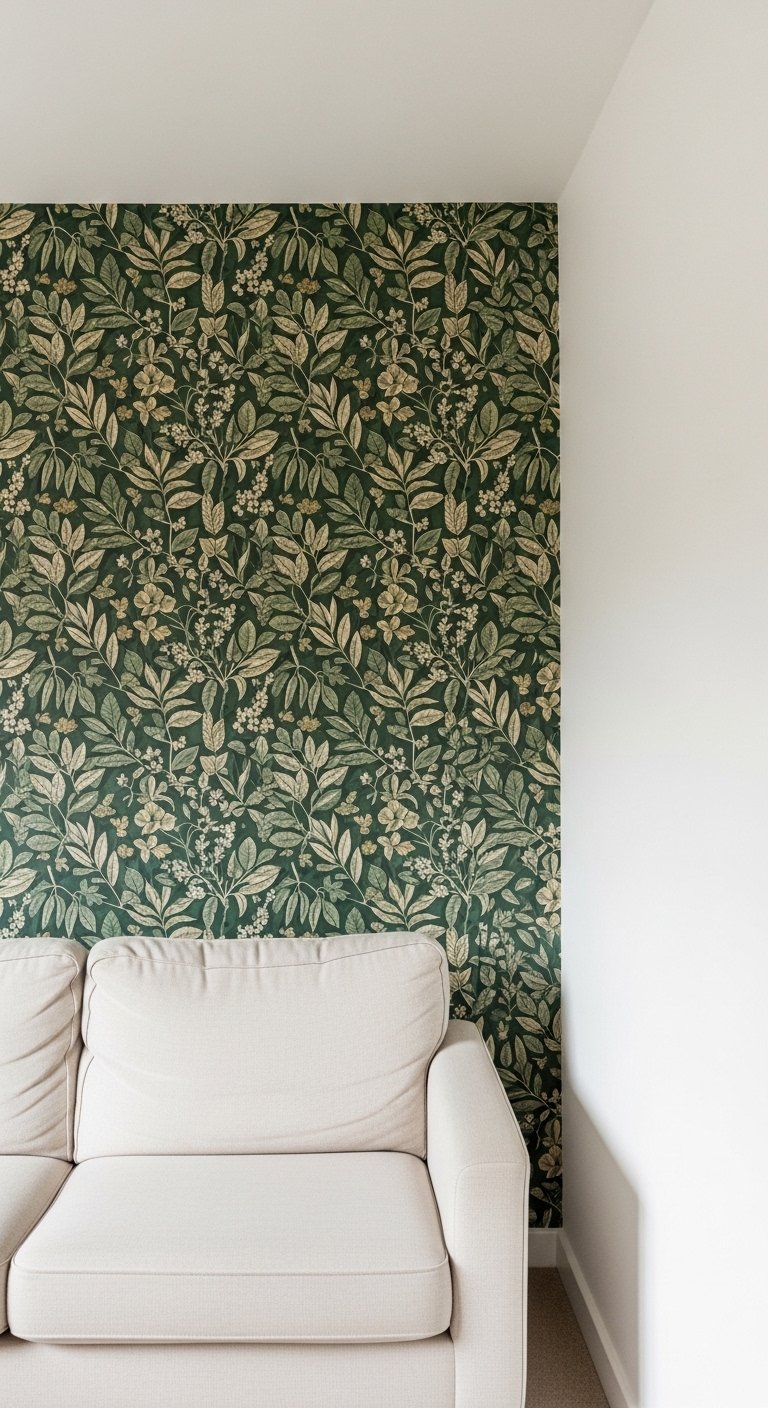
Wallpaper on a single wall adds pattern, texture, and personality to a small living room without requiring a full commitment or making the space feel smaller.
Choose a pattern with vertical elements, stripes, tall botanicals, or vertical geometric patterns, to add perceived height. Avoid large-scale busy patterns on more than one wall in a small room. One wallpapered wall behind the sofa creates a focal point that anchors the entire room.
17. Declutter Aggressively
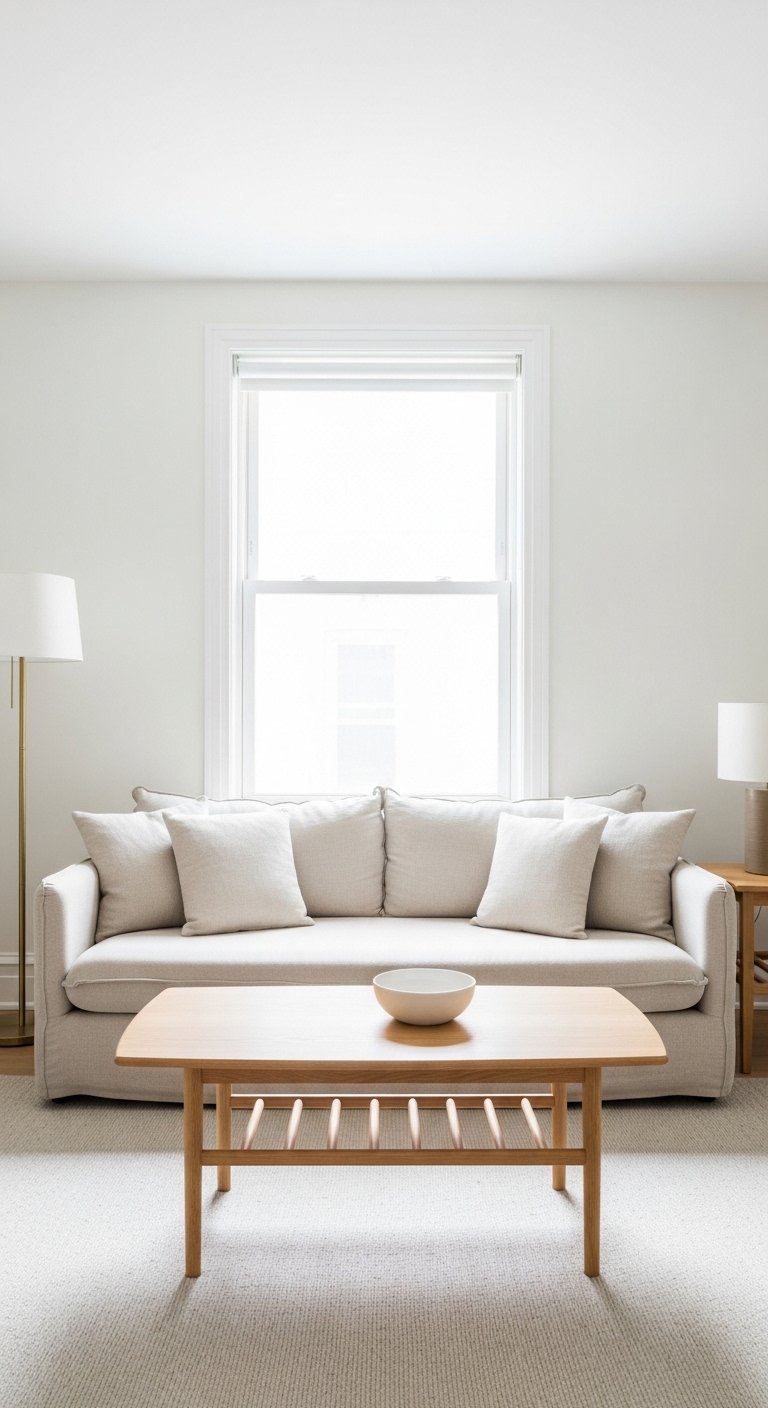
Here’s the uncomfortable truth. Clutter is the single biggest enemy of a small living room. More objects in a small space always makes it feel smaller. Fewer, better-chosen objects always make it feel larger.
Edit ruthlessly. Remove anything that doesn’t serve a purpose or bring you genuine satisfaction. The surfaces that remain should hold a maximum of three items each. A clear coffee table, clear side tables, and clear window sills make the room breathe.
18. Add a Gallery Wall
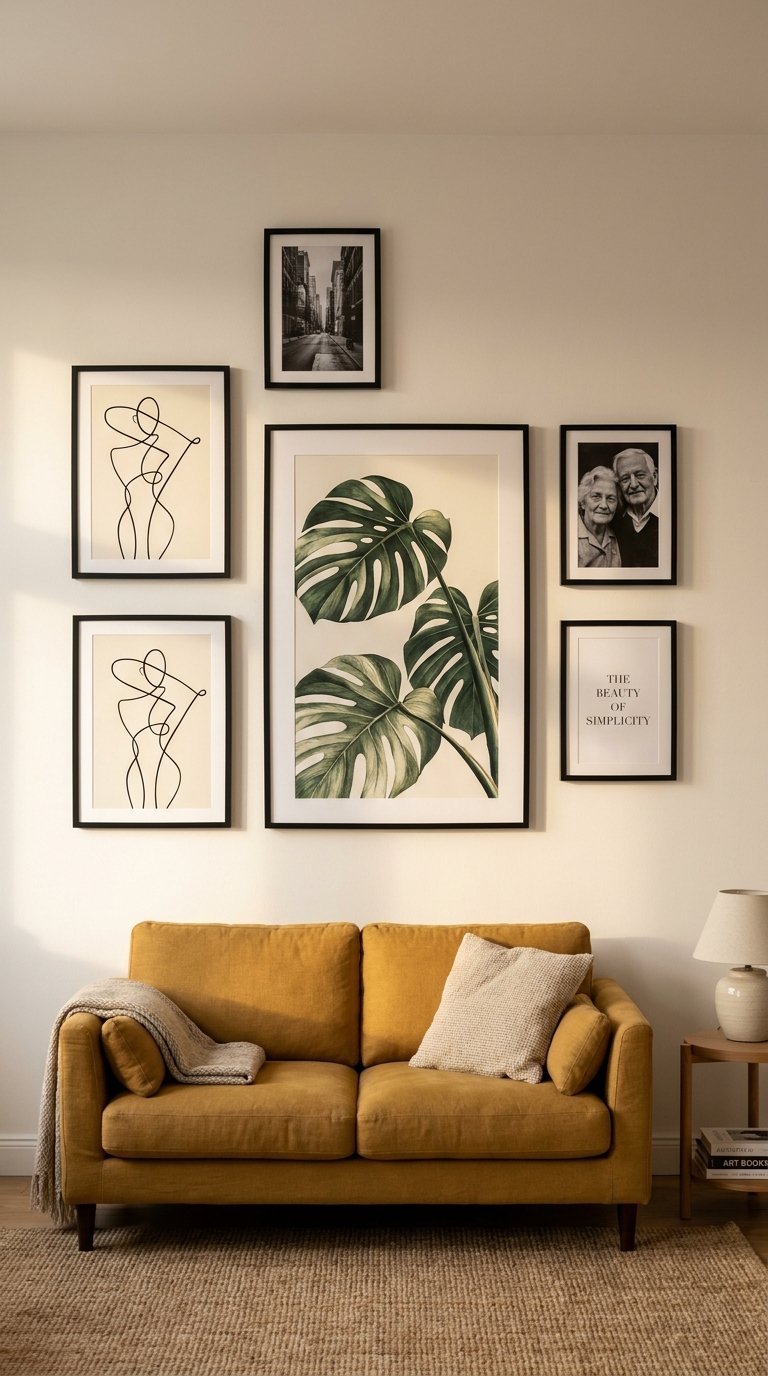
A well-curated gallery wall fills vertical space, adds personality, and creates a strong visual focal point without using any floor space at all.
Keep frames in a consistent finish, all black, all natural wood, or all white. Lay the arrangement on the floor before committing to wall holes. Start with the largest piece at the center and work outward. Leave consistent spacing of 5 to 8cm between frames throughout.
Gallery wall tips for small living rooms:
- Maximum 5 to 7 pieces to avoid visual overload
- Consistent frame finish throughout
- Include one larger anchor piece at center
- Mix photo prints with simple line art for variety
19. Use Nesting Tables Instead of a Bulky Side Table
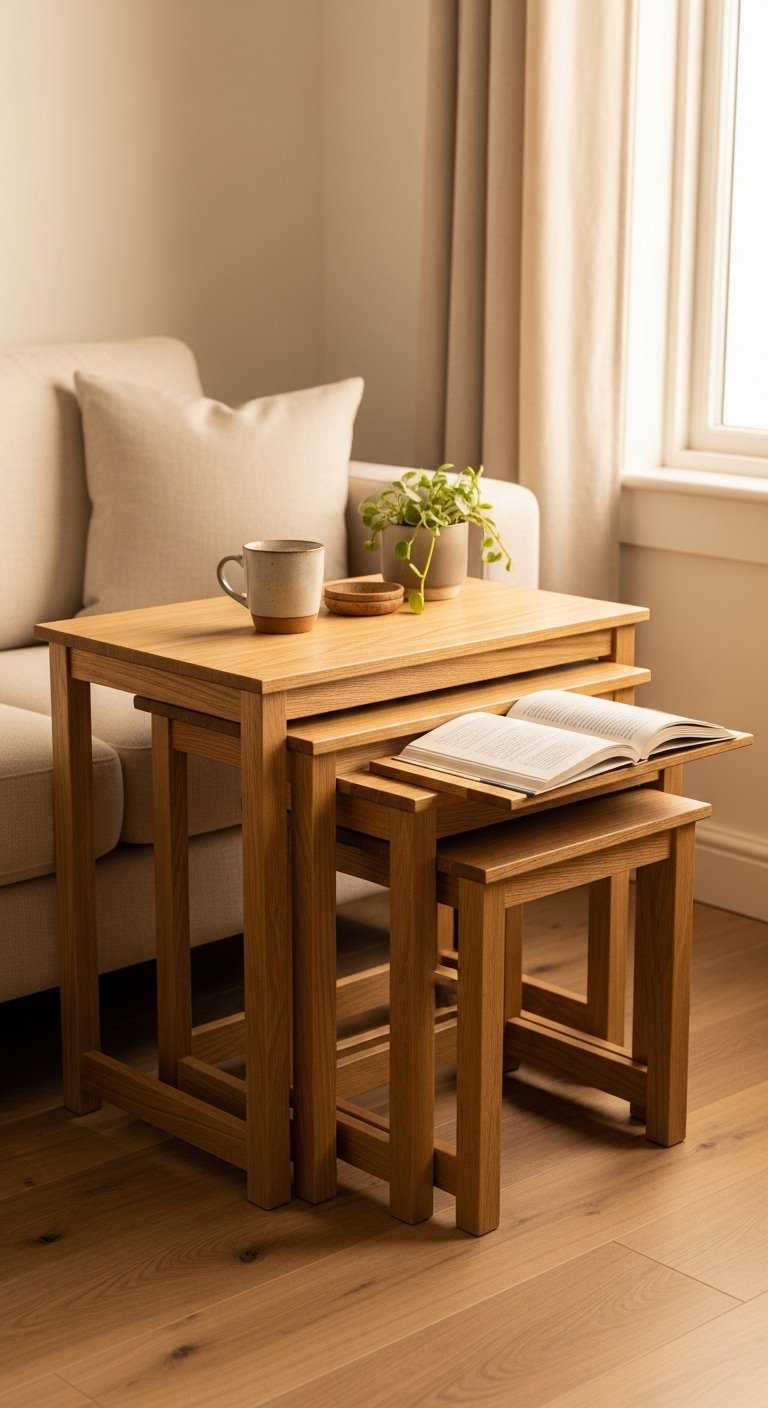
A large side table beside a sofa takes up permanent floor space whether you need it or not. Nesting tables stack together when not in use and pull apart when you need a surface.
Two or three nesting tables take up the footprint of one small table when stacked. They provide flexible surface space when needed and disappear when not. In a small living room, flexible furniture beats fixed furniture consistently.
20. Create a Reading Nook in Dead Space
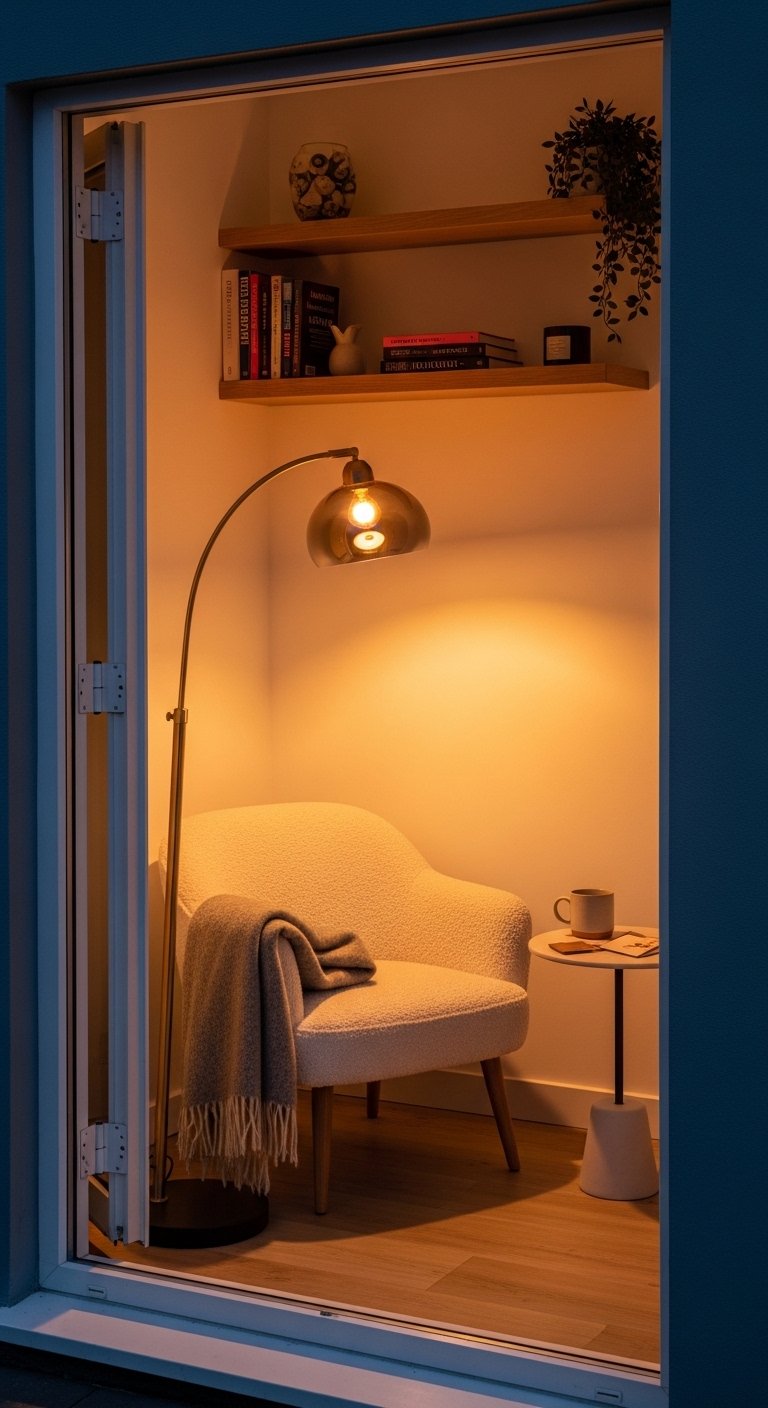
Most small living rooms have at least one awkward corner or alcove that sits empty and unused. A built-in or styled reading nook transforms dead space into a functional, cozy zone.
Add a small armchair or floor cushion, a floor lamp, a small side table, and a wall-mounted book shelf above. The nook creates a secondary seating zone without requiring additional floor space. It also gives the room a sense of having more functional areas than its size suggests.
21. Choose Streamlined Window Treatments
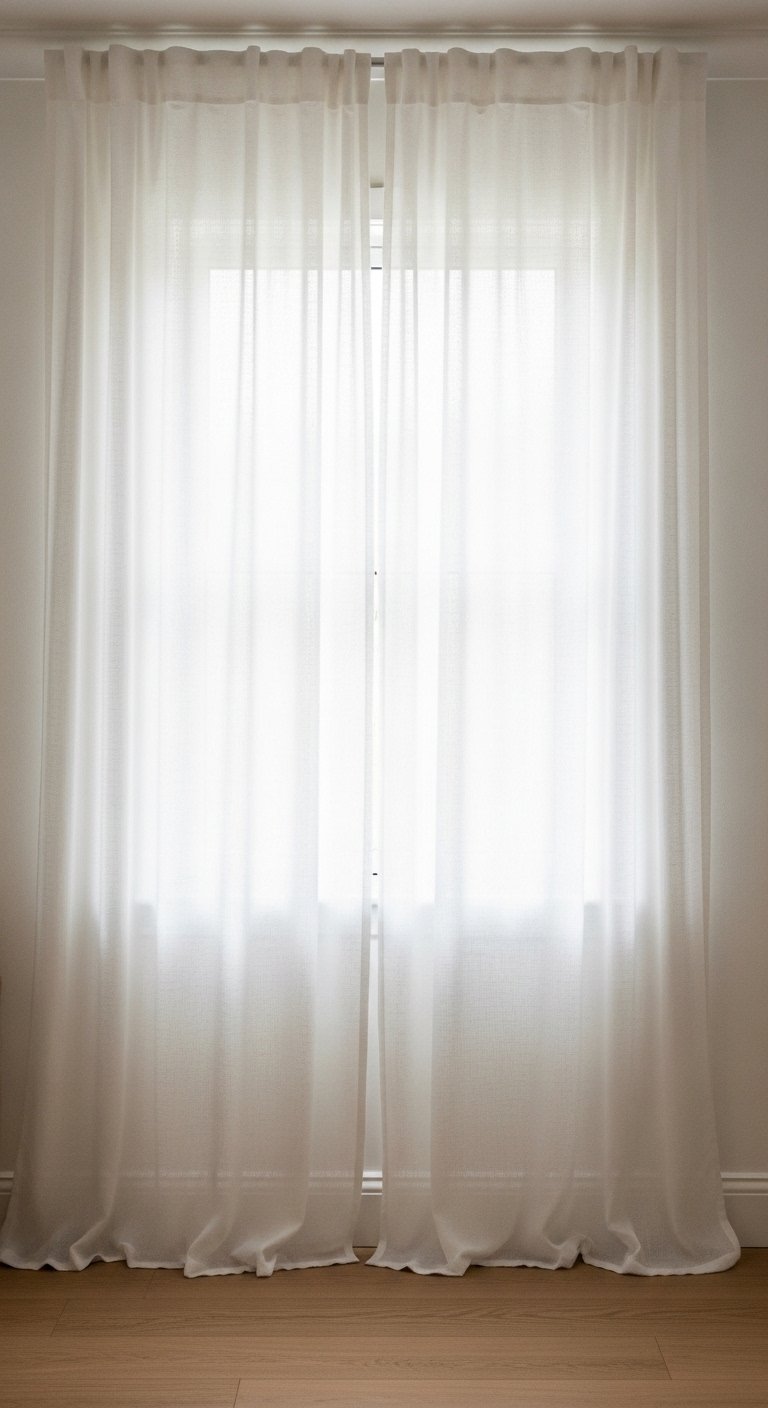
Heavy curtains with thick fabric and large patterns overwhelm a small living room window. Streamlined window treatments in sheer linen, simple cotton, or light-filtering roller blinds keep the window zone clean and light.
Sheer linen curtains in white or warm cream filter light beautifully without blocking it. They add softness without visual weight. Roman blinds in a plain linen or cotton sit neatly within the window frame and take up no room at all when raised.
22. Use Built-In Storage
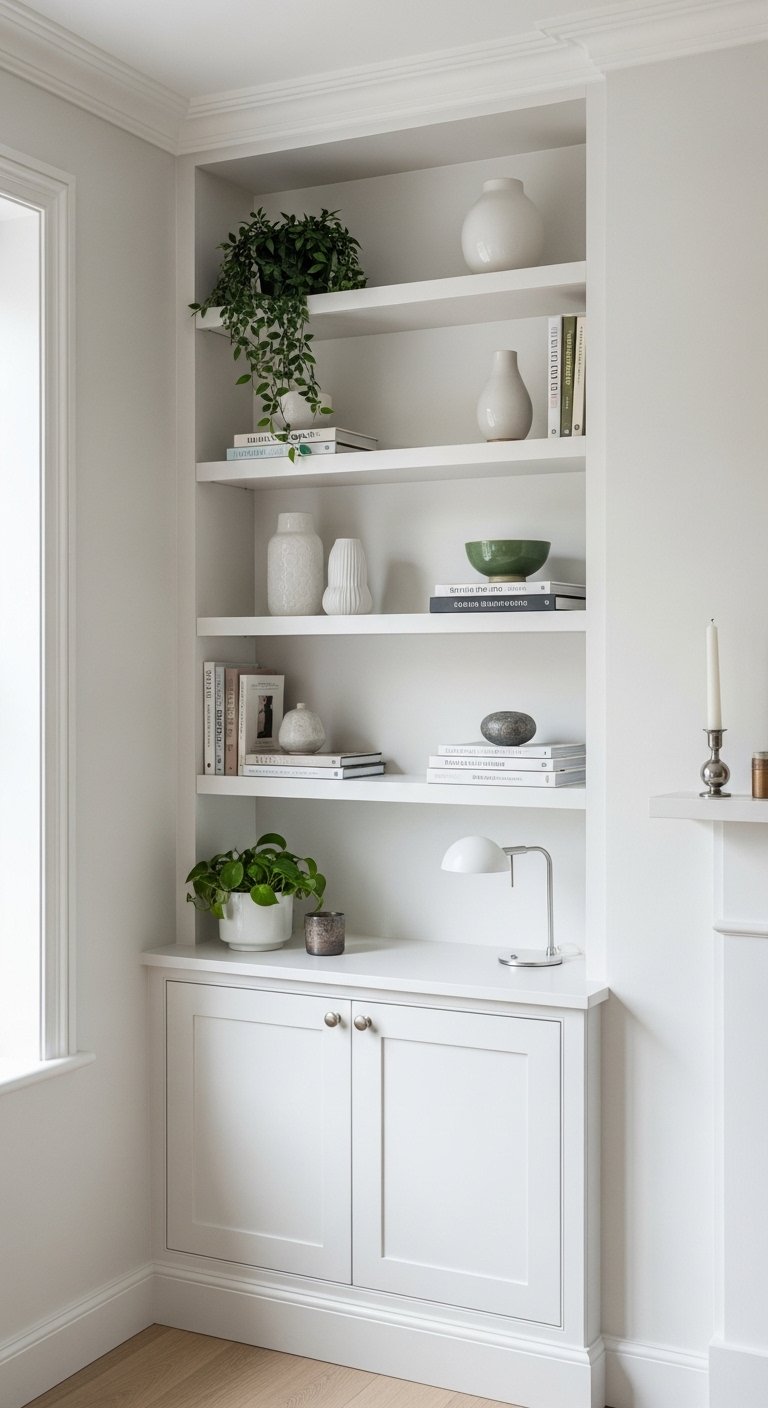
Built-in shelving and cabinetry uses wall space that freestanding furniture never fully exploits. Alcove shelving beside a chimney breast, built-in cabinetry under a window seat, or a full wall of built-in shelving all maximize storage without consuming additional floor area.
Built-in storage looks more intentional than freestanding furniture and adds genuine value to a property. Paint built-ins the same color as the walls to make them feel like an architectural feature rather than added furniture.
23. Style with Texture Over Pattern
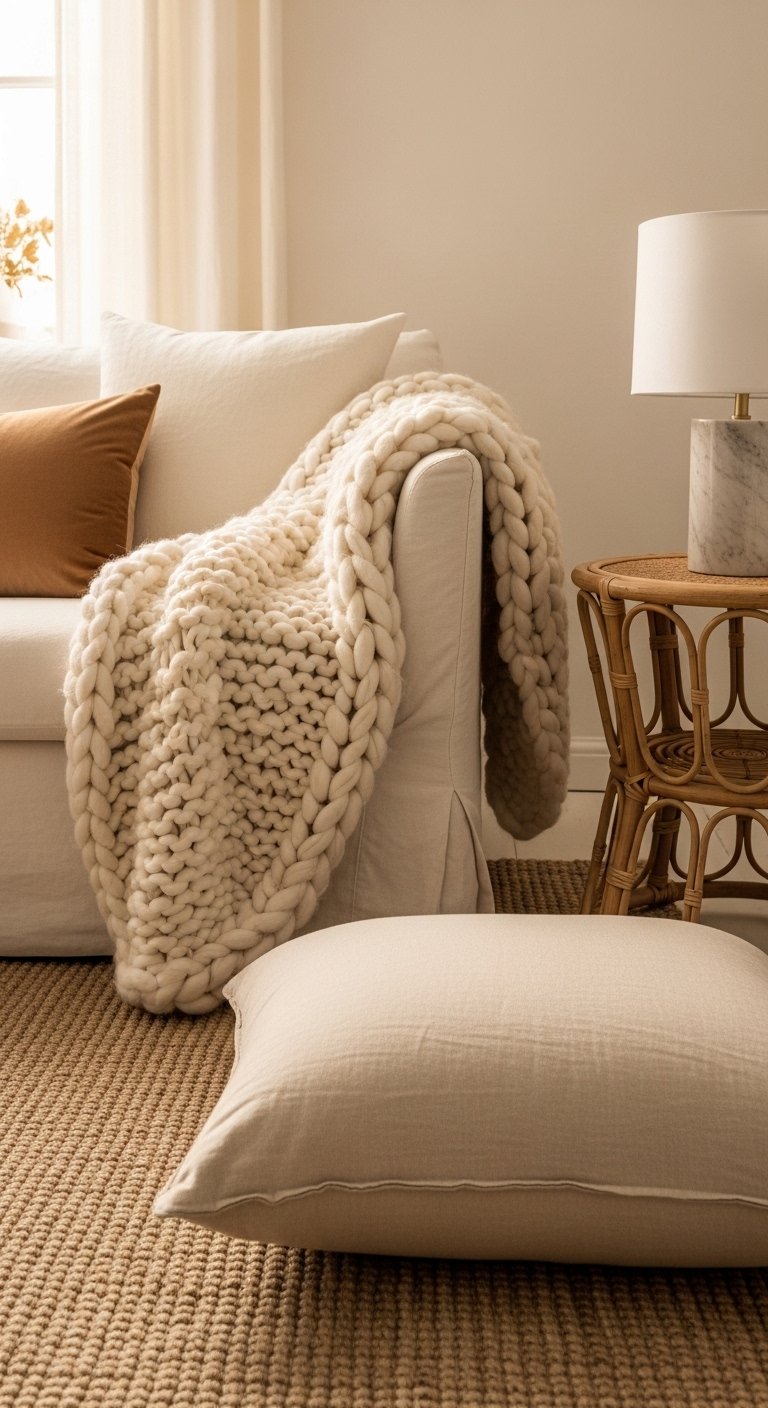
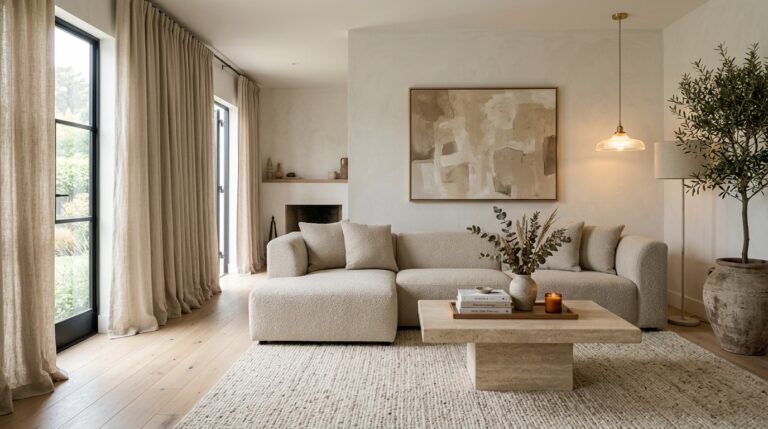
In a small living room with a tight color palette, texture creates visual interest without adding color complexity or visual noise. Linen cushions, a chunky knit throw, a jute rug, a velvet accent chair, and a marble side table all add richness through material rather than color.
FYI, texture is what separates a small living room that looks considered from one that looks bland. A room in all white with five different textures feels far more interesting than a room with five colors and no texture variation. Texture adds depth that photographs well and feels even better in person.
Textures that work well together in a small living room:
- Linen sofa with velvet cushions
- Jute rug with a chunky knit throw
- Marble side table with a ceramic lamp base
- Rattan armchair with linen cushions
- Smooth painted walls with a textured wallpaper accent wall
How to Plan a Small Living Room
Apply these three filters to every decision before buying anything:
Does it serve more than one function? Single-function furniture wastes floor space. Every piece should earn its place twice.
Does it show more floor than it hides? Visible floor creates perceived space. Furniture that sits low and wide hides floor and compresses the room.
Does it fit the color palette? One item that breaks the palette pulls focus from everything else. Cohesion creates calm. Chaos creates compression.
Common Small Living Room Mistakes
- Oversized sofa. The sofa should fit the room, not dominate it.
- Rug too small. Size up always. A small rug shrinks the room.
- Too many accent colors. Stick to three to four tones maximum.
- All furniture against the walls. Float pieces slightly inward for depth.
- One overhead light only. Layer lighting at multiple heights.
- No vertical elements. Use height with tall shelving, high curtains, and tall plants.
Final Thoughts
A small living room is not a design limitation. It’s a design brief. The 23 ideas above give you everything you need to make a small space feel intentional, warm, and genuinely comfortable.
Start with the changes that solve your biggest problem. Wrong-sized sofa, bad rug, poor lighting. Fix those three and the room transforms before you touch anything else.
Small rooms done well always impress more than large rooms done carelessly. That’s the advantage you have. Use it. :/