23 Backyard Garden Ideas to Transform Your Outdoor Space
Your backyard sits there every day doing absolutely nothing. No shade, no colour, no reason to go outside unless you’re taking out the trash. Sound familiar?
The good news: you don’t need a landscaper, a big budget, or a green thumb to fix that. These 23 backyard garden ideas solve real problems, from dead grass to zero privacy to a patio that looks like a parking lot. Pick the ones that match your space and your budget, and start there.
1. Build Raised Garden Beds for Instant Structure
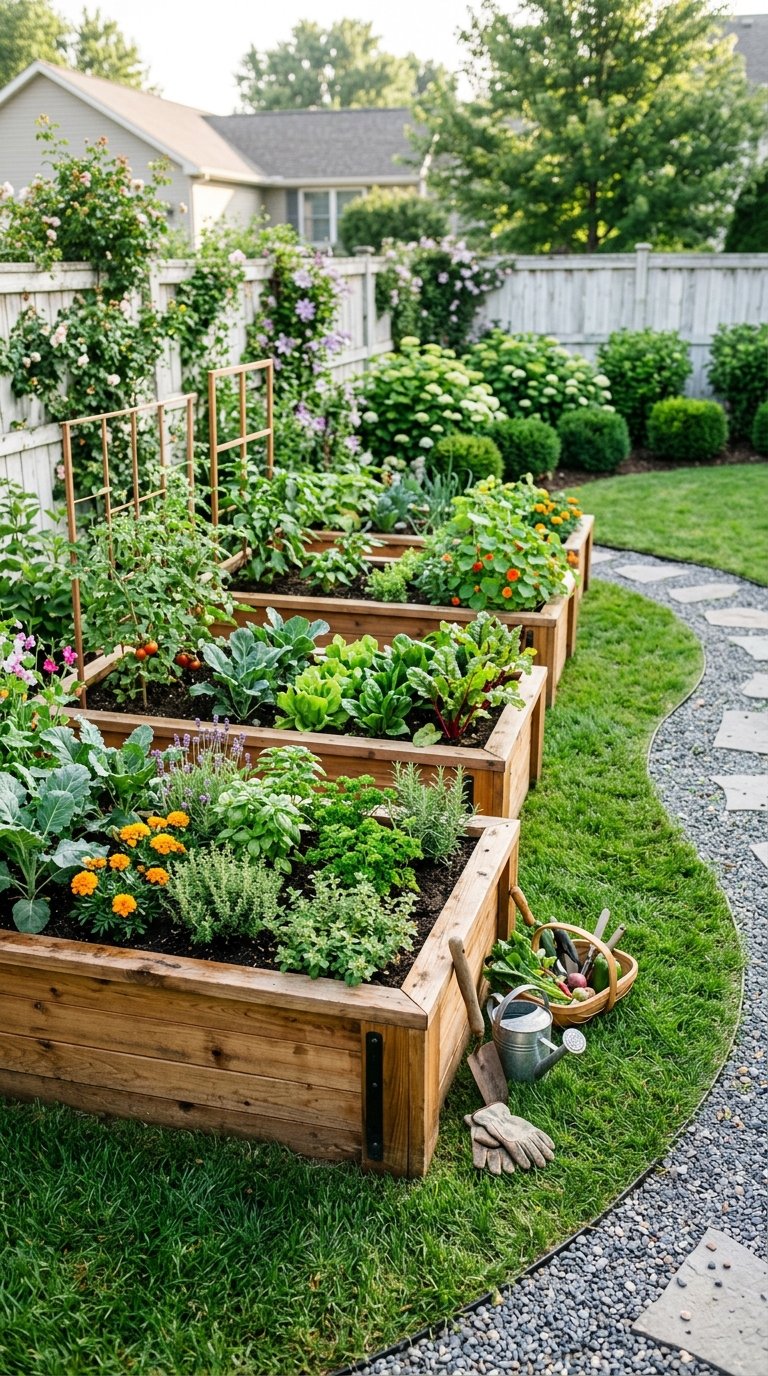
Raised beds transform a flat, featureless backyard into a garden that looks designed from day one. Cedar raised bed kits from brands like Vego Garden or Greenes Fence cost $80 to $300 and assemble in under two hours.
The elevated soil warms faster in spring, drains better than ground soil, and keeps weeds significantly more manageable. If your backyard has poor or compacted soil, raised beds bypass that problem entirely by giving you a fresh start with quality fill.
2. Plant a Privacy Hedge Instead of Building a Fence
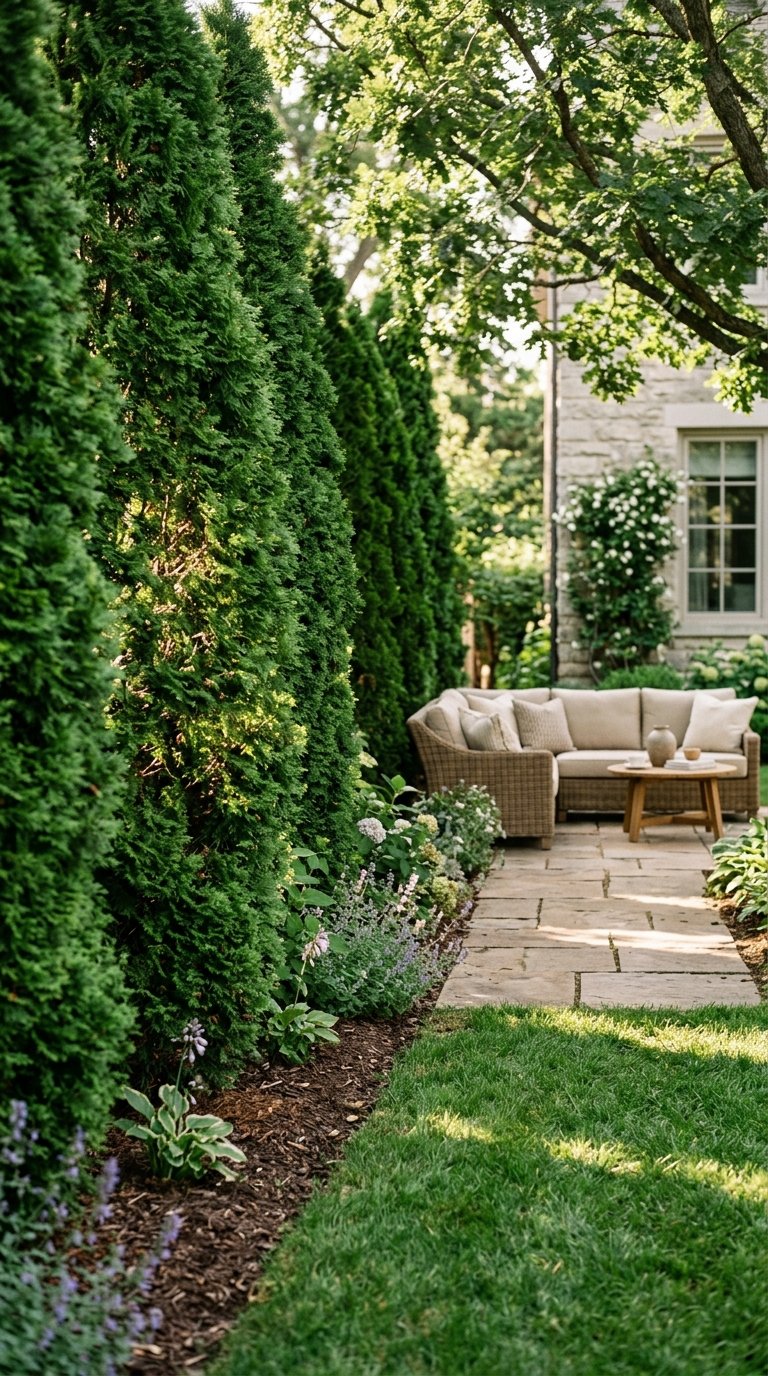
A wooden privacy fence costs $15 to $30 per linear foot installed. An Emerald Green arborvitae hedge costs $25 to $60 per plant and reaches 8 to 10 feet tall within three to four years.
The hedge gives you the same privacy with better wind buffering, zero maintenance rot, and a living wall that improves every year. Plant arborvitae 3 feet apart in a single row and water weekly for the first season. After that, they largely take care of themselves.
3. Add a Gravel Path Between Garden Zones
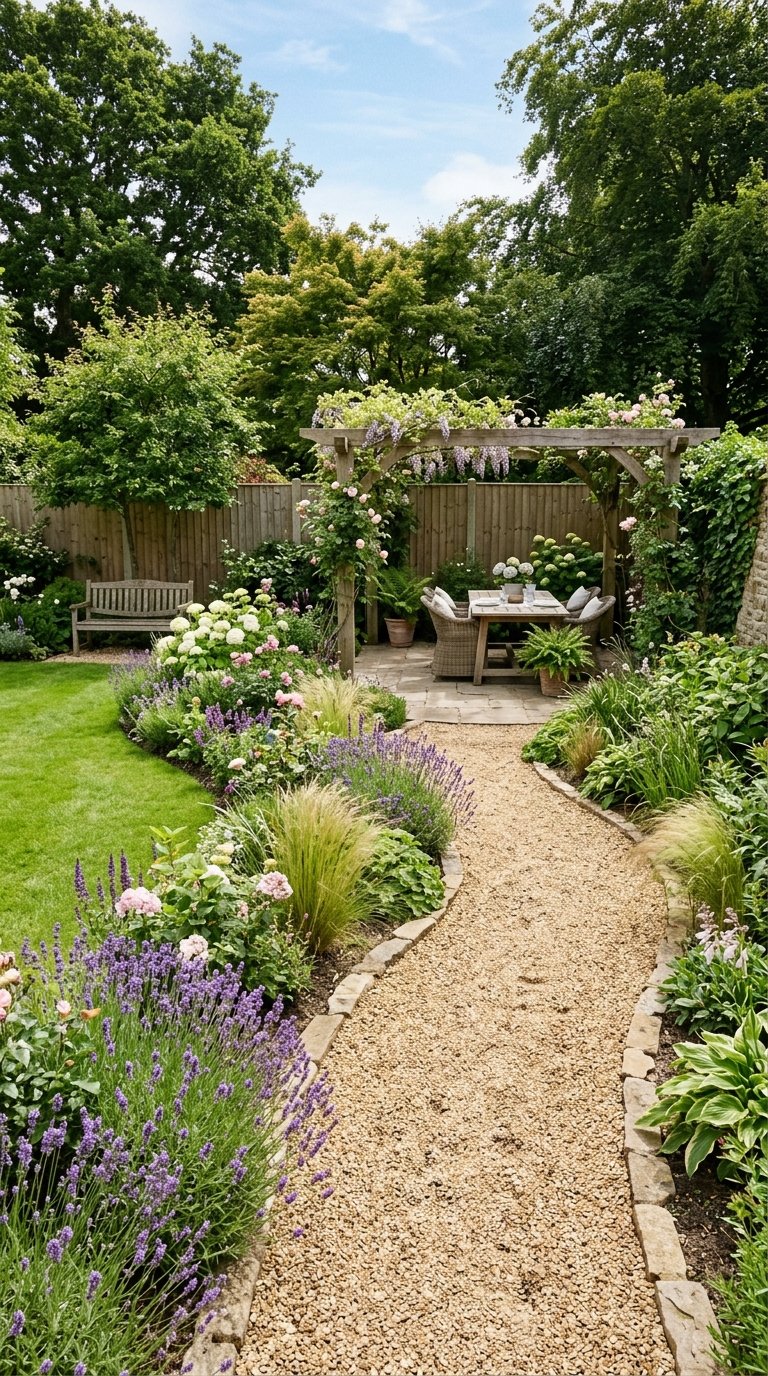
A gravel path costs $1 to $3 per square foot in materials and takes a weekend to install with basic tools. It defines separate garden zones (lawn, beds, patio) and gives the backyard a structured layout even when plants are still small.
Decomposed granite and pea gravel are the two most practical options. Pea gravel stays in place better on flat ground; decomposed granite compacts firmly and suits high-traffic paths between areas.
4. Create a Herb Garden in a Tiered Planter
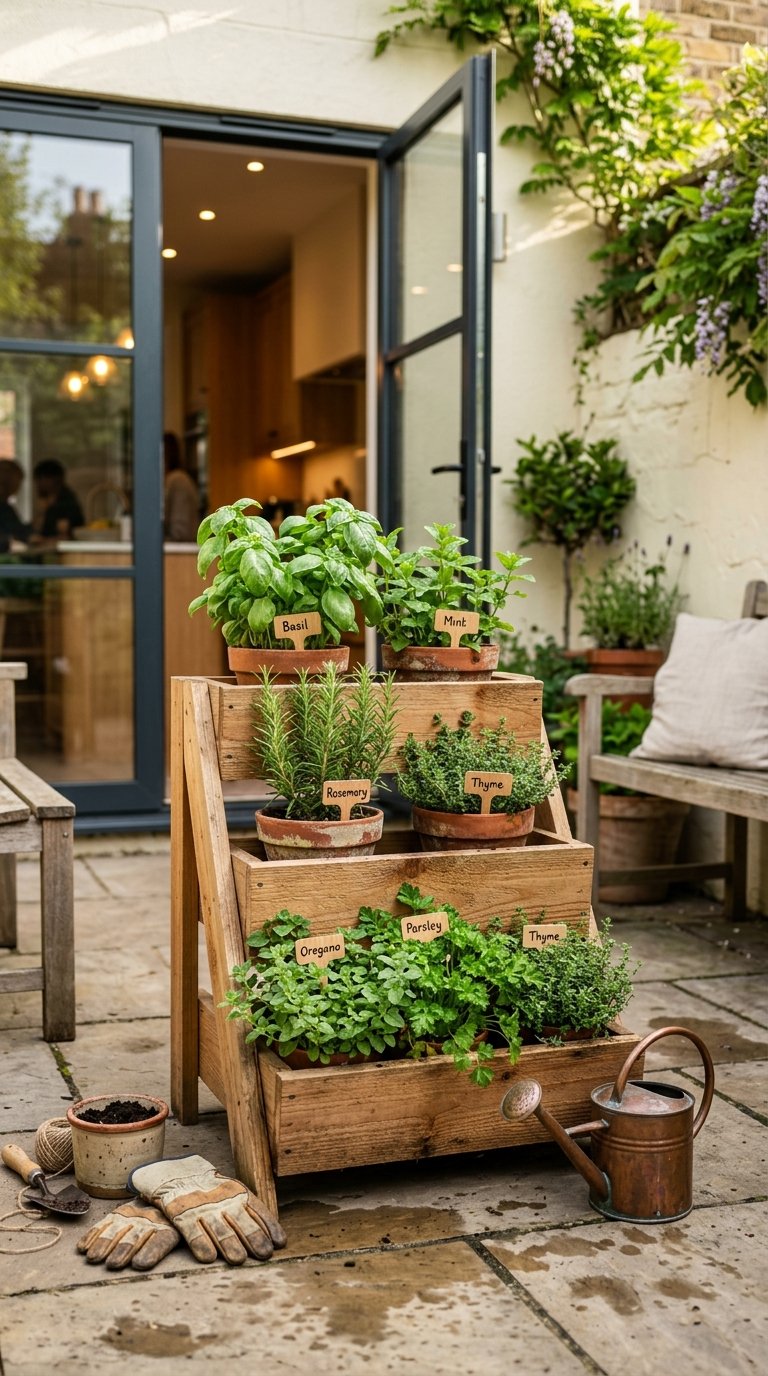
A tiered wooden or terracotta planter keeps basil, rosemary, thyme, mint, and oregano within arm’s reach of your kitchen door. Three-tier planters cost $40 to $150 and fit on a patio, deck, or even a balcony railing.
Herb gardens return more value per square foot than any other backyard garden idea on this list. You grow food you use weekly, the planters look good year-round, and the whole setup takes 30 minutes to assemble and plant.
5. Install a Drip Irrigation System Before You Plant Anything
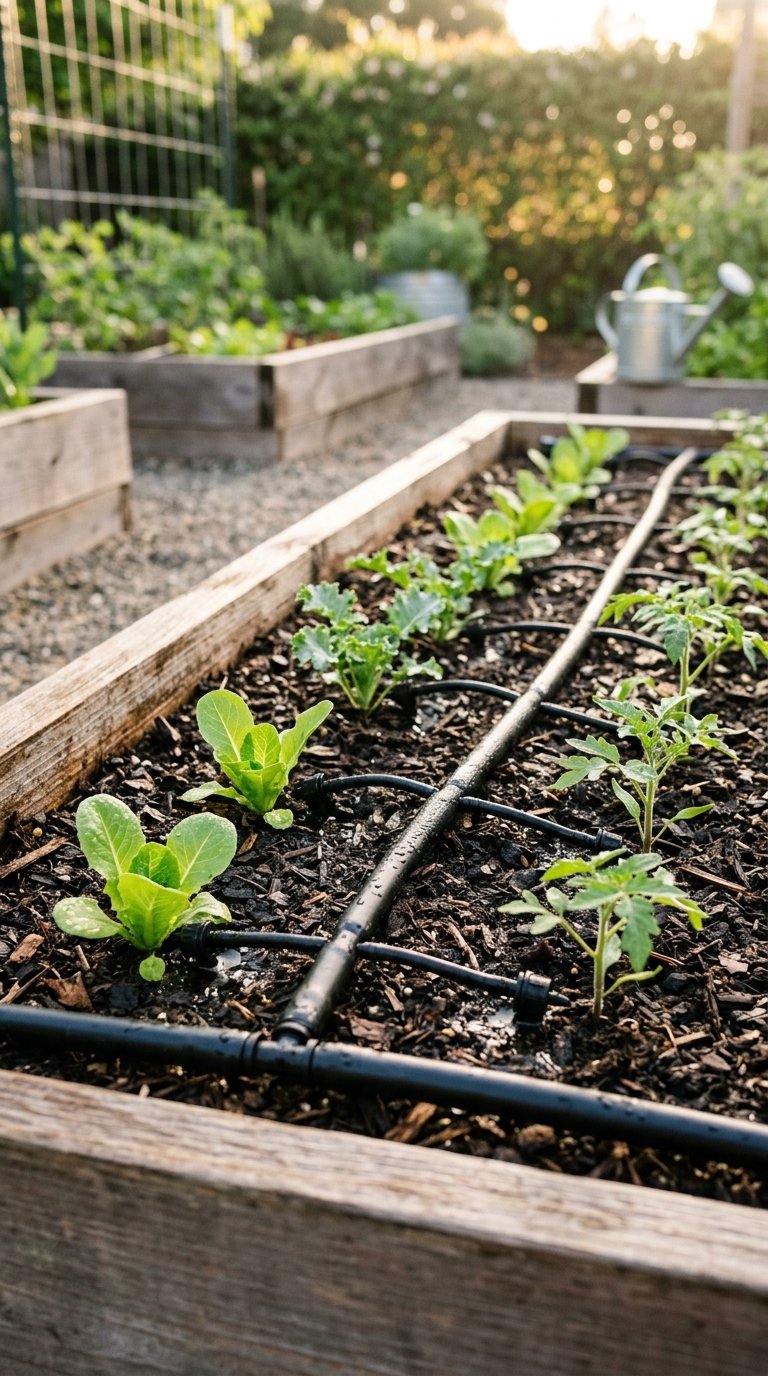
Most backyard gardens fail not from poor plant selection but from inconsistent watering. A drip irrigation kit with a timer costs $50 to $150 and delivers water directly to root zones, cutting water use by up to 50 percent compared to sprinkler systems.
Install the system before you plant so you’re not digging around established roots later. Set the timer for early morning watering and your garden survives summer heat without daily manual effort.
6. Use Vertical Garden Panels on Fences and Walls
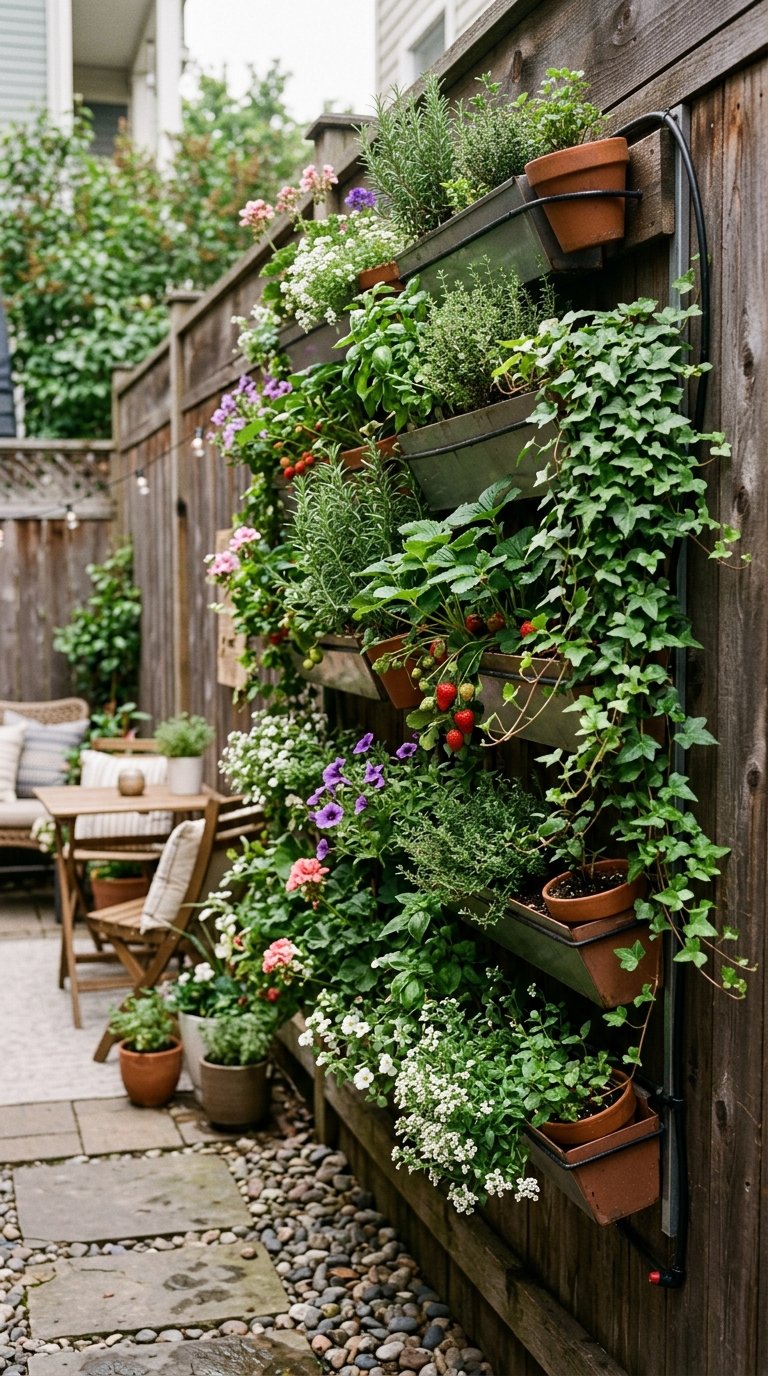
A blank fence wall wastes vertical space that could hold strawberries, succulents, herbs, or trailing flowers. Vertical garden panel systems like Woolly Pockets or modular pocket planters mount directly to fence posts and cost $30 to $120 for a 4-foot section.
This idea works especially well in narrow backyards where ground space is limited. A 6-foot fence with two vertical panels gives you roughly 24 square feet of growing space without touching the ground at all.
7. Plant a Wildflower Meadow Section
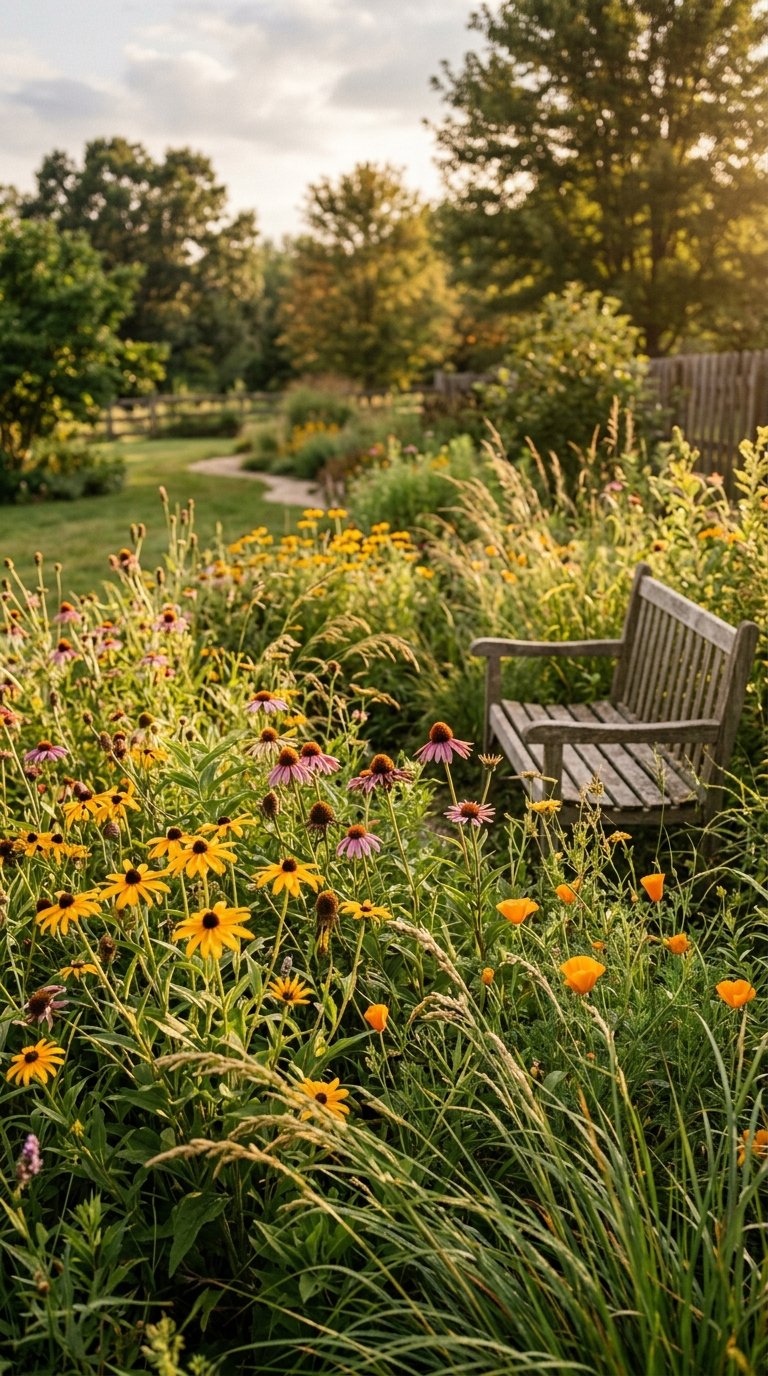
A 100-square-foot wildflower meadow costs $10 to $30 in seed mix and requires almost zero maintenance after establishment. Wildflower mixes that include black-eyed Susans, coneflowers, and California poppies bloom from late spring through early fall.
Wildflower sections attract pollinators that benefit every other plant in your backyard garden. They also solve the problem of a difficult corner or slope where lawn grass refuses to grow properly. IMO, this is the highest-return, lowest-effort backyard garden idea on the entire list. 🙂
8. Build a Compost Station in a Back Corner
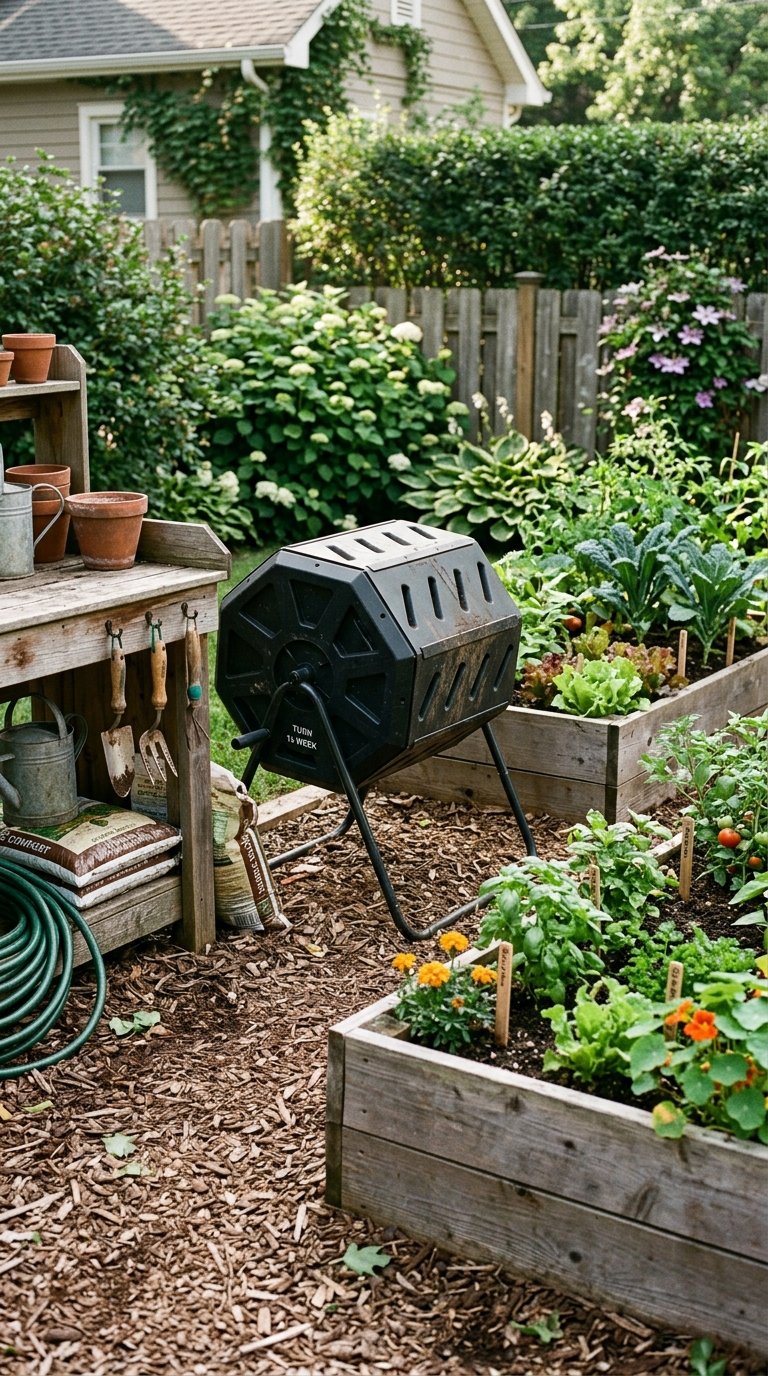
A compost bin turns kitchen scraps and garden waste into free fertiliser within 8 to 12 weeks. Tumbler-style composters cost $80 to $200 and keep the process contained, odor-managed, and pest-resistant compared to open pile composting.
Place the bin in a back corner near your garden beds to keep the carry distance short. A working compost system eliminates the need for store-bought fertiliser, which saves $50 to $150 per growing season.
9. Add a Water Feature for Sound and Atmosphere
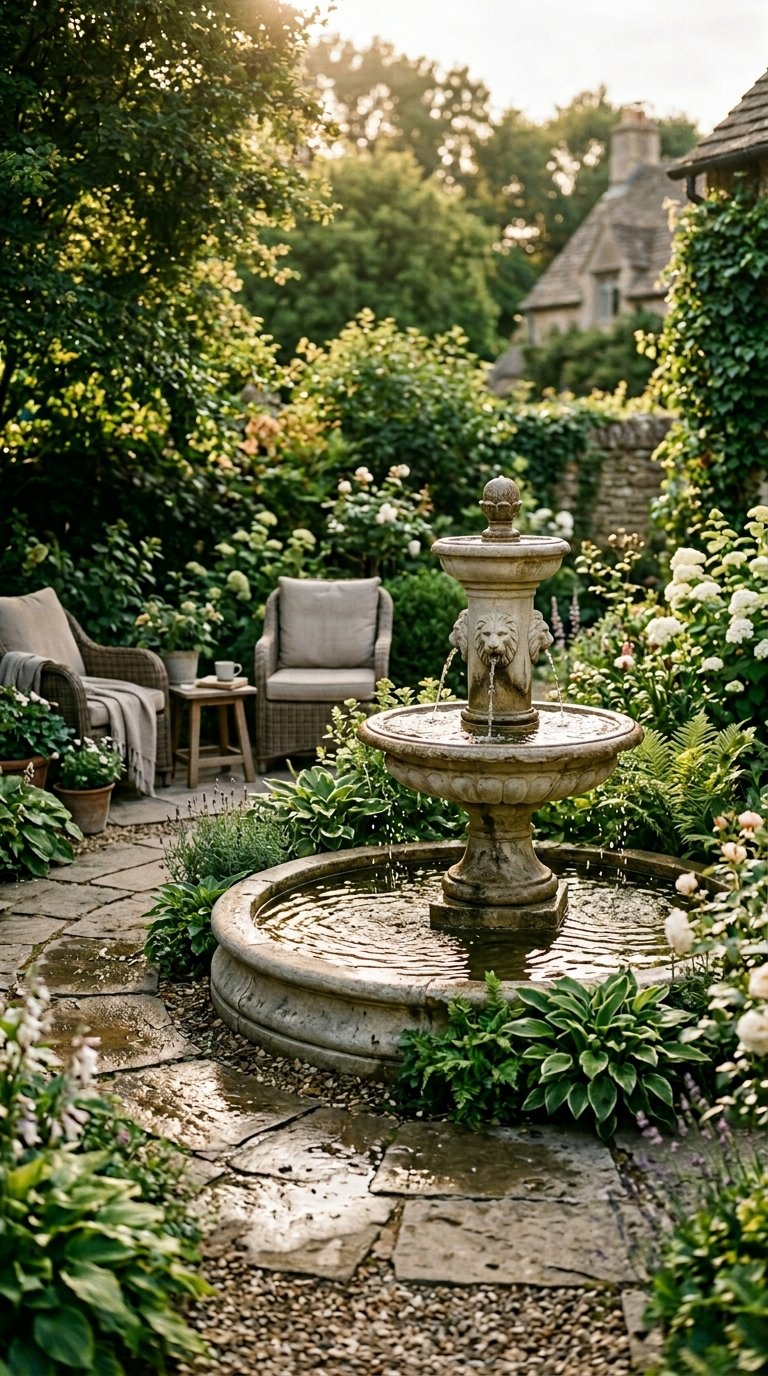
A small freestanding fountain or recirculating water bowl costs $80 to $400 and transforms the backyard atmosphere more than almost any plant or structure. The sound of moving water masks street noise and neighbour activity, making the space feel genuinely private.
Solar-powered fountain pumps eliminate the need for an outdoor electrical connection. Place the feature near your seating area where you’ll hear it most.
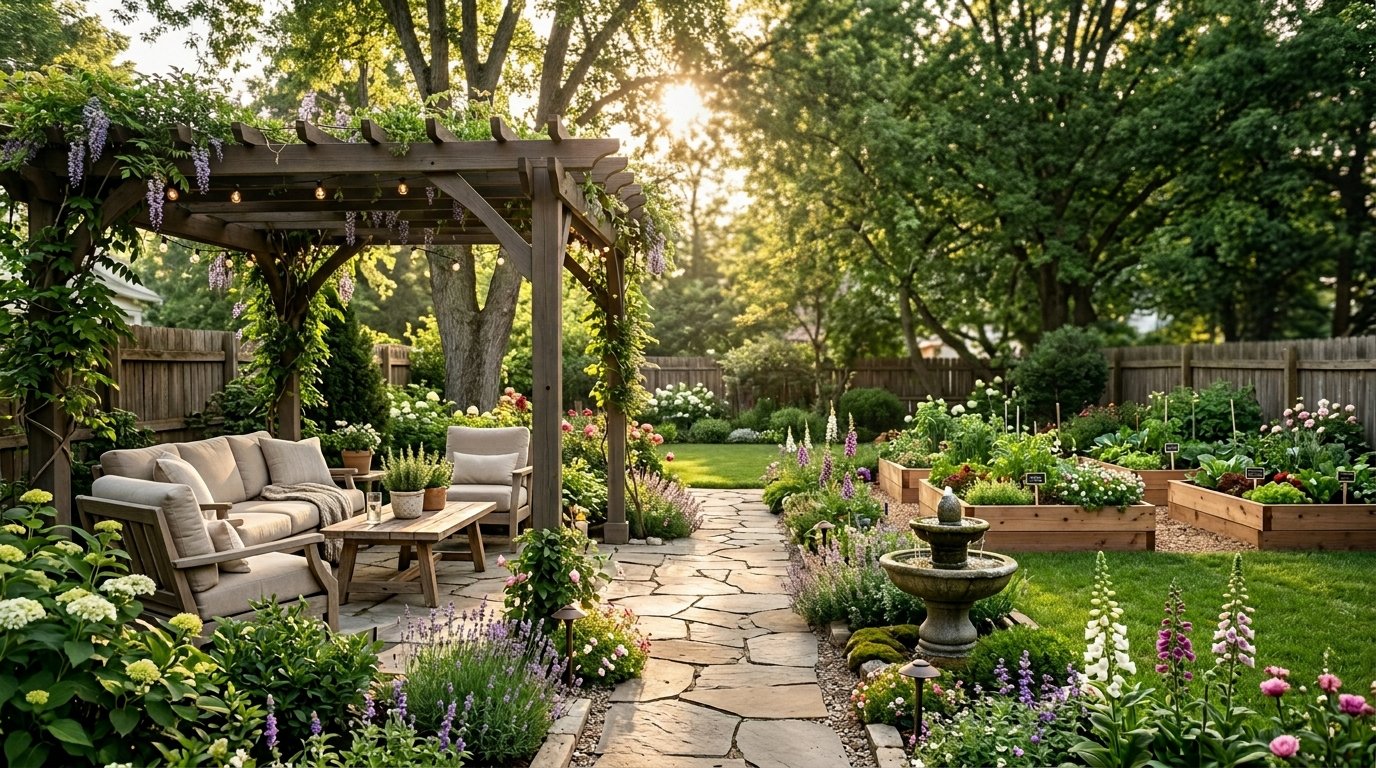
10. Create a Shaded Seating Area with a Pergola
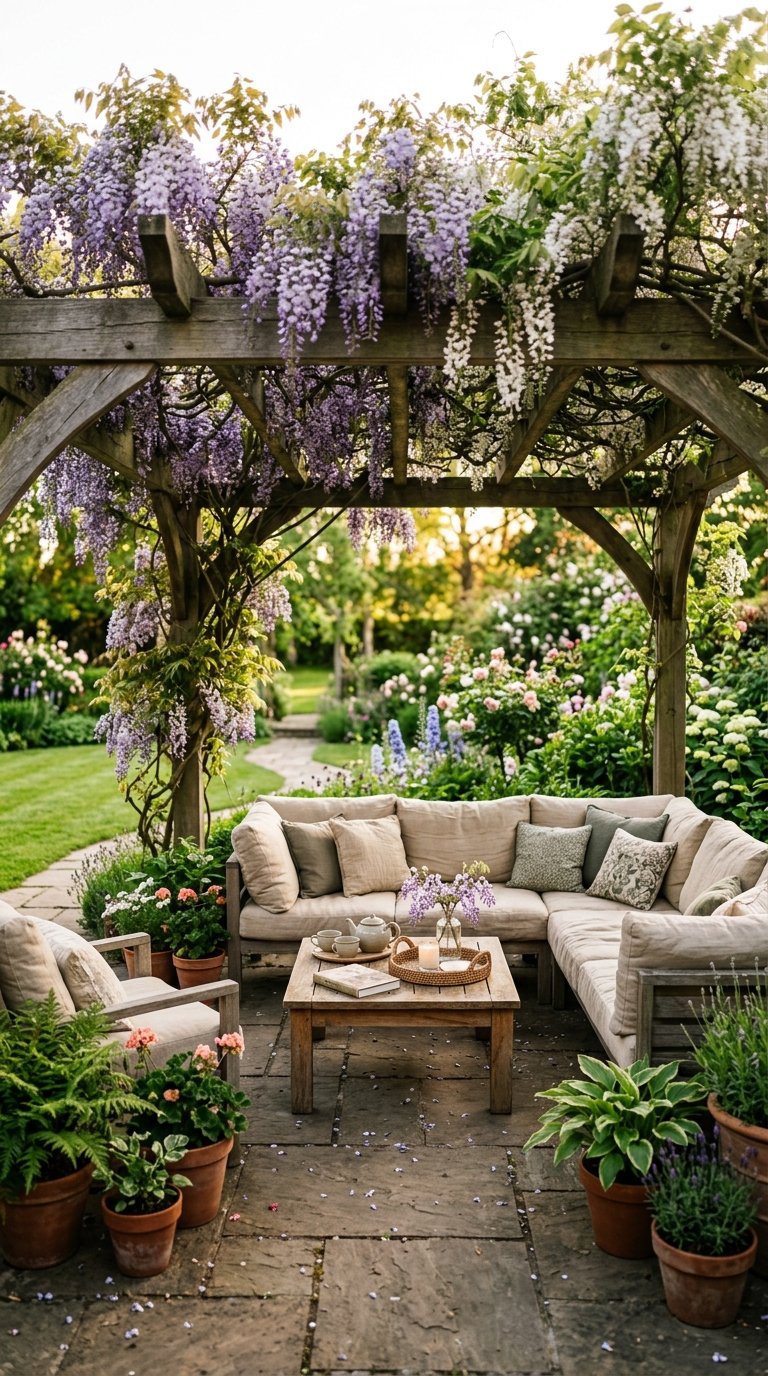
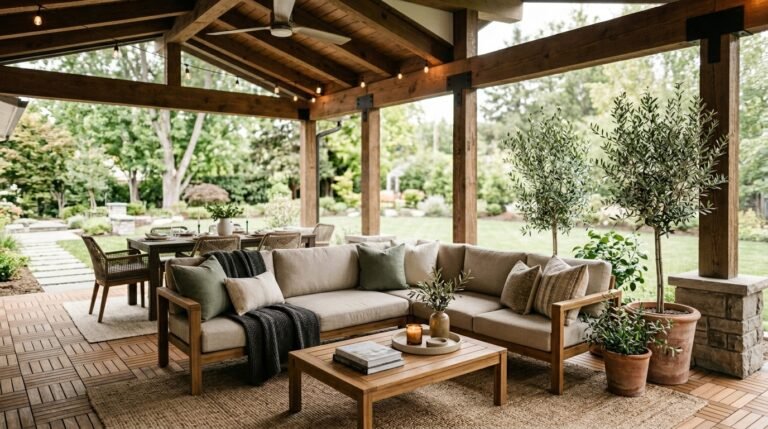
A pergola creates an outdoor room that makes your backyard feel intentional and liveable. Freestanding pergola kits cost $500 to $3,000 depending on size and material, and most assemble over a weekend with basic tools.
Train a wisteria, climbing rose, or passionflower vine up the pergola posts for natural shade within two growing seasons. The vine eventually covers the structure and creates a canopy you don’t need to maintain or replace.
11. Plant a Fruit Tree as a Long-Term Anchor
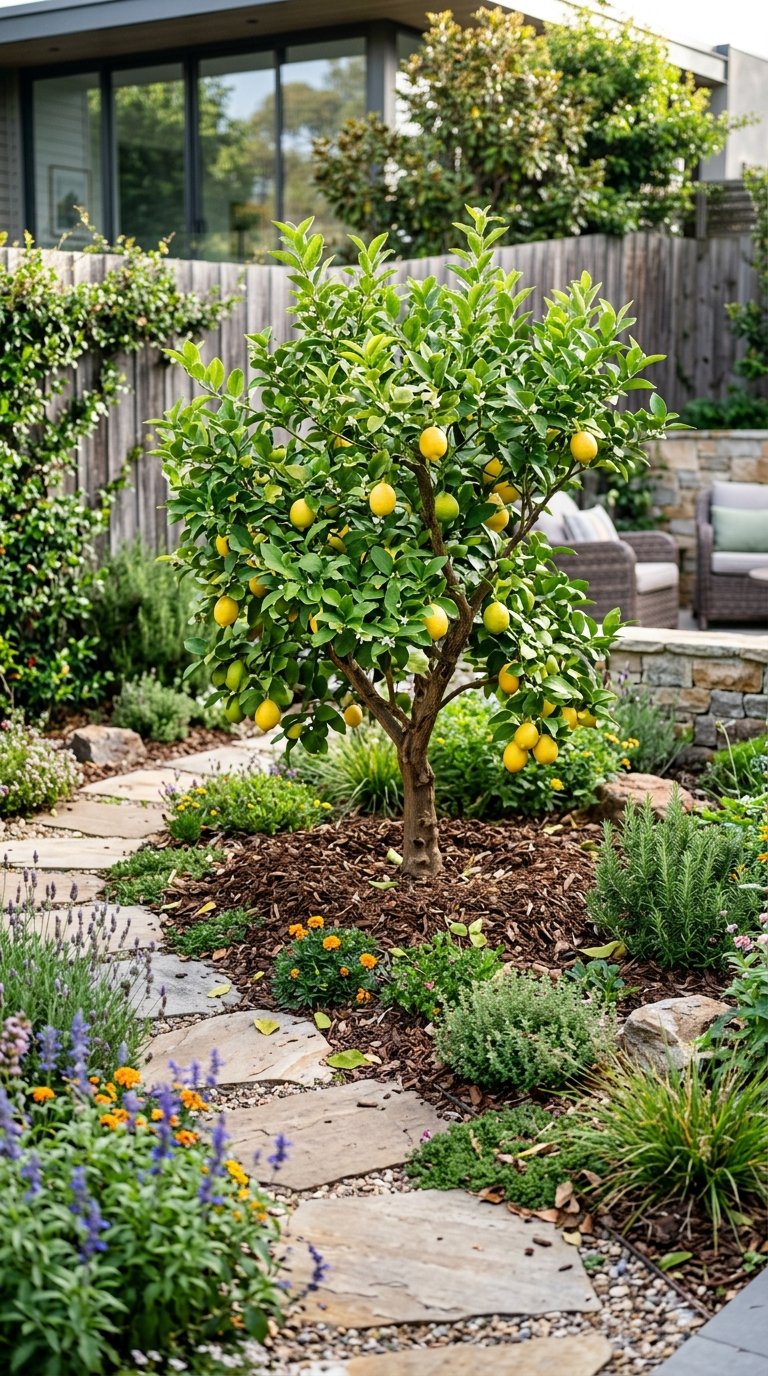
A single dwarf apple, lemon, or fig tree costs $40 to $120 at a garden centre and produces fruit within two to three years. Fruit trees anchor a backyard garden visually while delivering real, edible return on the investment.
Dwarf varieties stay under 10 feet tall and suit smaller backyards. Plant in a spot with at least six hours of direct sun daily and stake the tree for the first two years while the root system establishes.
12. Use Mulch Beds to Replace Difficult Lawn Areas
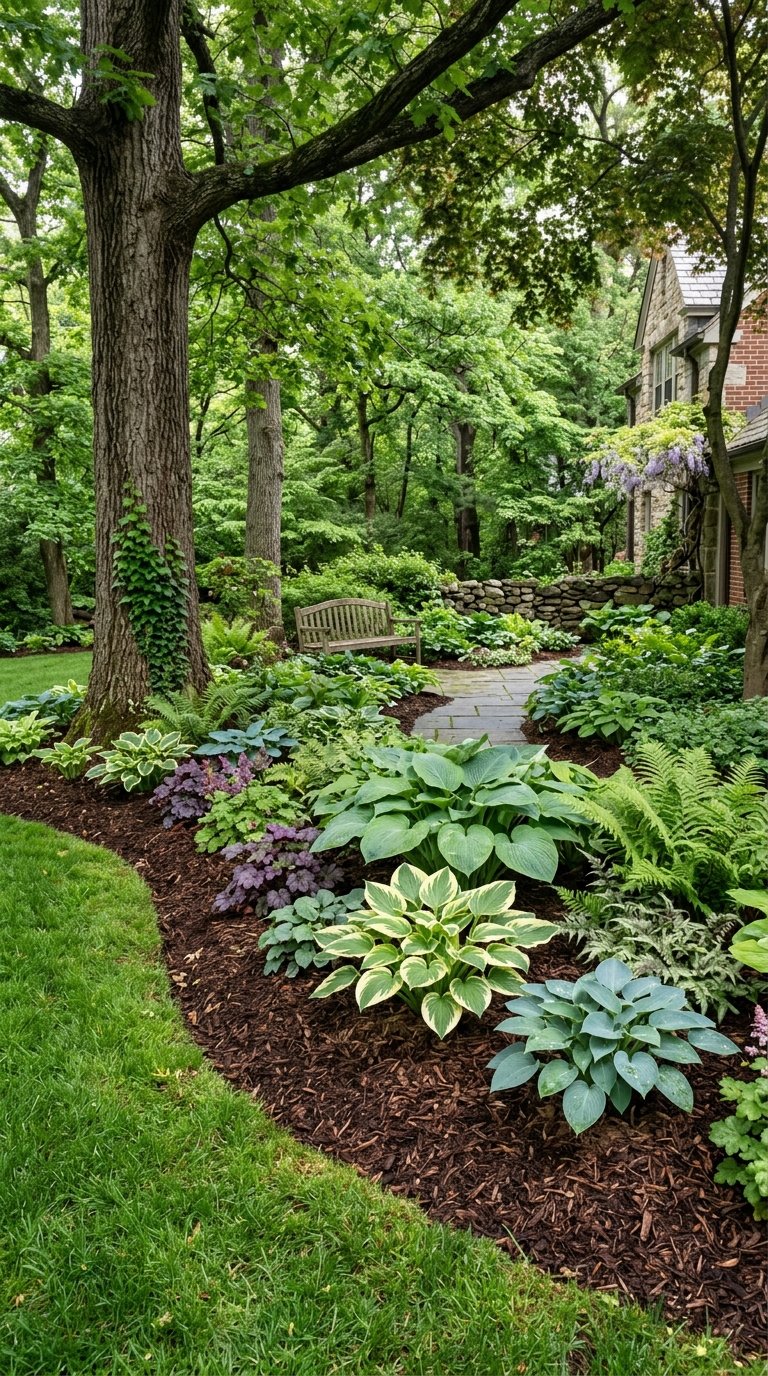
If a section of your lawn refuses to grow due to shade, tree roots, or poor drainage, replace it with a deep mulch bed planted with shade-tolerant ground covers like hostas, ferns, or liriope. Wood chip mulch costs $3 to $5 per cubic foot and suppresses weeds while improving soil over time.
A mulch bed requires no mowing, no fertilising, and no reseeding. It turns the most problematic part of your backyard into a low-maintenance garden zone that looks intentional.
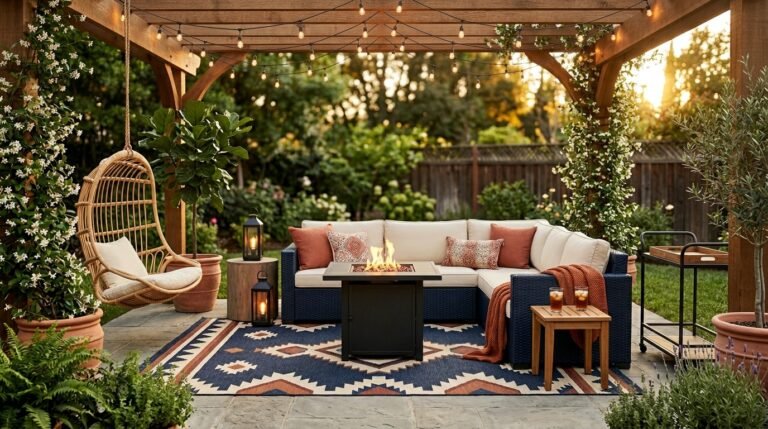
13. Build a Fire Pit Seating Circle
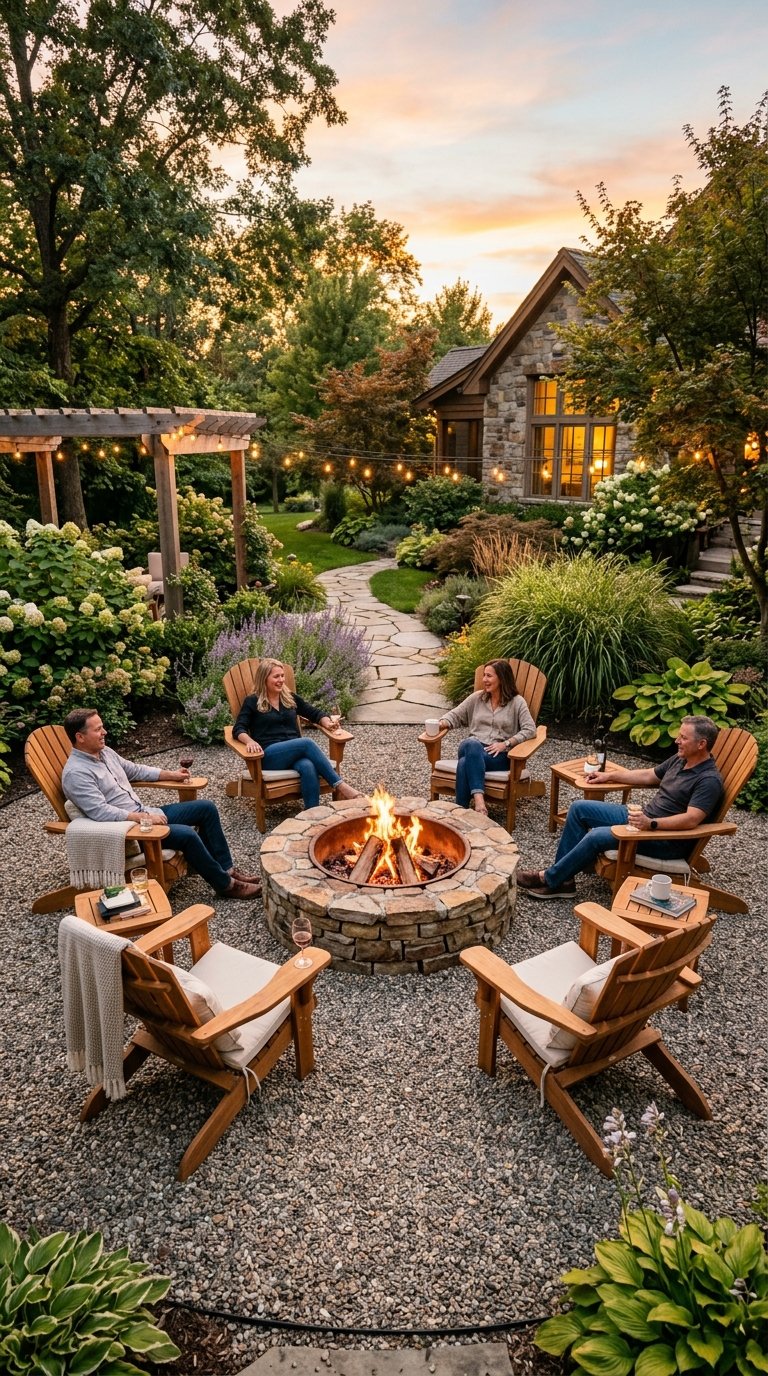
A fire pit ring costs $50 to $300 and becomes the social anchor of your backyard. Surround it with four to six simple Adirondack chairs or a curved concrete bench and you’ve created an outdoor room that gets used year-round.
Gravel or flagstone under the seating circle prevents mud and grass damage from heavy foot traffic. A 12-foot diameter circle with a central fire pit gives comfortable seating for six adults.
14. Plant a Cutting Garden for Fresh Flowers Indoors
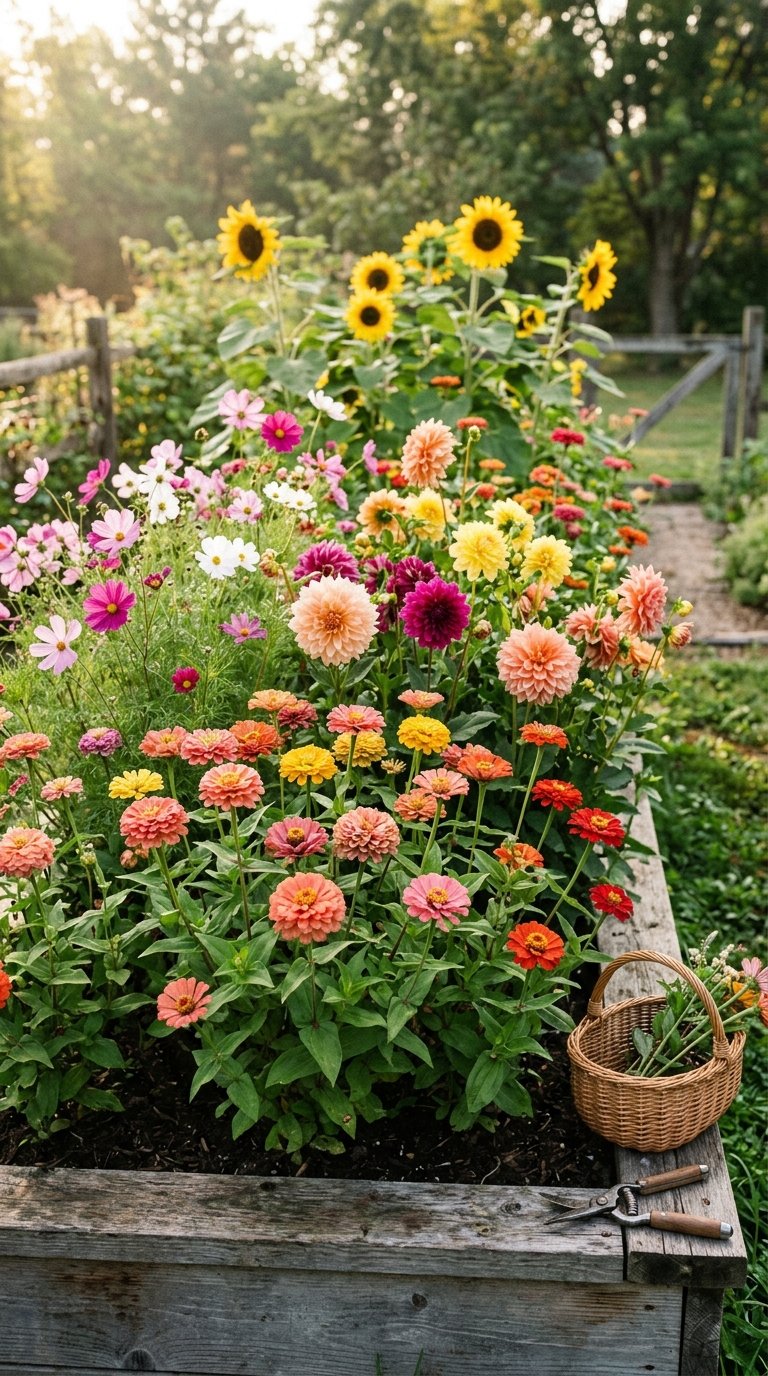
A cutting garden grows flowers specifically for bringing inside. Zinnias, dahlias, sunflowers, and cosmos are the workhorses of a cutting garden because they bloom repeatedly when you cut them regularly.
A 4 x 8 foot raised bed dedicated to cutting flowers costs $30 to $80 in seeds and seedlings and produces weekly bouquets from June through October. You stop buying flowers from the grocery store, and your backyard garden has a purpose beyond looking nice.
15. Install Landscape Lighting Along Paths and Beds
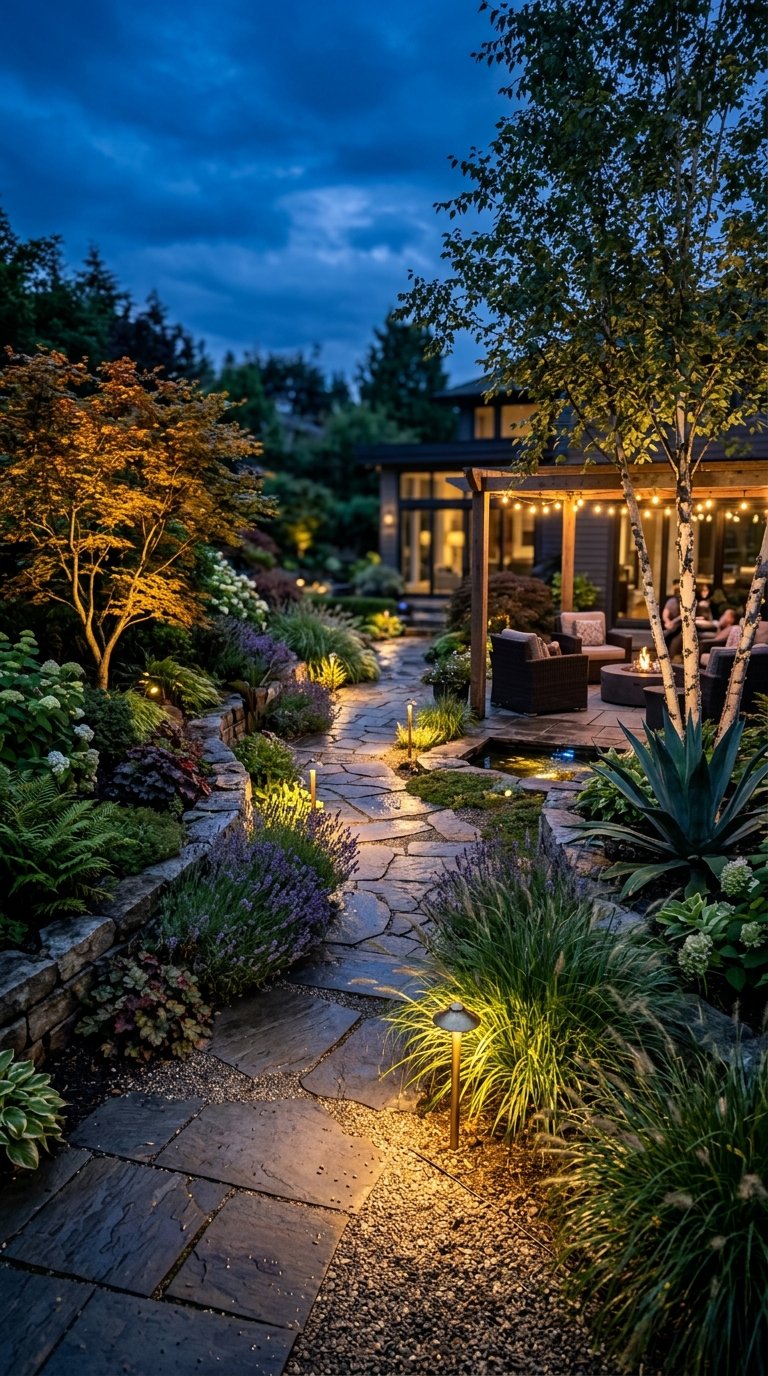
Solar path lights cost $20 to $80 for a set of eight and extend the usable hours of your backyard into the evening. Low-voltage LED landscape lighting (wired) costs $150 to $500 for a full system and provides more consistent, directed light than solar alternatives.
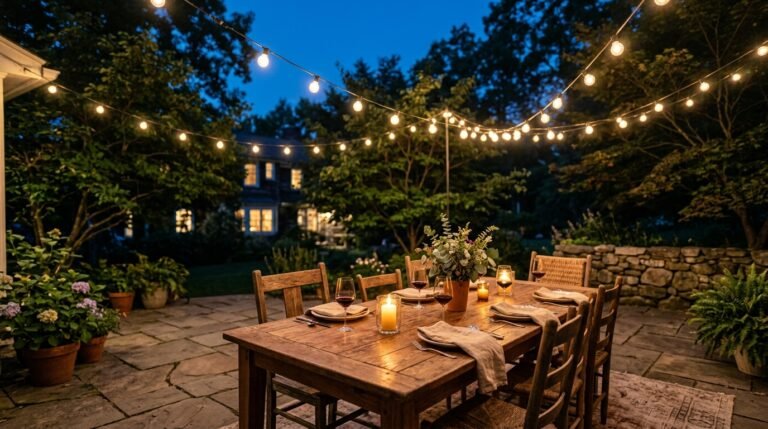
Place lights along path edges, at the base of feature plants, and near the seating area. Landscape lighting makes a well-planted backyard look genuinely dramatic after dark, which doubles the time you actually spend in it.
16. Create a Pollinator Garden with Native Plants
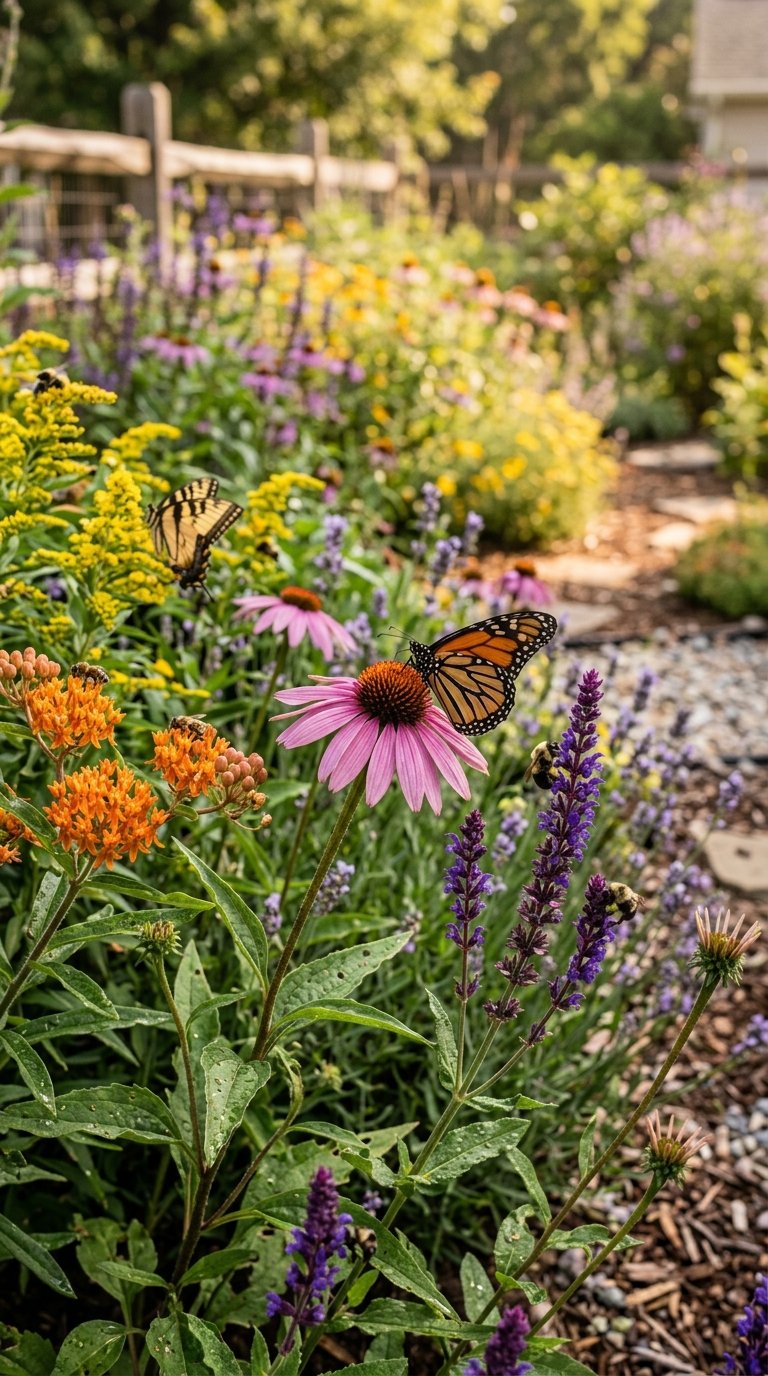
Native plants attract native bees, butterflies, and birds that struggle to find food in standard suburban gardens. A pollinator bed planted with milkweed, native coneflowers, salvia, and goldenrod costs $50 to $150 in plants and requires minimal watering once established.
Native plants evolved for your local climate, which means they survive drought and cold without intervention. This is the backyard garden idea that does the most ecological good while requiring the least work from you. FYI, native plant availability has expanded significantly, and most large garden centres now carry regional native selections.
17. Add Raised Stepping Stones Across a Lawn
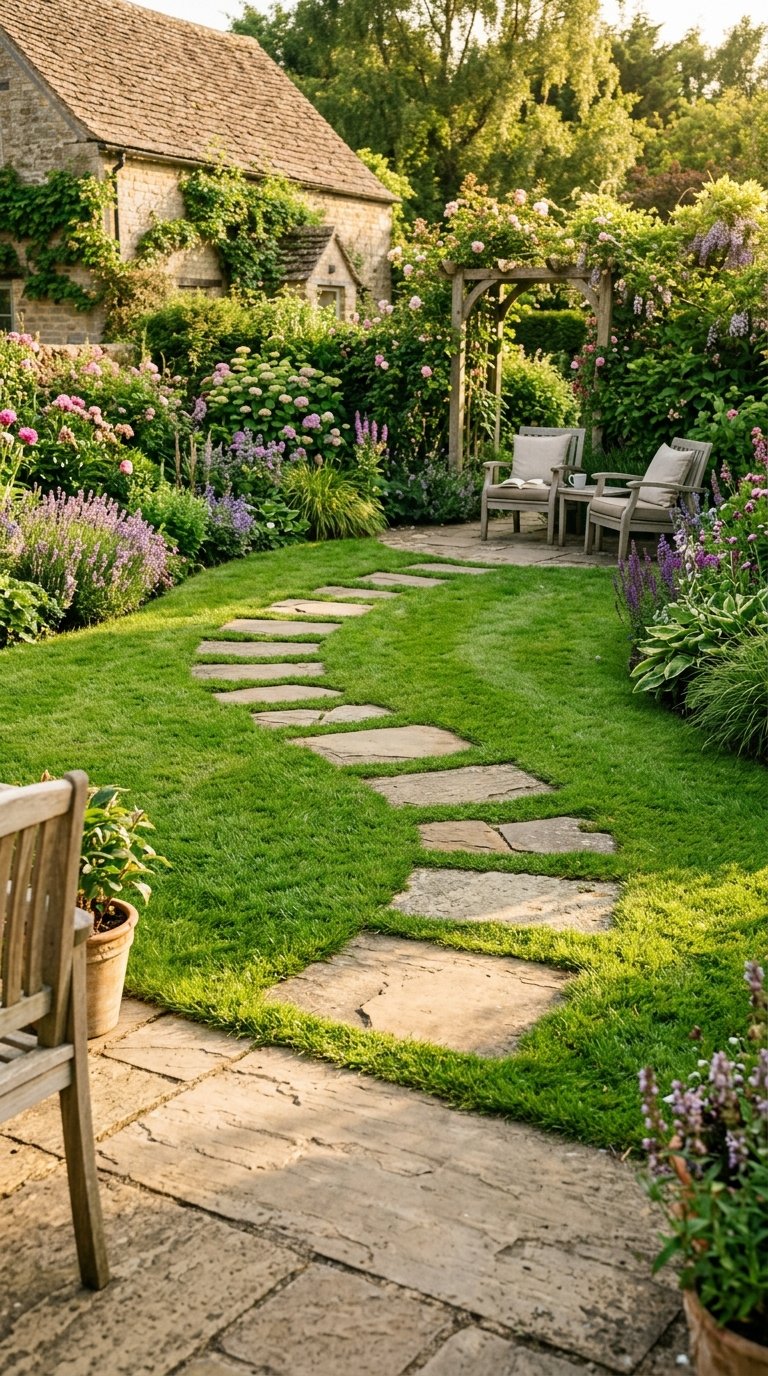
Stepping stones set into a lawn create a visual path that guides movement through the garden. Concrete or natural stone pavers cost $3 to $15 each, and a 20-foot path needs 12 to 15 stones spaced at a natural walking stride of 18 to 24 inches.
The path prevents lawn wear lines from foot traffic and gives the garden structure without any planting required. Set the stones slightly below the lawn surface so a mower passes over them without catching.
18. Plant a Container Garden on a Dead Concrete Patio
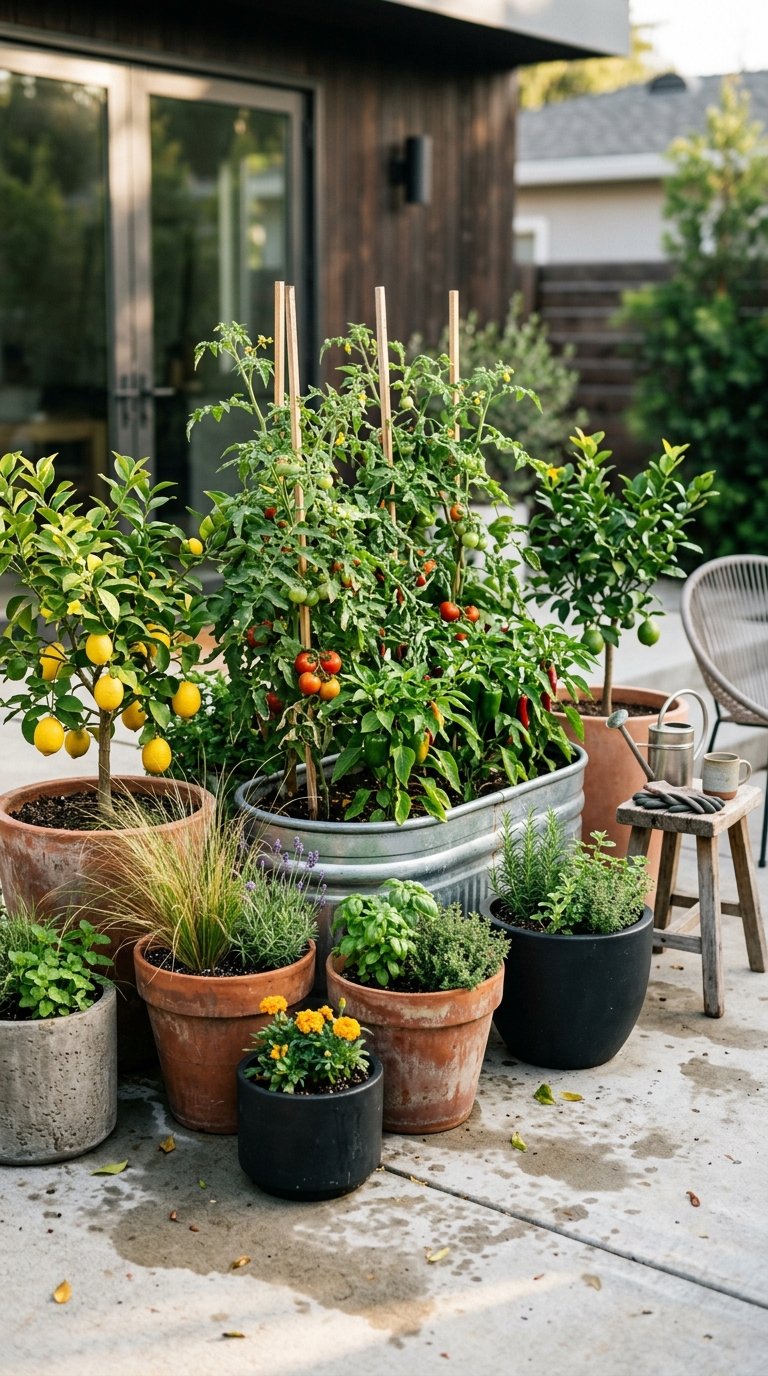
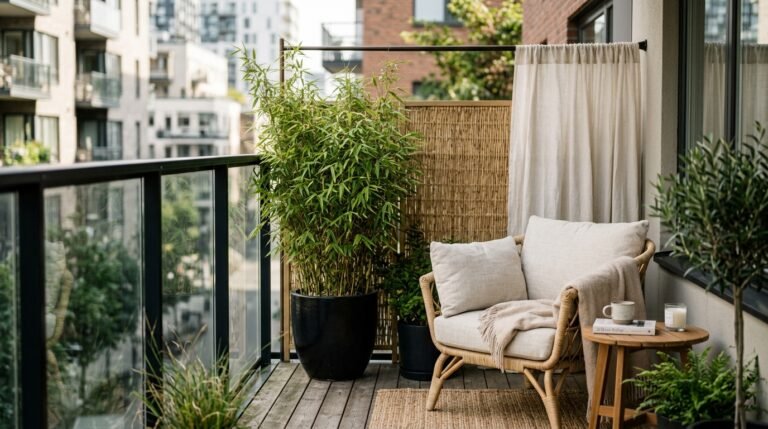
A concrete patio with no planting space becomes a garden with large containers. Ceramic, fibreglass, or galvanised steel planters (18 inches or larger) hold enough soil volume for tomatoes, peppers, dwarf citrus, or ornamental grasses.
Groupings of three to five containers in varying heights create the same visual depth as an in-ground garden bed. Move them seasonally, rearrange for parties, or bring frost-sensitive plants indoors. A container garden gives you total flexibility that in-ground planting never does. :/ Yes, containers dry out faster, but a drip line on a timer solves that completely.
19. Build a Trellis System for Climbing Plants
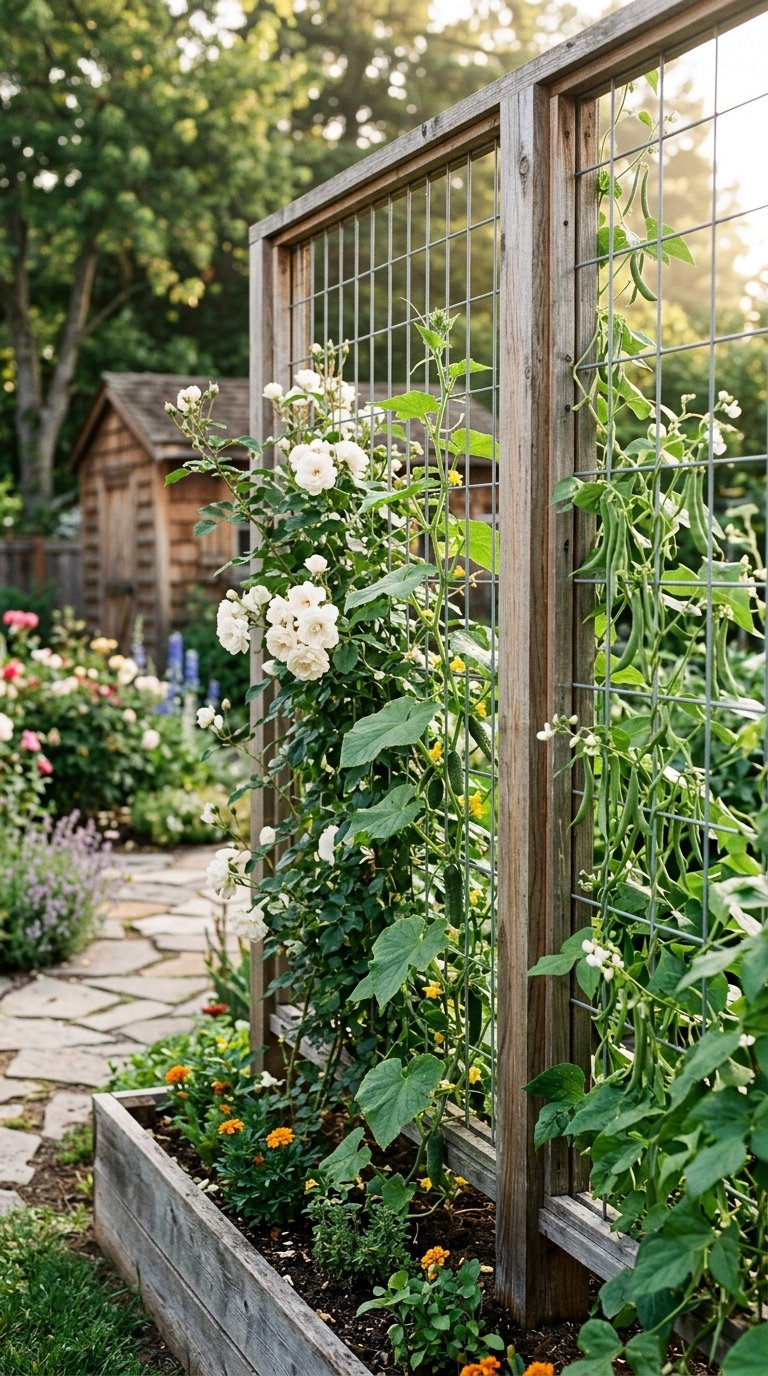
A simple trellis made from cedar posts and galvanised wire costs $30 to $100 and trains climbing plants to grow vertically rather than spreading across the ground. Cucumbers, beans, clematis, and climbing roses all perform better on a trellis than sprawling without support.
A trellis also creates a visual screen between zones in the backyard. Position one between your vegetable garden and seating area for a green wall that produces food or flowers while dividing the space.
20. Create a Sensory Garden Corner
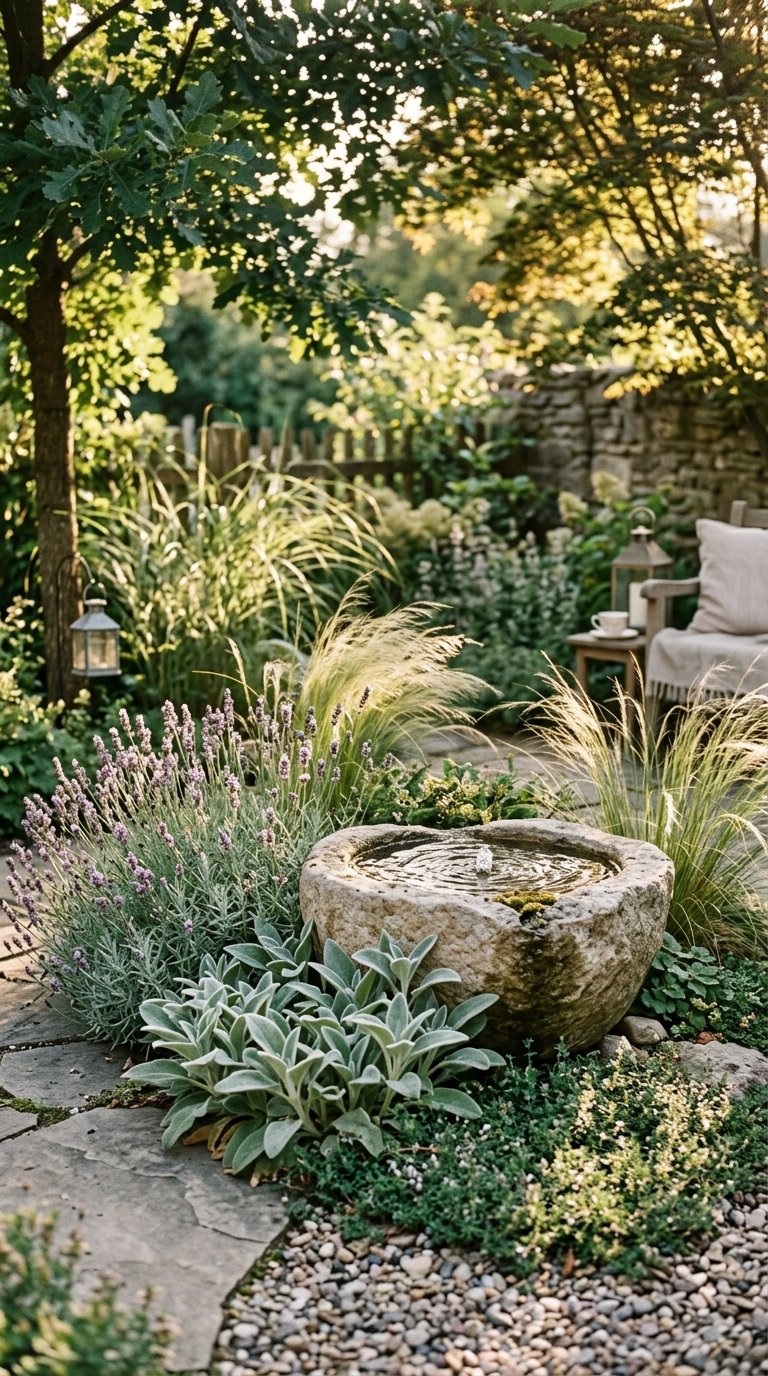
A sensory garden focuses on touch, scent, and sound rather than just visual appearance. Plant lamb’s ear (soft texture), lavender (scent), ornamental grasses (sound in wind), and include a small fountain (water sound) in a dedicated 6 x 6 foot corner.
This idea works especially well in family backyards with young children who engage with the garden through touch and smell before they notice colour. It also creates a genuinely calming corner that adults use for the same reason.
21. Install a Greenhouse or Cold Frame for Year-Round Growing
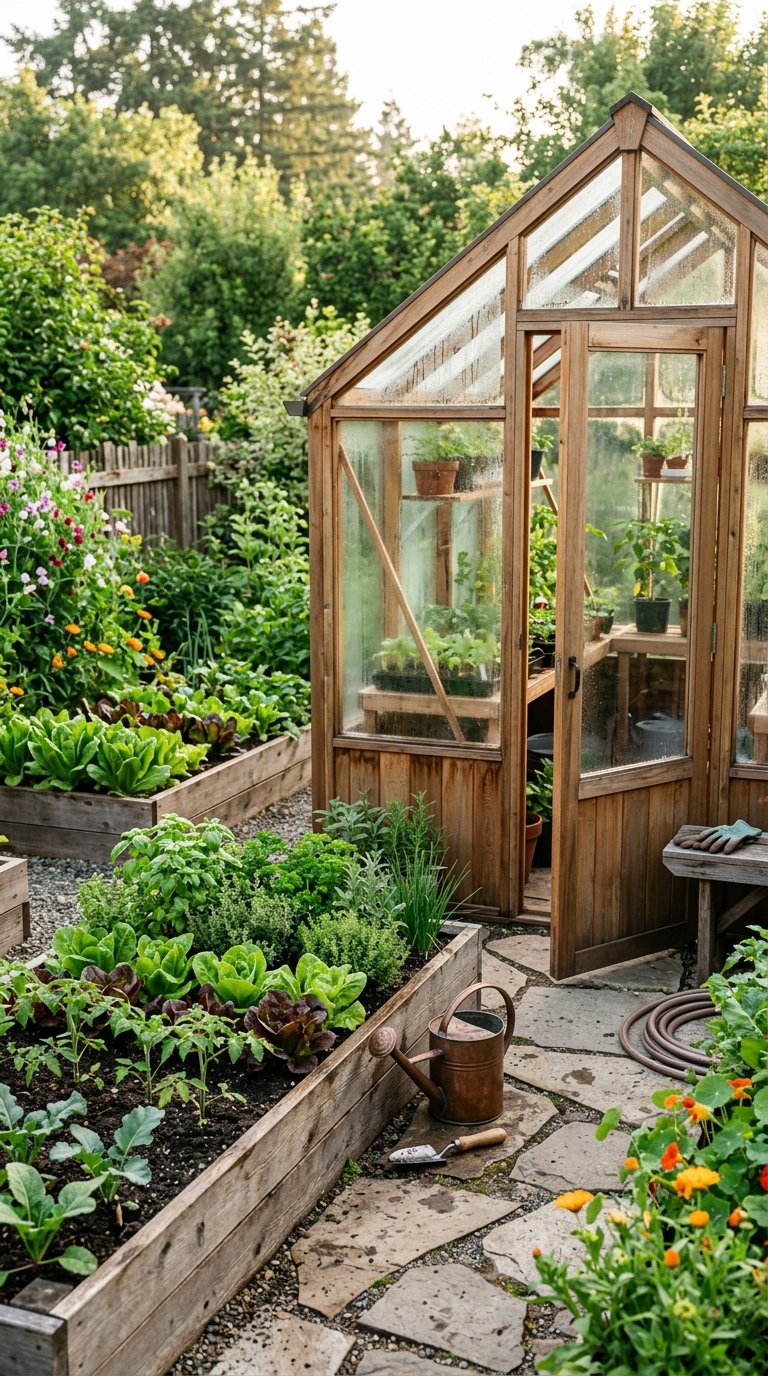
A cold frame (a bottomless box with a glass or polycarbonate lid) extends the growing season by six to eight weeks at each end of the year. DIY cold frames cost $50 to $200 in materials and sit directly over a raised bed or ground soil.
A small greenhouse kit costs $300 to $1,500 and allows year-round growing in most climates. If you grow vegetables and want to garden through winter, either option returns its cost within two to three growing seasons in saved grocery spending.
22. Design a Japanese-Inspired Zen Garden Section
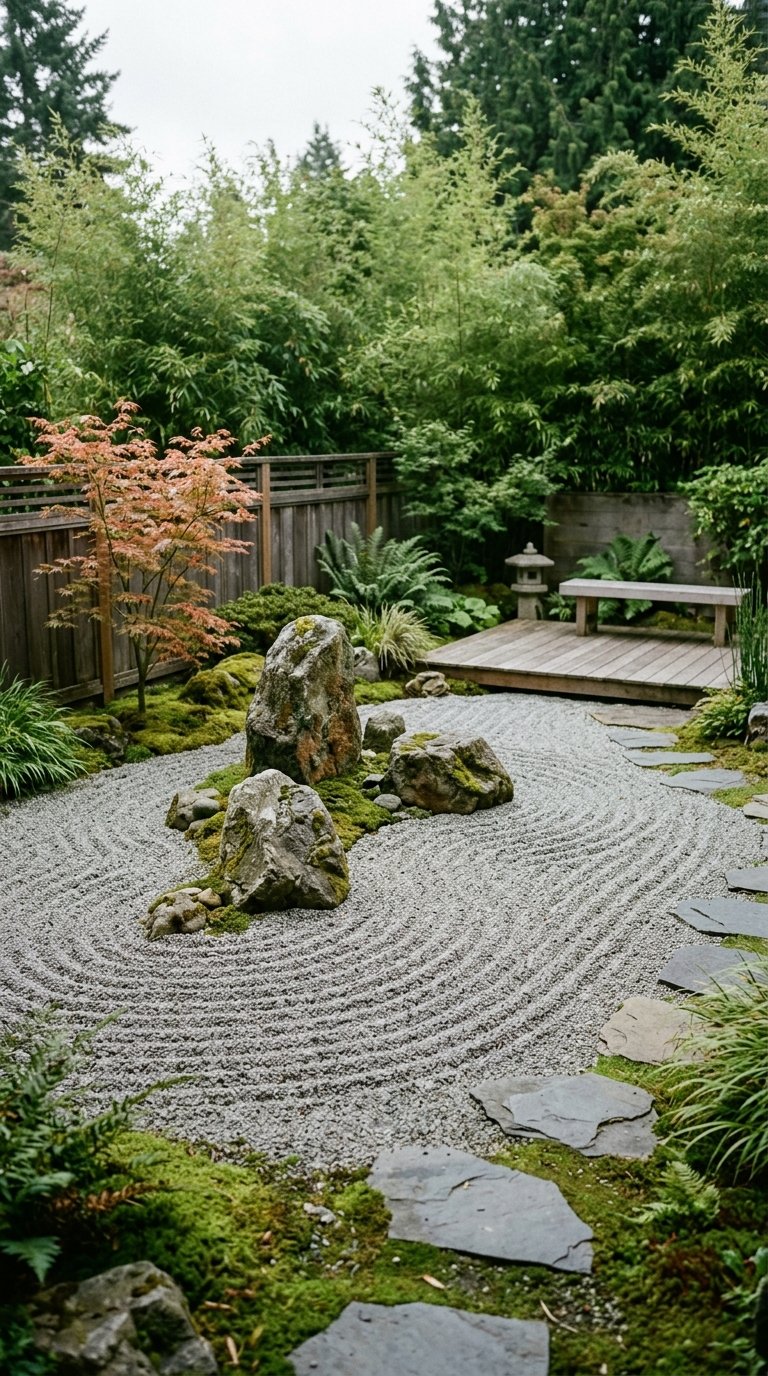
A dry zen garden section uses gravel, large feature rocks, and low-maintenance plants like ornamental bamboo, Japanese maples, and moss to create a structured, calm corner of the backyard. The entire setup requires no irrigation once established.
Rake patterns in fine gravel create visual interest that changes weekly without any new planting. A 10 x 10 foot zen section costs $200 to $600 in materials and requires no weeding, no watering, and no seasonal replanting.
23. Build a Vegetable Garden Bed Visible from the Kitchen Window
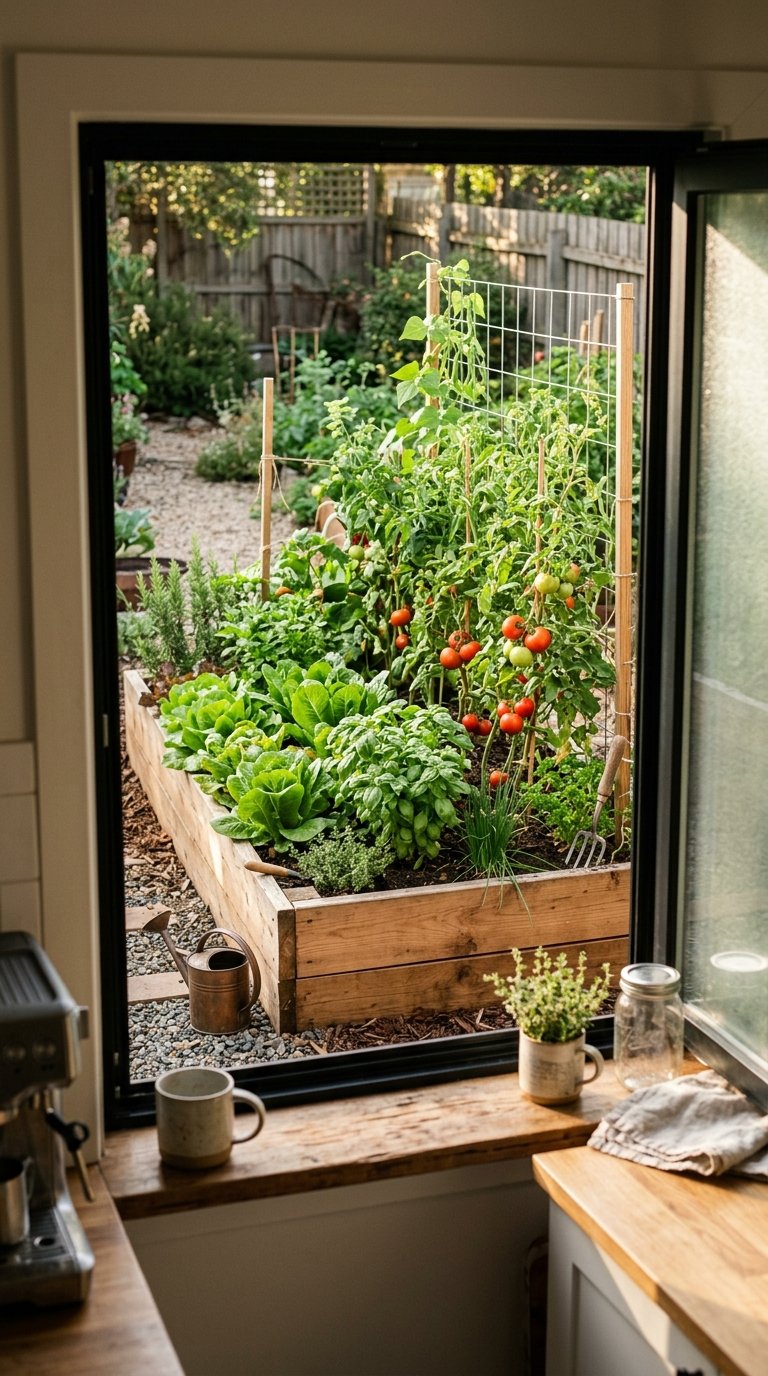
Position your main vegetable garden where you see it from the kitchen or dining area. Visibility increases how often you check on it, harvest from it, and keep it maintained, which directly improves the garden’s productivity.
A 4 x 8 foot raised vegetable bed in a visible spot produces tomatoes, lettuce, beans, and herbs through spring, summer, and fall. Research from the National Gardening Association shows home vegetable gardens return an average of $600 in produce per year from a $70 investment. That’s the kind of ROI your backyard has been waiting for.
Final Thoughts
Your backyard garden doesn’t need to be ambitious to be good. It needs to solve the right problems for your specific space, whether that’s poor soil, zero shade, no privacy, or a patio you never use.
Start with one or two ideas that match your biggest frustration right now. Fix that first. A garden built in stages, with each piece solving a real problem, ends up better than one designed all at once and never fully executed. Get outside, pick your spot, and start digging.