23 Small Garden Ideas to Transform Any Tiny Outdoor Space
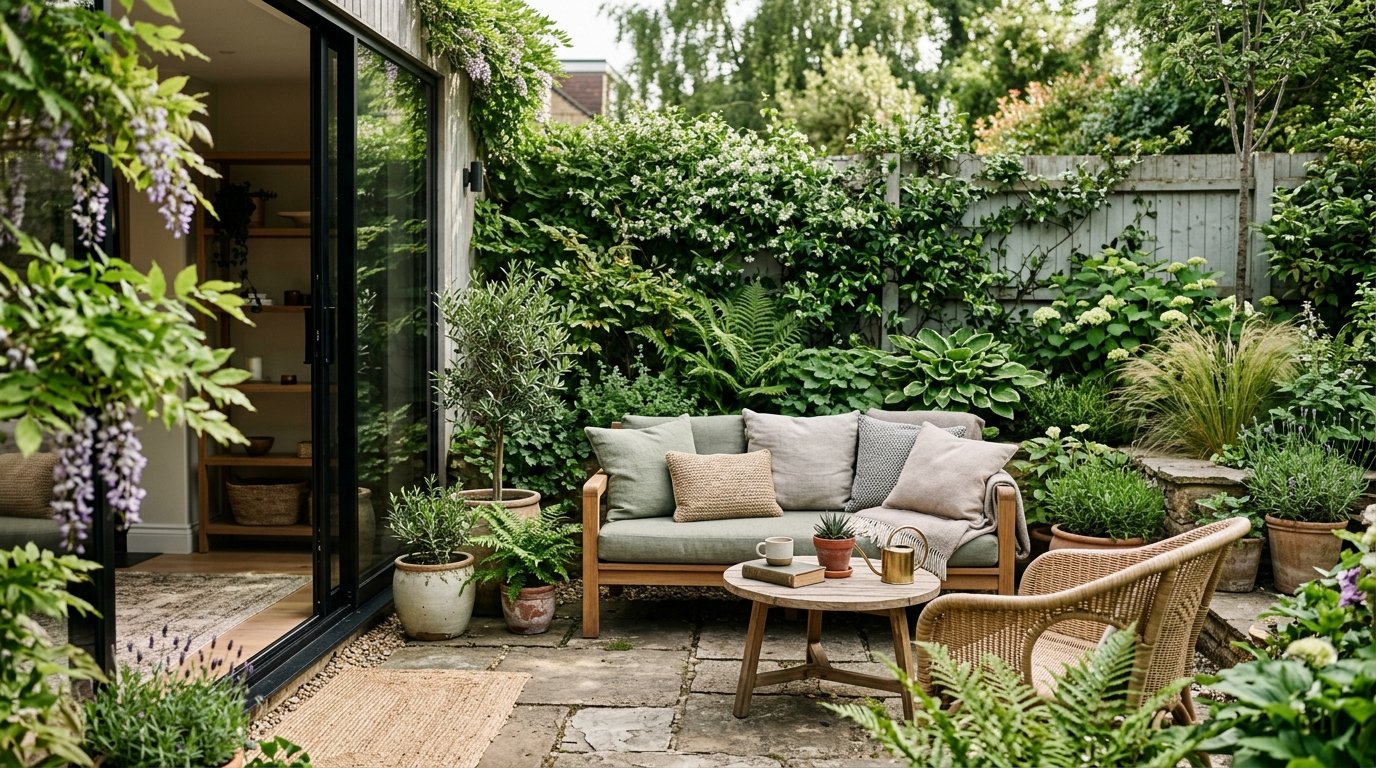
A small garden isn’t a limitation. It’s a design challenge, and design challenges have solutions that large gardens never need to find. My first garden measured 10 feet wide and 15 feet deep, and I spent an embarrassing amount of time staring at it before I stopped thinking about what it lacked and started treating it like a room that needed a layout. The moment that mental shift happened, the garden stopped feeling small and started feeling intentional. These 23 small garden design ideas solve every challenge from no privacy to no color to no idea where to even start.
1. Design a Clear Layout Before You Plant Anything
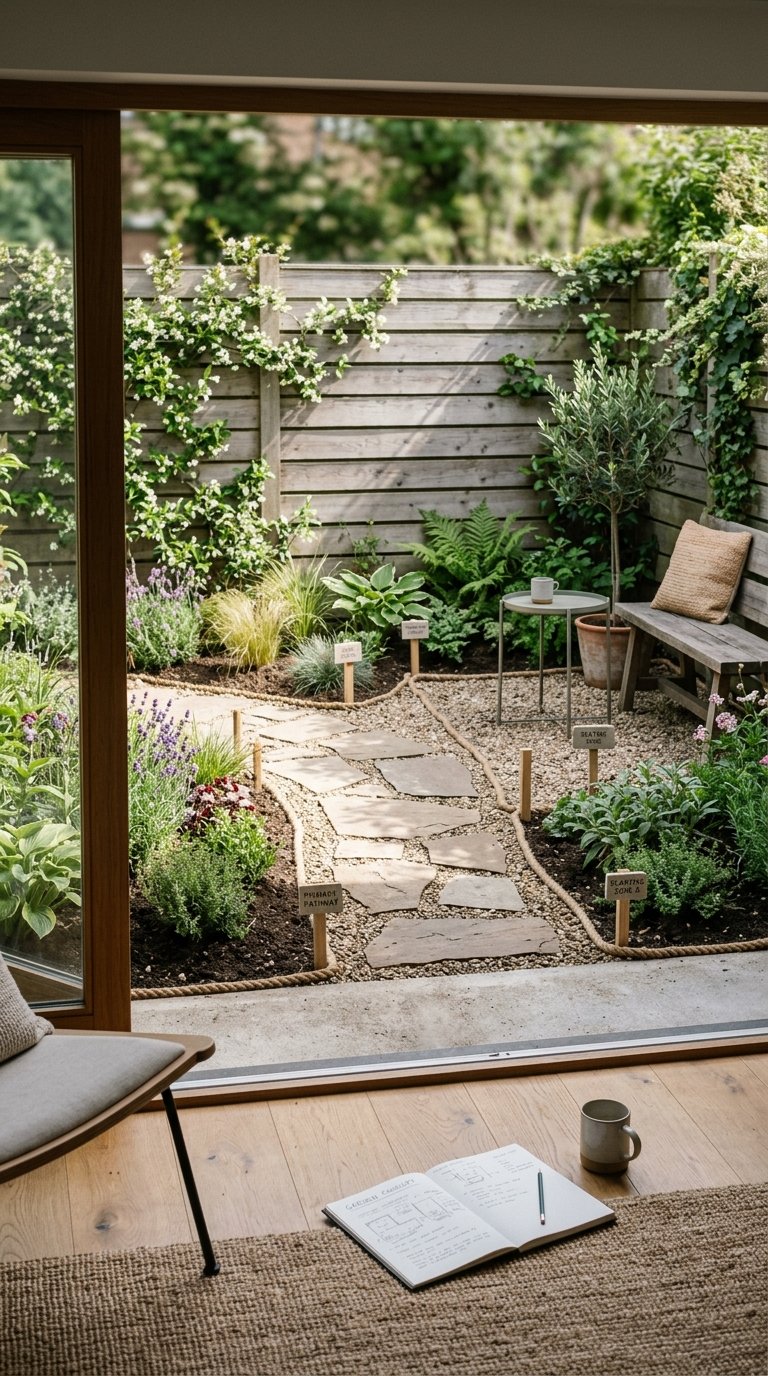
A small garden planted without a plan becomes a crowded, competing mess within one growing season. Sketch a simple top-down layout of your garden on paper before buying a single plant or paver, dividing the space into functional zones: seating, planting, path, and feature.
Even a 10×15 foot garden accommodates a 6×8 seating area, a narrow path down one side, and two planting borders without feeling cramped. The layout drawing forces you to make decisions about proportion and priority before you spend money. Gardens planted without a plan cost more to fix than gardens planned on paper first.
2. Use Diagonal Paving to Make the Space Feel Wider
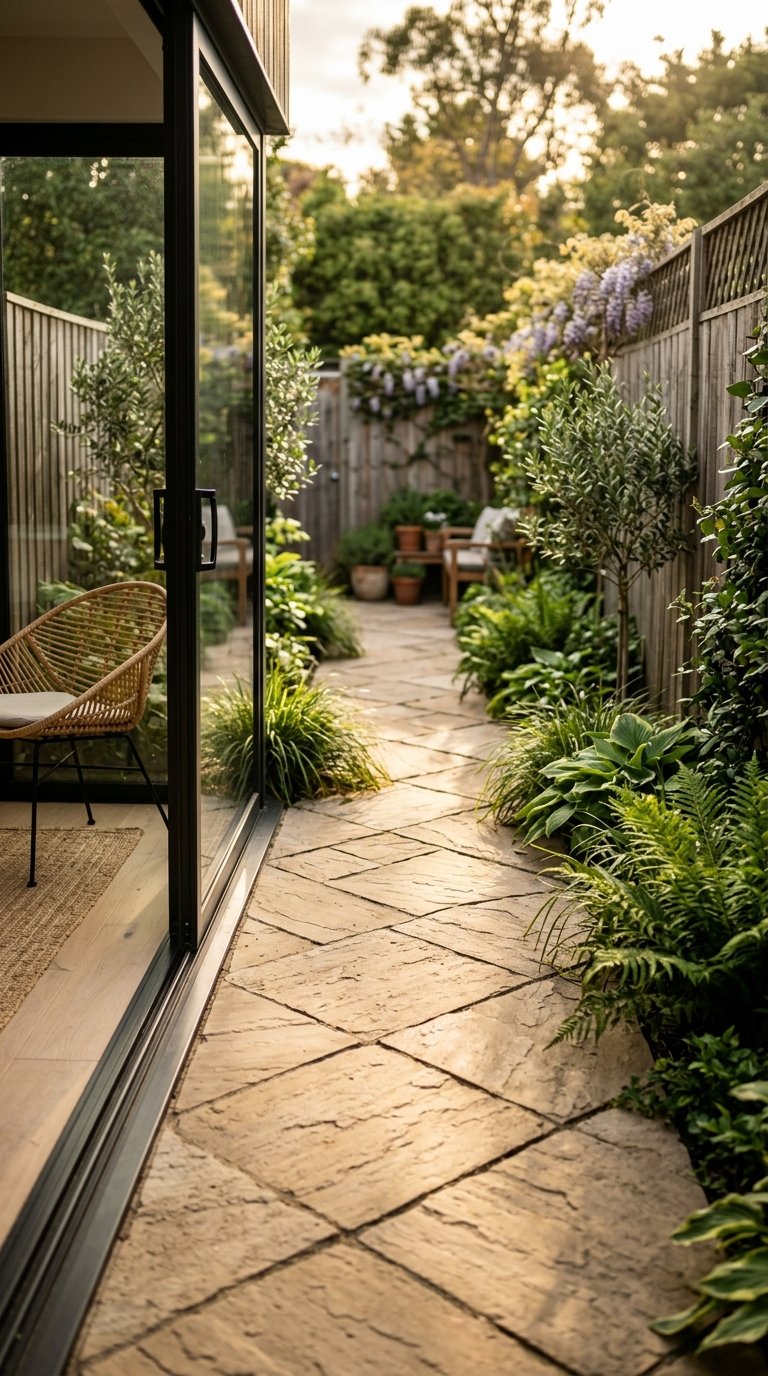
The direction of your paving dramatically changes how large a garden feels. Laying paving slabs or decking boards diagonally across the garden creates an optical illusion that makes a narrow space read as wider than its actual dimensions. Interior designers use this same principle with flooring in small rooms.
A 10-foot wide garden laid with diagonal porcelain pavers reads noticeably wider than the same space with grid-pattern installation. The diagonal line draws the eye along the longest possible axis of the space. This costs nothing extra if you’re already planning a new paving surface.
3. Create a Focal Point That Draws the Eye
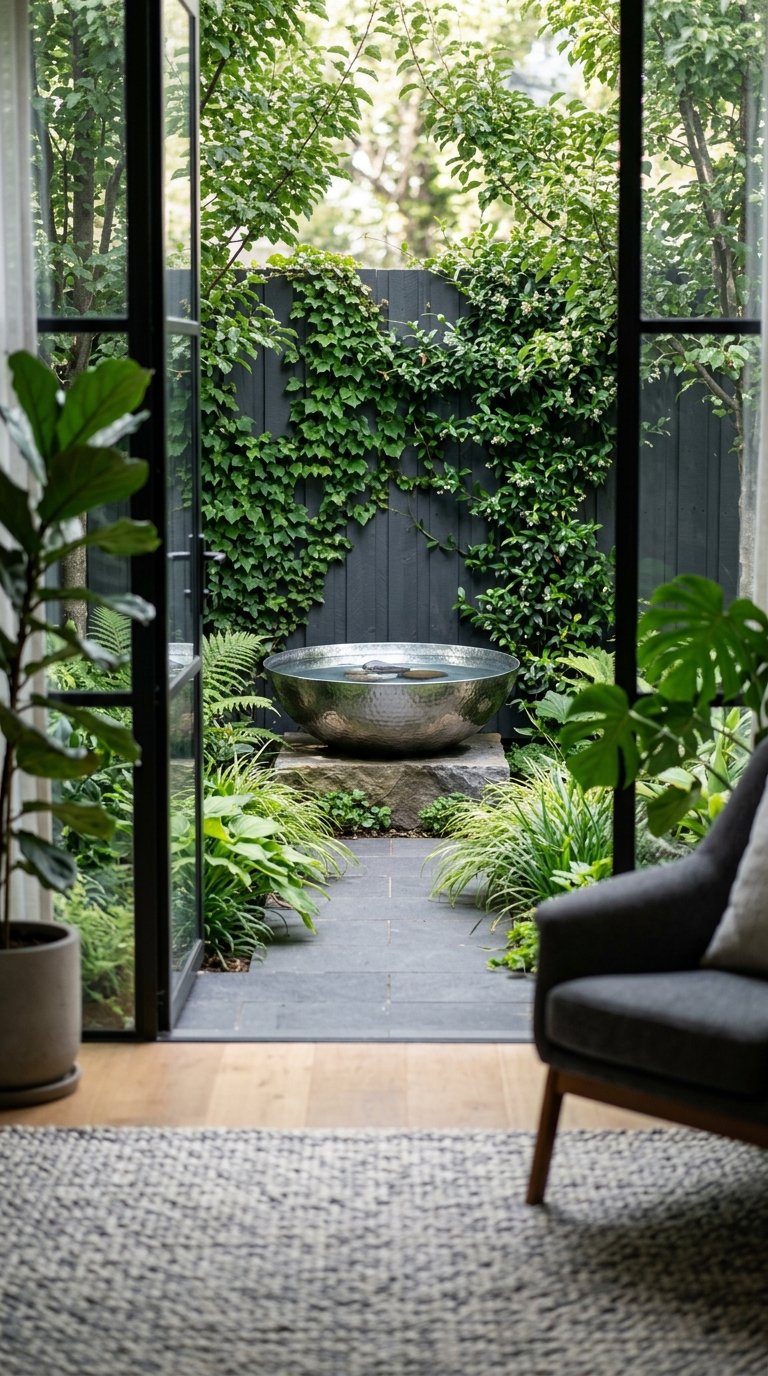
A small garden without a focal point feels like a collection of things rather than a designed space. One strong focal point at the far end of the garden pulls the eye forward and creates perceived depth that makes the garden feel longer than it measures.
Focal Point Options for Small Gardens
- A wall-mounted water feature: adds sound, movement, and visual interest in zero floor space
- A statement container with a tall architectural plant
- A small sculpture or decorative object: placed at eye level against the back wall or fence
- A painted fence panel in a contrasting color that frames the view
- A trained espalier fruit tree flat against the back wall
The focal point works best when it sits on the central axis of the garden, directly opposite the main viewpoint from the house or seating area.
4. Plant in Layers for Depth and Fullness
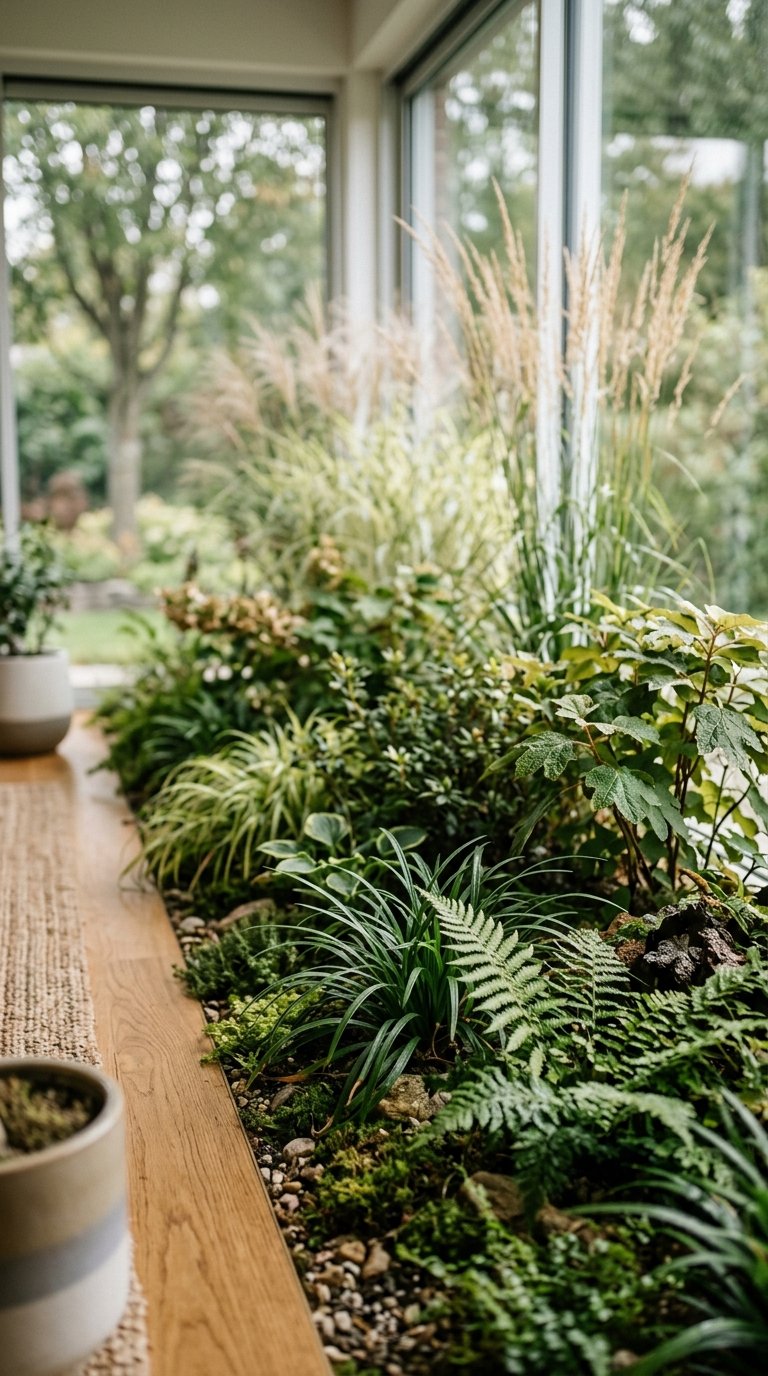
Flat single-layer planting makes a small garden look thin regardless of how many plants it contains. Layered planting with tall specimens at the back, medium shrubs in the middle, and low ground cover at the front creates the impression of a full, mature garden in a fraction of the space.
The three-layer principle: back layer reaches 4 to 6 feet (ornamental grasses, tall perennials, climbing plants on walls), middle layer sits at 18 to 36 inches (compact shrubs, medium perennials), front layer stays under 12 inches (low ground cover, creeping plants, low annuals). This approach fills the entire vertical space of the border rather than just the ground level.
5. Grow Climbing Plants on Every Vertical Surface
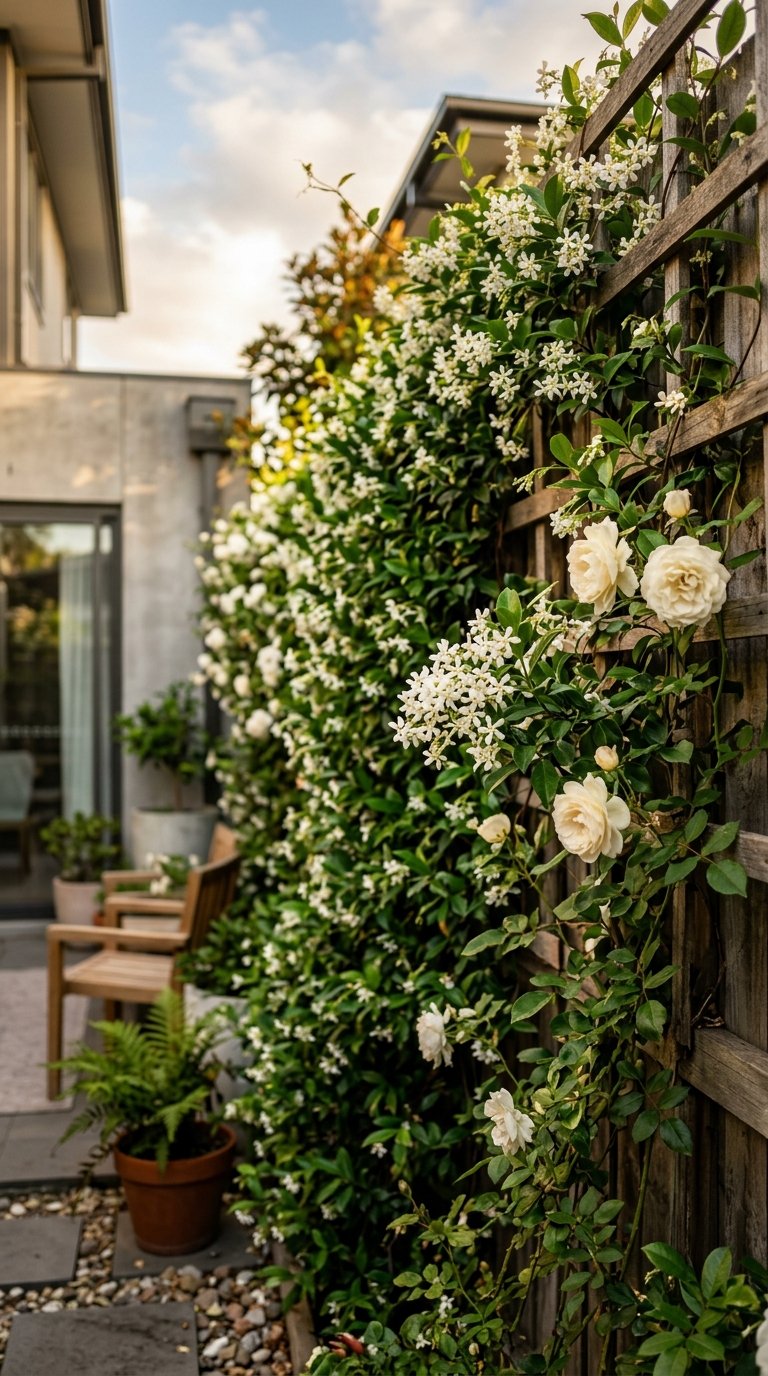
Every fence, wall, and trellis in a small garden is free growing space. Climbing plants like clematis, climbing roses, jasmine, and wisteria cover vertical surfaces with color and texture without consuming any of the precious horizontal floor space that small gardens need for other purposes.
A 6-foot fence panel covered in climbing jasmine gives you the equivalent of 6 feet of garden border in zero ground footprint. Train climbers on horizontal wire systems screwed into the fence or wall at 18-inch vertical intervals. A pack of vine eyes and galvanized wire costs $15 to $25 and supports any climbing plant for its entire life.
6. Use Raised Beds to Add Structure and Productivity
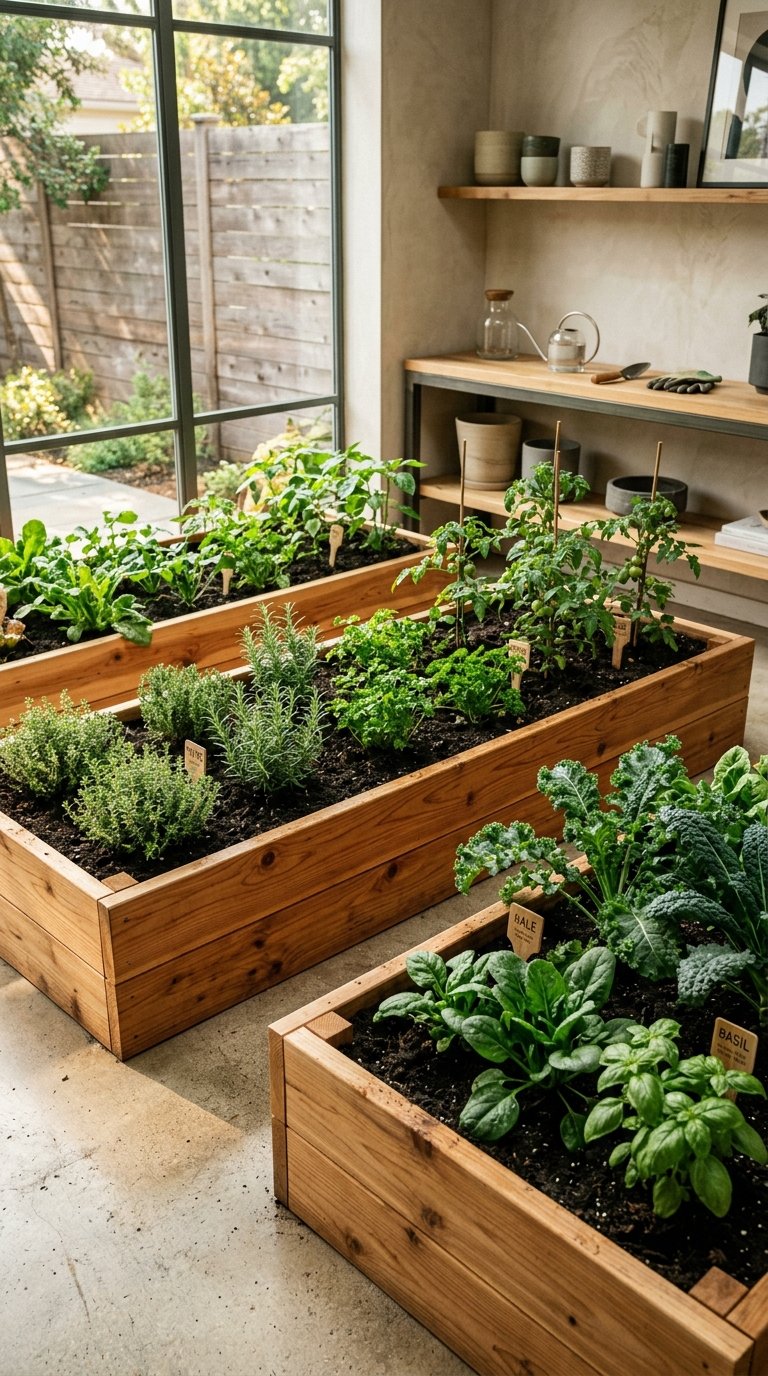
Raised garden beds in a small garden do something in-ground planting never achieves: they add visual structure while dramatically improving growing conditions. A raised bed 24 inches tall doubles as a seating wall, defines the garden layout with clean edges, and grows more food per square foot than an equivalent in-ground plot.
Raised Bed Materials for Small Gardens
- Cedar: naturally rot-resistant, beautiful warm tone, lasts 10 to 15 years
- Galvanized steel: modern industrial aesthetic, extremely durable, heats soil faster
- Composite lumber: splinter-free, low maintenance, available in multiple colors
- Reclaimed brick: cottage aesthetic, excellent thermal mass for root vegetables
A 4×8 foot raised bed fits comfortably along one fence line of most small gardens and produces enough vegetables for a household of two throughout the growing season.
7. Add a Small Water Feature for Sound and Atmosphere
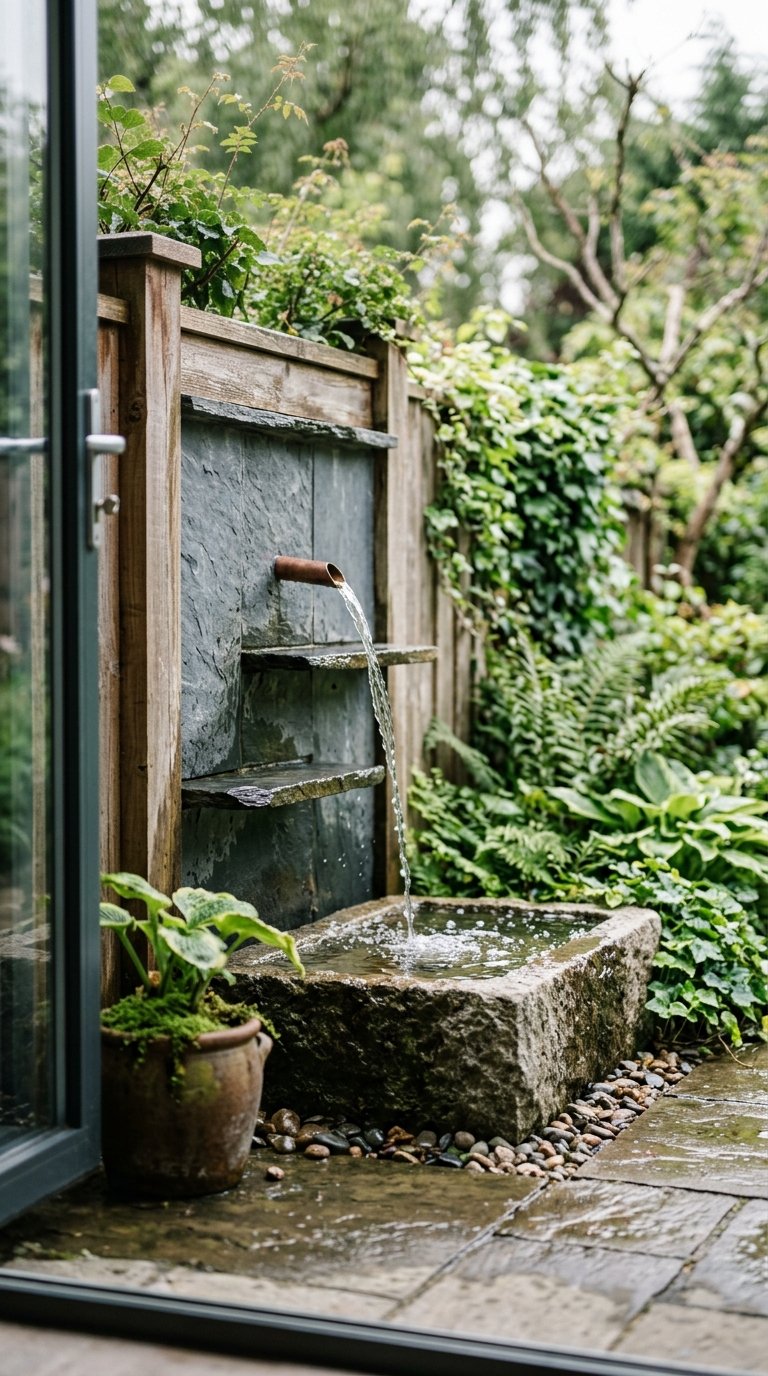
Sound transforms a small garden in ways that visual elements alone never achieve. A compact wall-mounted fountain or small freestanding water feature masks street noise, neighbor sounds, and urban ambient noise, making a 10×15 foot urban garden feel significantly more private and calm.
Solar-powered wall fountains cost $50 to $150 and install with four screws on any fence or wall surface. They run entirely off sunlight with zero operating cost. The sound of moving water fills a small garden completely and creates the sensory impression of a much larger, more established space. IMO, a water feature delivers more atmosphere per pound spent than almost any other small garden investment.
8. Paint the Fence or Back Wall a Strong Color
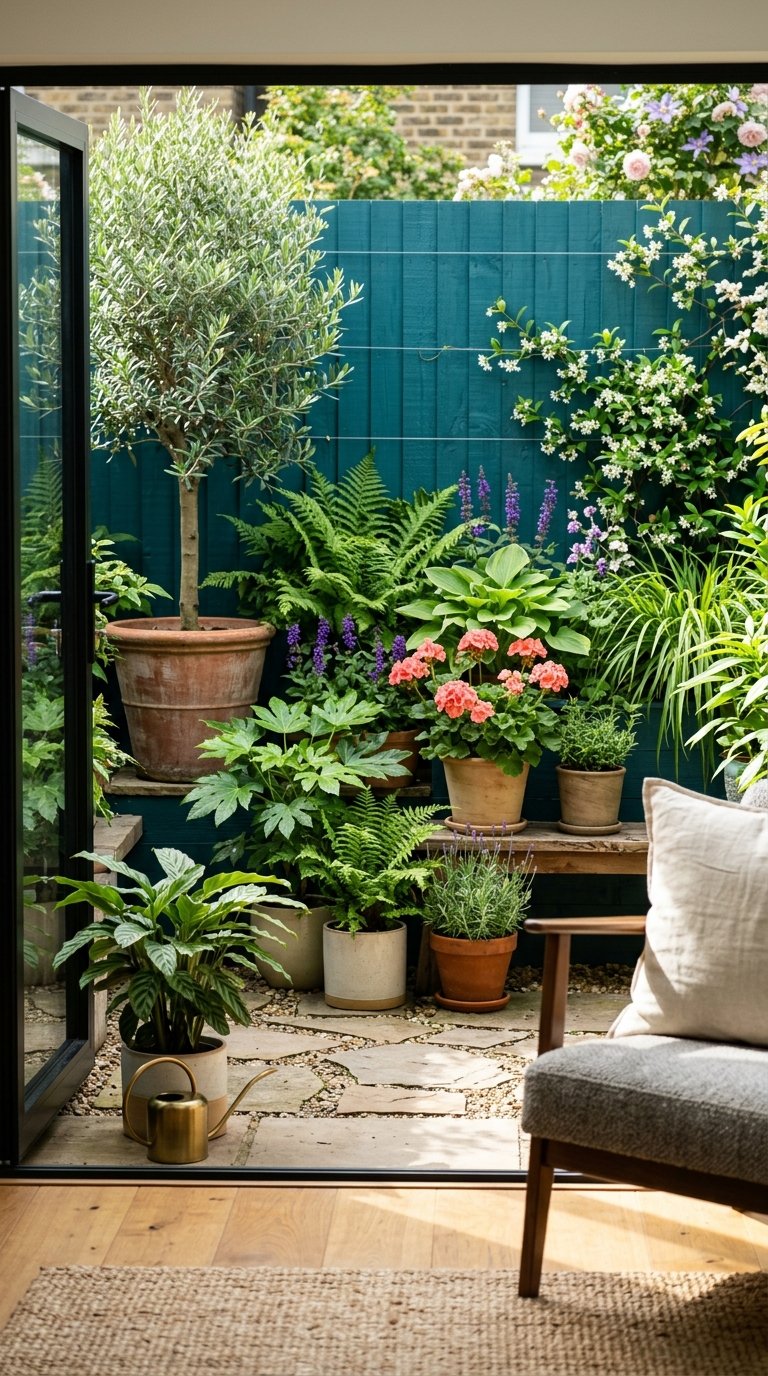
A weathered, dark stained, or plain timber fence closes a small garden visually. Painting the back fence or boundary wall in a light, warm, or richly saturated color changes the entire spatial feel of the garden from one weekend of work.
Best Fence Paint Colors for Small Gardens
- Pale grey-green: recedes visually, feels like part of the foliage
- Deep teal or forest green: creates a lush, botanical backdrop for any planting
- Warm white or cream: maximizes light reflection, makes the space feel larger
- Charcoal or slate: dramatic, makes plants pop, works with modern aesthetics
One gallon of exterior fence paint covers 150 to 200 square feet and costs $25 to $40. The visual transformation from a painted fence versus an unpainted one is one of the most dramatic, lowest-cost improvements in small garden design.
9. Install a Compact Seating Area in One Zone
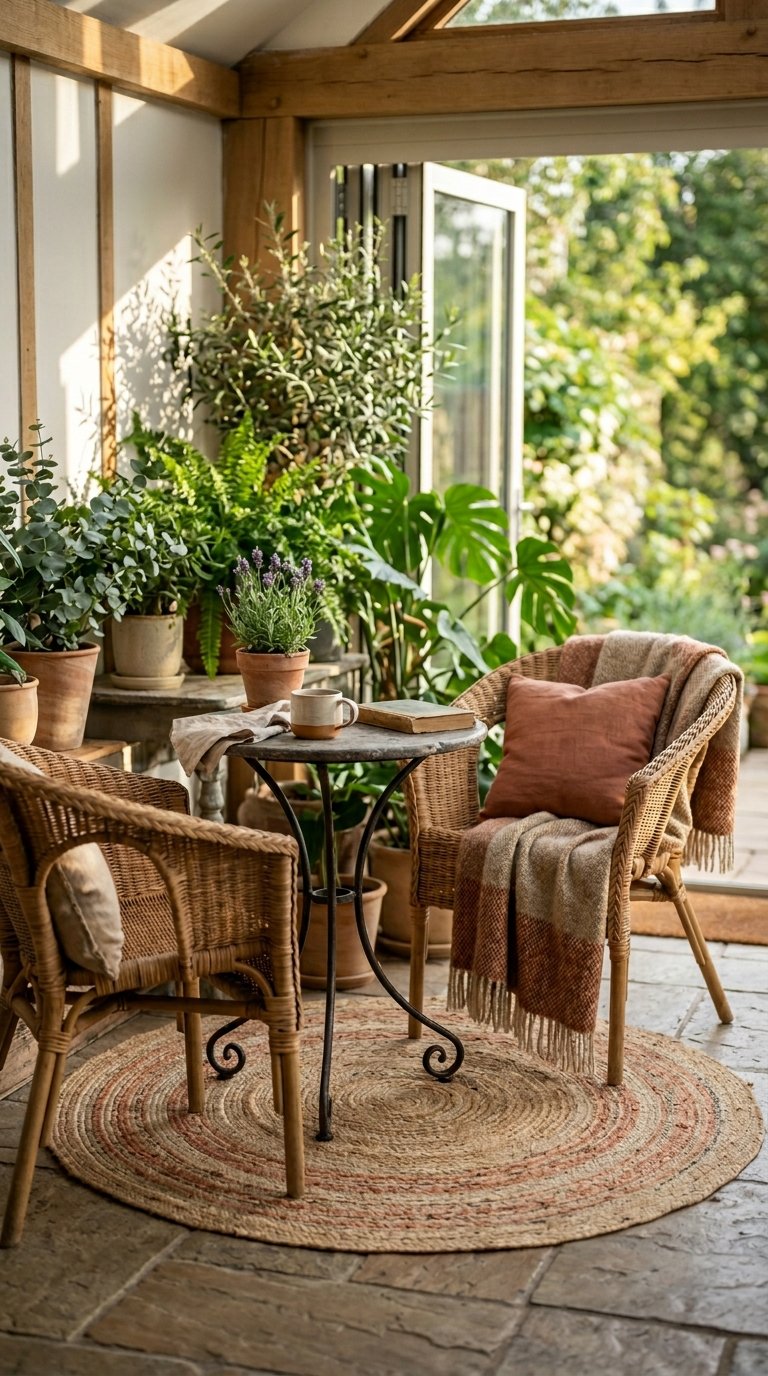
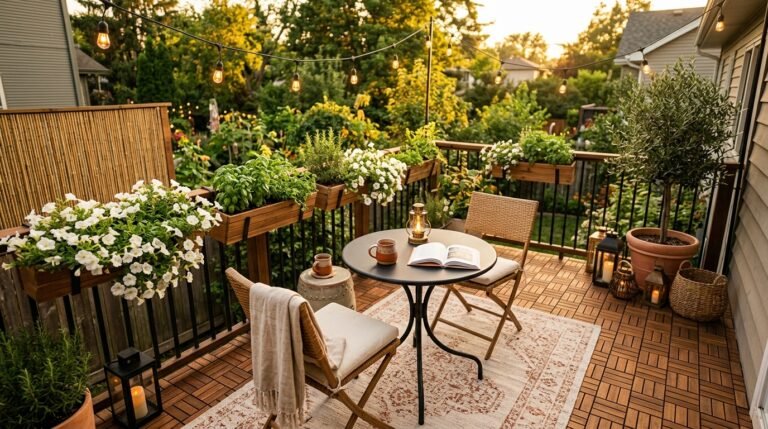
A small garden without any seating functions as something you look at rather than somewhere you go. A bistro table and two chairs in a defined corner, or a built-in bench along one wall, gives the garden a human-scale destination that makes the space feel purposeful and used.
Keep the seating area compact and defined. A 5×6 foot seating zone in one corner of the garden leaves the remainder free for planting and path. An outdoor rug under the seating group defines the zone and makes it feel like a room within the garden. A well-placed seating area changes how you relate to the garden from observer to participant.
10. Create a Winding Path to Suggest More Space
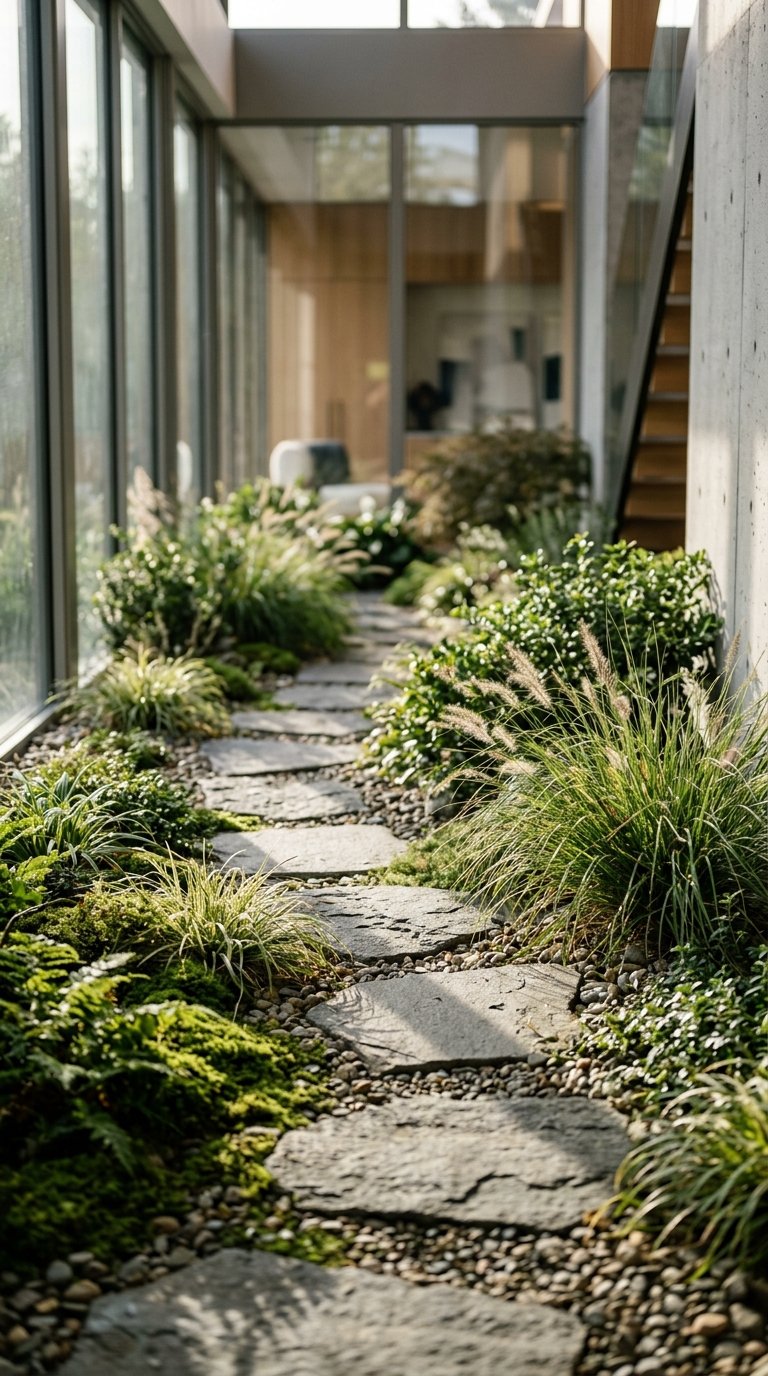
A straight path from the house to the garden end covers the distance in the fastest possible way and makes the garden feel exactly as small as it is. A gently curved or winding path takes longer to traverse visually and physically, suggesting more space beyond each turn and making the journey through the garden more engaging.
Even a mild curve in a short path changes the experience of the garden significantly. Use stepping stones set into gravel or grass rather than a full-width paved path to keep the path footprint minimal. The path becomes a design element that adds interest while serving its functional purpose.
11. Use Mirrors to Double the Visual Depth
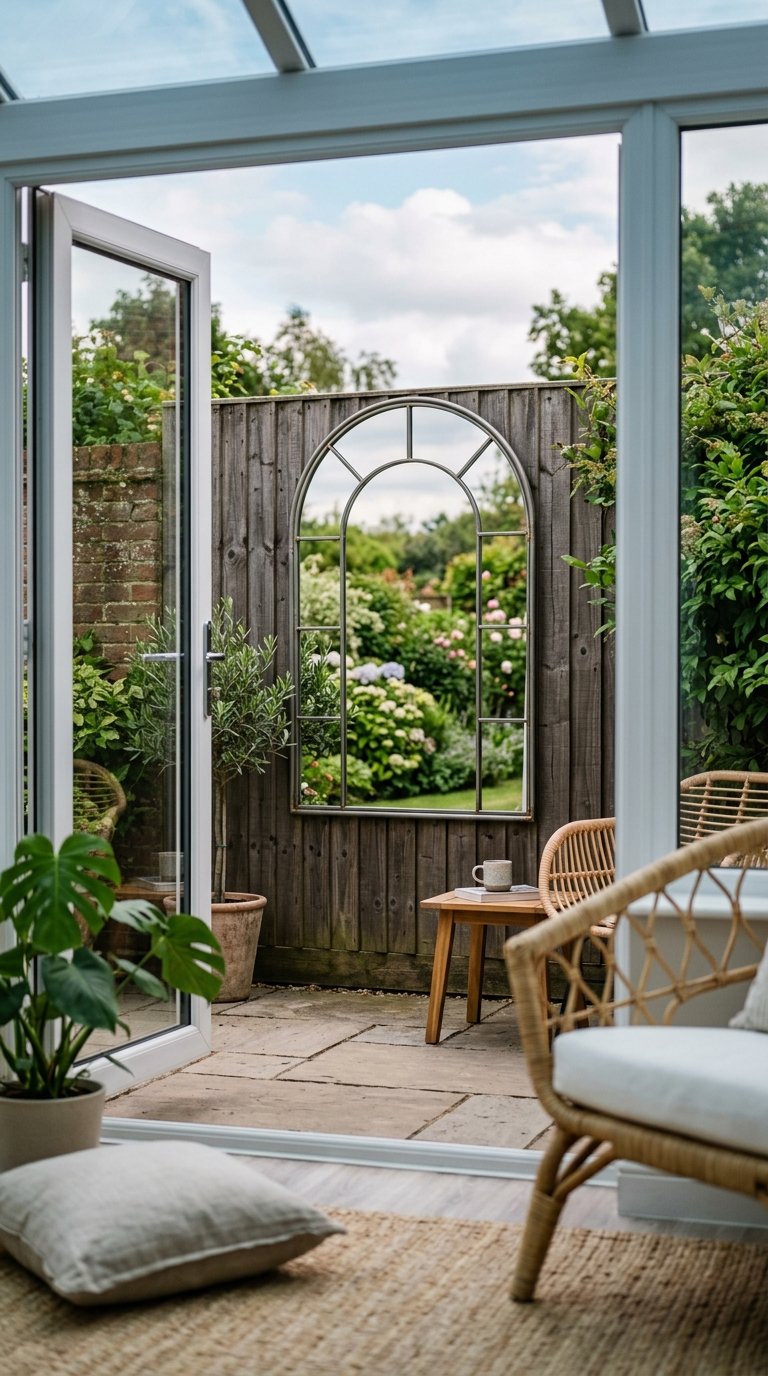
An outdoor mirror is the single highest-impact visual trick available in small garden design. Mounting a large weather-safe acrylic or stainless mirror on the back fence or wall creates the illusion of a garden continuing beyond the boundary, doubling the perceived depth of the space in one afternoon.
A 24×36 inch outdoor acrylic mirror costs $40 to $80 and mounts with four screws. Angle it very slightly so it reflects the planting and sky rather than the viewer’s face, which creates the most convincing depth illusion. Frame it with climbing plants on either side to make it read as a window into a further garden rather than an obvious mirror.
12. Choose Plants With Year-Round Interest
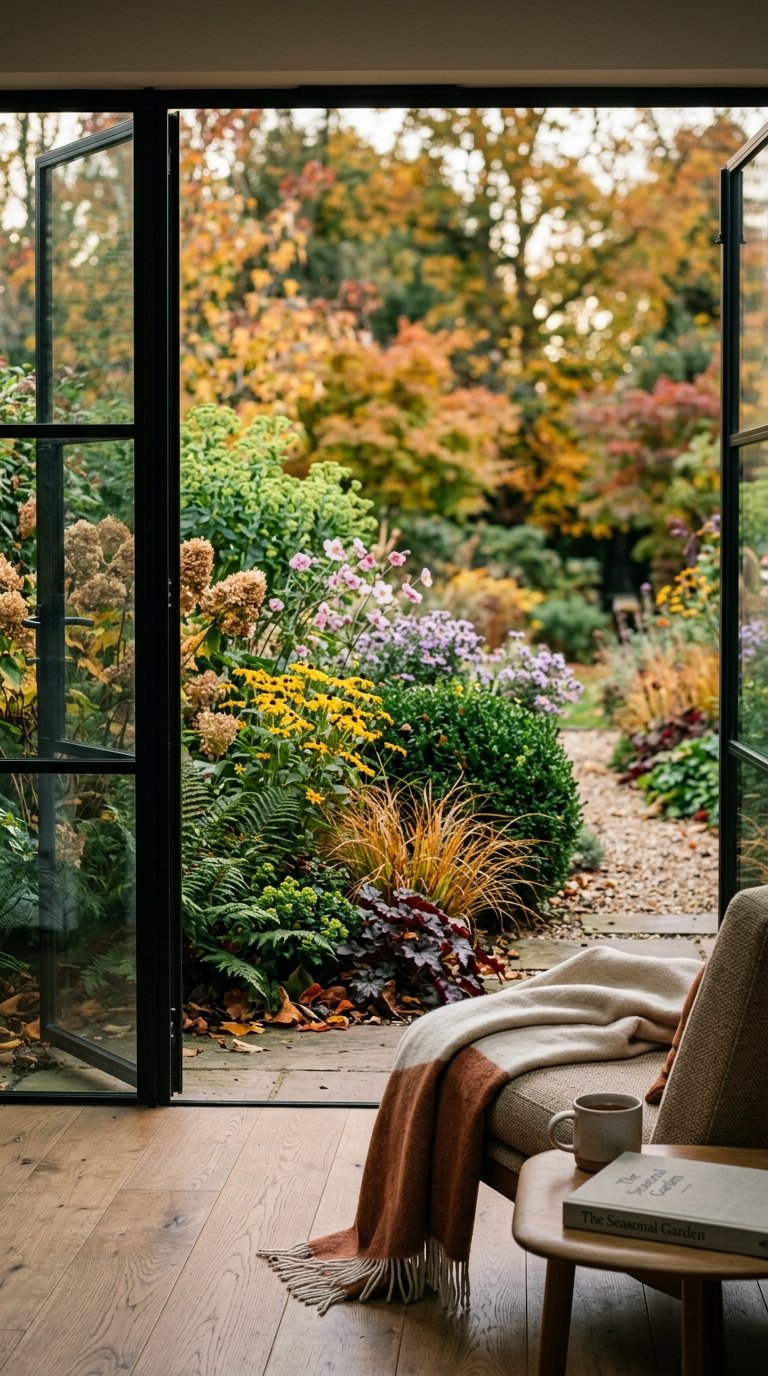
A small garden that looks spectacular in July and dead in November wastes six months of potential every year. Selecting plants that provide interest across multiple seasons keeps the garden engaging year-round without requiring constant replanting.
Year-Round Interest Plant Combinations
- Spring: tulips and alliums for early color, hellebores for late winter interest
- Summer: roses, lavender, echinacea for peak season color and fragrance
- Autumn: ornamental grasses turning amber, sedums, Japanese anemones
- Winter: evergreen structure plants (box, yew, holly), dogwood stems, hellebore foliage
Plan for at least one plant from each season in every border. A small garden with year-round interest rewards daily attention in a way that summer-only planting schemes never do.
13. Install Garden Lighting for Evening Use
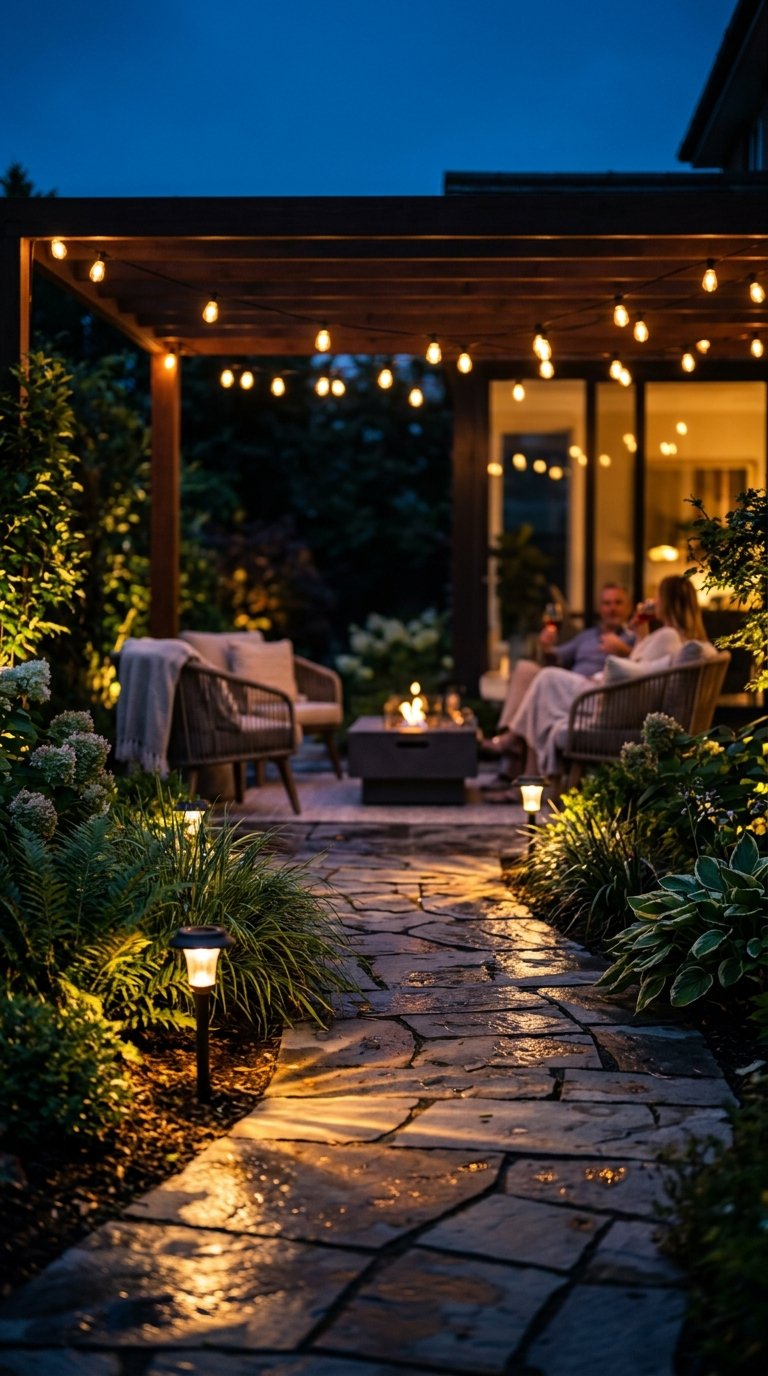
A small garden without lighting closes at sunset and wastes every warm evening between May and October. Solar path lights along the path edge, uplighting on a specimen plant, and string lights above the seating area extend the garden’s usable hours and create a completely different nighttime atmosphere.
Uplighting a single specimen tree or a large architectural plant from below adds drama that daylight never produces. A low-voltage landscape spotlight costs $20 to $40. Solar path lights cost $5 to $15 each. String lights above the seating zone cost $25 to $50 for a standard run. The total investment of $80 to $150 doubles the number of hours you use the garden each week.
14. Grow a Container Kitchen Garden
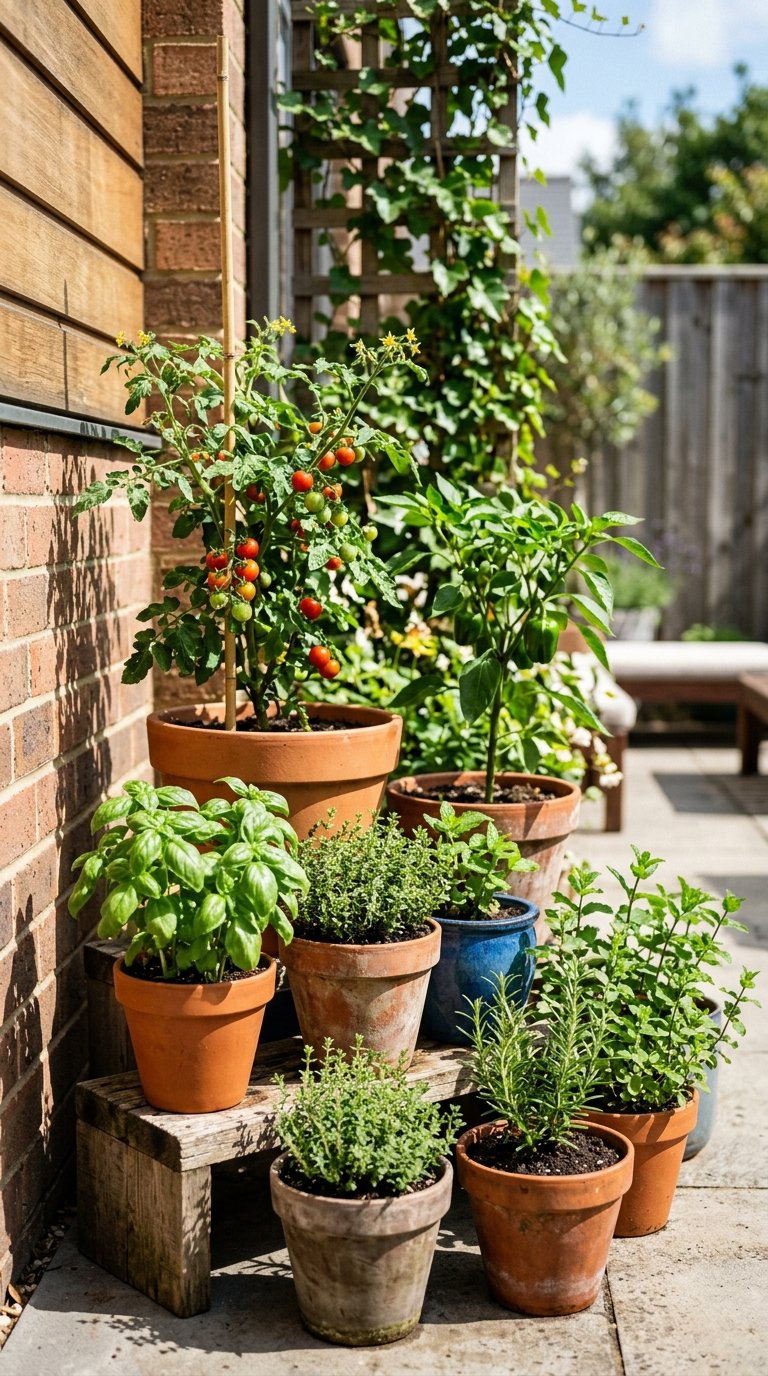
A small garden doesn’t need to sacrifice food growing for aesthetics. Five to seven large containers grouped in a sunny corner grow enough tomatoes, herbs, peppers, and salad leaves for regular kitchen use without consuming more than 15 square feet of garden space.
Group containers at three different heights using pot risers and upturned smaller pots to create a layered kitchen garden display that looks designed rather than random. A 15-gallon container grows a full-size indeterminate tomato plant. Four 8-inch herb pots supply a household’s fresh herb needs throughout summer. The container kitchen garden pays for itself in fresh produce by mid-season.
15. Add Scent to Make the Garden Multi-Sensory
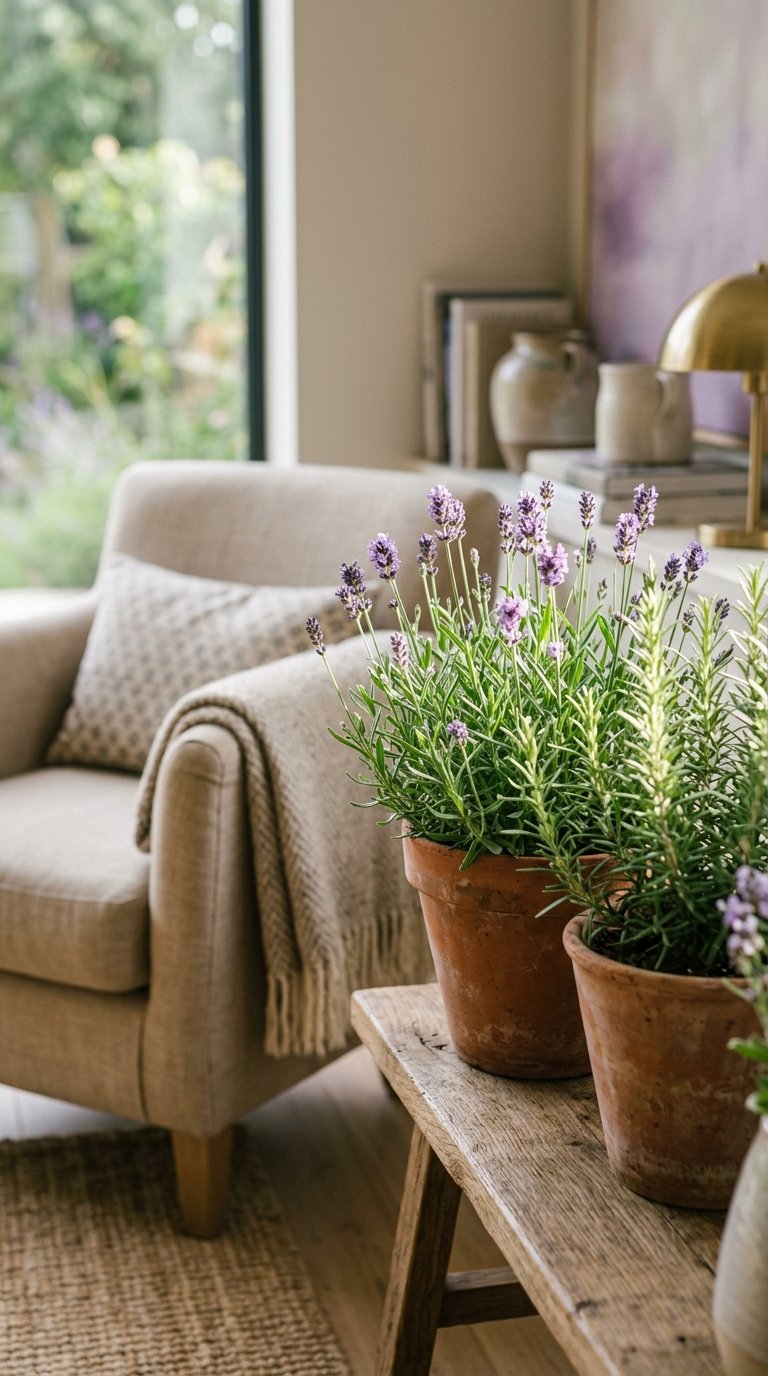
A garden experienced only visually uses half the sensory possibilities available to it. Fragrant plants positioned near the seating area, along the path, and beside the garden entrance make the space memorable in a way that purely visual planting never achieves.
Best Fragrant Plants for Small Gardens
- Lavender: drought-tolerant, edging plant, intense fragrance in warm weather
- Sweet peas on a trellis: annual climber, extraordinary scent, old-fashioned charm
- Rosemary: fragrant when brushed, structural, edible, evergreen
- Nicotiana (tobacco plant): evening fragrance, tall annual for back of border
- Philadelphus (mock orange): powerful fragrance, compact varieties suit small spaces
Position fragrant plants within 3 feet of where you sit. Scent dissipates quickly in open air, so proximity to the seating area is critical for the fragrance to register consistently.
16. Use Repeating Plants for Visual Cohesion
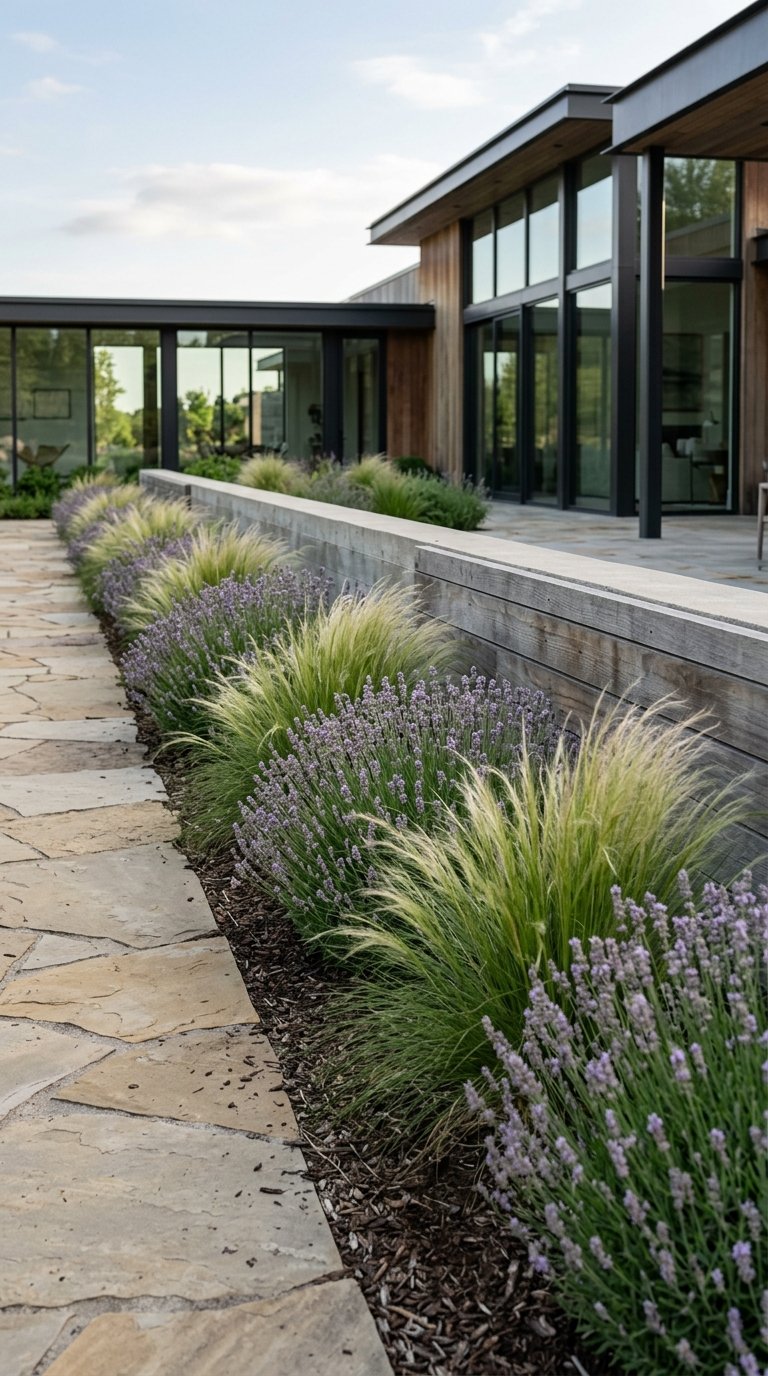
A small garden planted with too many different species looks chaotic and smaller than it measures. Repeating two or three plant varieties at intervals throughout the border ties the space together visually and creates a rhythm that makes the garden feel deliberately designed.
Plant the same ornamental grass in three spots across the border. Repeat a specific lavender or allium at regular intervals along the path edge. The eye follows repeated elements across the space and the garden reads as a unified composition rather than a collection of individual plants. This principle costs nothing to implement and delivers a professional design result.
17. Build a Vertical Garden on a Fence or Wall
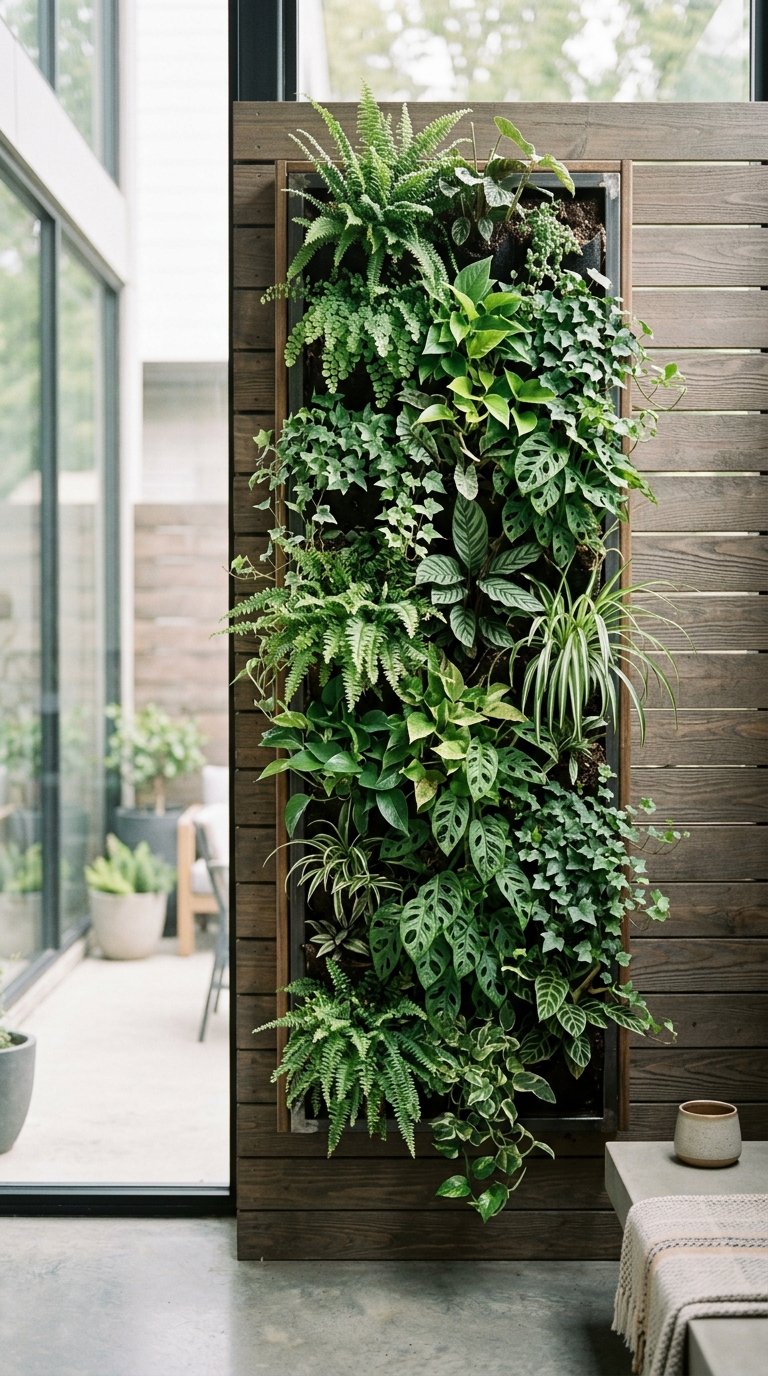
A vertical garden system mounted on the most prominent fence or wall in the small garden grows plants in a two-dimensional plane that consumes zero floor space. A 4×4 foot vertical planter system holds 20 to 25 plants in a footprint smaller than a single large floor container.
Modular vertical planter systems from brands like Woolly Pocket and Lechuza cost $60 to $150 for a standard panel. They mount on any fence or wall surface with four screws. Fill them with a mix of trailing, upright, and bushy plants for a full, layered look at eye height. FYI, a well-planted vertical garden becomes the visual centerpiece of the entire small garden space.
18. Create Zones With Different Surface Materials
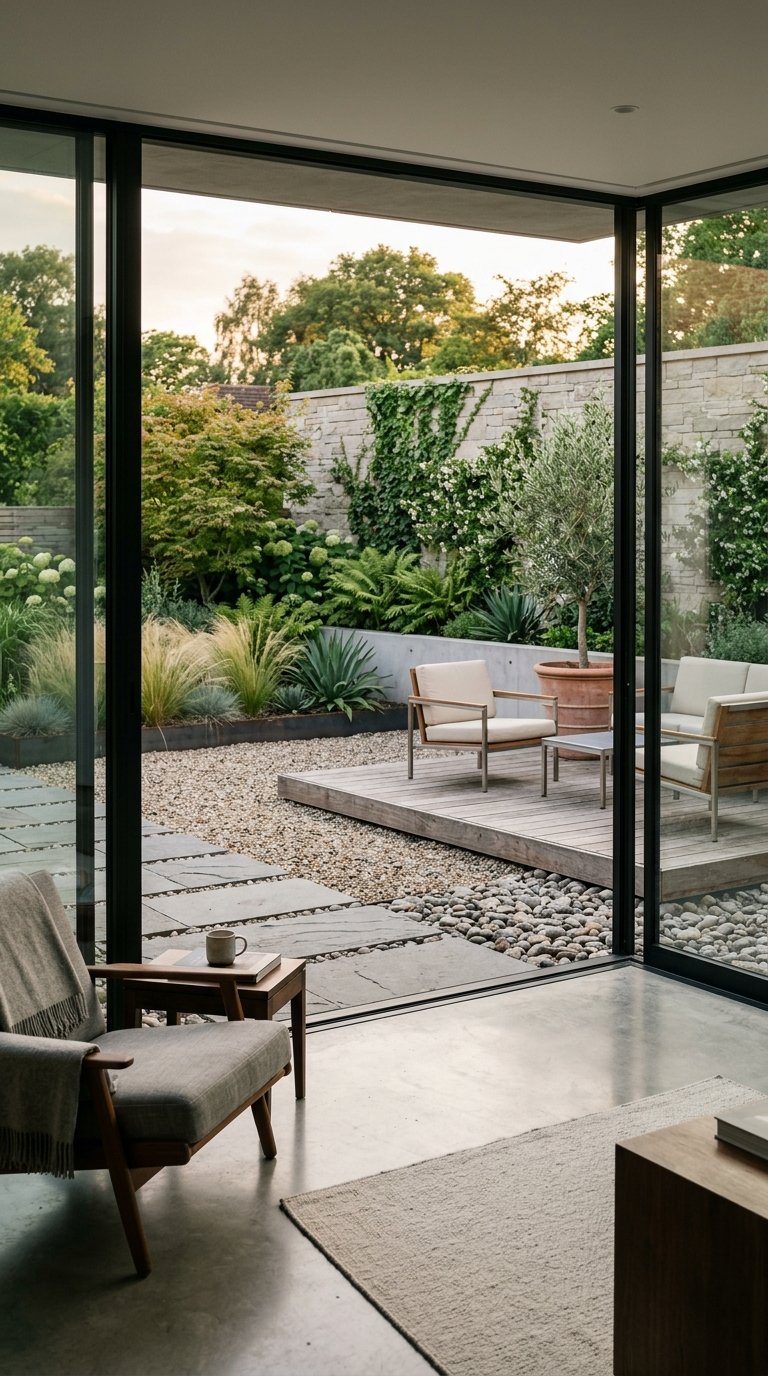
A small garden treated as a single undivided surface feels like one thing. Using two or three different surface materials (gravel, paving, decking, grass) to define different zones makes the garden read as a collection of smaller rooms rather than one small space.
A gravel seating zone beside a stone path beside a small grass panel creates three distinct visual areas in a 10×20 foot garden. The variety of textures adds richness and complexity that a single surface material never achieves. The zone boundaries also create natural organization that guides movement through the garden without explicit markers.
19. Plant a Small Tree as a Canopy Feature
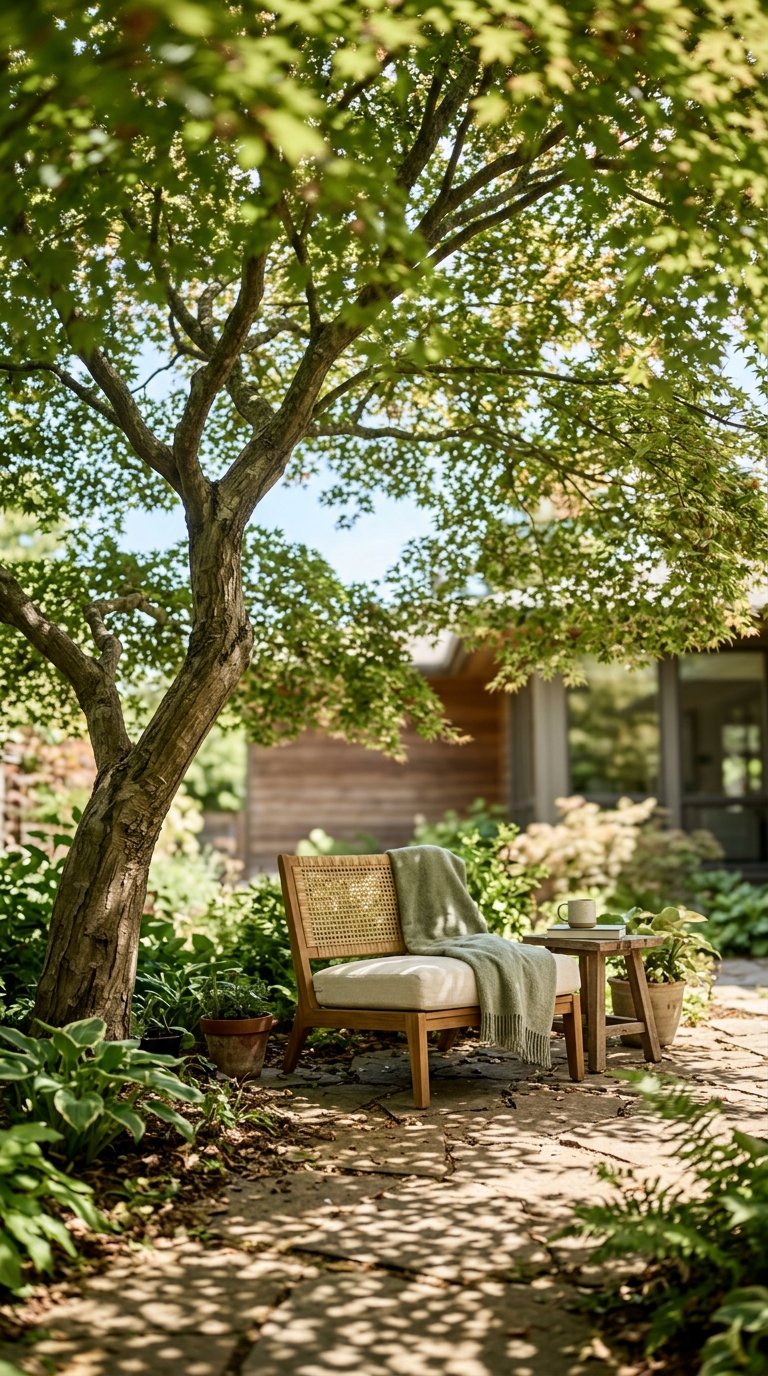
A small garden without any overhead canopy feels exposed and lacks the enclosed, garden-room quality that makes outdoor spaces feel immersive. A small ornamental tree like an amelanchier, Japanese maple, or crab apple provides a canopy layer that frames the sky above the garden and creates the sheltered quality that no planting at ground level replicates.
Position the tree toward the back or one side of the garden so it doesn’t dominate the central space. Choose a variety with multi-season interest: spring blossom, summer foliage, autumn color, and winter structure. A 6-foot bare-root amelanchier costs $25 to $40 and reaches full canopy spread within three to five years.
20. Install a Pergola or Arch for Vertical Structure
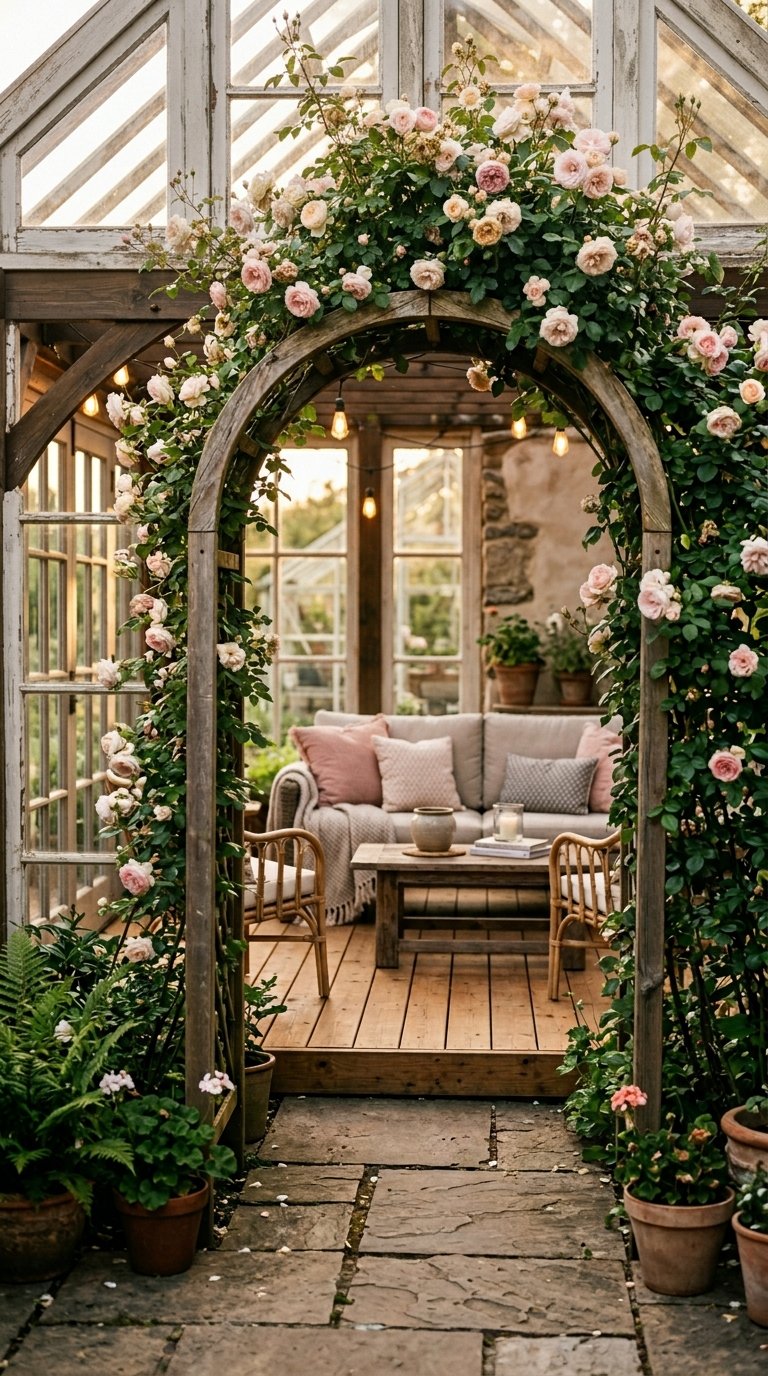
A pergola or garden arch adds the overhead structure that makes a small garden feel like a complete outdoor room rather than an open patch of planting. An arch at the garden entrance or a compact 8×8 pergola over the seating area creates a ceiling that small gardens almost never have without this kind of deliberate structural addition.
A freestanding metal garden arch costs $40 to $120 and installs in 30 minutes with four ground stakes. Train a climbing rose or clematis over the arch and it becomes a flowering garden feature within one growing season. A compact pergola kit costs $300 to $800 and transforms the seating area into a covered outdoor room that functions regardless of light rain.
21. Design for Wildlife to Add Movement and Life
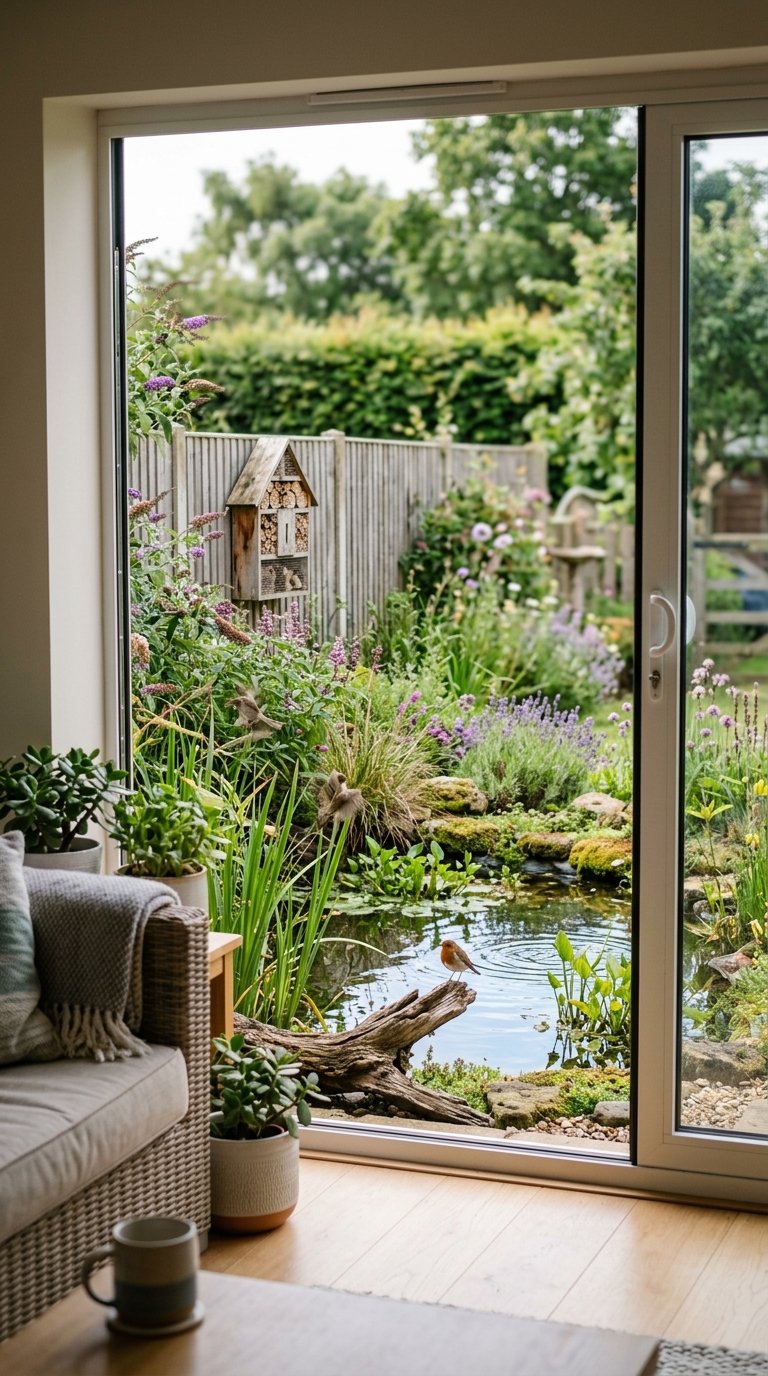
A small garden designed entirely for human aesthetics misses the movement, sound, and interest that wildlife brings. A small wildlife pond, a bird feeder, a bee hotel, and a log pile introduce birds, insects, frogs, and beneficial predators that make the garden feel alive and dynamic throughout the day.
A pre-formed pond liner set into the ground at ground level costs $40 to $80 and creates a wildlife habitat within one season. Fill it with native aquatic plants. Position a bird feeder where it’s visible from the seating area. The movement of birds and insects visiting the garden adds a layer of interest that no static planting or garden feature replicates.
22. Use Gravel as a Low-Maintenance Ground Cover
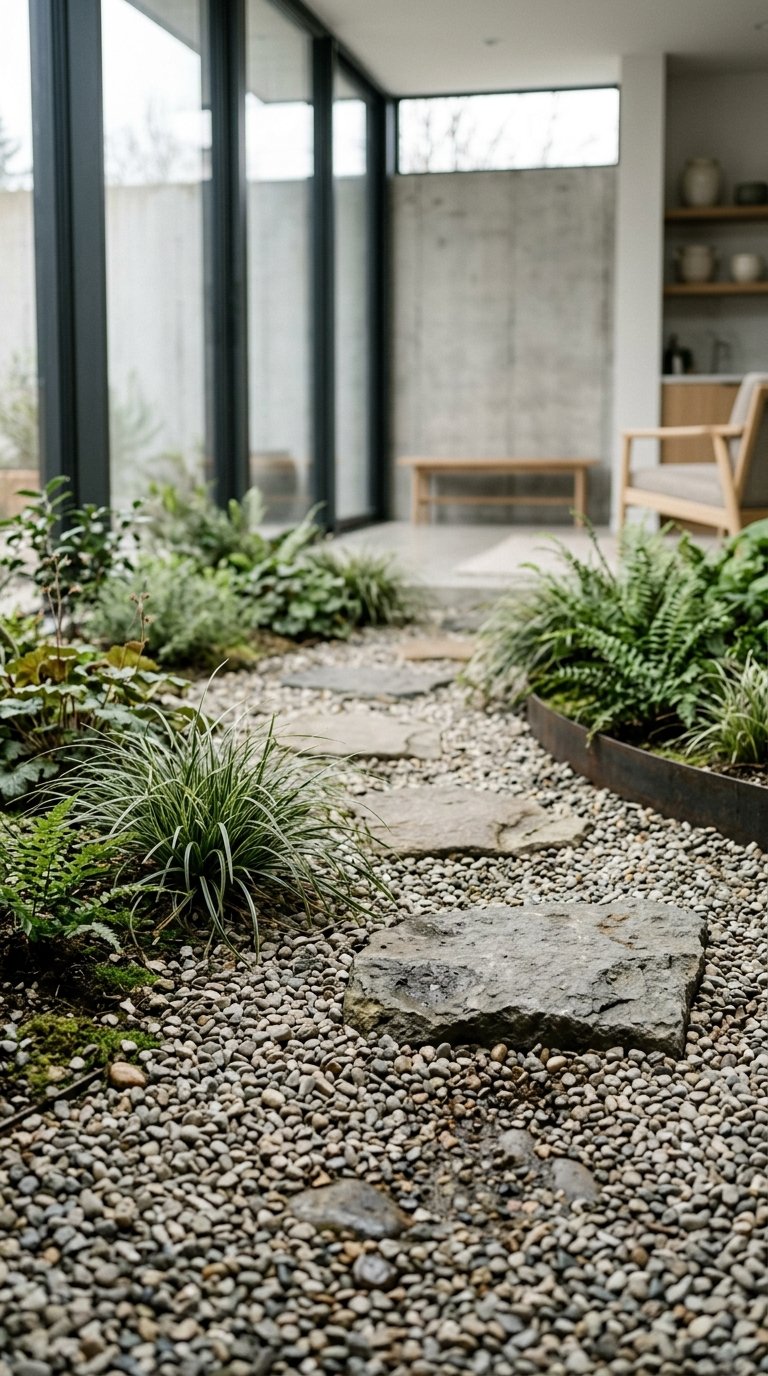
Maintaining a pristine lawn in a small garden consumes time, equipment, and resources that most gardeners would rather spend on plants. A gravel ground cover with stepping stones and planted pockets creates a low-maintenance, drought-tolerant garden surface that looks good year-round without weekly mowing.
20mm pea gravel costs $35 to $55 per bulk bag and covers approximately 15 square feet at a 2-inch depth. Lay it over a woven landscape fabric membrane to suppress weeds. Cut planting pockets through the membrane for specimen plants. A gravel garden surface reduces maintenance time by 70 to 80 percent compared to a lawn of the same area.
23. Edit Ruthlessly and Keep It Simple
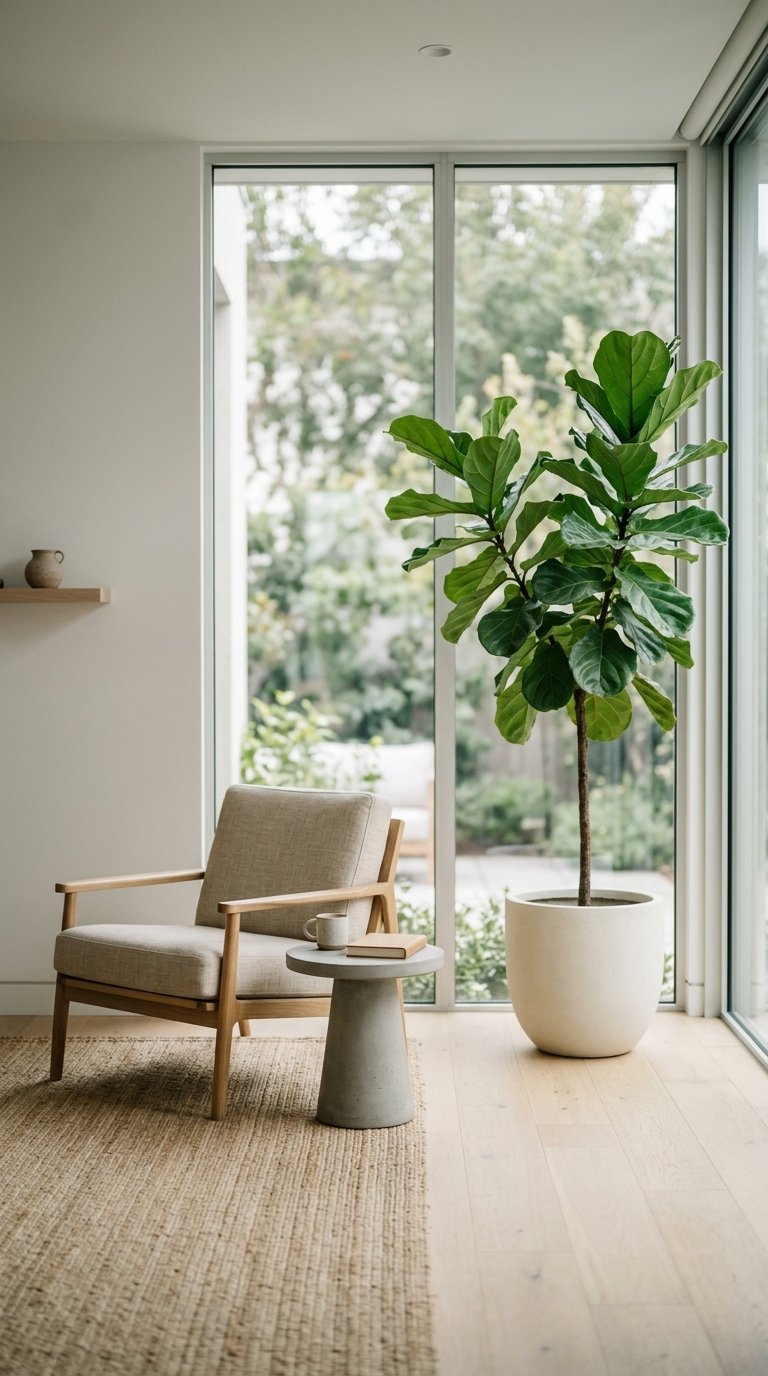
The most common small garden design mistake is overcrowding. A small garden with fewer, better-chosen elements always looks larger and more intentional than the same space packed with every plant, ornament, and feature that caught your eye at the garden center.
Apply the editing principle to every element: one seating area, one focal point, one water feature, two or three repeated plant varieties, and a clear path. Remove anything that doesn’t serve one of those functions. The discipline of editing a small garden produces the same result it produces in interior design: a space that feels considered, spacious, and complete rather than cluttered and overwhelmed.
Final Thoughts
A small garden rewards design thinking more than a large garden ever needs to. Every decision matters more, every plant earns its place harder, and every well-executed idea delivers a proportionally larger visual return in a compact space than it would in a sprawling one.
Start with a layout, choose a focal point, add layered planting along the boundaries, and define a seating zone. Those four decisions structure everything else. Build from there one element at a time, edit constantly, and your small garden becomes the most intensely satisfying outdoor space you’ve ever spent time in. Size was never the point.