23 Boys Nursery Ideas That Work From Newborn to Toddler
You have a baby boy coming and a blank room staring back at you. Exciting and slightly terrifying, right? Everyone has an opinion. Your mother wants trains. Your partner wants something “timeless.” Pinterest has 47,000 options and zero clarity.
Here is what actually works.
I’ve pulled together 23 boys’ nursery ideas that balance good design with real practicality. Because a nursery needs to look good in photos AND function at 3am when you’re running on no sleep and pure adrenaline.
1. Go With a Neutral Base and Add Color Through Accessories
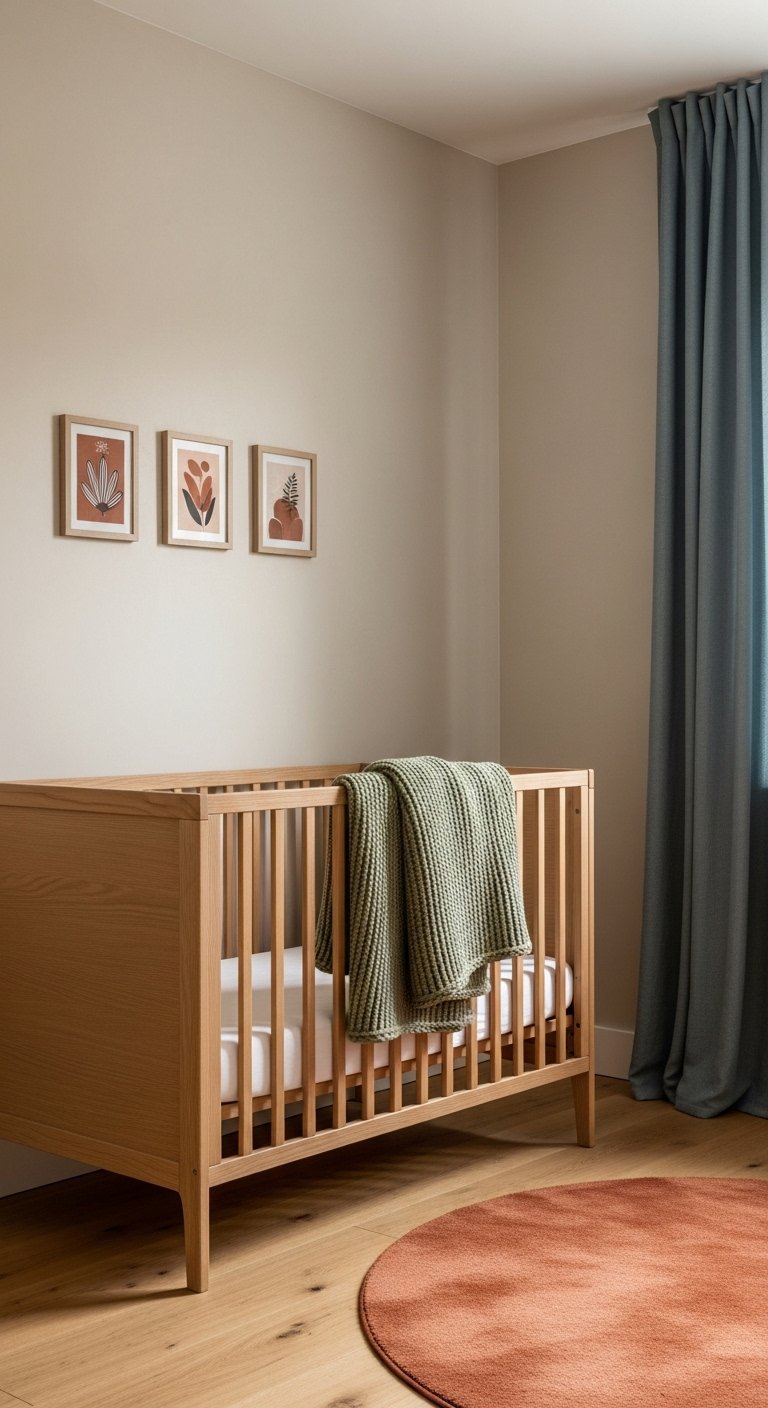
The biggest mistake parents make with a boys nursery: committing the walls to a theme their child will outgrow in two years.
Start with a warm neutral wall color, soft white, warm greige, or pale oat, and bring color and personality in through bedding, rugs, curtains, and wall art. These things cost far less to replace than a repaint.
This approach also photographs beautifully and keeps the room feeling calm, which matters more than you’d think when you’re trying to settle a baby.
Think of the walls as the background. Let everything else do the talking.
2. Choose a Forest or Nature Theme
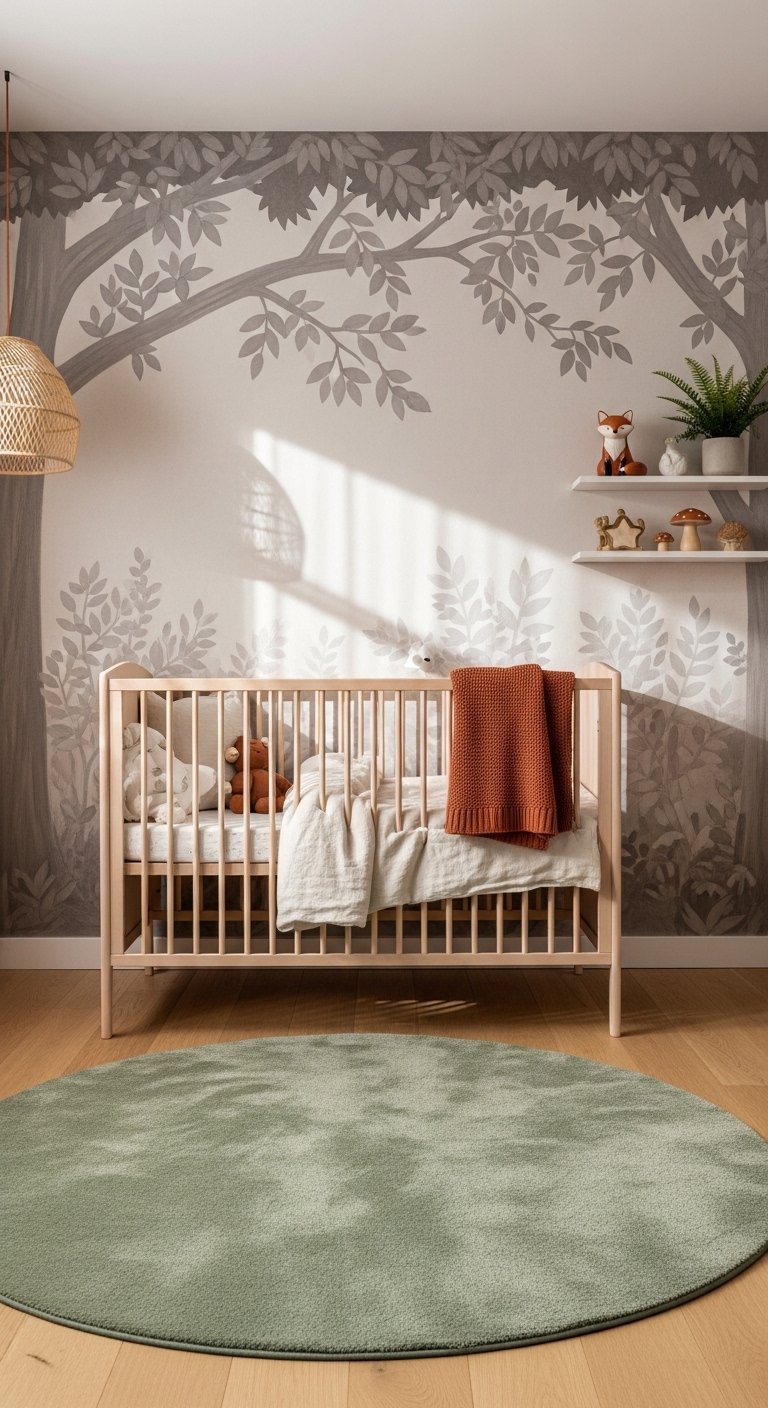
Nature themes for boys’ nurseries have staying power. They don’t date the way rocket ships or sports themes do.
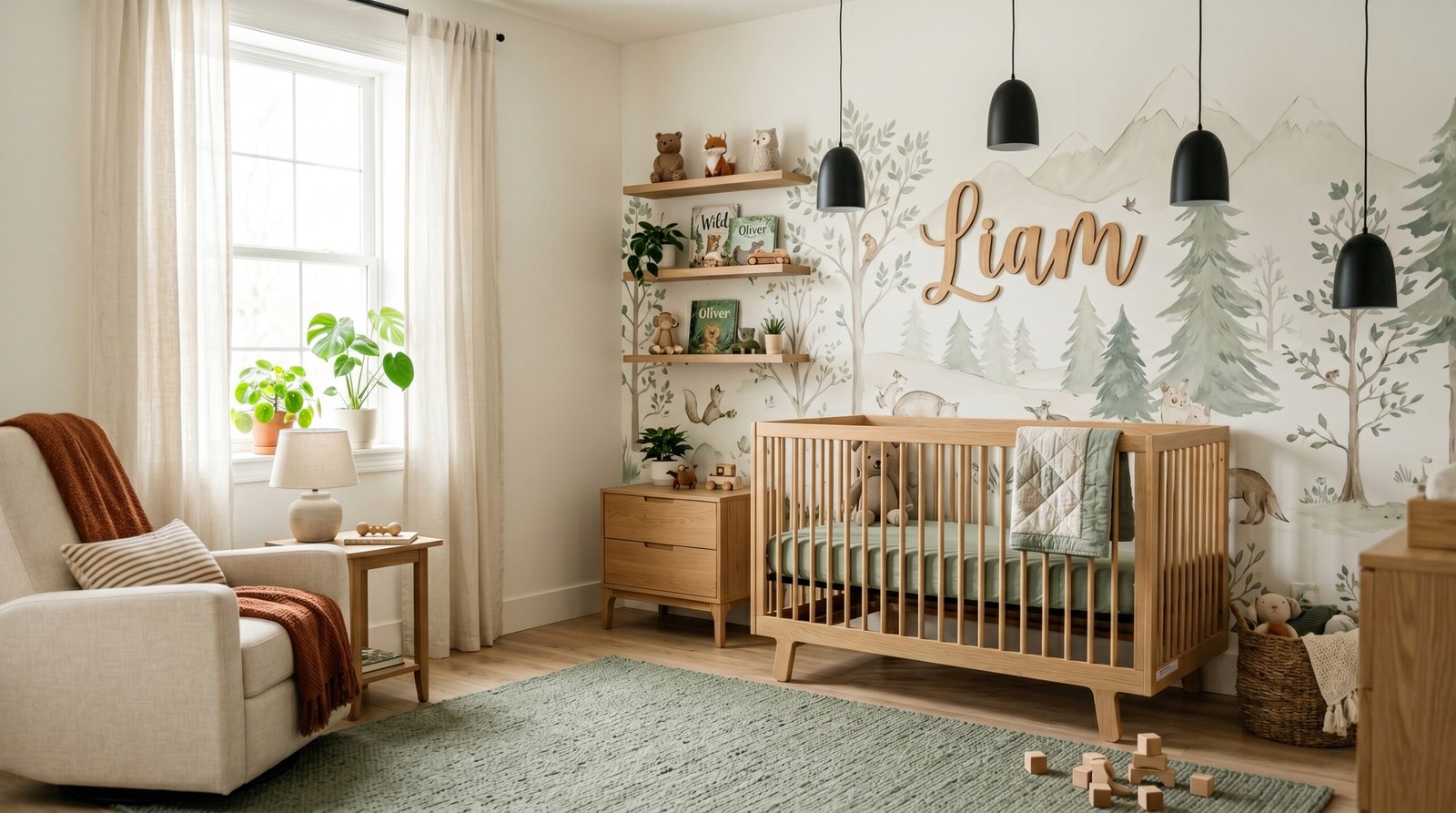
A forest nursery theme uses soft greens, warm browns, and earthy neutrals as the foundation. Tree wall murals, woodland animal plush toys, mushroom night lights, and leaf-print bedding all build the theme without screaming it.
This theme grows with the child too. A four-year-old still accepts a forest room. A four-year-old in a room covered in cartoon baby animals is a harder sell.
Keep the palette muted: sage green, warm terracotta, cream, and natural wood. Avoid bright lime green or cartoon-style animal prints if you want the room to feel considered.
3. Install a Statement Wall Mural
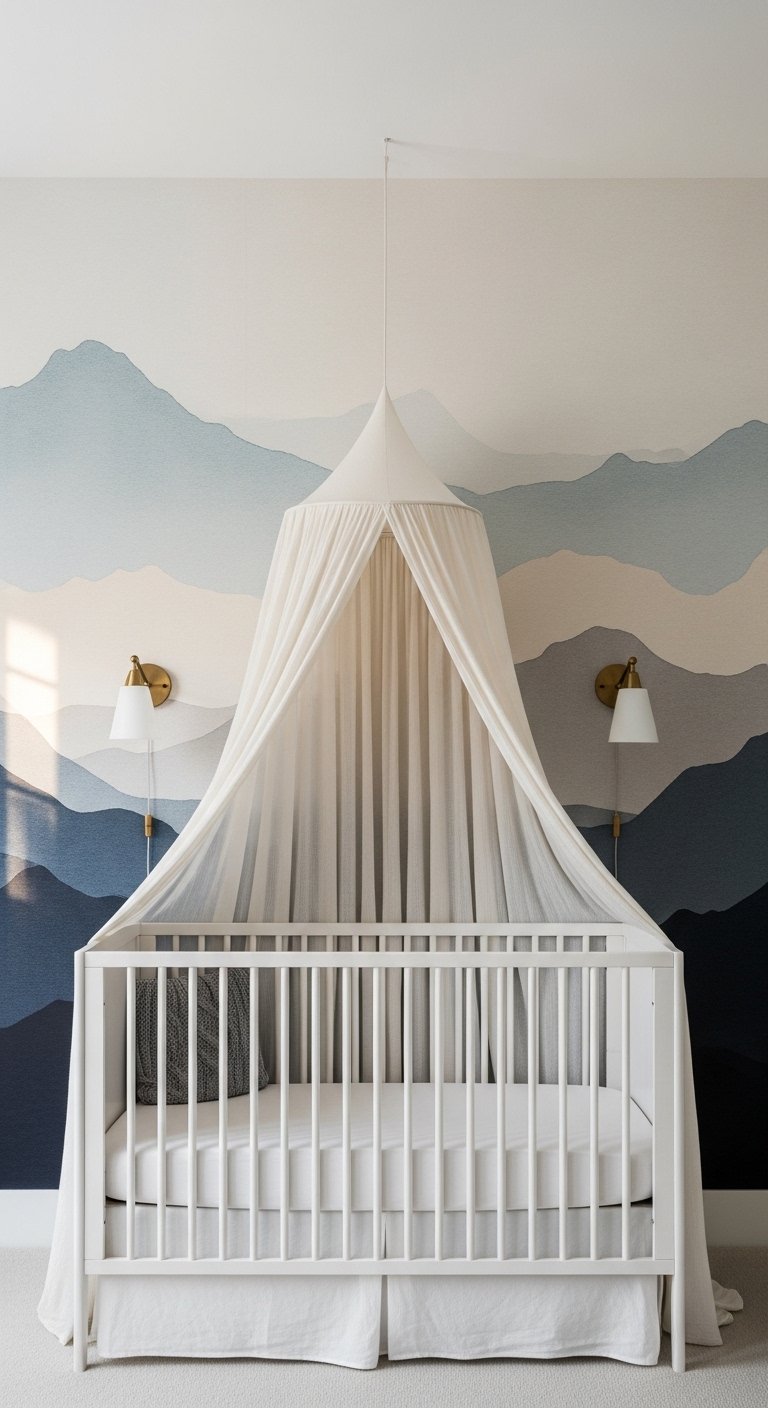
One wall. One decision. Maximum impact.
A painted or wallpapered mural on the wall behind the crib transforms the entire room without touching the other three walls. Mountains, abstract shapes, a soft forest scene, a simple geometric pattern: all work well in a boys nursery.
Peel-and-stick mural wallpaper has improved dramatically in quality. You no longer need to hire a decorator or commit permanently. Decent peel-and-stick murals now look as good as traditional wallpaper from a normal viewing distance.
Position the crib against the mural wall so it becomes the visual backdrop in every photo you take of your son in his crib. You’ll thank yourself later.
4. Use a Crib With Storage Underneath
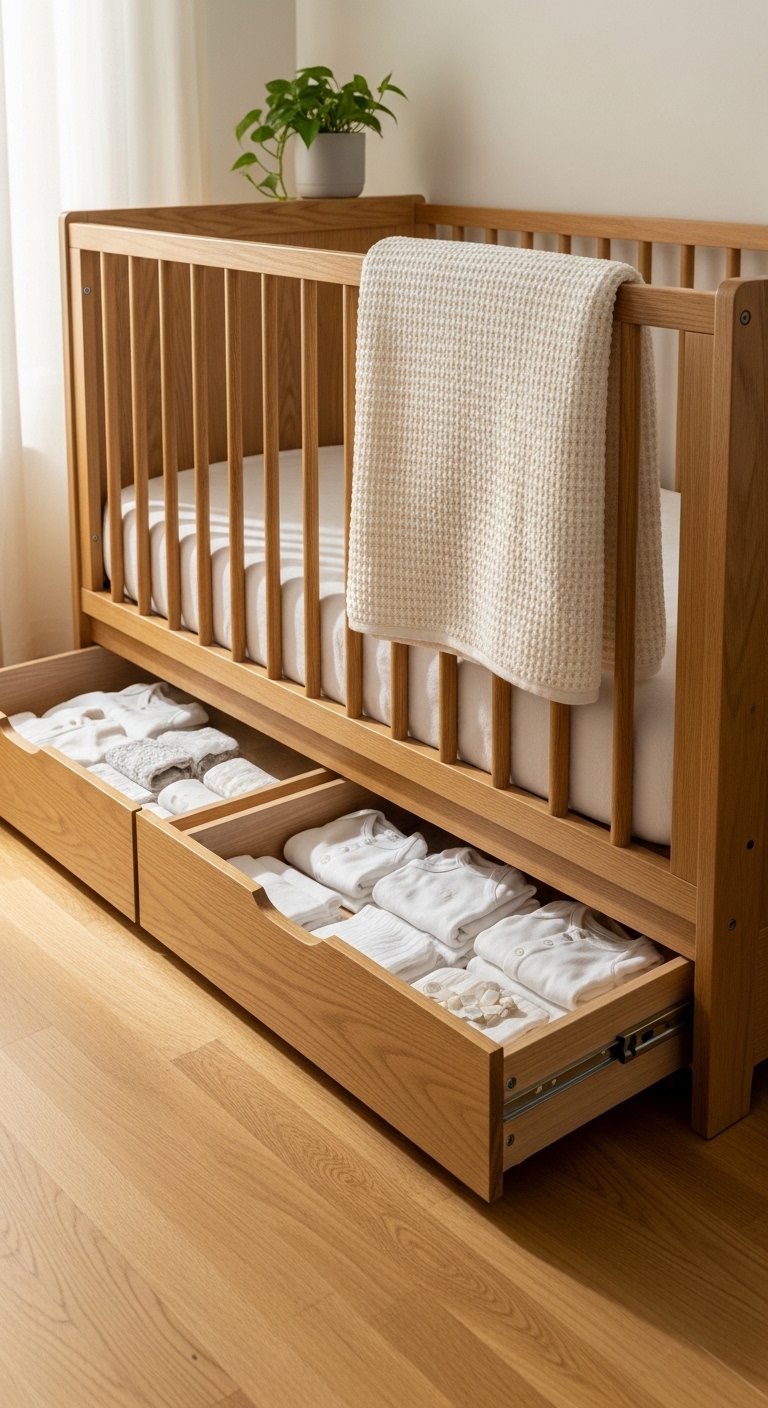
Nursery storage is always the thing parents underestimate until they’re drowning in onesies and burp cloths.
A crib with built-in storage drawers underneath solves the floor storage problem without adding more furniture to an already busy room. The drawers hold nappies, spare bedding, and clothing your baby hasn’t grown into yet.
This is especially important in smaller nurseries where a separate dresser eats too much floor space.
Look for cribs that convert to toddler beds too. A convertible crib with under-storage is the most space-efficient single piece of furniture you’ll put in this room.
5. Paint the Walls in Dusty Blue
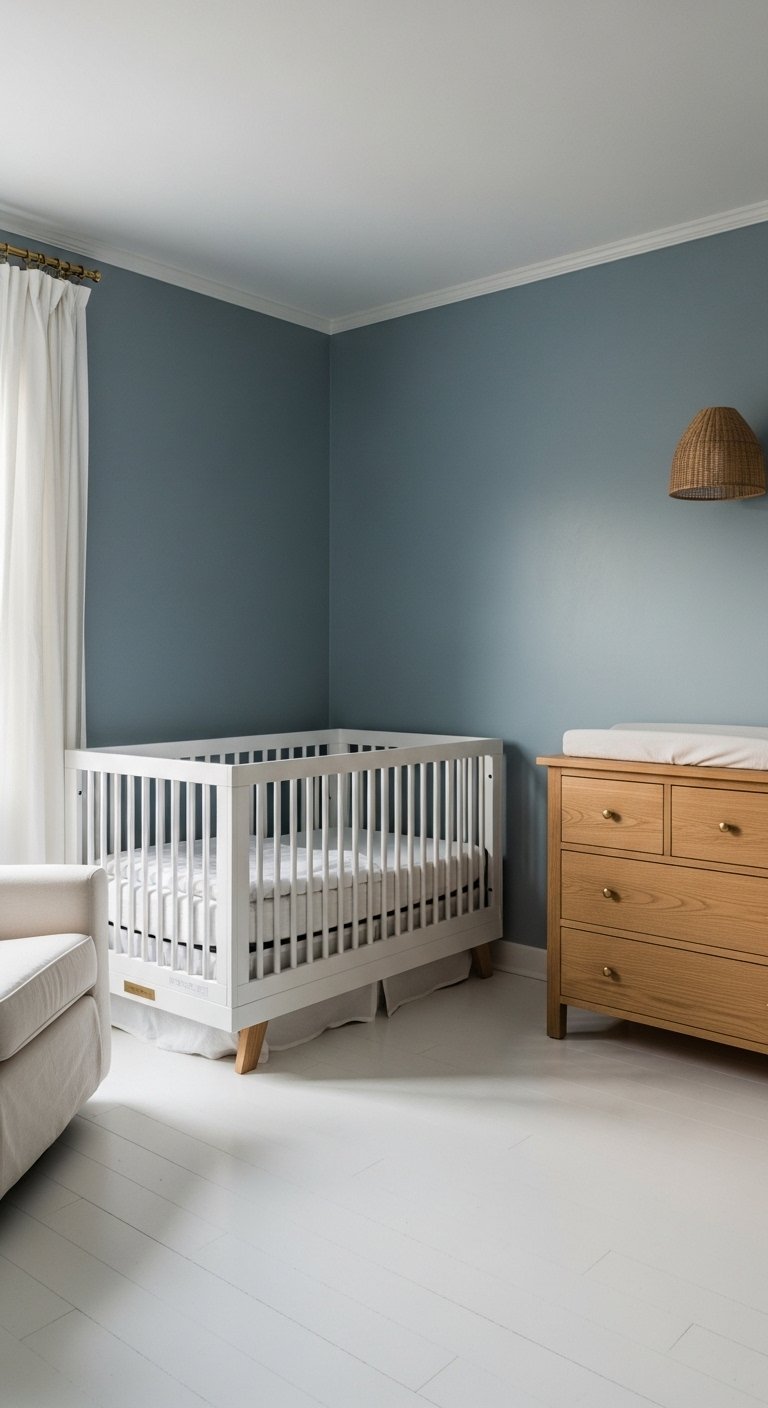
If you want one color that works specifically well in a boys nursery without being aggressively gendered, dusty blue is it.
Dusty blue, also called powder blue or slate blue, sits between grey and blue in tone. It reads as calm and sophisticated rather than the loud primary blue that dates a room instantly.
Pair it with white woodwork, natural oak furniture, and warm linen textiles. The combination is clean, timeless, and works from newborn through toddler years without feeling babyish.
This color also works well with both warm and cool artificial lighting, which matters in a room you’ll use at all hours.
6. Add a Rocking Chair or Glider
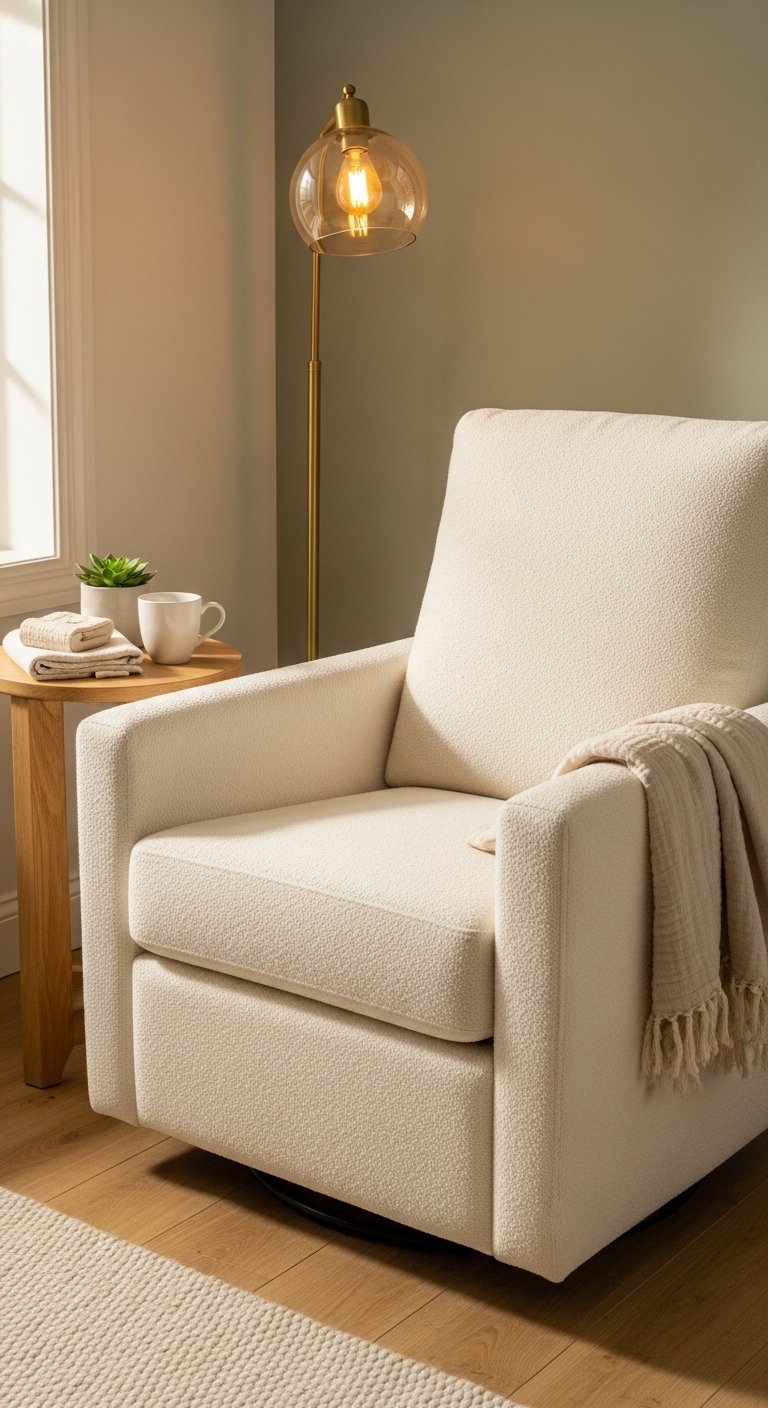
Every nursery needs a comfortable adult seat. Every parent learns this the hard way.
A quality nursing glider or rocking chair is the piece of furniture you’ll use more than anything else in the room. Night feeds, settling sessions, story time: you’ll spend hours in this chair.
Don’t cheap out here. A poorly made glider with inadequate lumbar support becomes a genuine problem at 2am when you’re on your fourth feed of the night.
Upholster it in a washable fabric. Nurseries involve bodily fluids. This is not the room for dry-clean-only textiles.
7. Install a Gallery Wall Above the Crib
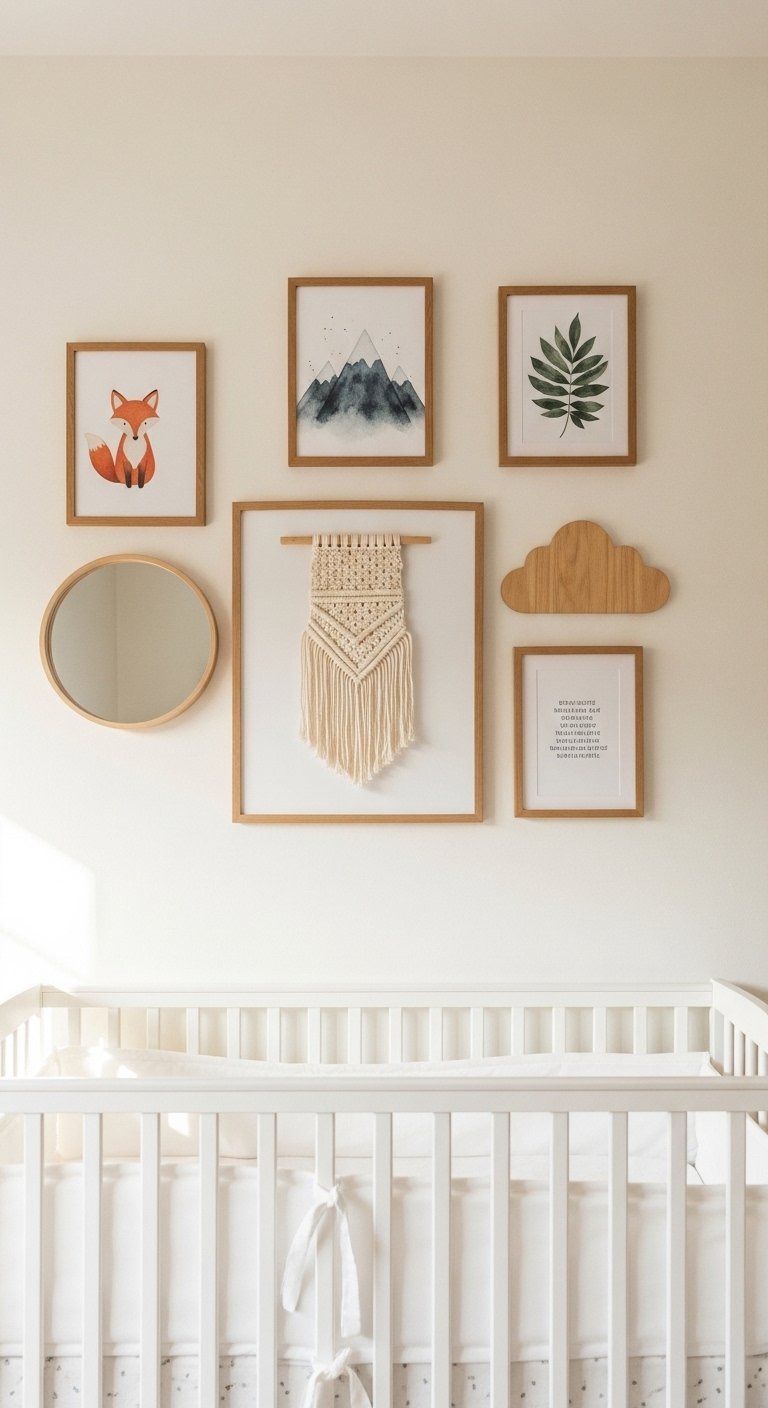
A gallery wall above the crib gives you a flexible, personal design element that costs very little.
Mix framed art prints, small mirrors, wooden letters, and fabric wall hangings in a cohesive palette above the crib. Keep everything lightweight and properly secured. Nothing heavy directly above where a baby sleeps.
Choose a frame finish and stick with it: all natural wood, all white, or all black. Mixing frame finishes in a small gallery wall almost always looks accidental.
Update individual prints as your son grows without changing the overall layout. This is one of the easiest nursery elements to evolve over time.
8. Use a Cloud or Star Ceiling Feature
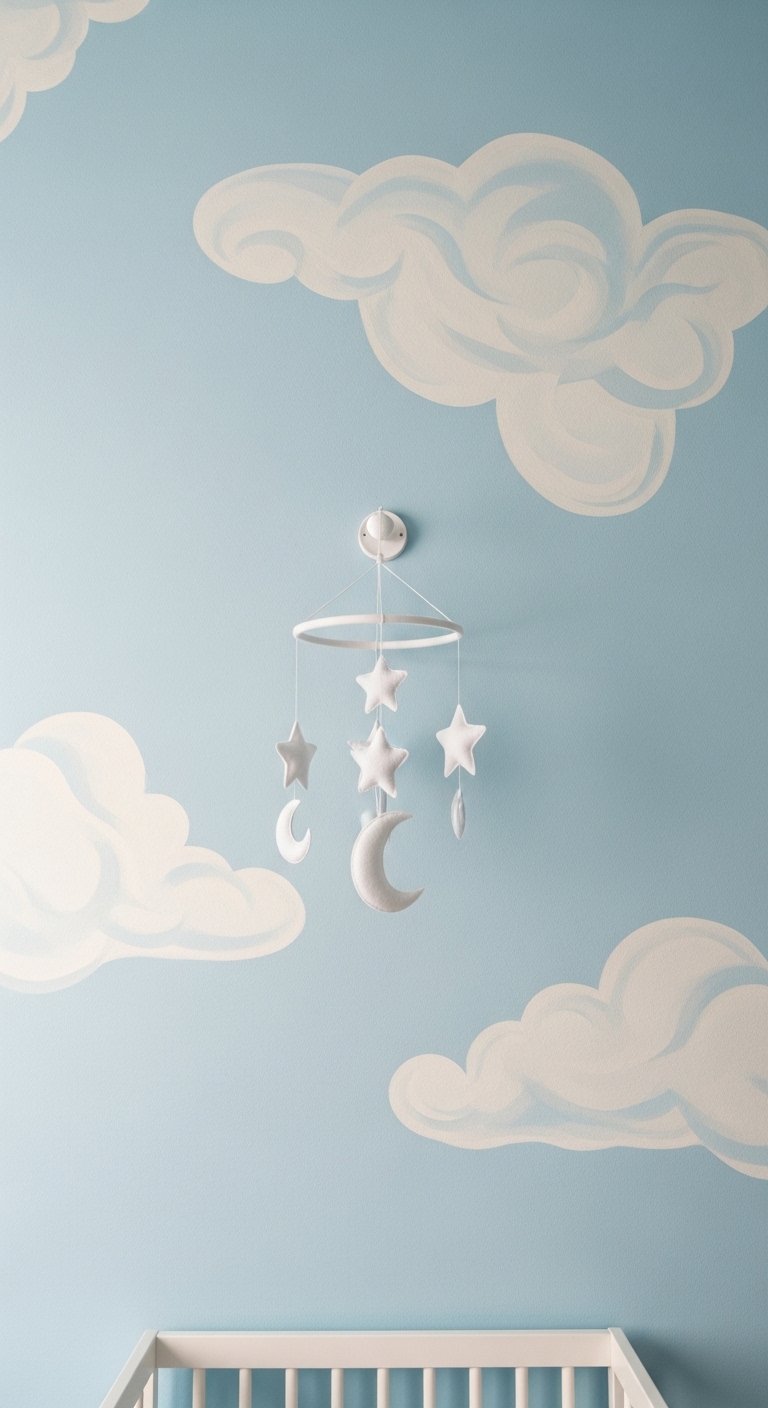
Look up. Most nursery ceilings are completely wasted space.
A cloud-painted ceiling, a star ceiling decal, or a simple ceiling mobile adds a design element that a baby actually looks at. Babies spend a lot of time on their backs staring upward. Give them something worth looking at.
Glow-in-the-dark star ceiling stickers are a particularly good investment. They add a daytime design element and a nighttime settling tool in one product.
For a more premium look, a plaster or paper cloud installation on a white ceiling creates a nursery feature that photographs beautifully and costs less than most people expect.
9. Choose a Safari or Jungle Theme
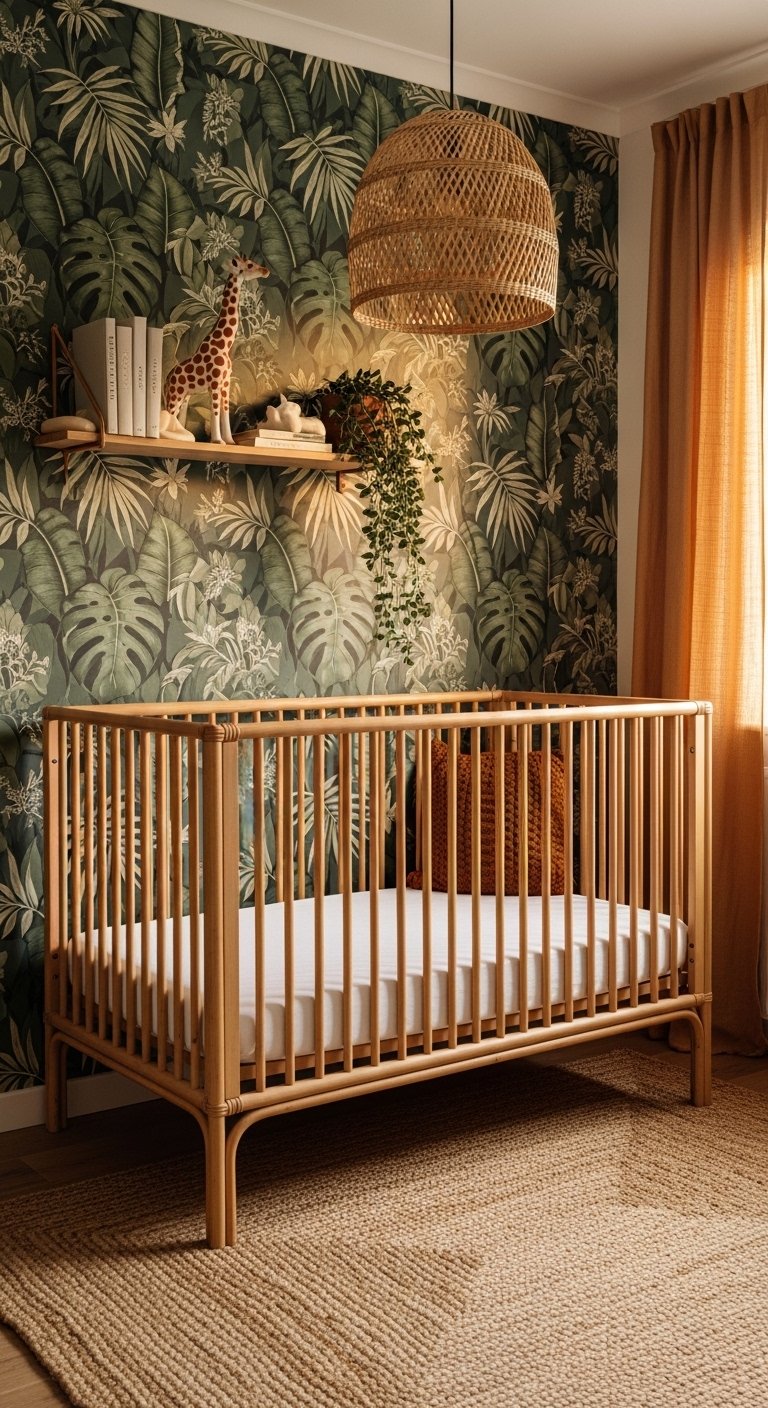
Safari and jungle themes for boys’ nurseries have been popular for decades. They’ve lasted because they work.
Jungle nursery themes use deep greens, warm ochre, terracotta, and natural textures as a base. Large tropical leaf prints, rattan furniture accents, animal figurines, and woven baskets all build the theme naturally.
IMO, the jungle theme works best when you avoid the cartoon animal version and lean toward the more botanical, illustrated style. Think botanical prints rather than animated giraffes wearing hats.
This theme works equally well in small nurseries and large ones. The botanical elements scale with the room size without losing their impact.
10. Install Floating Shelves for Display and Storage
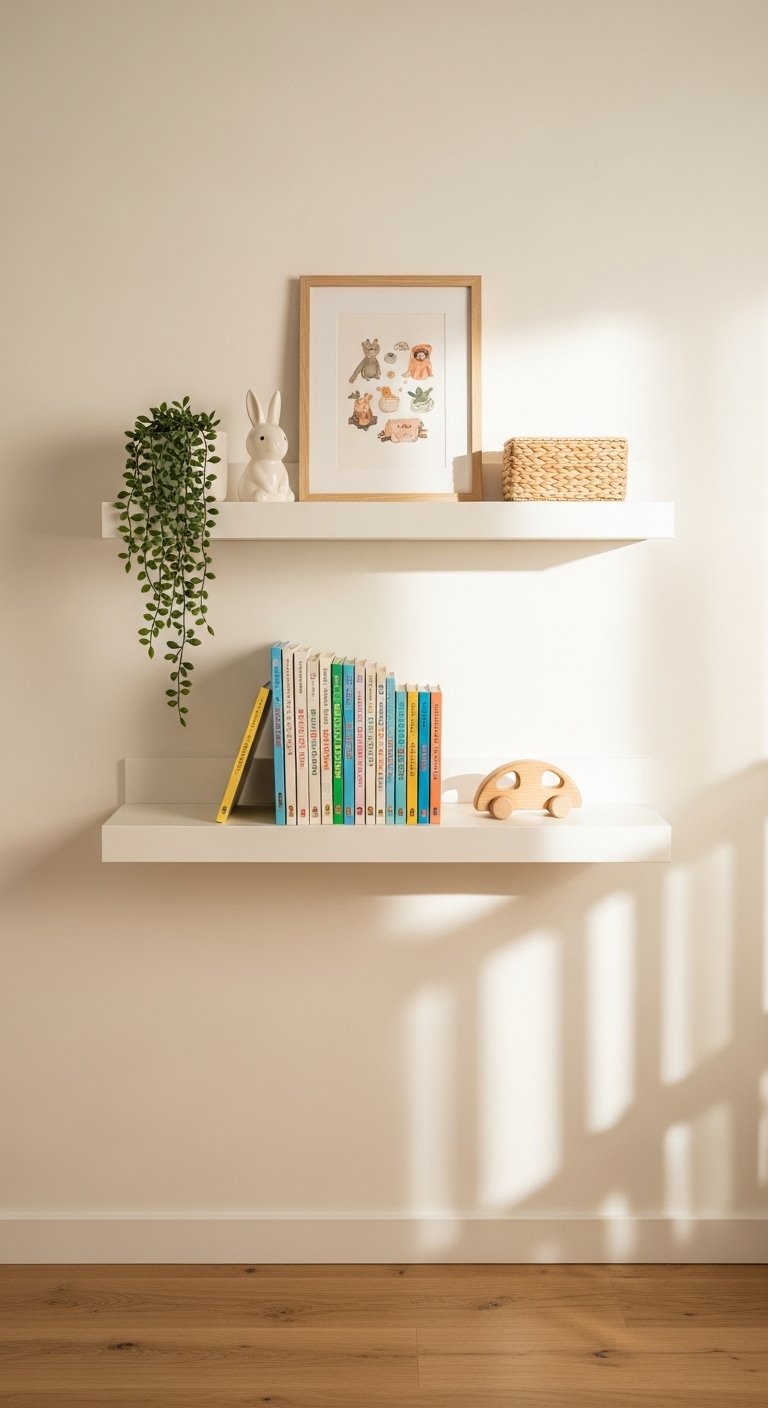
Floor space in a nursery disappears fast. Walls are your backup storage system.
Floating shelves at adult reach height store books, small toy baskets, and decorative objects without taking up floor space. Style the front row with decorative items and use the back row for practical storage.
Use shelves with a lip or rail on the front edge to stop items falling. A baby-proof shelf lip costs almost nothing extra and prevents a lot of annoying accidents.
Mount shelves well above crib height on any wall adjacent to the sleeping area. Shelves directly above where a baby sleeps are a safety risk regardless of how well they’re anchored.
11. Add a Canopy Over the Crib
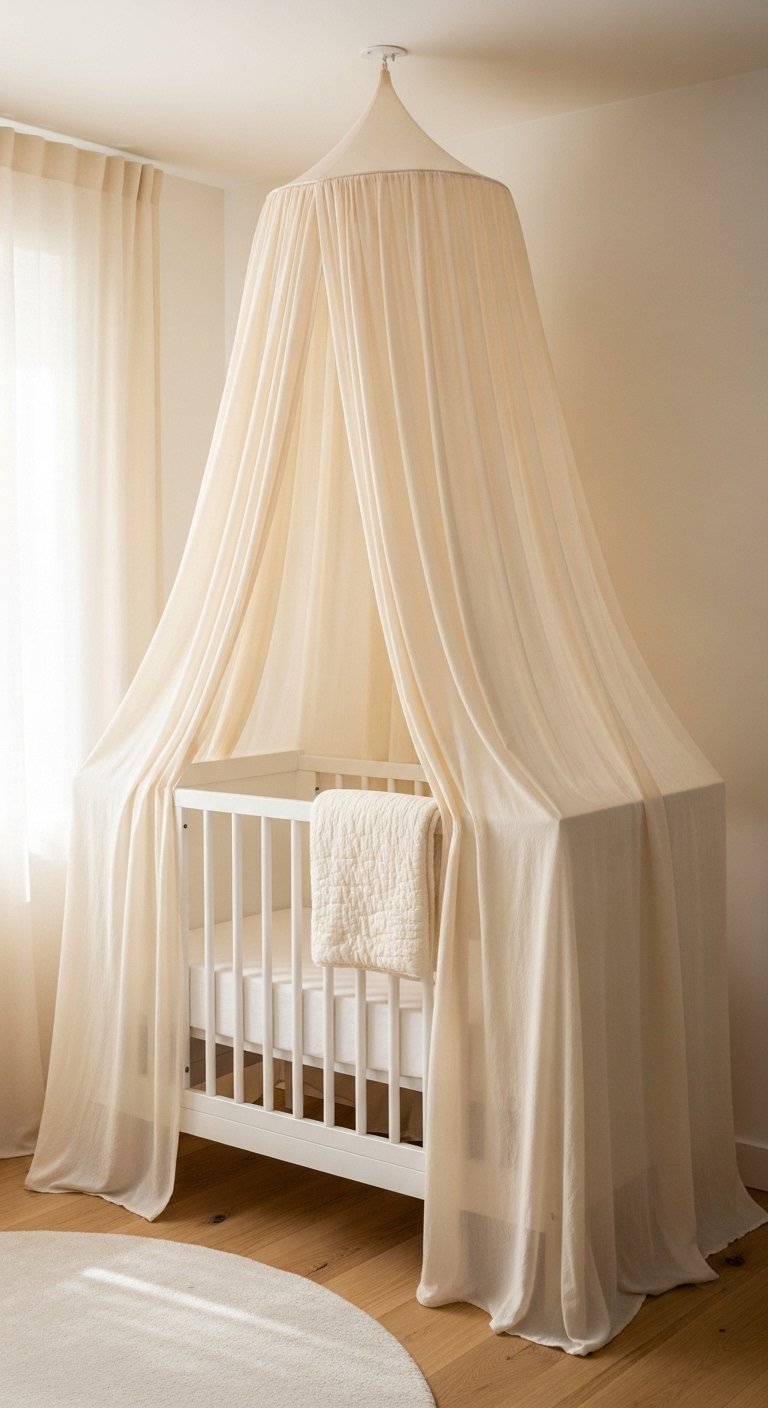
A canopy over the crib is one of those ideas that looks complicated and expensive but is neither.
A simple fabric canopy mounted to the ceiling or wall above the crib adds softness and a sense of enclosure that makes the sleeping area feel intentional and cozy.
Sheer white or cream fabric works in almost every nursery style. For a jungle theme, use a natural cotton canopy. For a minimal nursery, use a simple linen drape. For a more whimsical look, use a star-printed cotton.
Keep the canopy decorative rather than functional as a cover. Proper safe sleep guidelines mean the canopy should hang well clear of the crib interior.
12. Use Wallpaper on One Wall Only
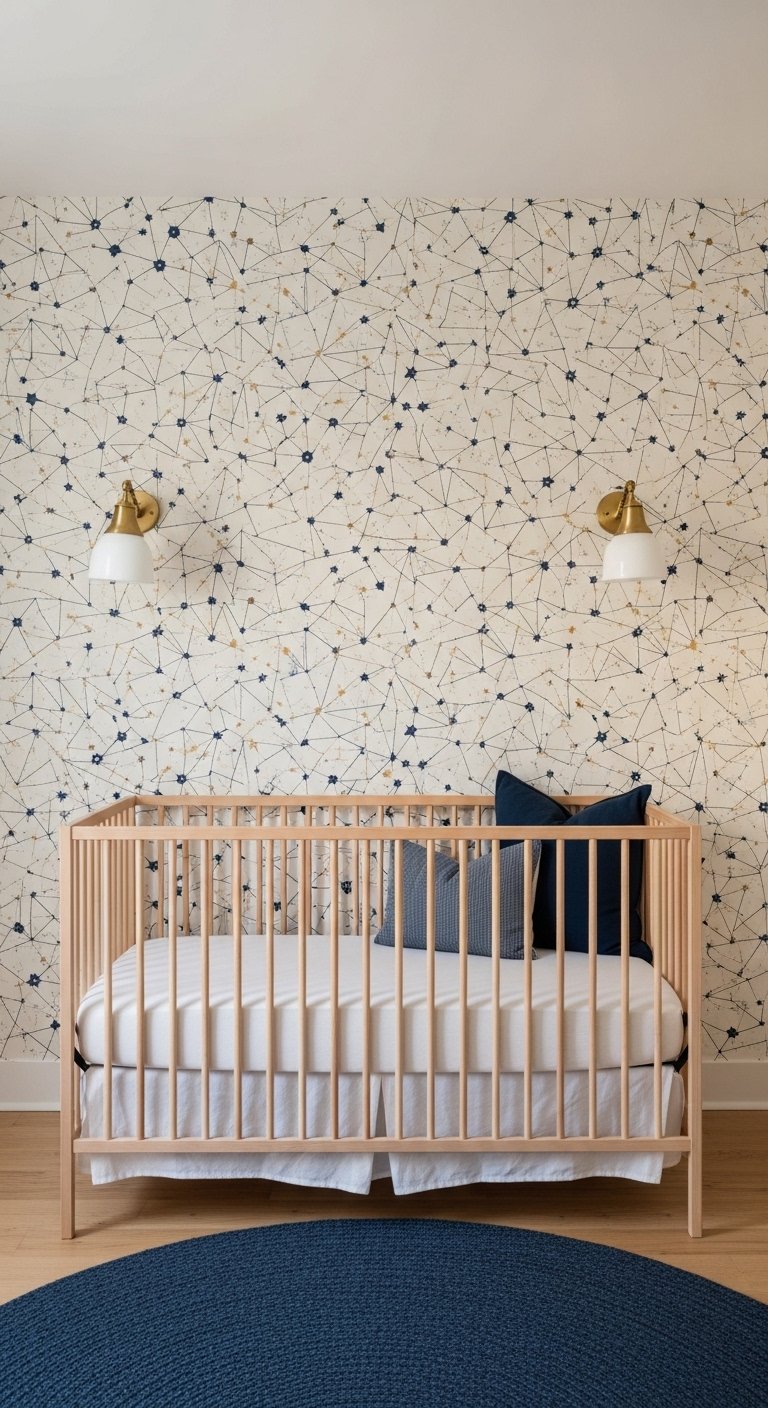
Full-room wallpaper in a nursery is a big commitment. One wall is a smarter move.
A single feature wall of wallpaper behind the crib or changing area gives you the visual impact of wallpaper without the cost or commitment of papering the full room.
Boys nursery wallpaper options have expanded significantly. Geometric patterns, constellation prints, dinosaur illustrations, vehicle patterns, and abstract watercolor designs all work well as feature walls.
Choose a pattern scale that suits the room size. Large-scale patterns on a small wall can feel overwhelming. Smaller repeat patterns work better in compact nurseries.
13. Build a Reading Nook
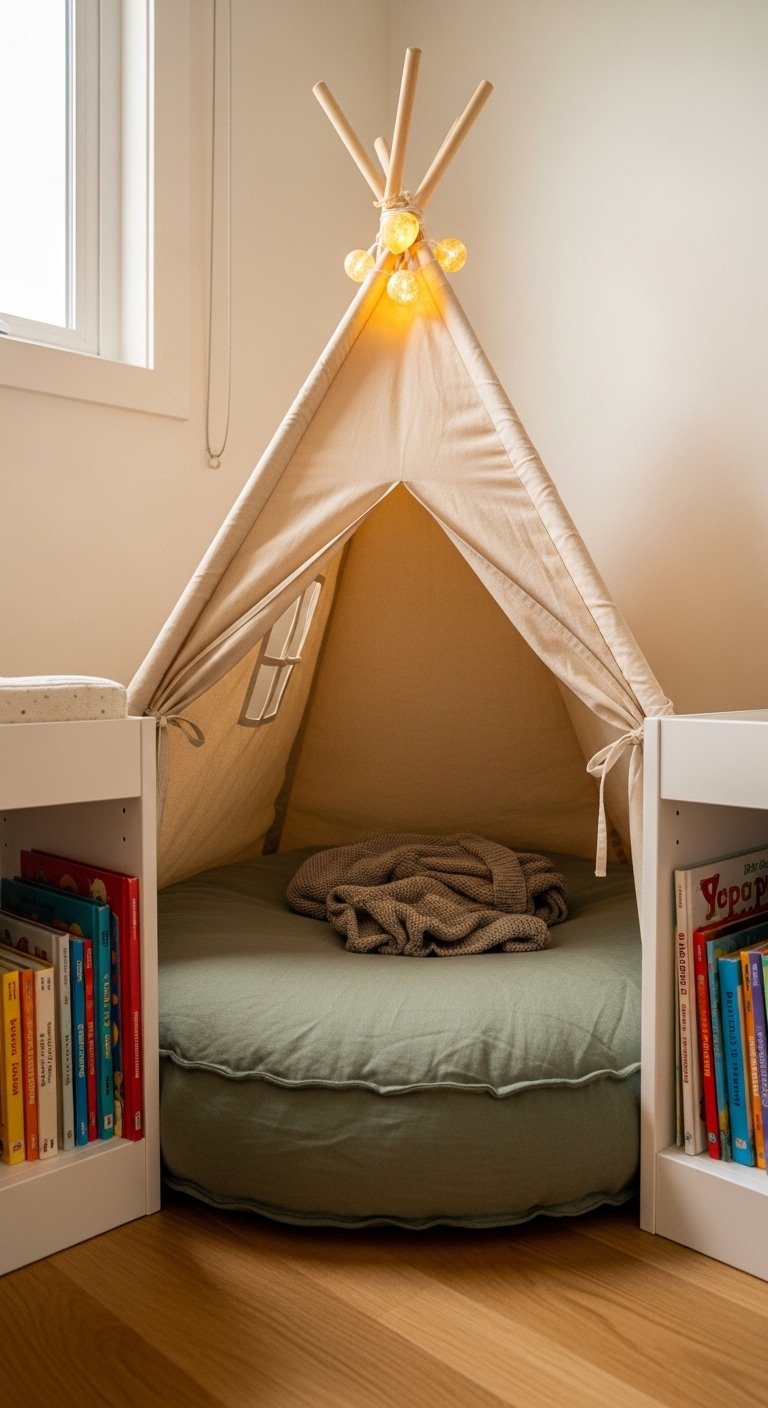
A reading nook in a nursery serves no purpose for a newborn. It serves every purpose for a two-year-old.
A small floor-level reading nook with a soft floor cushion, a low bookshelf, and a small wall light creates a dedicated space for story time that a toddler will use daily.
This is one of those nursery features worth planning from the start even if you don’t use it immediately. Building it into the original room design costs less than retrofitting it later.
A simple tent or teepee frame over a floor cushion works as an affordable reading nook alternative that requires no construction and stores flat when not in use.
14. Choose Furniture That Converts and Grows
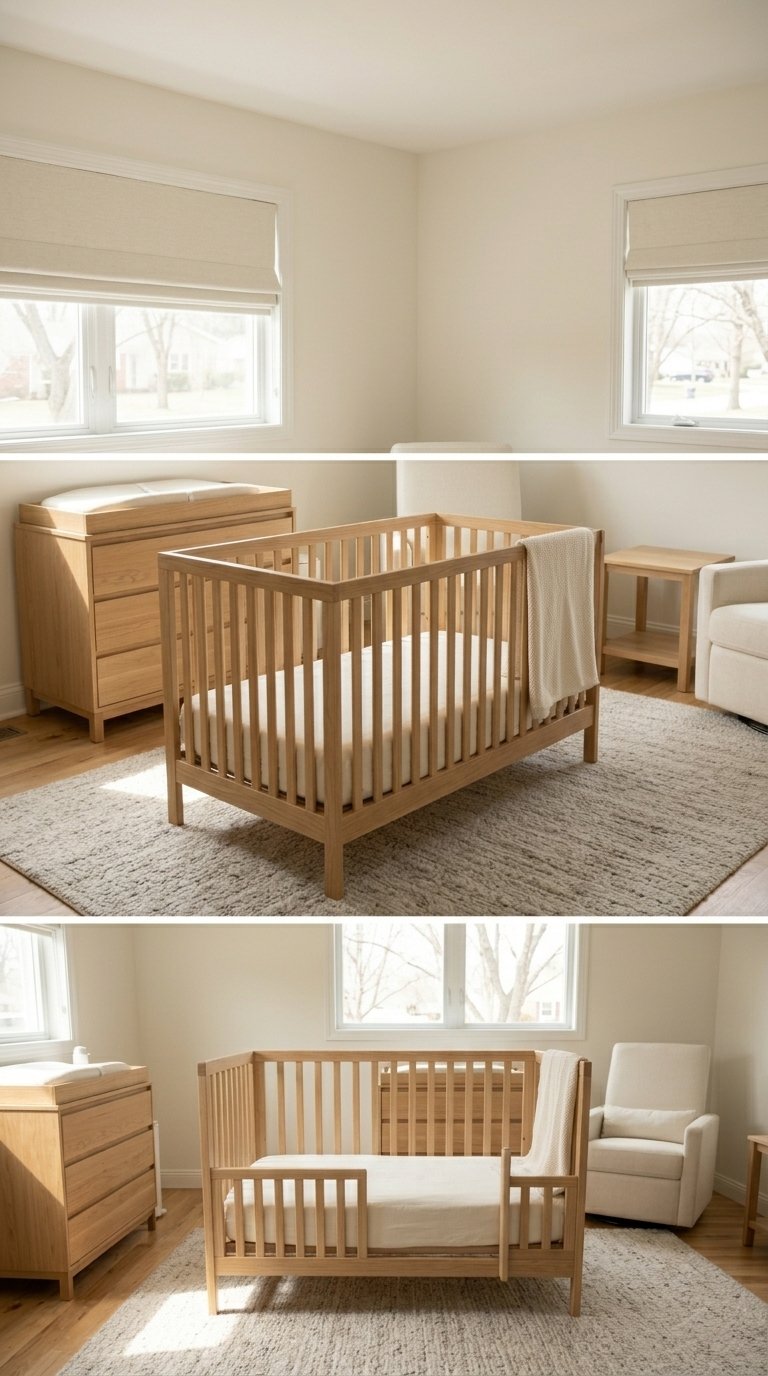
Nursery furniture has a short functional lifespan if you buy pieces designed only for infants.
Convertible furniture including cribs that become toddler beds, changing tables that become dressers, and nursing chairs that work as regular armchairs extends the life of your investment significantly.
A convertible crib costs more upfront than a standard crib. Over five years of use, it costs less than buying a crib and then a toddler bed separately.
Apply the same logic to every major piece. Ask before you buy: does this furniture work for a five-year-old? If the answer is no, look for an alternative that does.
15. Use a Dinosaur Theme
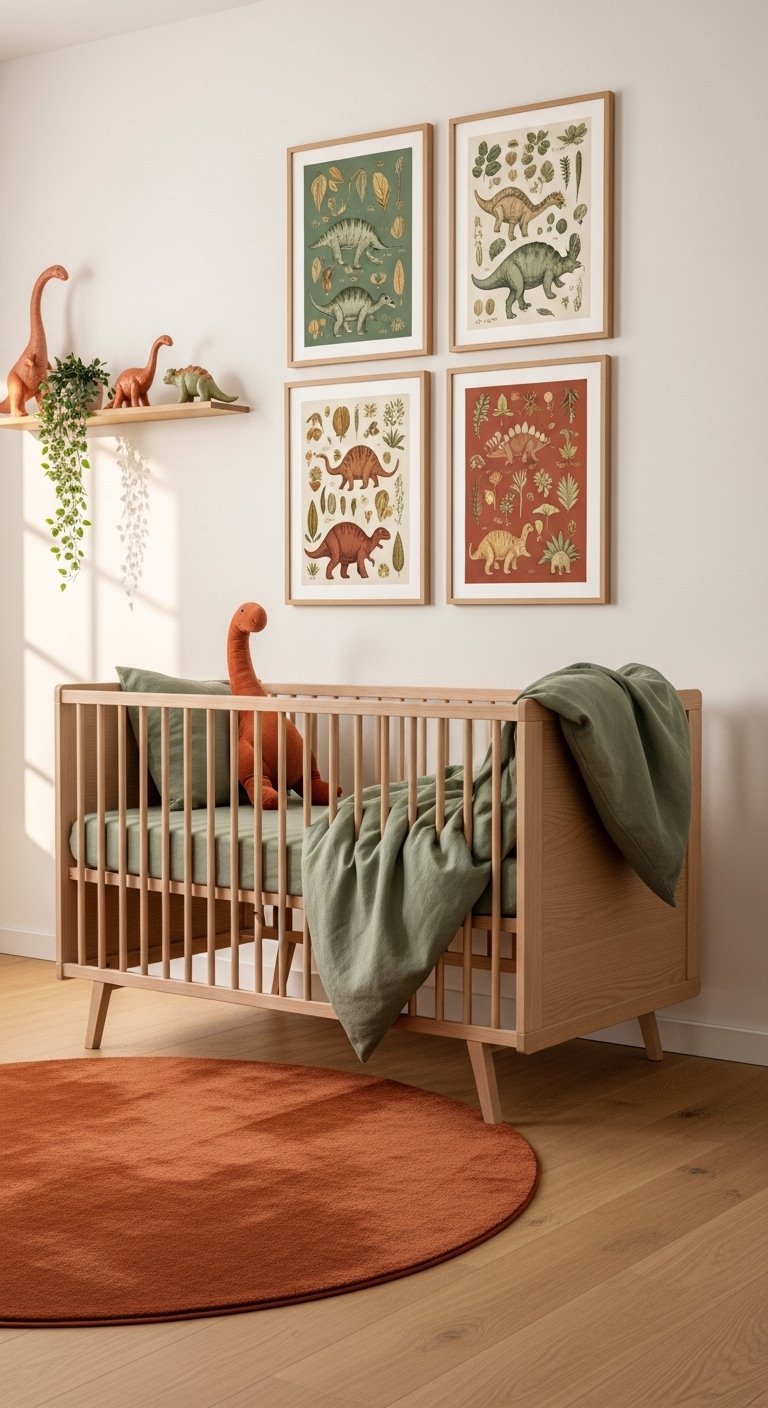
Dinosaur nurseries for boys are enormously popular and for good reason: children remain obsessed with dinosaurs for years.
A dinosaur nursery theme works best in muted, earthy tones rather than bright primary colors. Sage green, terracotta, warm beige, and natural wood create a sophisticated palette that carries illustrated dinosaur prints well.
Avoid the fluorescent green and purple dinosaur color palette if you want the room to feel designed rather than purchased wholesale from a party supply store.
Wall decals, illustrated art prints, a dinosaur plush collection on a shelf, and a dinosaur-print rug all build the theme without overpowering the room.
16. Install Good Blackout Curtains
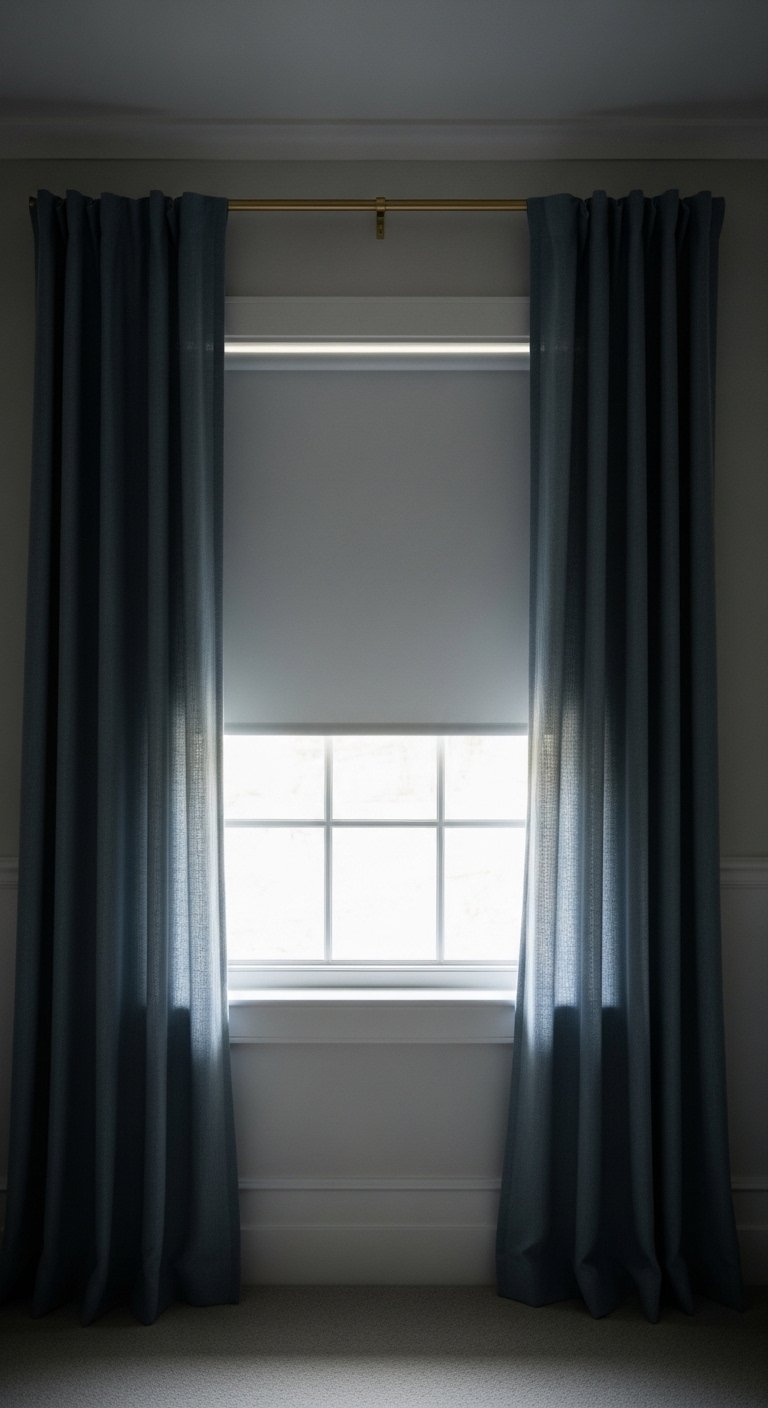
This is the most practical idea on the entire list. Sleep training is hard enough without fighting natural light.
Full blackout curtains or blinds in a nursery make a measurable difference to sleep quality and sleep duration for babies and toddlers. A room that blocks 95% of light is not good enough. You want 100%.
Blackout roller blinds behind curtains is the most effective combination. The blind blocks the light. The curtain covers the blind edges where light leaks through.
This is not where you economize. A well-rested baby and a well-rested parent are worth every penny of a quality blackout window treatment 🙂
17. Add a Name Sign Above the Crib
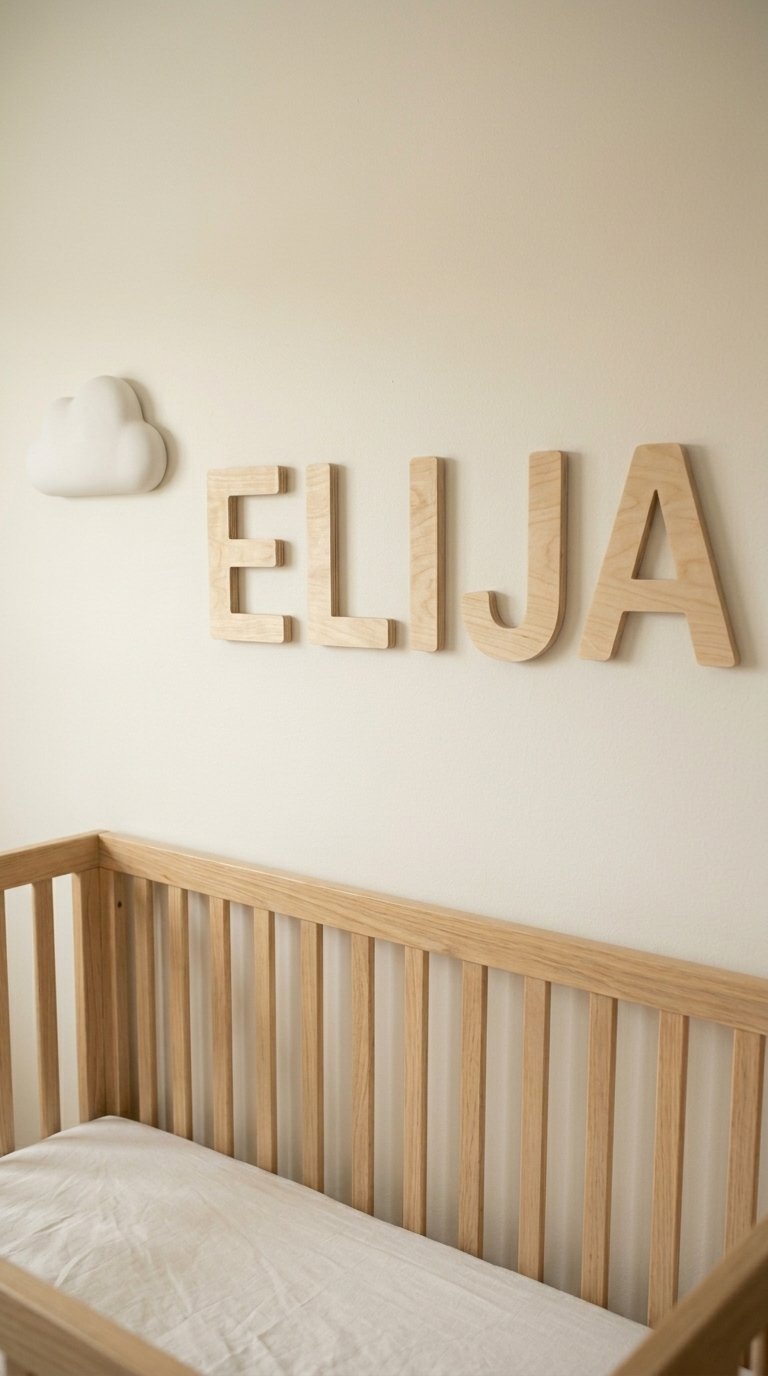
Personalization in a nursery makes the space feel genuinely made for that specific child.
A wooden or acrylic name sign mounted above the crib is one of the most popular nursery additions for a reason. It’s simple, personal, and works in every nursery style.
Wooden letter sets in natural or painted finishes suit rustic and natural themes. Acrylic letters in white or gold suit more modern and minimal nurseries. Neon name signs add a contemporary edge for parents who want something less traditional.
Mount the sign well above the crib on a clear wall area. Ensure every fixing is properly anchored. A name sign that falls into a crib is a safety incident, not a design feature.
18. Use a Nautical or Ocean Theme
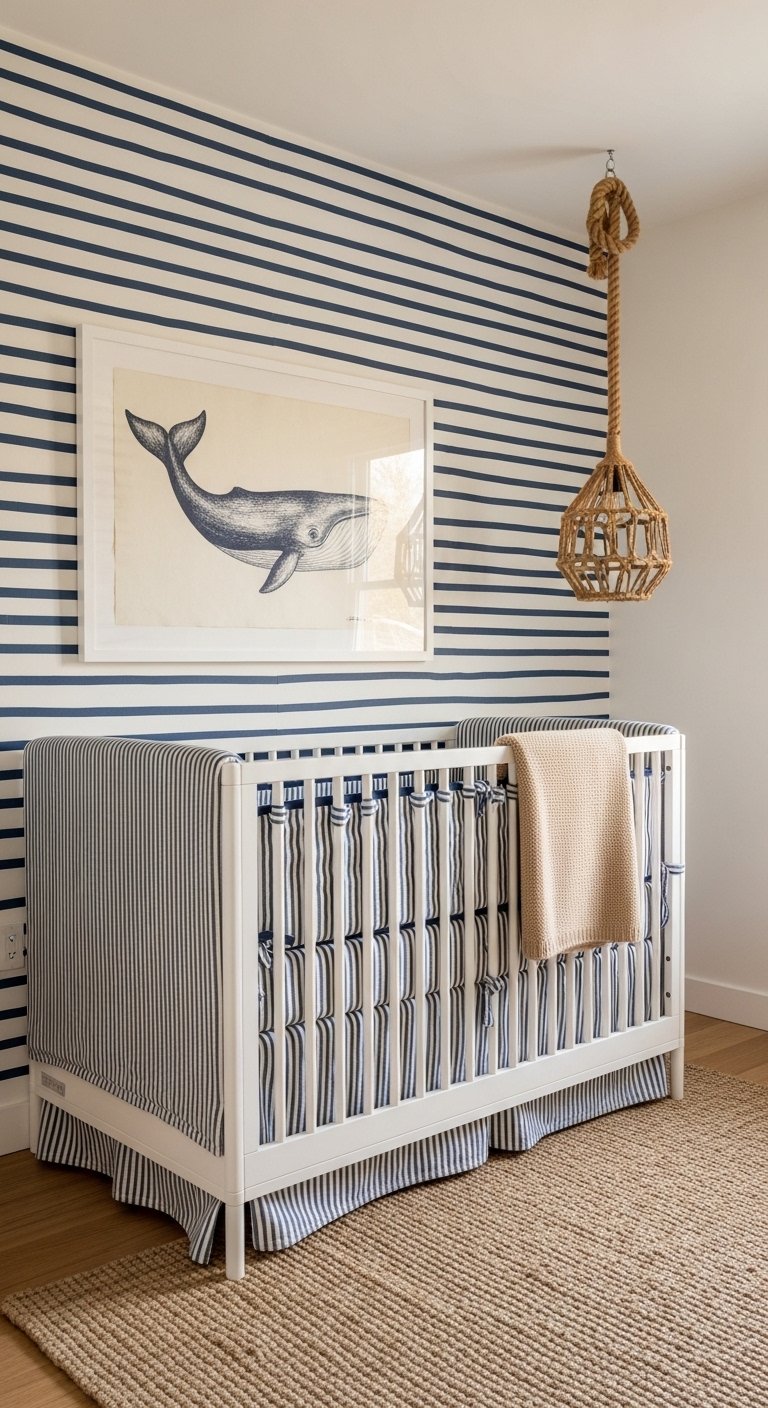
Ocean and nautical themes for boys nurseries offer a color palette that is both calming and visually interesting.
A nautical nursery theme uses navy blue, white, sandy beige, and rope textures as its foundation. Whale illustrations, lighthouse prints, rope-wrapped accents, and striped textiles all build the theme cleanly.
The key distinction between a nursery that looks designed and one that looks like a gift shop is restraint. Pick three or four nautical elements and execute them well. Don’t fill every surface with anchors and rope.
Navy and white stripes on a single textile, a whale illustration above the crib, a rope-wrapped pendant light, and natural wood furniture: that’s the whole theme. Everything else should be neutral.
19. Create a Sensory Wall
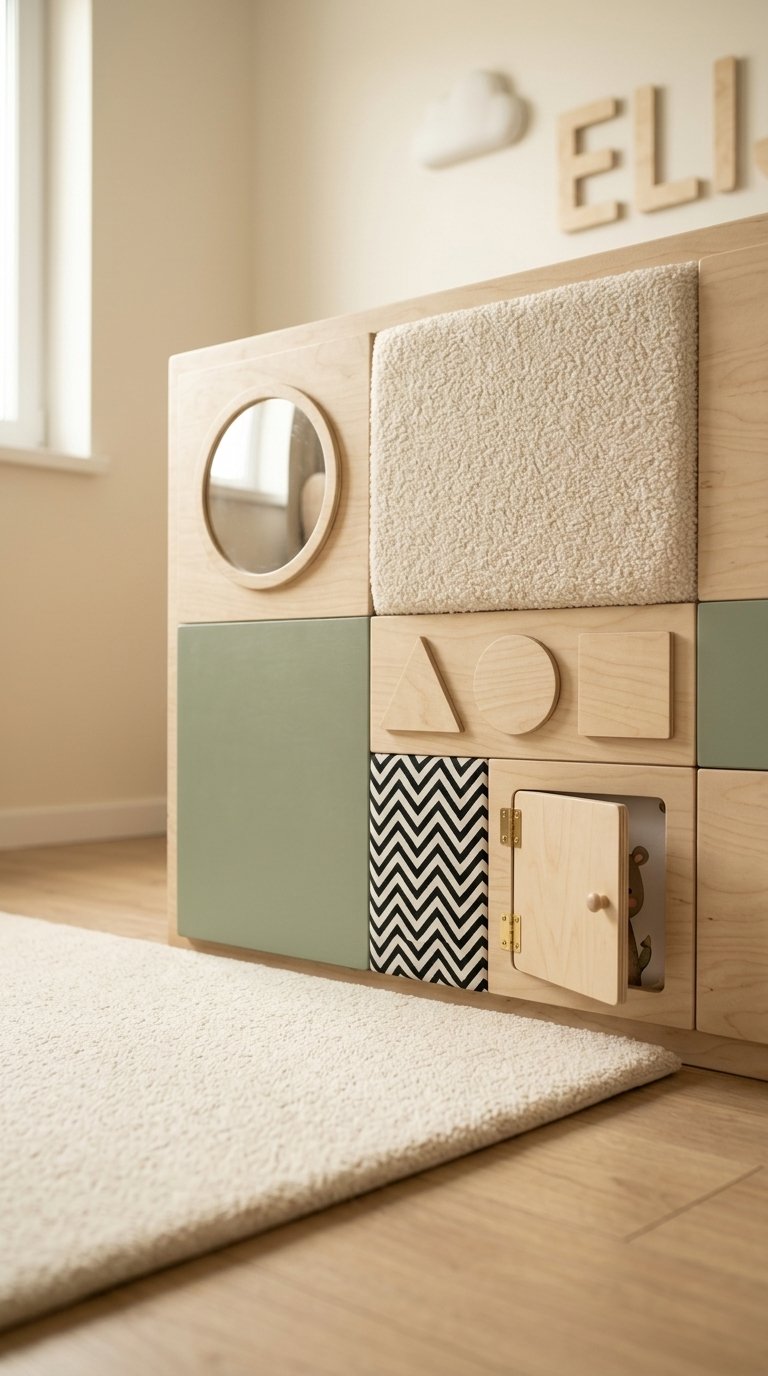
A sensory wall is one of the most underused nursery ideas and one of the most beneficial for infant development.
A sensory wall panel with different textures, colors, and interactive elements gives babies and young toddlers a stimulating surface to explore during awake time. Mirrors, different fabric swatches, wooden shapes, simple cause-and-effect elements, and high-contrast black and white patterns all work.
Mount it at floor level on a wall adjacent to the play area. As your son starts rolling and then crawling, the sensory wall becomes a destination he moves toward independently.
This is a low-cost DIY project that requires a board, some fabric, a few mirrors, and basic mounting hardware. The developmental benefit far outweighs the effort.
20. Use a Space or Astronomy Theme
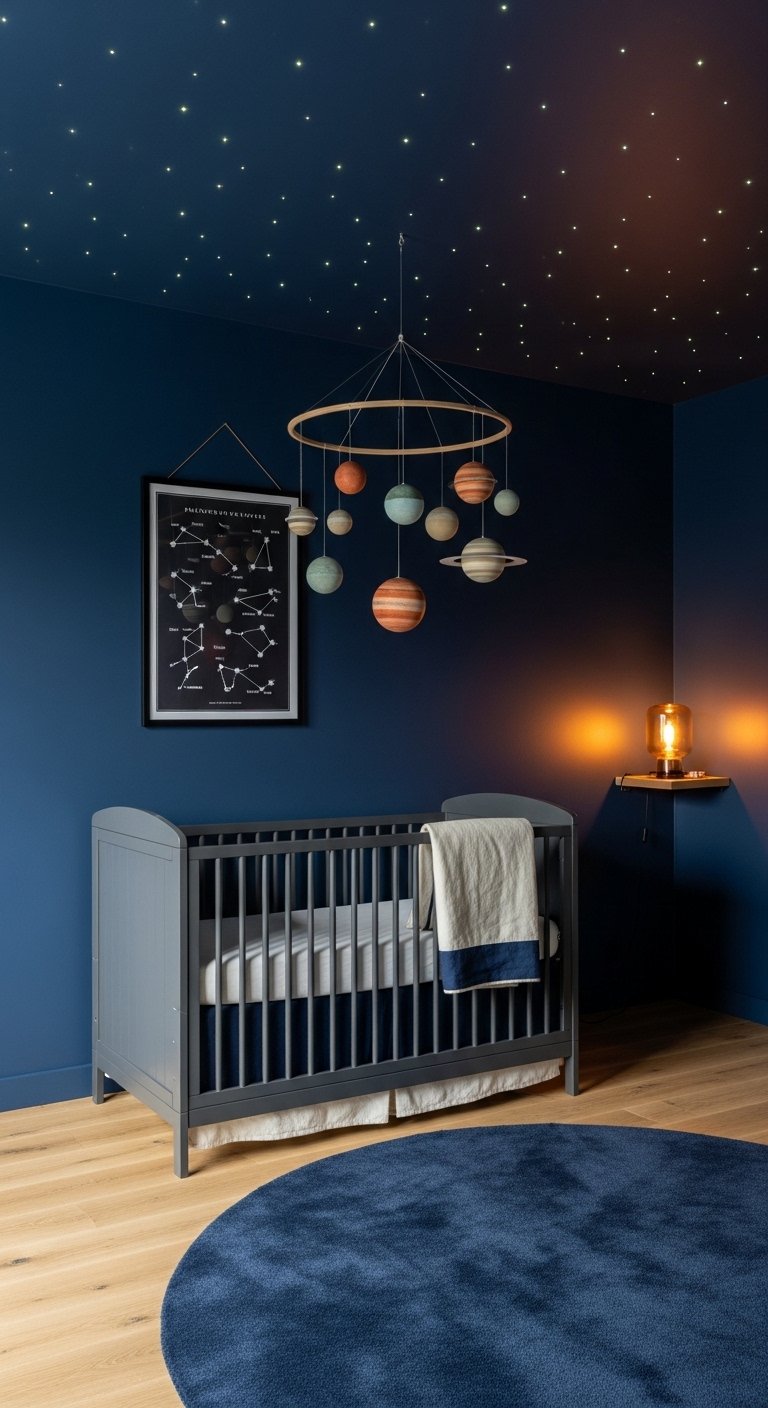
Space themes have unlimited longevity. Children remain interested in space, planets, and stars from toddlerhood through primary school and beyond.
A space nursery theme uses deep navy, charcoal, soft grey, and warm gold as its palette. Planet mobiles, constellation ceiling decals, rocket ship illustrations, and galaxy-print textiles all work within this theme.
FYI, the space theme works particularly well in smaller nurseries because the dark palette makes the room feel larger and more immersive rather than smaller and closed in.
Balance the dark palette with warm lighting and white or cream textiles. A fully dark nursery with no warm tones feels cold rather than cosmic.
21. Add a Large Floor Rug
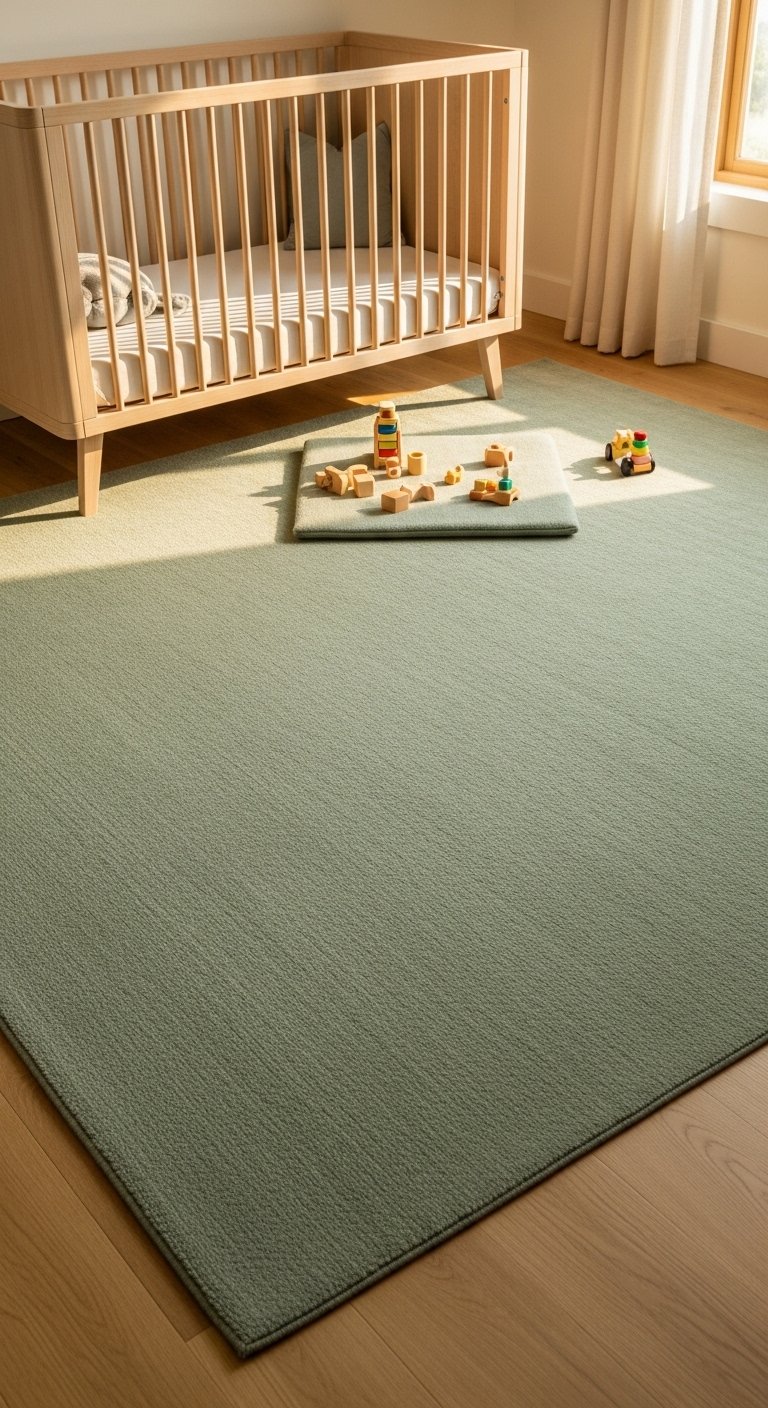
The floor rug in a nursery is one of the most underestimated design elements.
A large area rug that extends beyond the play mat area defines the room, adds warmth underfoot, reduces noise, and softens the overall aesthetic. In a room with hard floors, it also protects a crawling baby from cold and hard surfaces.
Size up from whatever you think you need. A rug that’s too small in a nursery looks like an afterthought. The rug should extend at least 60cm beyond the crib on both accessible sides.
Choose a low-pile rug for a nursery. High-pile rugs collect dust and are harder to clean. In a room where a baby spends time on the floor, a washable low-pile rug is the only practical choice.
22. Install a Night Light With Warm Tones
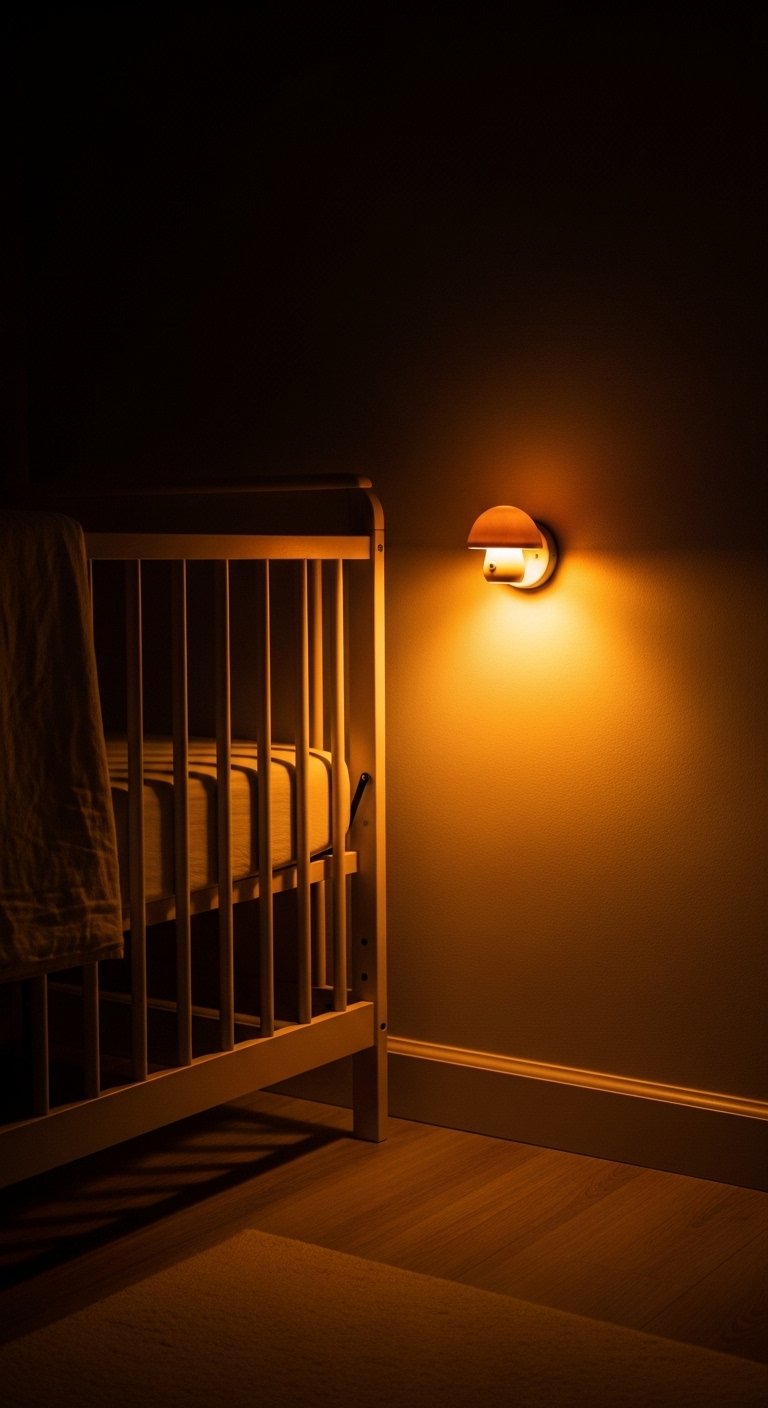
Nursery lighting has two modes: daytime function and nighttime settling. Most parents plan only for the first one.
A warm-toned night light in amber or soft orange rather than white or blue keeps the room dark enough for sleep while giving you enough light to navigate a night feed without turning on overhead lights.
Blue-spectrum light suppresses melatonin in both adults and babies. A white LED night light at 3am is actively working against you. Amber light has minimal effect on melatonin. This is a science-based decision, not just an aesthetic one.
Plug-in night lights with a warm amber setting cost almost nothing. Smart bulbs in a bedside lamp with a warm dim setting are a more flexible alternative.
23. Keep One Wall Completely Clear
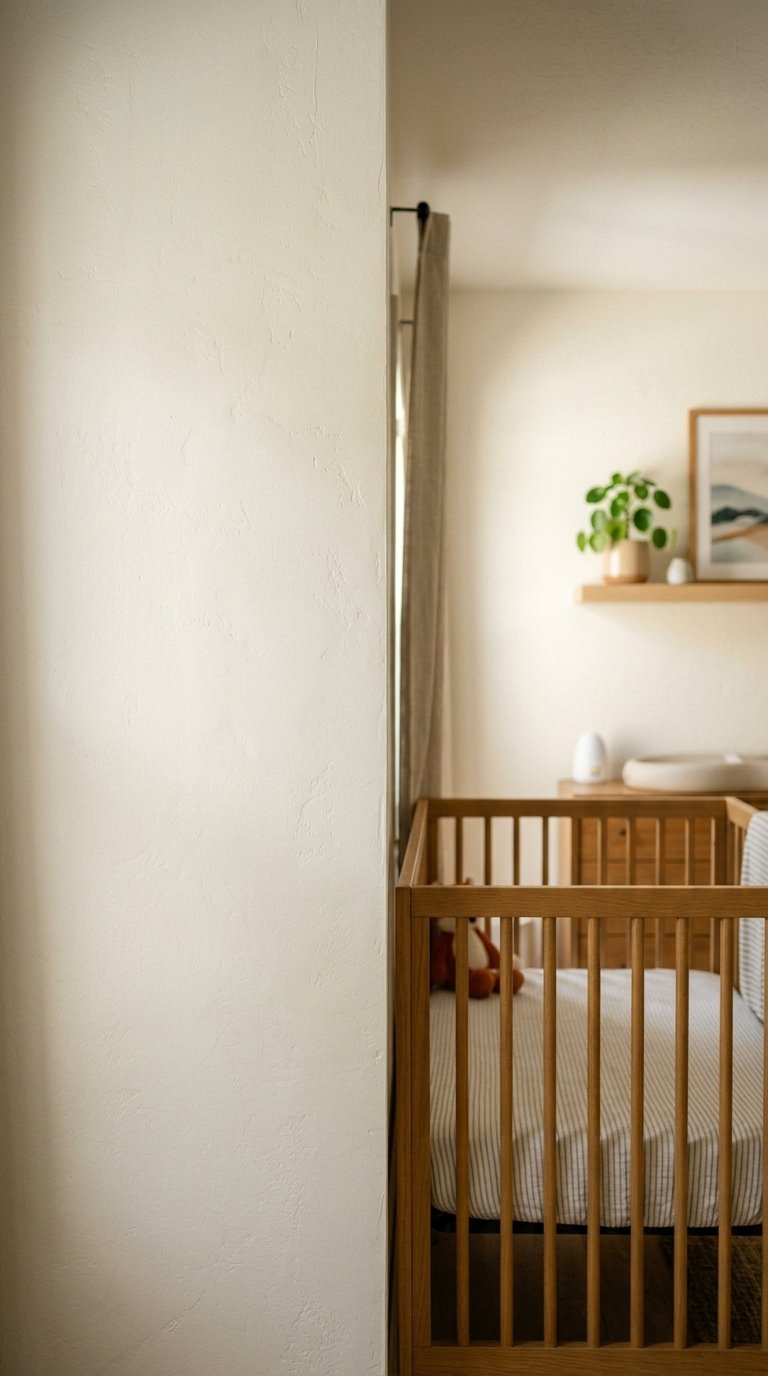
Every nursery idea list tells you to add things. This one tells you to subtract.
One completely clear wall in a boys nursery gives the room visual breathing space. It makes the decorated walls feel more intentional by contrast. It also gives you a future canvas for when your son starts choosing his own decor.
Small rooms especially benefit from this. A nursery where every wall is decorated feels busy and overwhelming. A nursery where three walls are thoughtfully styled and one wall is clear feels considered and calm.
This is not laziness. It is restraint, and restraint is the hardest design skill to practice.
Final Thoughts
A boys nursery works when it balances good design with genuine practicality. The ideas above give you both.
Start with the decisions that are hardest to change: wall color, major furniture, blackout window treatments. Then build the personality of the room through textiles, art, and accessories that you can update as your son grows.
The room you create now doesn’t need to last forever. It needs to work well for the first few years and grow with your child as long as possible. Every idea on this list serves that goal.
Pick five ideas that resonate and build from there. You don’t need all 23. You need the right ones for your specific room, your specific budget, and your specific child.