25 Girls Nursery Ideas You’ll Want to Steal Right Now
You have roughly nine months to figure this out and somehow that feels like both forever and no time at all. The nursery is the one room where you want everything to be perfect.
1. Go Beyond Pink —Try a Dusty Rose Palette
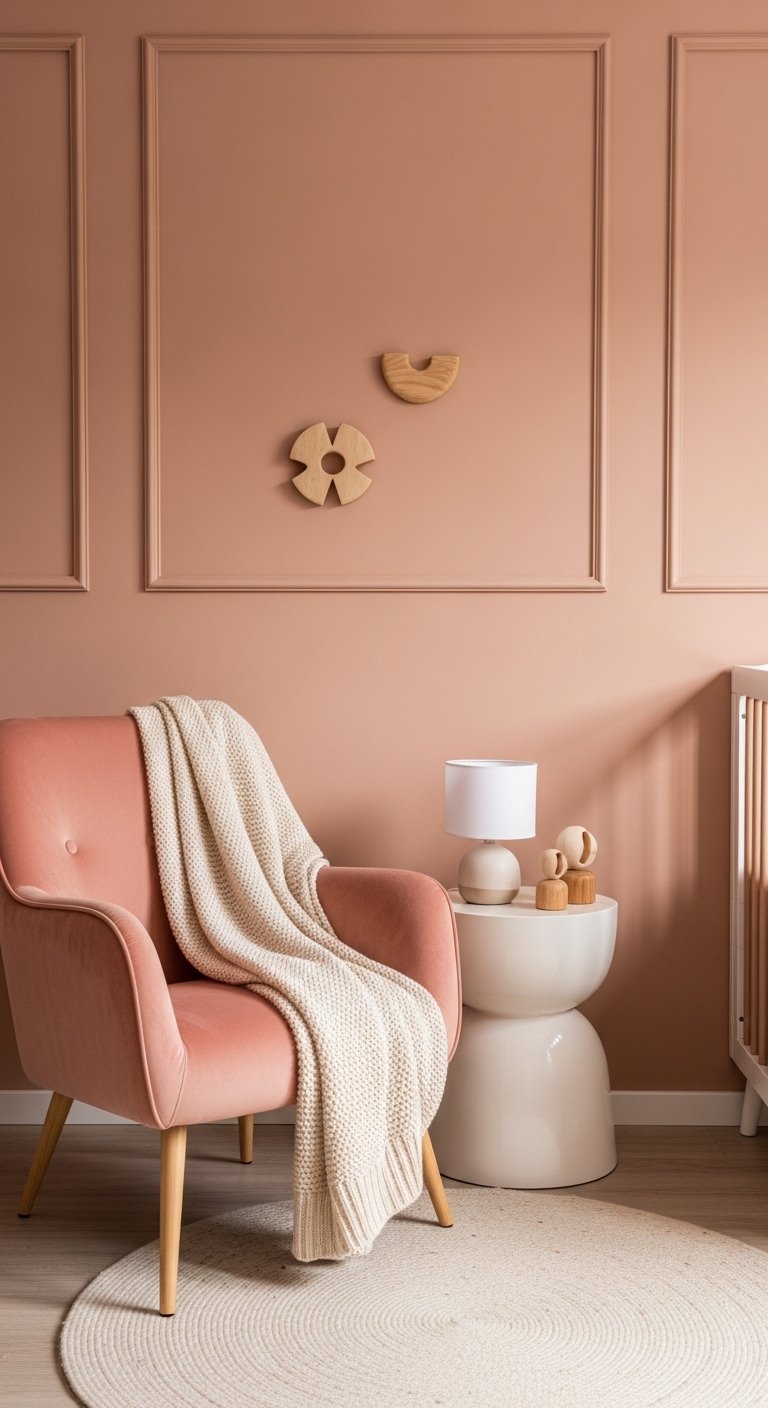
Pink is fine. Dusty rose is better. The difference is that dusty rose ages gracefully it reads as sophisticated rather than babyish, which means the room still works when she’s four and has opinions. Pair it with warm whites, natural wood, and soft cream for a nursery that feels warm without being overwhelming.
This isn’t anti-pink. It’s pro-longevity.
2. Invest in a Quality Crib — It’s the Room’s Anchor
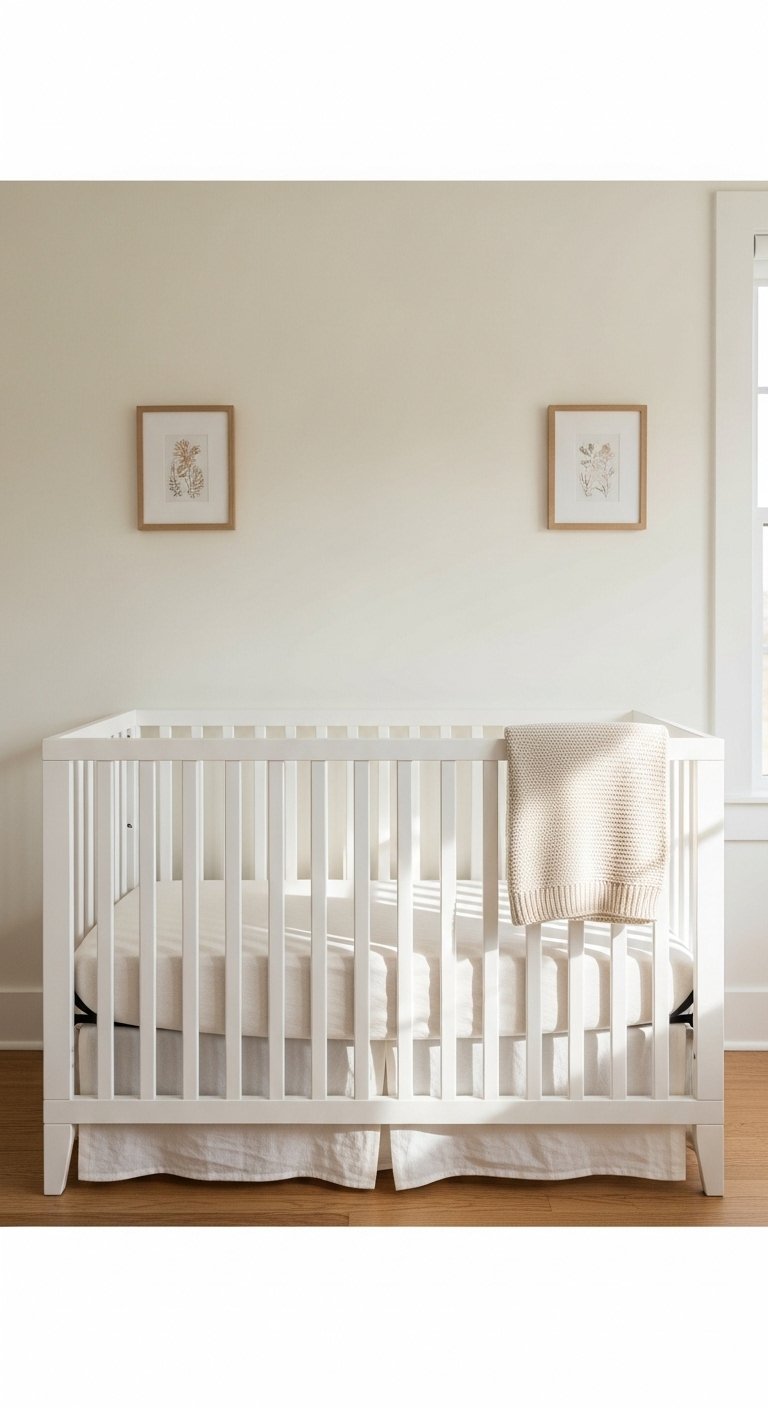
Everything else in the nursery decorates around the crib. If the crib looks cheap, the whole room looks cheap. A convertible crib that transitions to a toddler bed and then a full bed is worth the higher upfront cost you won’t replace it for years.
White, natural wood, and warm grey are the three finishes that work with almost any nursery theme. Pick one and commit.
3. Add a Floral Wallpaper Accent Wall
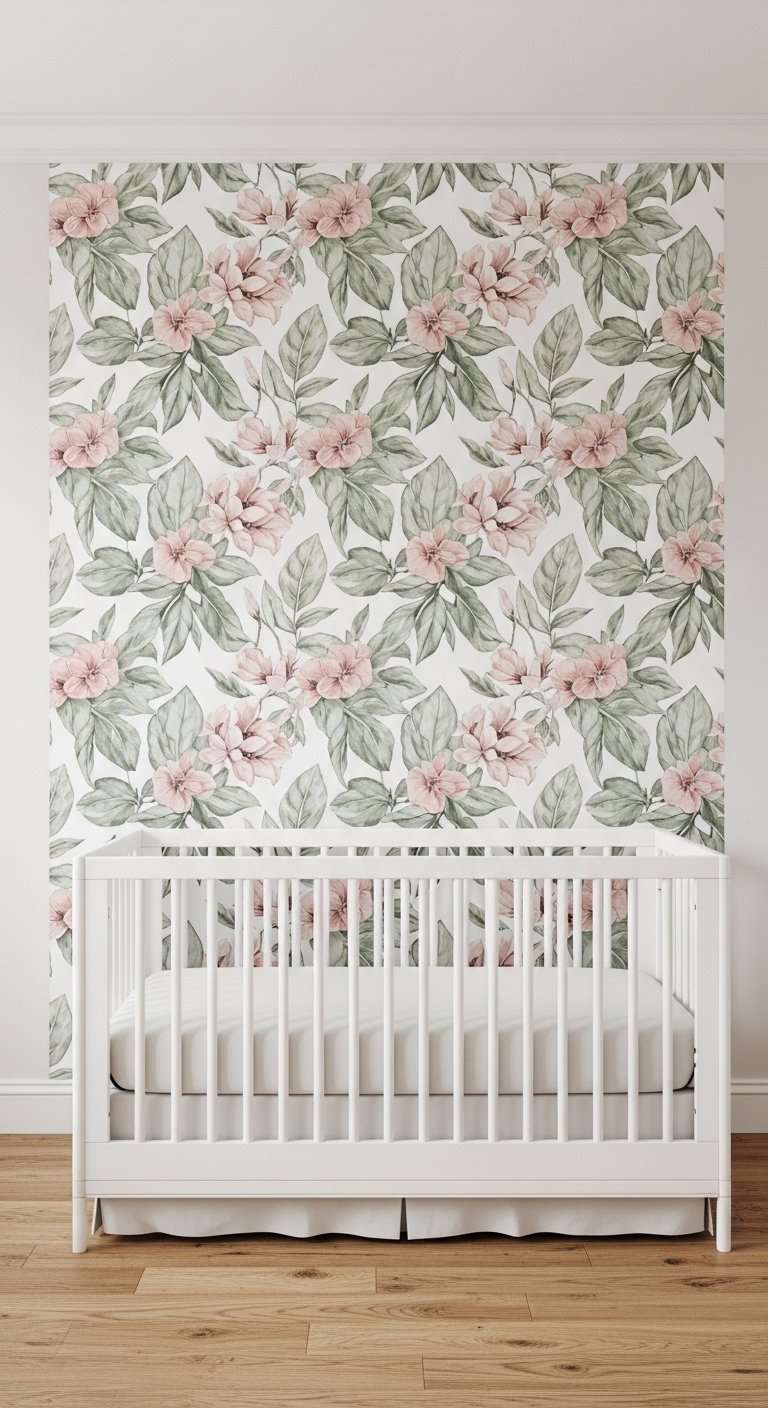
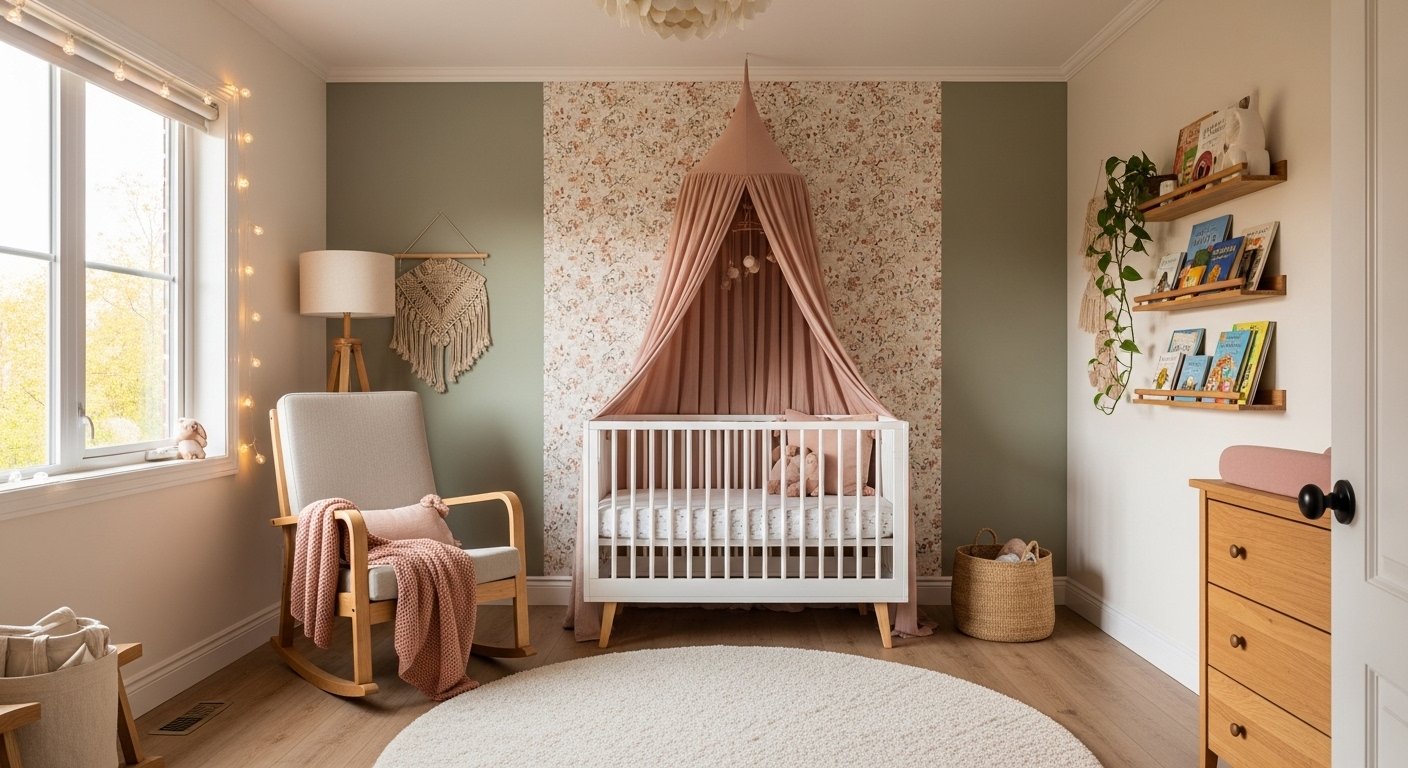
One wall. Not four. A floral wallpaper accent wall behind the crib creates an immediate focal point without committing the entire room to a pattern that might feel overwhelming in three years. Modern floral wallpapers lean abstract or botanical — less “grandma’s living room,” more design-forward.
Peel-and-stick options exist and actually work well if you’re renting or just not ready to commit to paste.
4. Use a Canopy Over the Crib
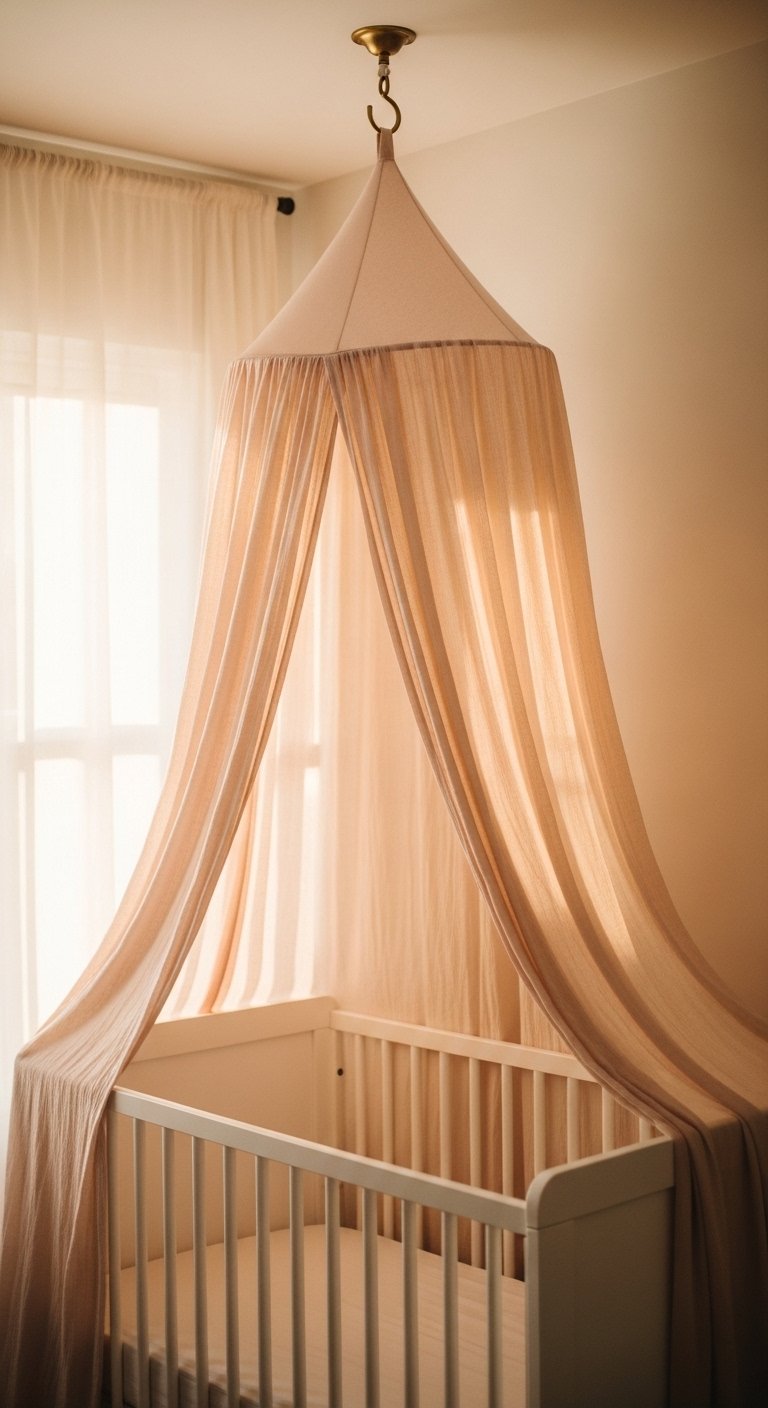
A sheer canopy draped over the crib is one of those touches that looks like it cost more than it did. Muslin, linen, or sheer fabric in white or blush — hung from a ceiling hook — transforms the crib into the room’s centerpiece. It also photographs beautifully, if that matters to you (it probably does).
Keep the fabric lightweight. This is decorative, not functional, so it should float rather than drape heavily.
5. Layer Your Lighting
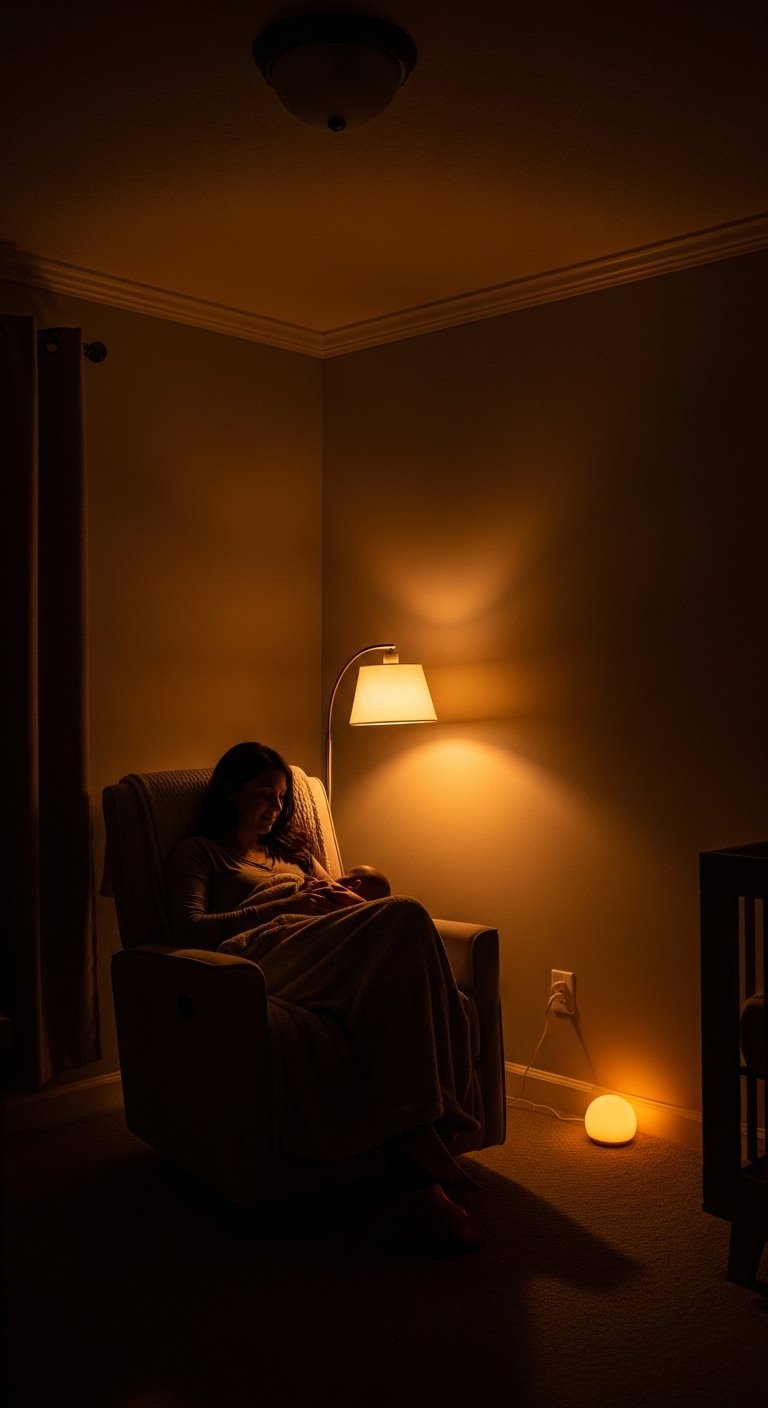
The overhead light in a nursery will almost never be the right light. You need three types of lighting: overhead ambient, a warm nightlight, and a dimmable lamp near the feeding chair. The feeding chair lamp is the one most people forget — and then they’re fumbling for a light switch at 3 AM with a baby in their arms.
Get a lamp with a dimmer or use a smart bulb. Your future self will appreciate the foresight.
6. Pick a Theme That Has Room to Grow
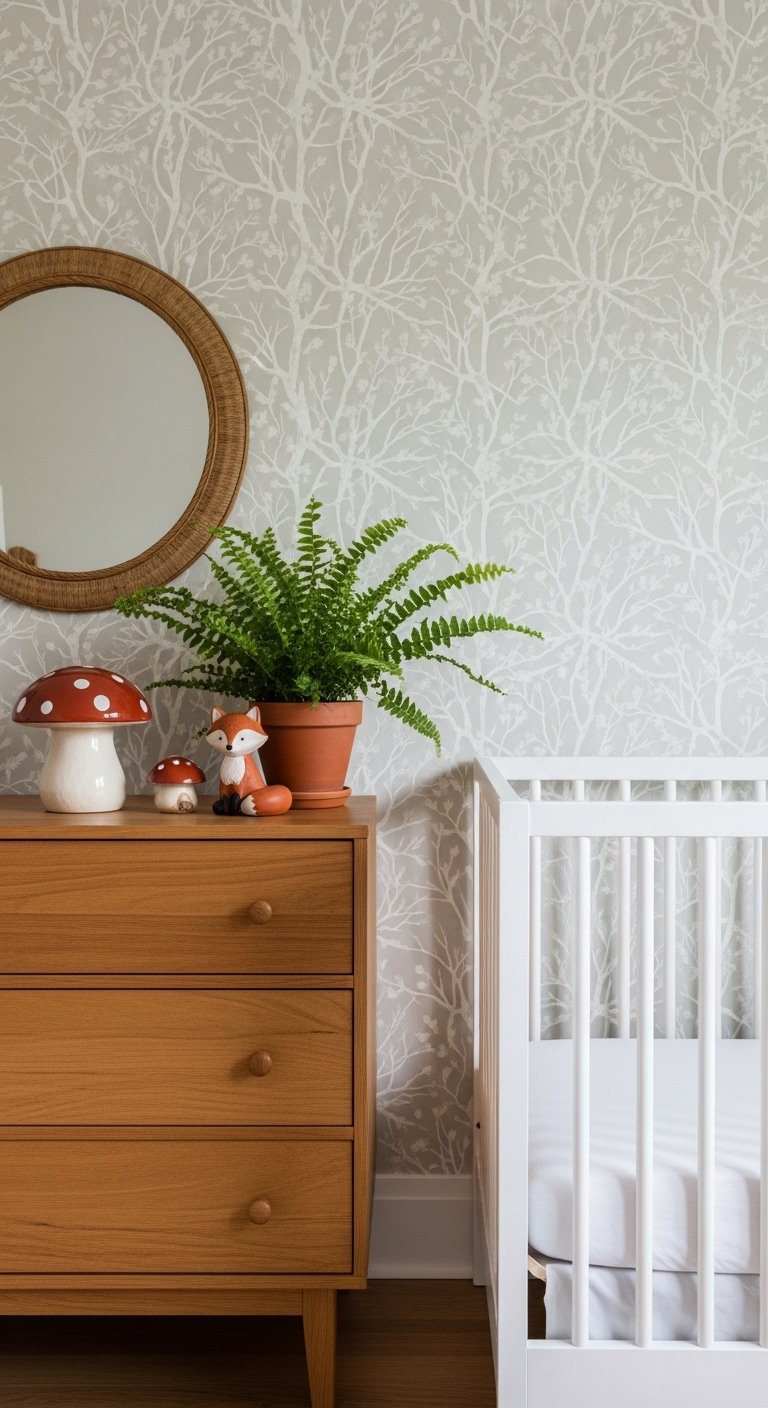
Woodland animals, celestial/stars, florals, and soft geometric patterns all age well. What doesn’t age well: hyper-specific character themes. The nursery you build for a newborn needs to work for a toddler too. A room covered in a specific cartoon character has a shelf life and it’s shorter than you think.
IMO, “nature-inspired” is the safest long-term bet for a girls nursery theme. It’s beautiful, timeless, and works across ages.
7. Add a Glider or Rocking Chair — Make It Comfortable
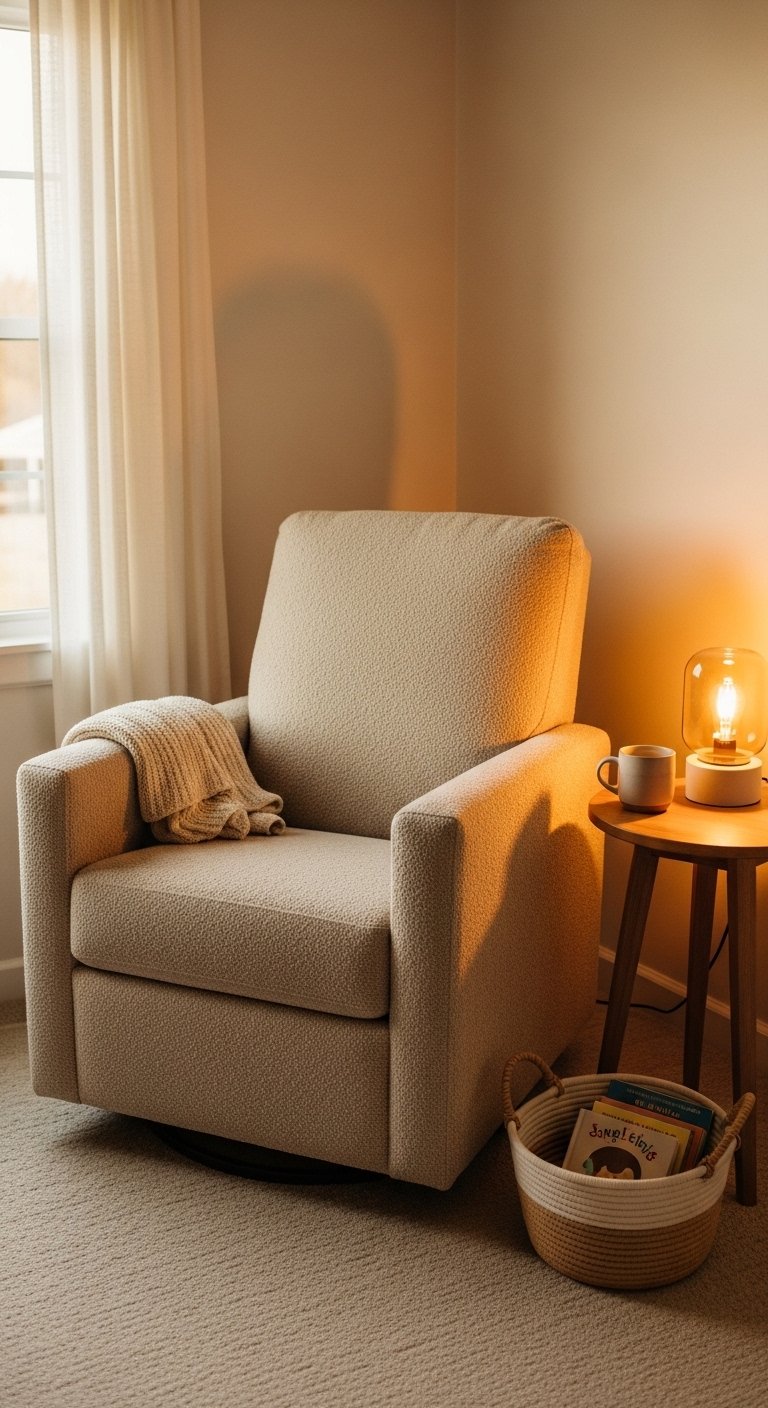
This chair is where you will spend significant time, often between midnight and 4 AM. Don’t pick it based purely on looks. Test it. Make sure the armrests are at the right height, the seat depth works for you, and there’s lumbar support. A beautiful chair you can’t sit in for 45 minutes comfortably is a mistake.
That said aesthetic matters. A well-chosen glider in a complementary fabric ties the room together more than almost any other furniture piece.
8. Use Removable Wall Decals Strategically
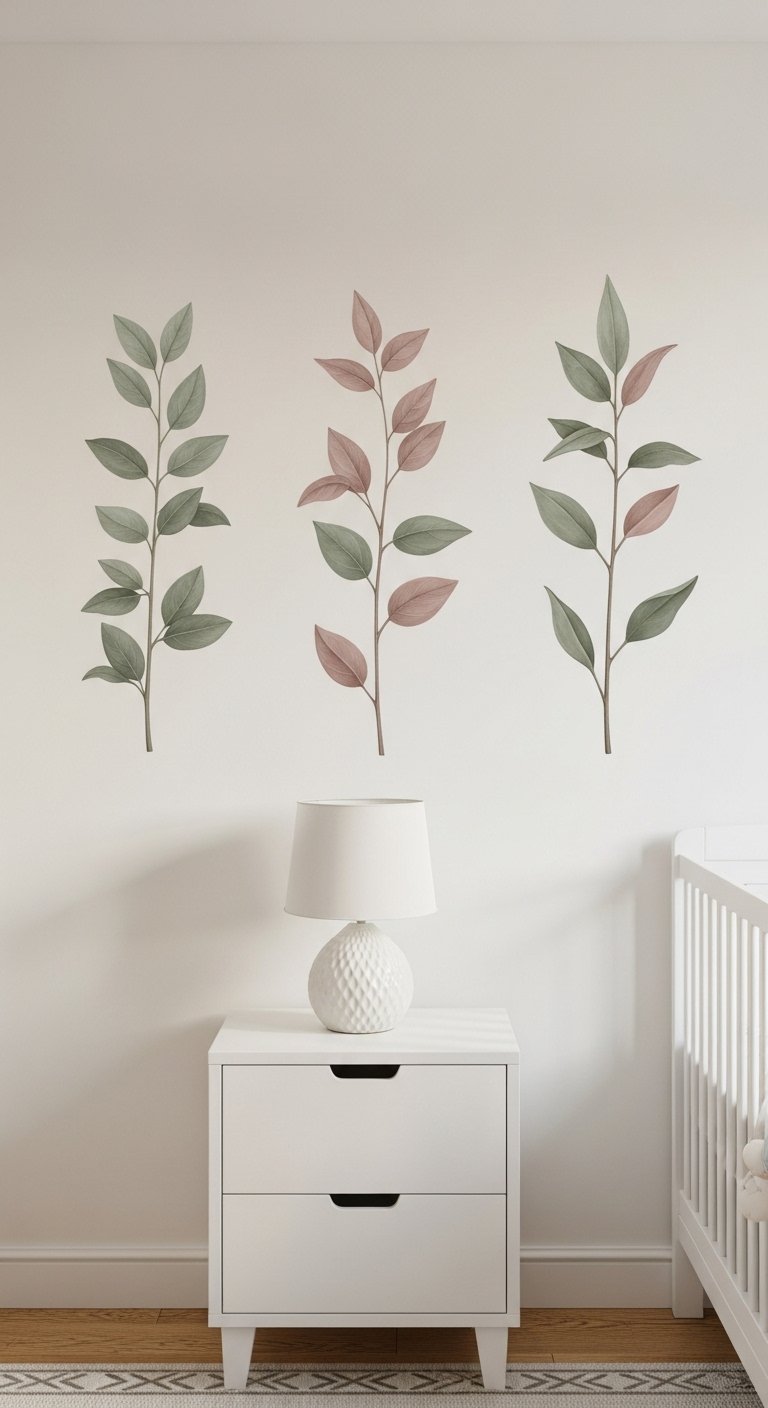
Wall decals get a bad reputation because people use too many of them, too randomly. One cohesive set of decals a tree, a set of botanical stems, or a constellation pattern applied deliberately looks intentional. Scattered random decals from three different packs look exactly like that.
Removable decals also solve the commitment problem. Change them when she’s ready for something new.
9. Build a Reading Nook Early
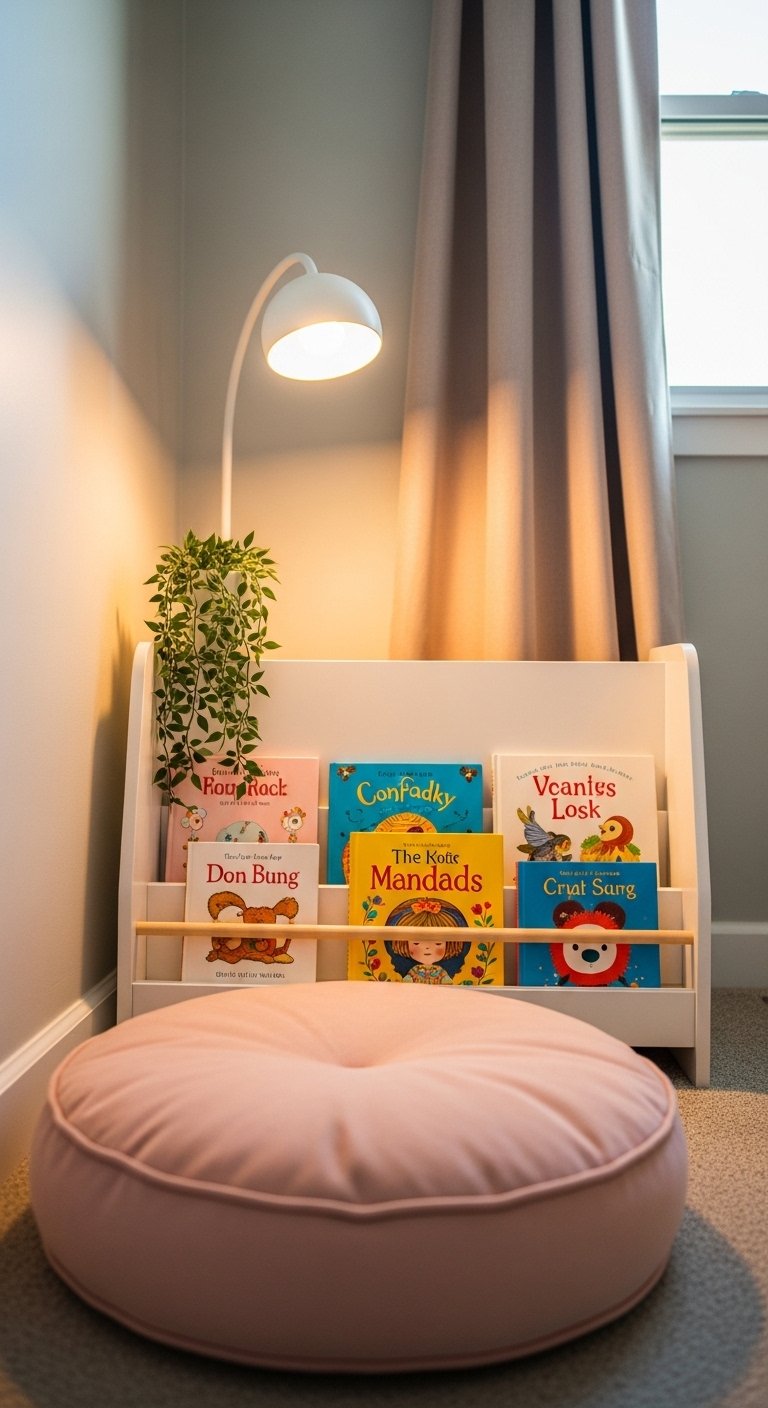
You might not use it for the first year, but building a small reading corner early establishes a habit and creates a charming visual anchor in the room. A low bookshelf with face-out display, a small floor cushion or bean bag, and a little lamp. That’s all it takes.
Face-out bookshelves display the covers rather than spines , which looks better and helps young children identify books independently.
10. Choose Blackout Curtains — But Make Them Pretty
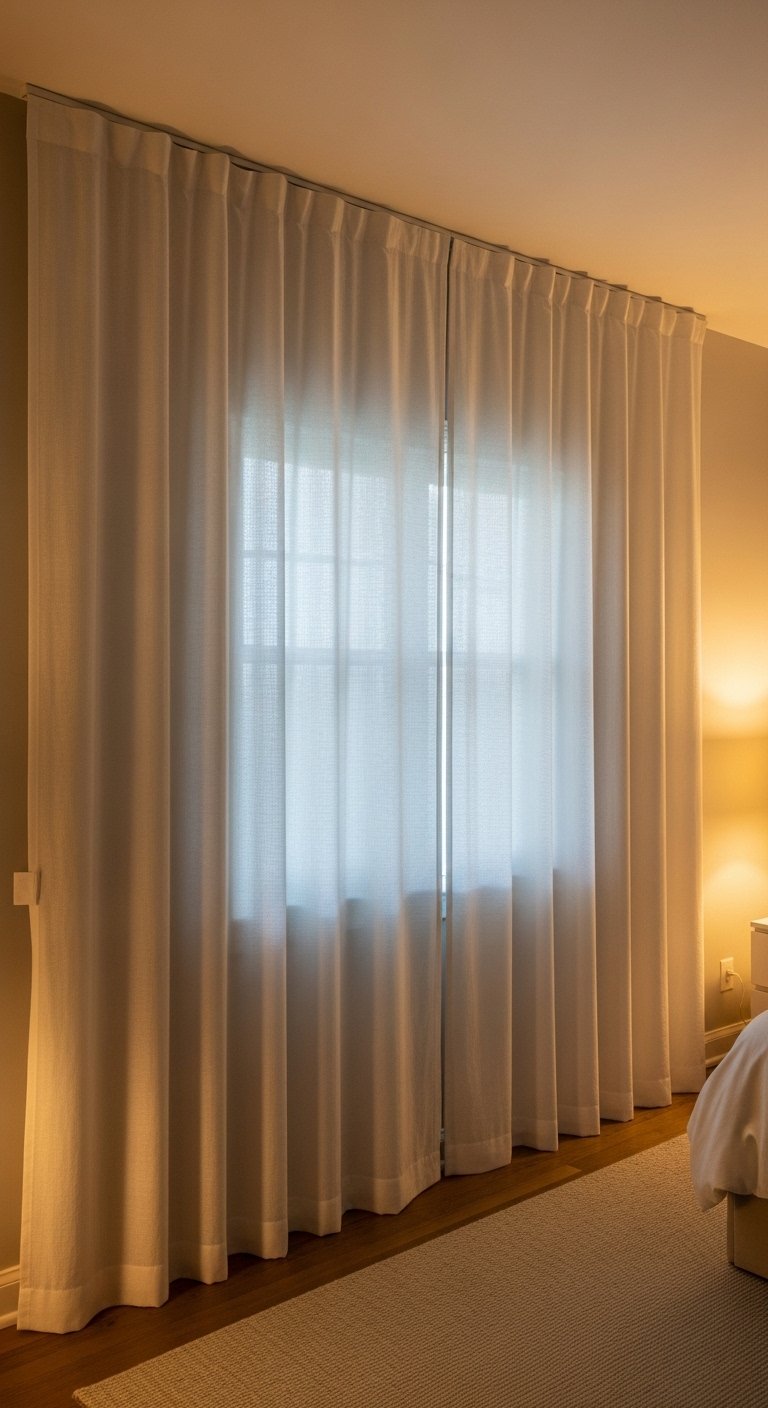
Blackout curtains are non-negotiable for sleep quality. The good news: blackout lining can be added to almost any curtain style, so you don’t have to choose between function and beauty. Linen-look curtains with blackout lining in a soft white or blush give you both.
Floor-to-ceiling curtains make the room feel larger and the ceilings feel taller. Hang the rod high and wide — even if your window is small.
11. Add a Gallery Wall With a Mix of Art and Personal Photos
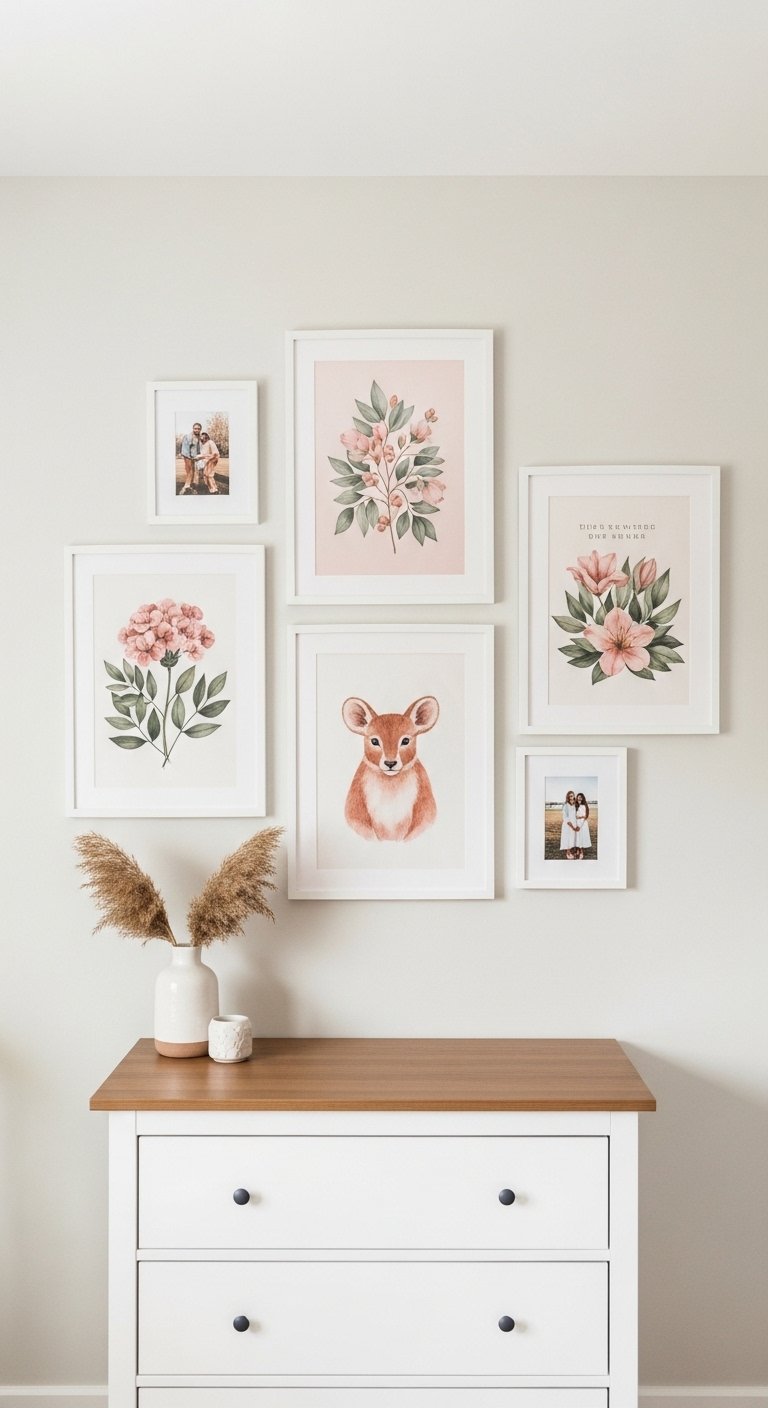
A gallery wall beside or above the dresser gives you a creative outlet and a personal touch. Mix small framed prints botanical, typographic, or illustrated animals with one or two personal photos. Use consistent frame finishes (all white, all wood, all black) to keep it from looking chaotic.
Pre-plan the layout on the floor before you put a single nail in the wall. Saves significant frustration.
12. Use a Dresser That Doubles as a Changing Table
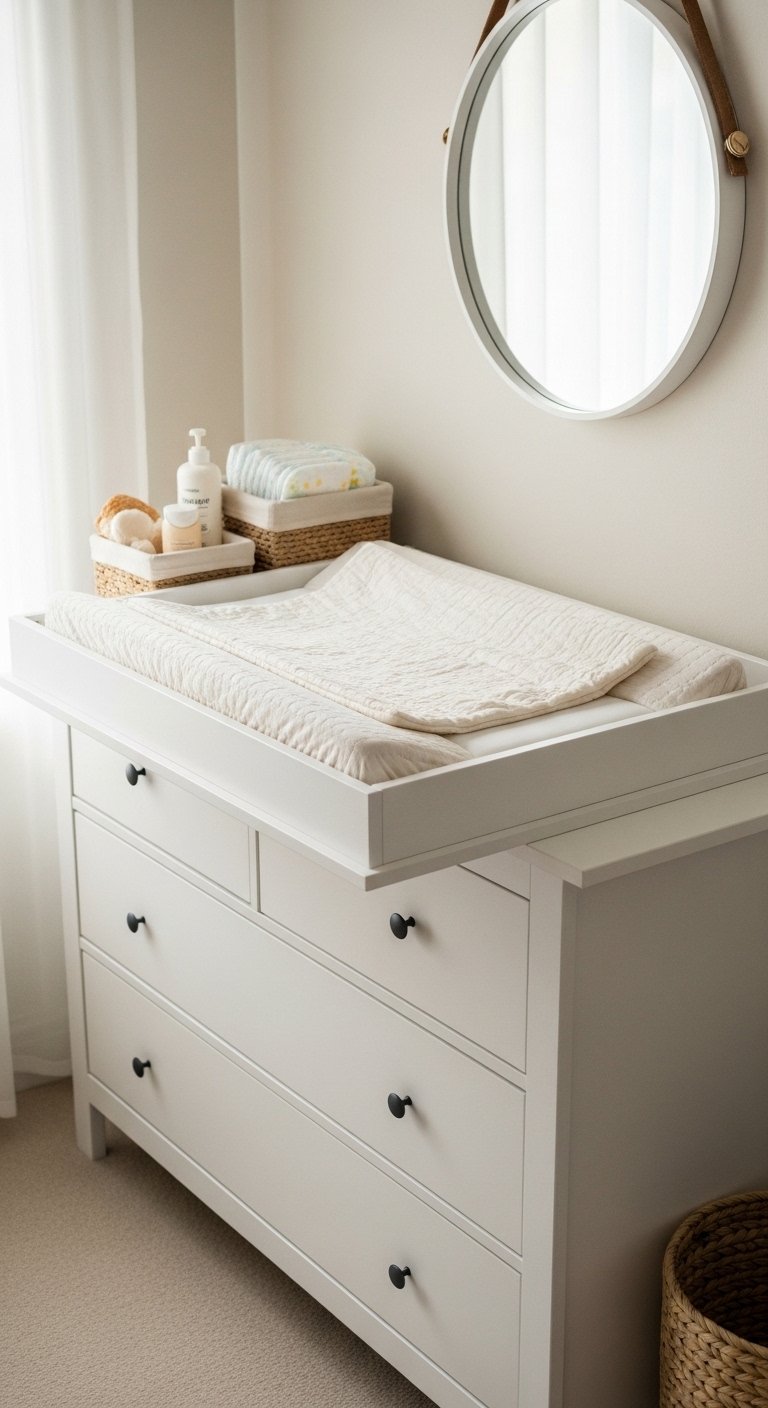
A dresser with a changing topper is one of the smartest space-saving moves in nursery design. When the changing stage ends, you remove the topper and you still have a full dresser. Versus a standalone changing table which you use for maybe 18 months and then have to figure out what to do with.
Make sure the dresser is anchored to the wall. Non-negotiable safety step.
13. Incorporate Soft Rugs for Warmth and Sound
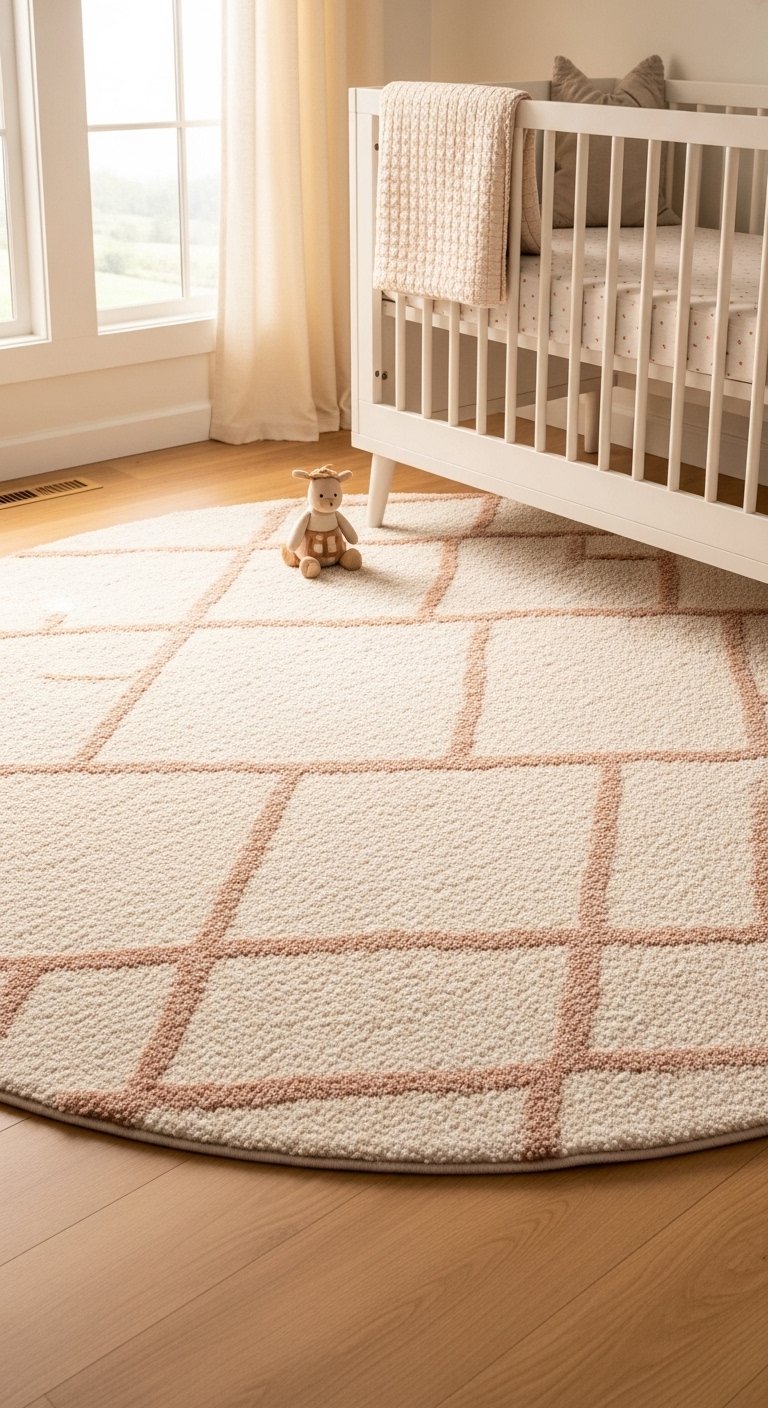
Hard floors are practical in a nursery for cleaning purposes, but a large, soft area rug anchors the room and significantly reduces sound. A round rug under the crib or a large rectangular rug covering most of the floor in a soft pattern blush, ivory, or muted geometric adds warmth the hard floor can’t provide.
Washable rugs exist and they work. Prioritize that feature.
14. Add String Lights for Ambient Magic
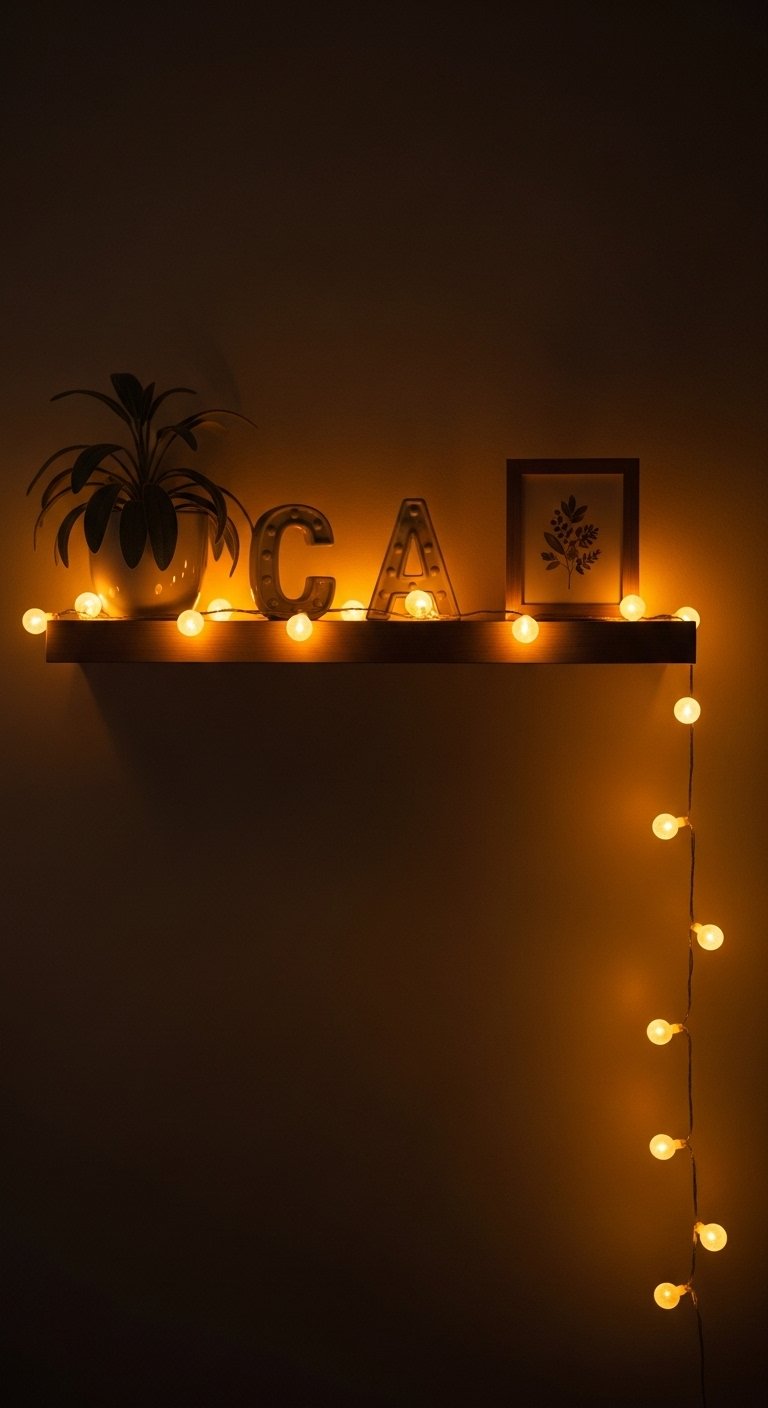
String lights the warm white, small-bulb variety , add a soft ambient glow that works as a nightlight and a decorative element. Draped along a shelf, behind a canopy, or along a window frame, they create a warm, dreamy atmosphere without being overwhelming.
Avoid flashing or colored string lights in a nursery. Warm white only.
15. Think About Storage Before You Think About Decor
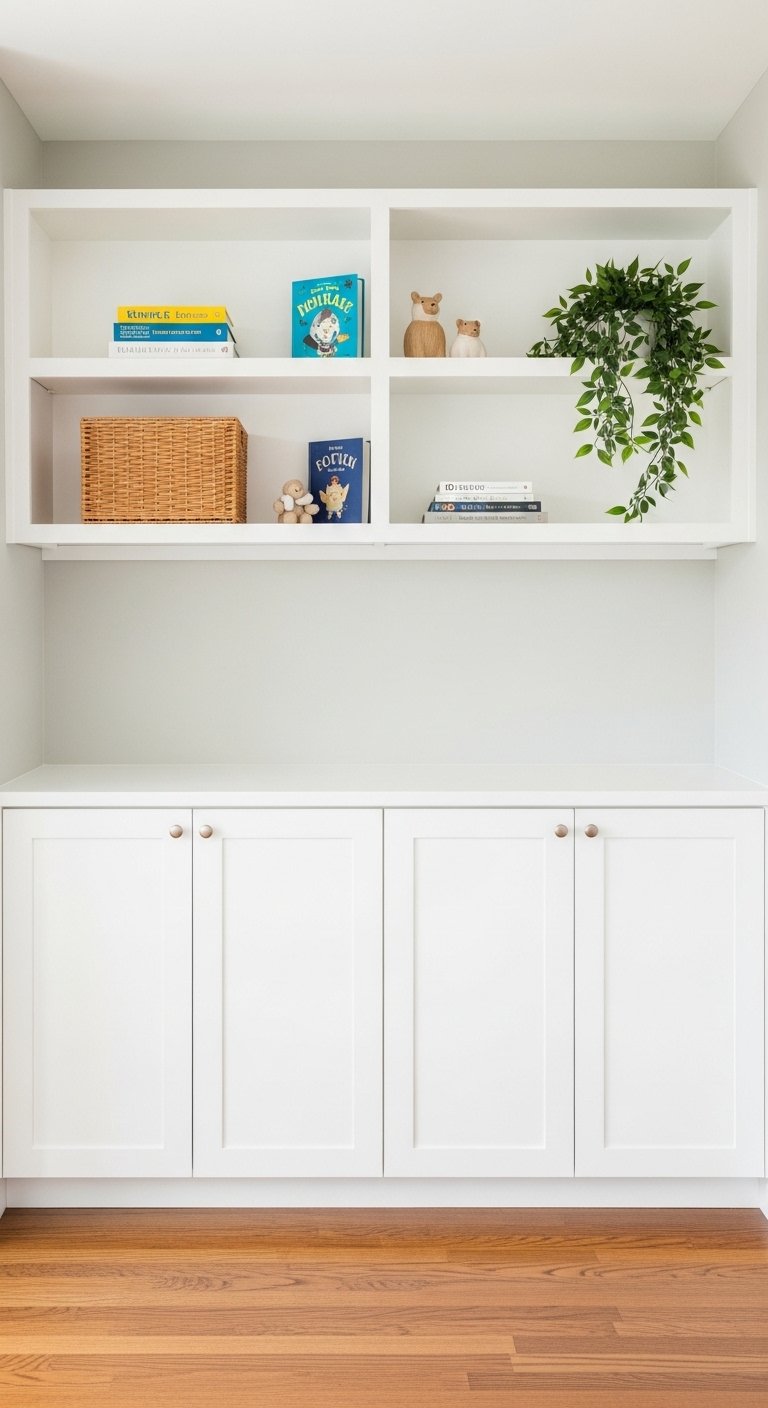
Here’s the honest truth: you will accumulate more baby stuff than you can currently imagine. Before you finalize the décor, plan the storage. Closed storage (drawers, cabinets) hides the chaos. Open storage (shelves, baskets) looks better but requires more maintenance.
The best nurseries use both. Closed storage for the functional stuff, open shelves for the curated display items.
16. Use Baskets as Storage and Decor
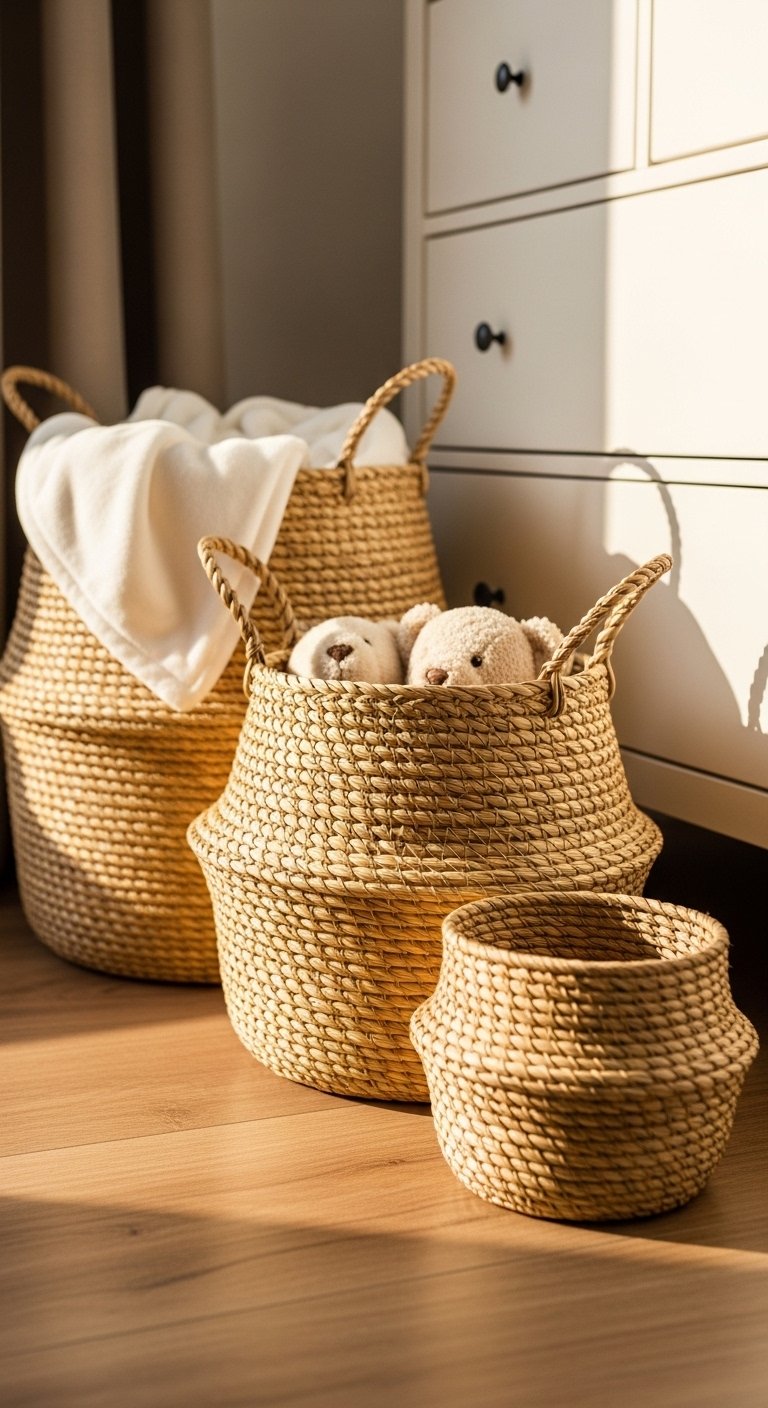
Wicker, rattan, or seagrass baskets serve double duty. On the floor, they hold blankets or stuffed animals. On shelves, they organize smaller items while looking intentional. They also add natural texture to a room that might otherwise feel too soft and flat.
Matching baskets look better than mismatched ones. Buy a set.
17. Paint the Ceiling a Soft Color
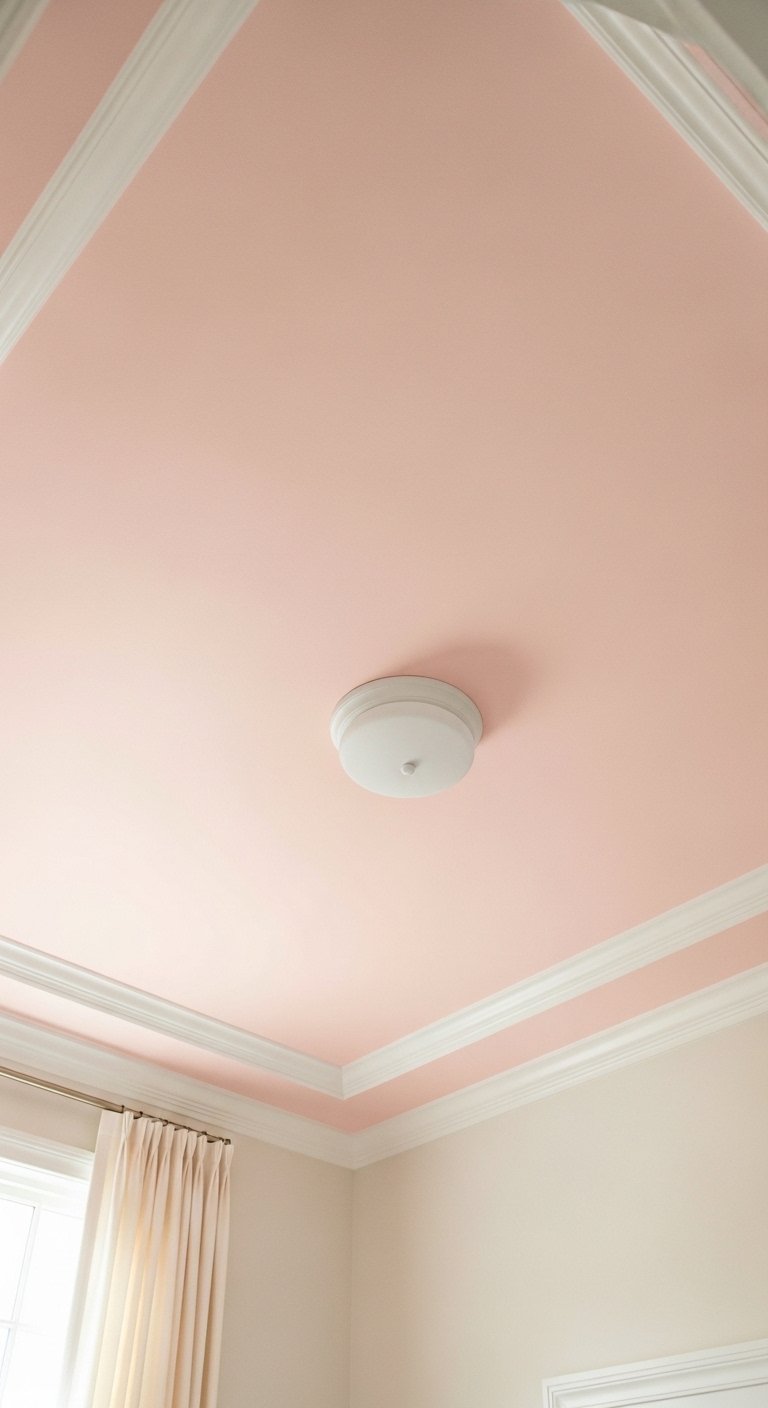
Most people forget the ceiling entirely. Painting the ceiling a very soft version of your wall color or a soft blush, lavender, or pale sky blue creates a cocooning effect that makes the room feel designed rather than just decorated. Babies spend a lot of time looking up. Make it worth looking at.
This is a low-cost, high-impact move that almost nobody does. Which is exactly why you should.
18. Add a Name or Initial as a Wall Feature
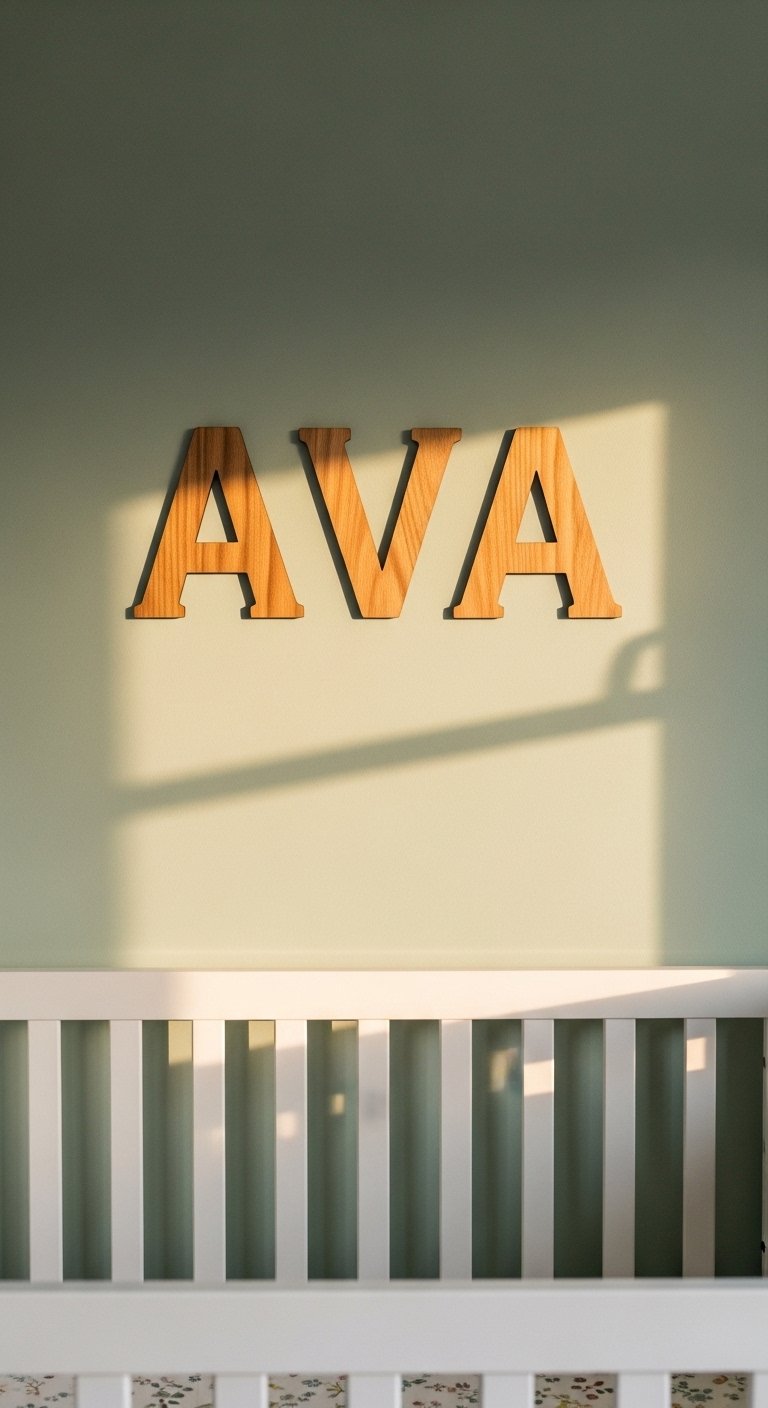
A wooden name sign, large initial letter, or name spelled in individual letters above the crib is one of the most personal touches you can add. Custom doesn’t have to mean expensive laser-cut wood letters from small makers are inexpensive and look great. Paint them to match the room or keep them natural wood.
This is also one of those photos that ends up framed forever. Plan accordingly.
19. Layer Textiles for Visual Depth
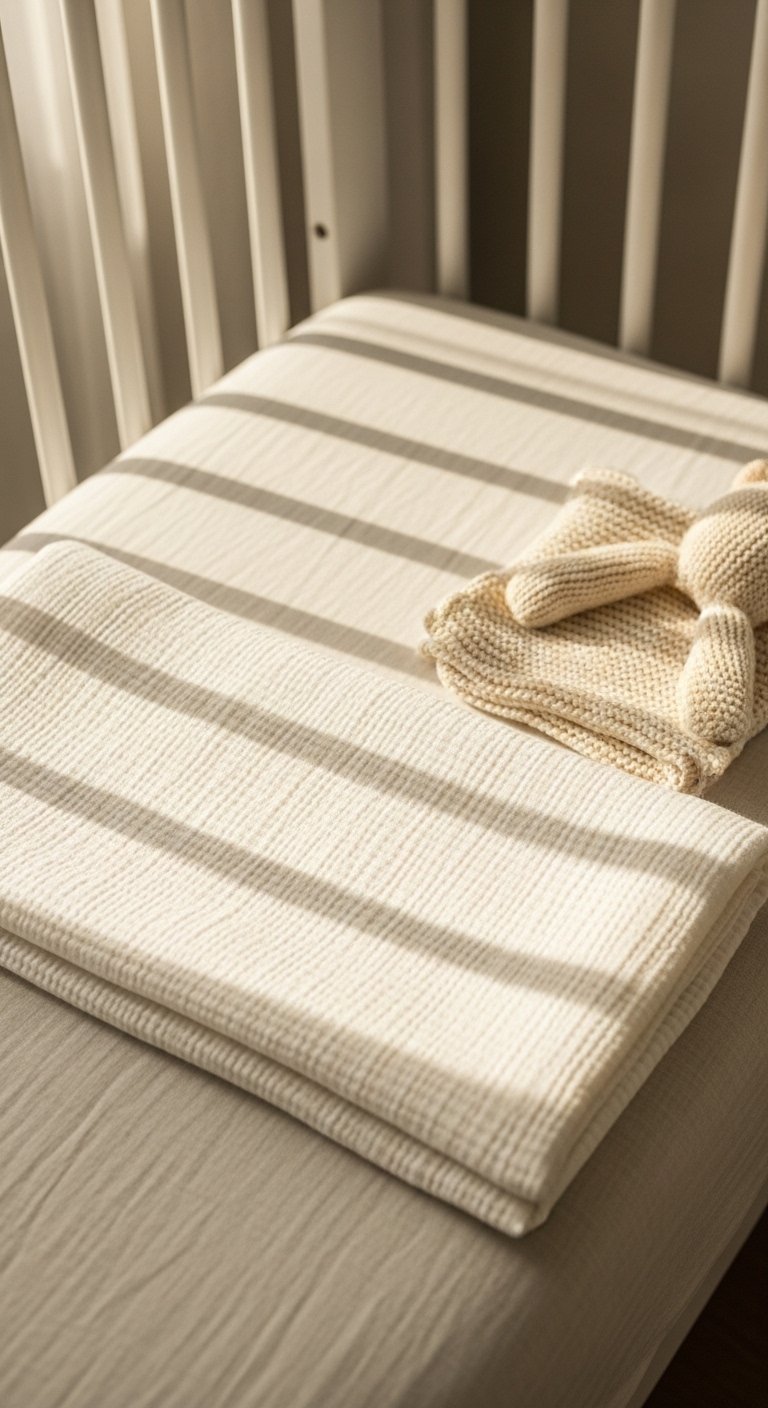
A nursery with one type of textile looks flat. Layer a knit blanket, a linen bumper-free crib sheet, a cotton quilt, and a soft throw on the glider different textures create visual depth and warmth that a single fabric type can’t achieve. Stick to a consistent color family so the layers feel cohesive rather than chaotic.
FYI crib bumpers are no longer recommended for safety reasons. Stick with fitted sheets and a light sleep sack.
20. Hang a Mobile That’s Worth Looking At
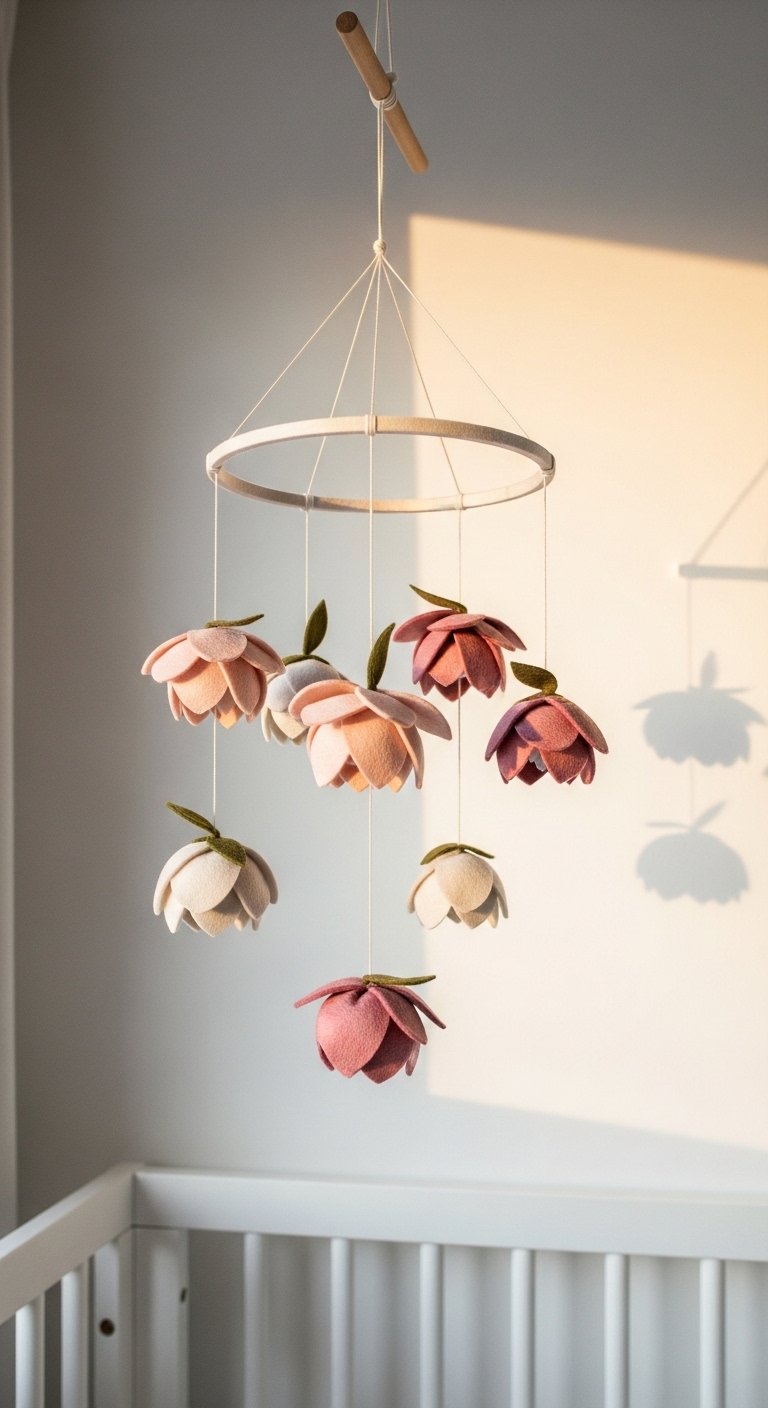
The mobile is one of the first things a baby actually focuses on. A well-designed mobile felt flowers, wooden geometric shapes, paper stars, or soft fabric animals serves developmental and decorative purposes simultaneously. It also photographs beautifully for the inevitable nursery reveal photos.
Avoid battery-powered spinning mobiles with loud music as a permanent fixture. A calm, visually interesting mobile is better for the environment you’re creating.
21. Use Floating Shelves for Curated Display
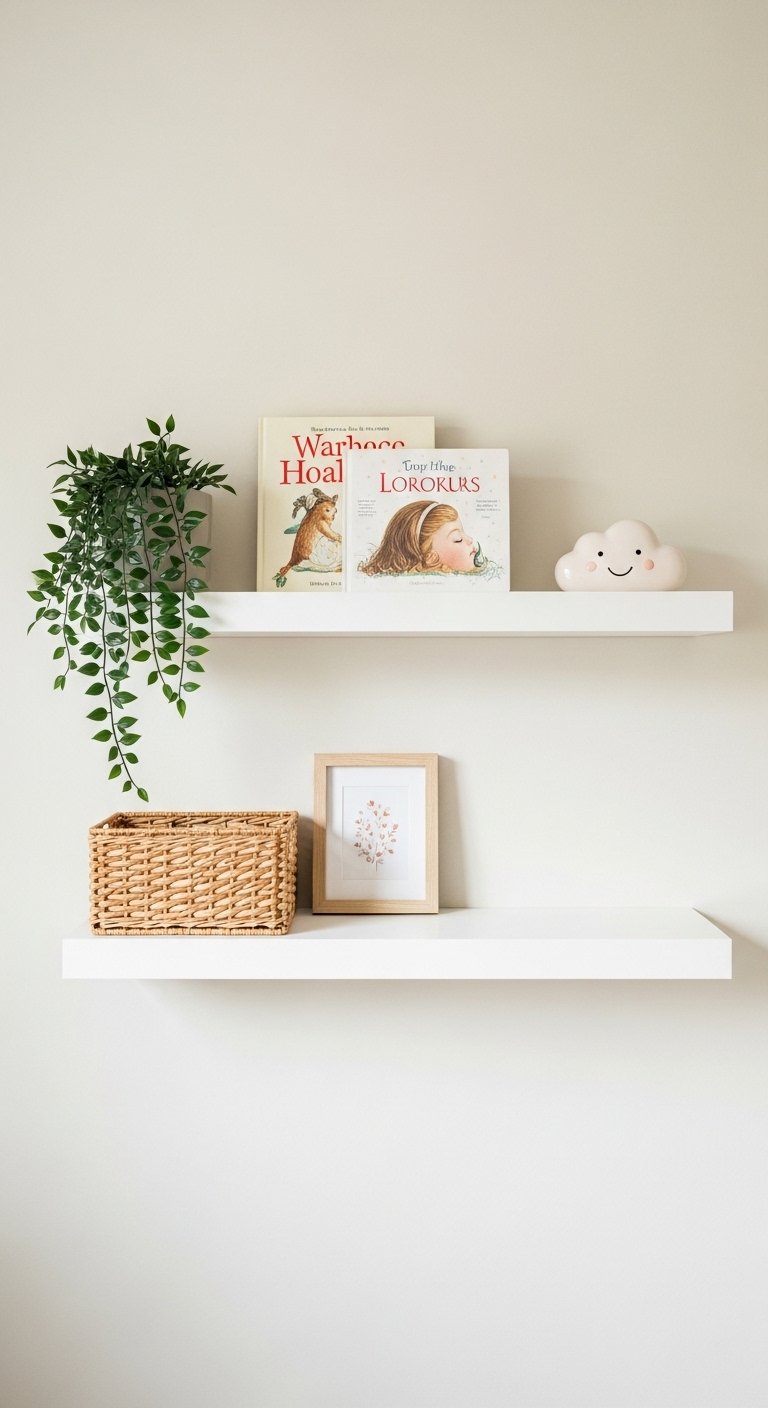
Two or three floating shelves styled with a small plant, a few books face-out, a framed print, and one or two small decorative objects create the kind of styled nursery you see in magazines. The key is restraint three to five objects per shelf maximum. Empty space on a shelf is not wasted space. It’s what makes the objects on it look intentional.
Anchor the shelves properly. Everything in a nursery that can fall eventually will.
22. Choose a Soft, Warm White for the Walls
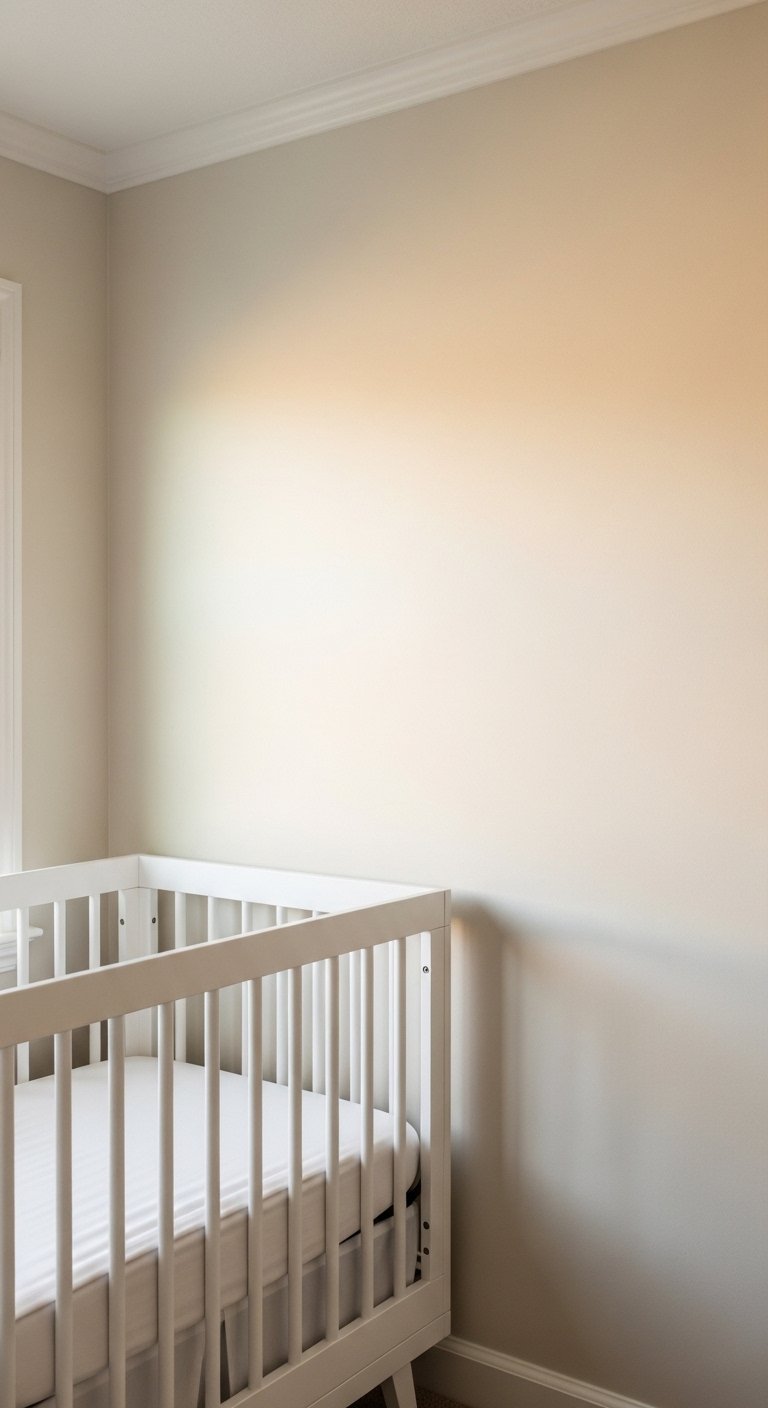
Bright white walls in a nursery create a clinical, cold feeling. A soft warm white one with a slight cream or blush undertone feels significantly warmer and more inviting. Benjamin Moore’s White Dove and Sherwin-Williams’ Alabaster are two commonly recommended options that work well with almost any nursery color scheme.
Test paint samples on the actual wall before committing. The color on the chip looks nothing like the color on the wall at scale.
23. Add a Macramé or Textile Wall Hanging
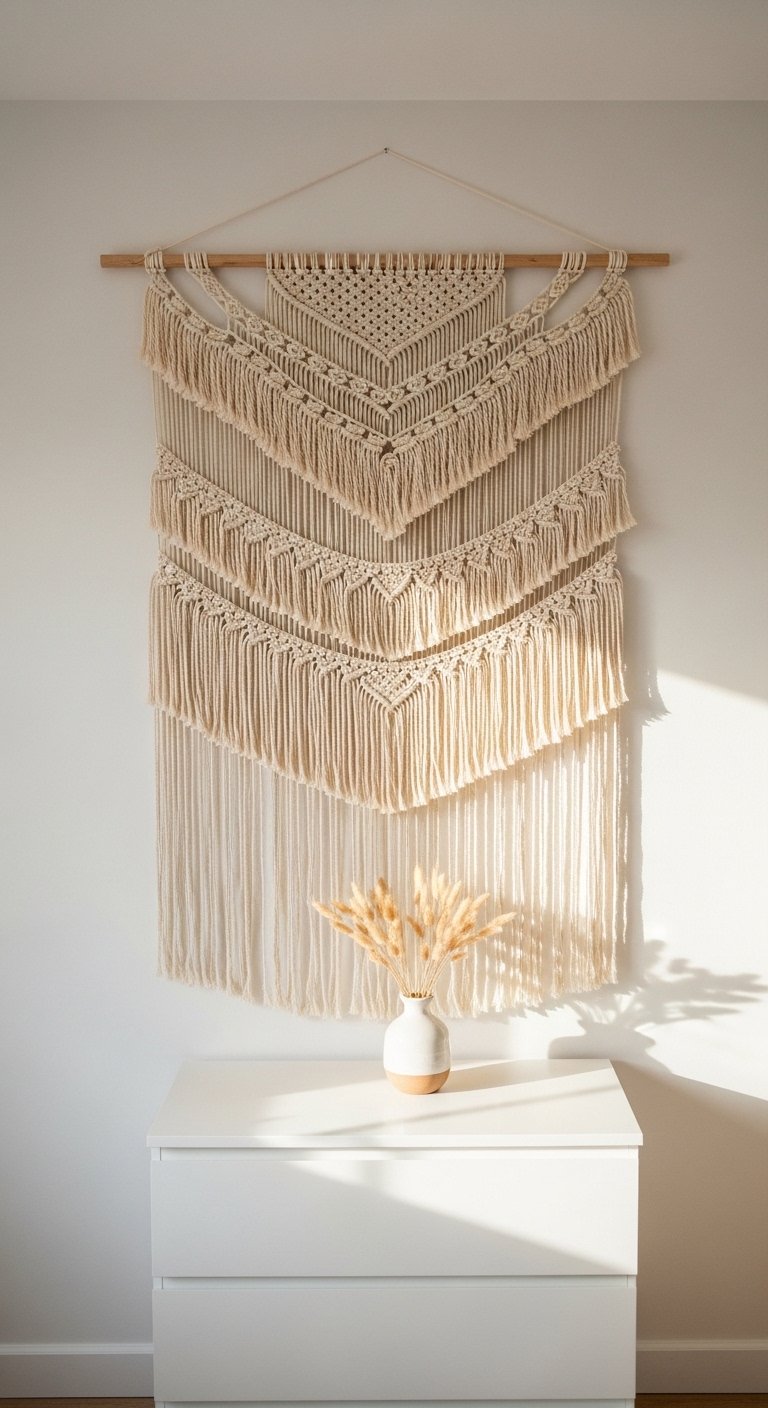
A large macramé wall hanging or woven textile piece adds texture and visual interest to a plain wall without the commitment of wallpaper or paint. Hang it above the dresser or beside the reading nook it fills vertical space gracefully and adds a handmade, artisan quality to the room.
Natural cotton, neutral tones, or blush-dyed versions all work well in a girls nursery.
24. Include a Full-Length Mirror
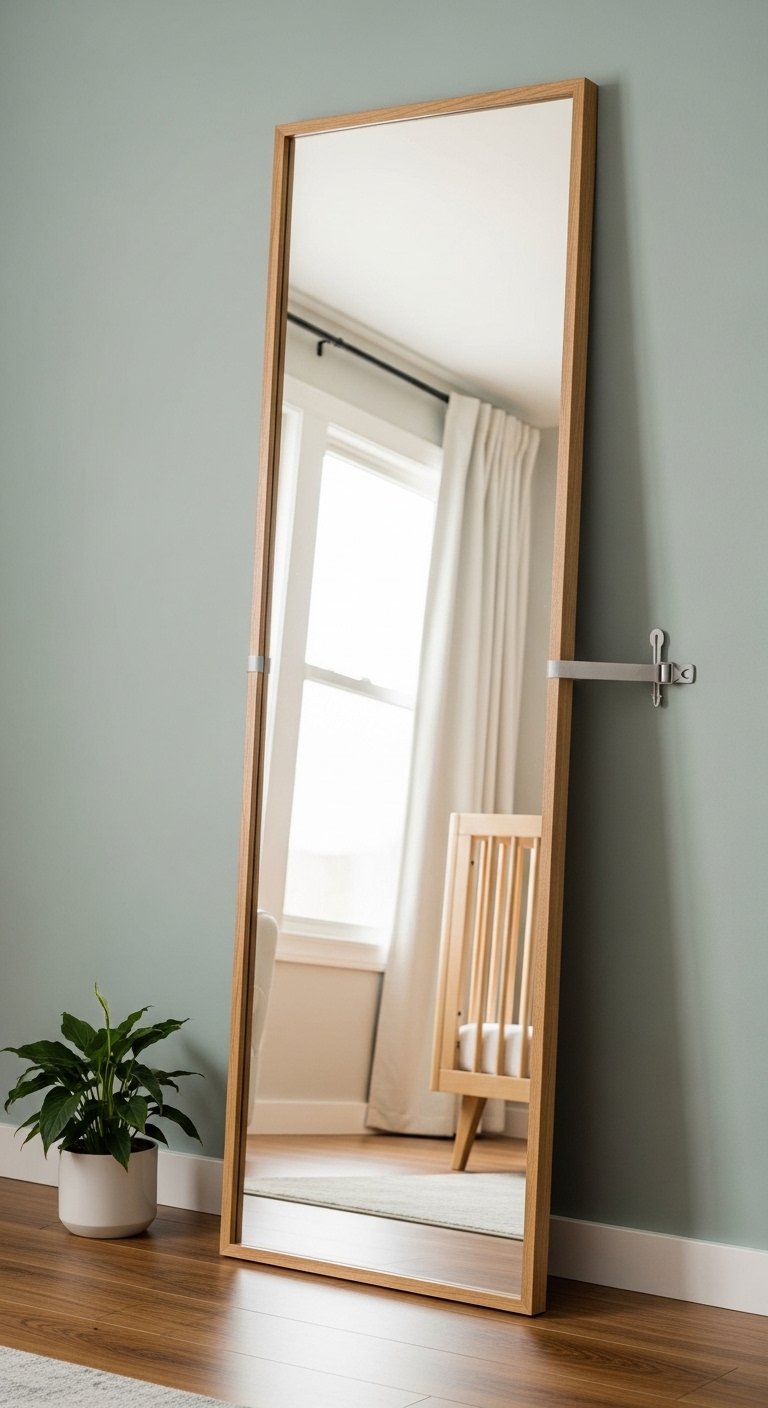
A full-length mirror in the nursery seems counterintuitive but it makes the room feel larger, bounces light, and becomes genuinely useful as she grows. A simple leaning mirror with a thin wood or white frame works well. Secure it to the wall so it can’t tip forward.
A mirror also helps during those chaotic dressing moments. Practical and decorative.
25. Design for Who She’ll Be at Three, Not Just Day One
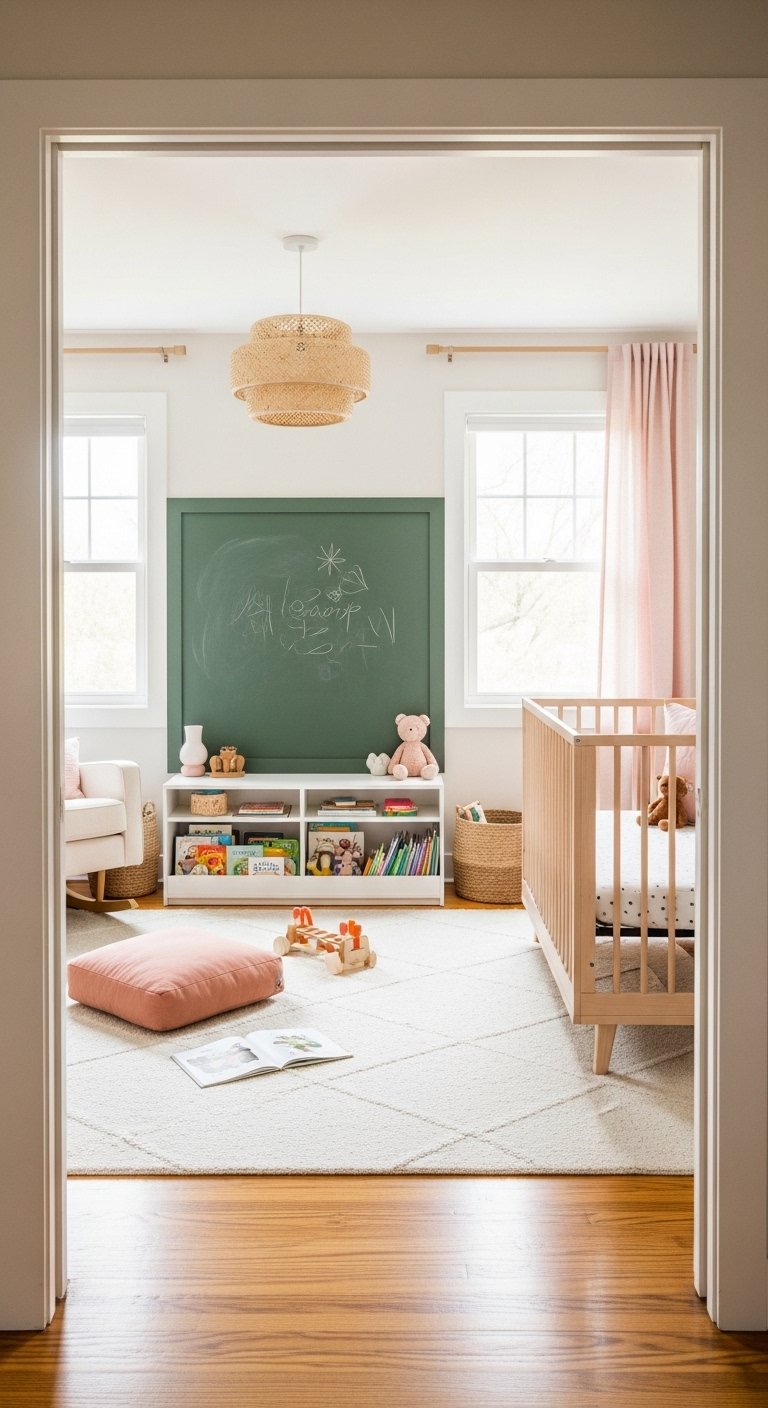
This is the idea that ties all the others together. Newborns don’t have opinions about their nursery. Toddlers absolutely do. If you design purely for the newborn stage, you’ll be redecorating sooner than you want. Choose colors, themes, furniture, and art that have room to grow that can be updated with small changes rather than a full overhaul.
Add a small chalkboard wall, choose furniture that converts, and leave some wall space open for her to eventually have input. The best nurseries grow with the child.
Final Thoughts
A girls nursery doesn’t need to be expensive, perfect, or Pinterest-famous. It needs to be functional, warm, and designed with a little foresight. The ideas on this list share one thing: they all prioritize longevity over trend-chasing 🙂
Start with the big four crib, lighting, storage, and wall color. Get those right, then layer in the personality with textiles, art, and decorative details. Don’t try to implement all 25 ideas at once. Pick the ones that fit your space, your budget, and your taste.
The nursery you build doesn’t have to be perfect. It just has to be ready and warm enough that both of you want to be in it.