23 Cozy Backyard Sitting Area Ideas for Relaxing Outdoors
Your backyard sitting area either pulls you outside every evening or sits ignored until you mow around it. The difference between those two outcomes isn’t budget or square footage. It’s whether the space solves a real comfort problem: no shade, no privacy, no lighting, no reason to stay. I rebuilt my own backyard sitting area three times before I stopped adding things and started solving specific problems, and the version that finally worked cost less than the first two attempts combined. These 23 cozy backyard sitting area ideas give you the specific solution for whatever problem keeps your outdoor space from becoming the place you actually want to be.
1. Anchor the Area With a Fire Pit
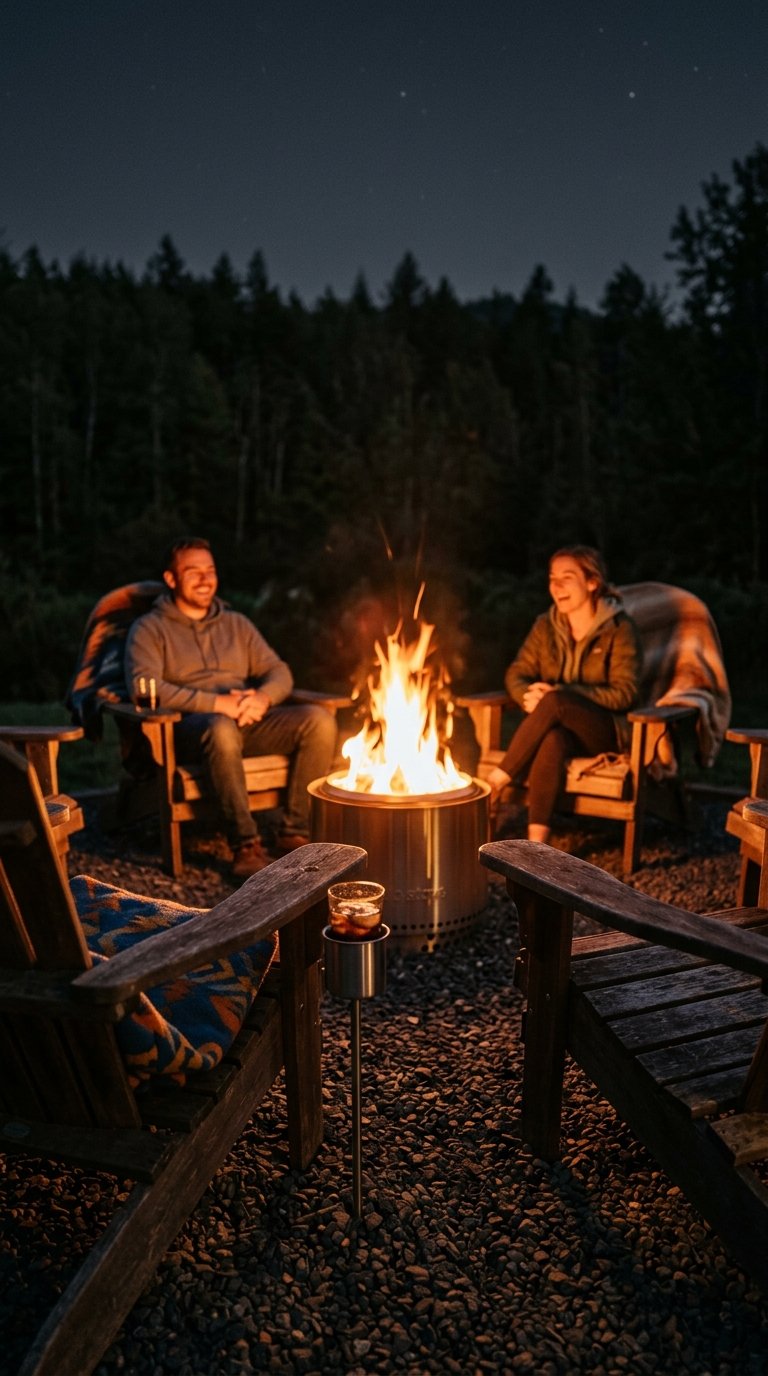
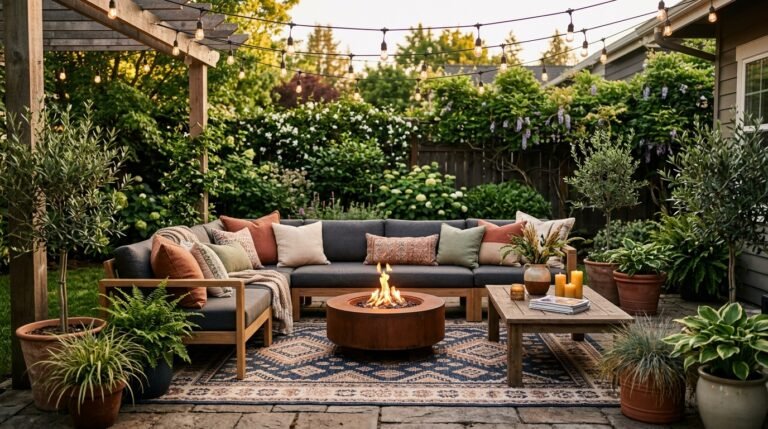
A fire pit turns a sitting area into a destination rather than just furniture on a patio. Research consistently shows people stay 40 to 60 minutes longer at outdoor gatherings when a fire pit is present, and that’s not a coincidence. Fire provides warmth, light, and a focal point that every seat in the circle faces naturally, which solves the arrangement problem most sitting areas struggle with.
A portable propane fire bowl from Solo Stove or Outland Living costs $80 to $200 and requires no installation, no permit, and no permanent commitment. Position it 6 to 8 feet from the nearest chair for comfortable warmth without heat discomfort. Four Adirondack chairs arranged in a loose circle around a 30-inch fire pit creates a complete sitting area for under $500 total.
2. Define the Space With an Outdoor Rug
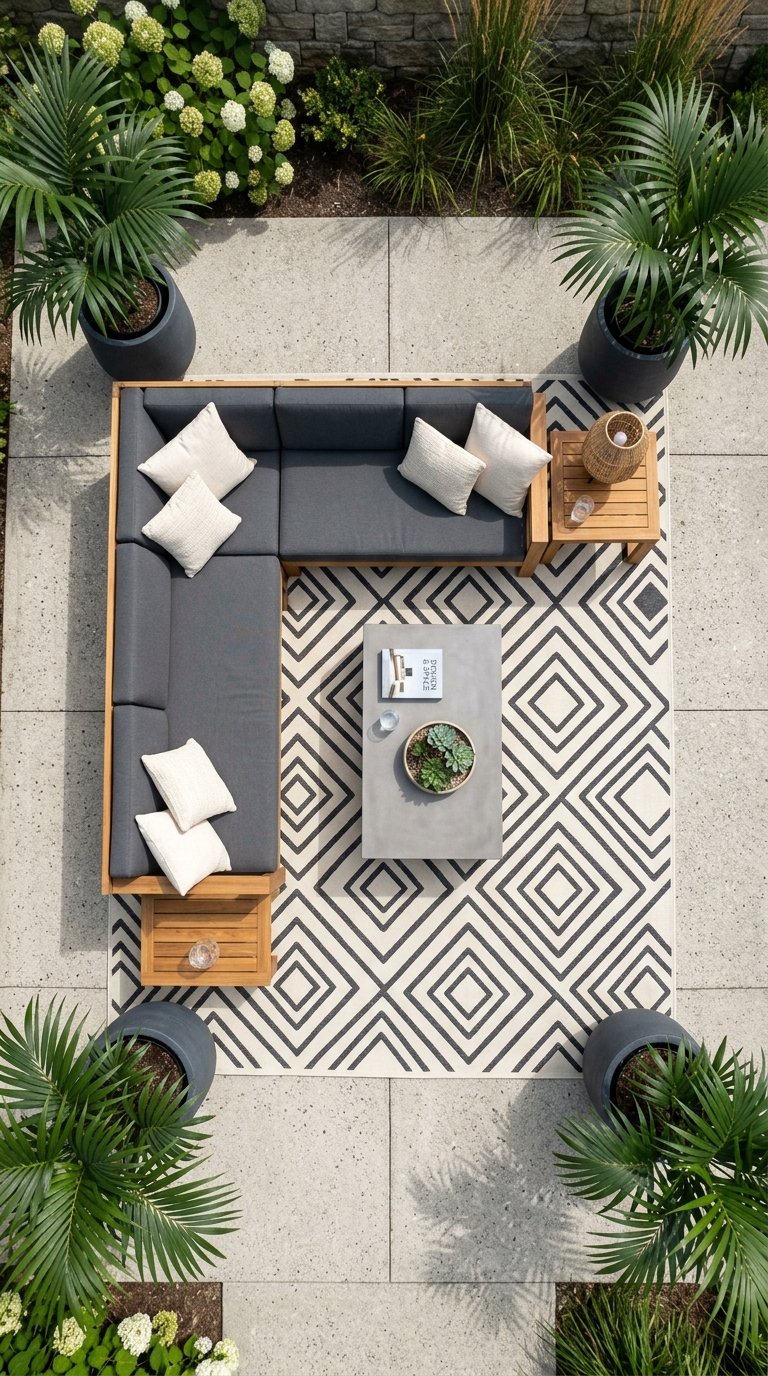
An outdoor rug creates a visual room boundary that tells every guest exactly where the sitting area begins and ends. Without it, furniture floats in undefined space and the whole arrangement reads as temporary. A University of Minnesota environmental psychology study found that defined boundaries in outdoor spaces increase perceived comfort and time spent in them.
Choose a polypropylene rug that extends at least 24 inches beyond the furniture on all sides. A standard 8×10 rug handles most four to six person sitting areas and costs $60 to $150 at HomeGoods or IKEA. Bold geometric patterns in warm earth tones work in most backyard settings and hold their color through three to five outdoor seasons without fading.
3. Add a Pergola for Overhead Enclosure
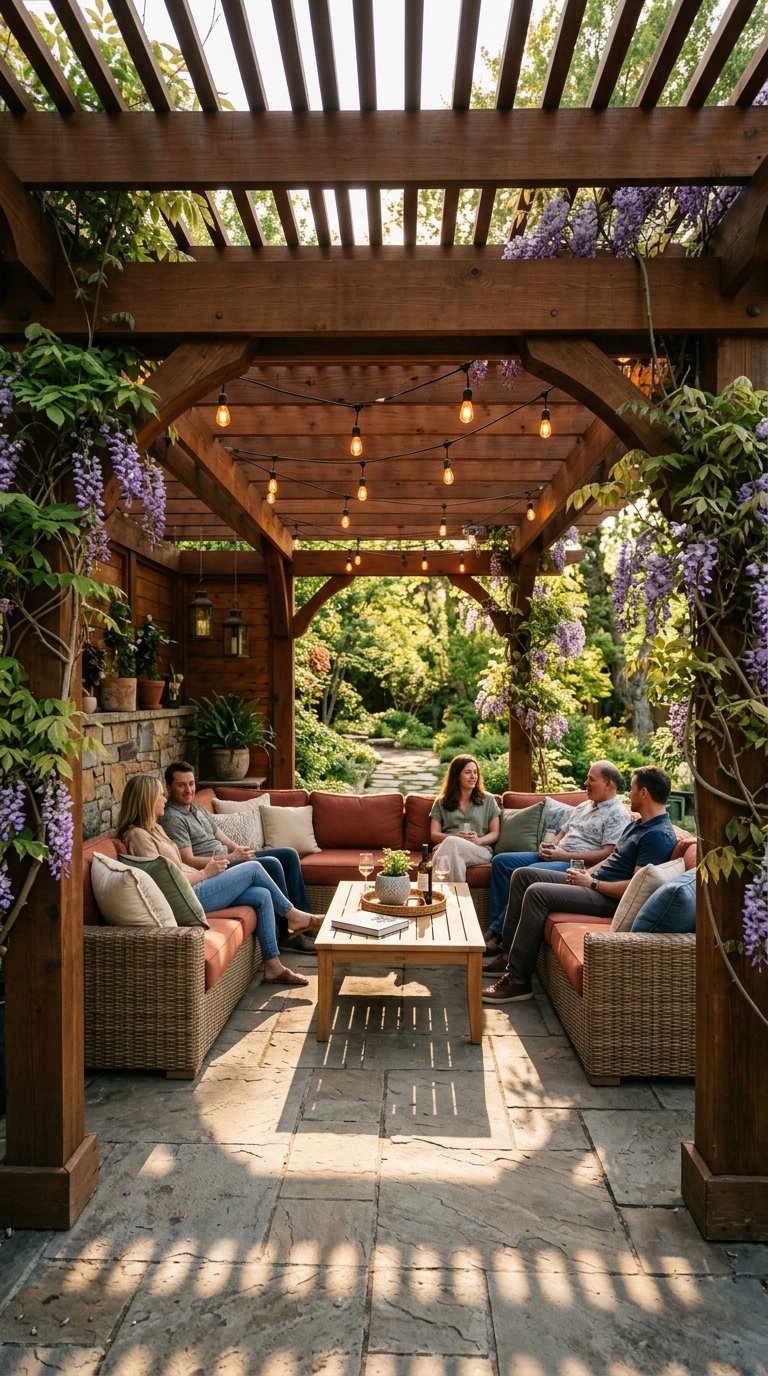
The reason most backyard sitting areas feel exposed and uncomfortable is the absence of any overhead structure. A pergola adds the ceiling layer your brain associates with shelter and rooms, which immediately makes the sitting area feel more intimate and settled. Studies in environmental psychology confirm that overhead enclosure increases perceived safety and relaxation in outdoor spaces.
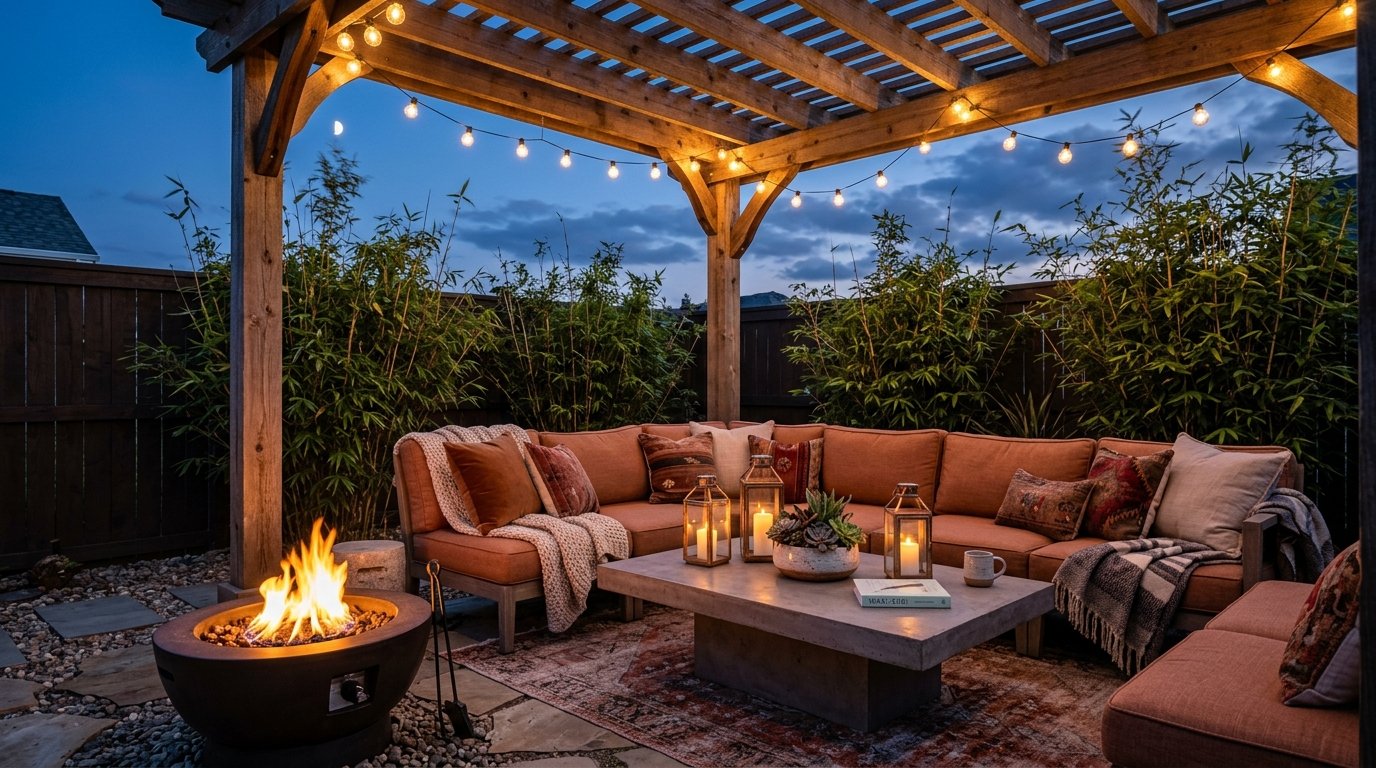
Pergola kits from Yardistry and Palram assemble in a weekend without professional help and cost $700 to $1,500. A 10×12 foot pergola covers a six-person sitting area with room for a coffee table and side tables. Add string lights across the rafters and the space works from morning coffee to late evening without any additional investment.
4. Use a Sectional Sofa as the Sitting Area Foundation
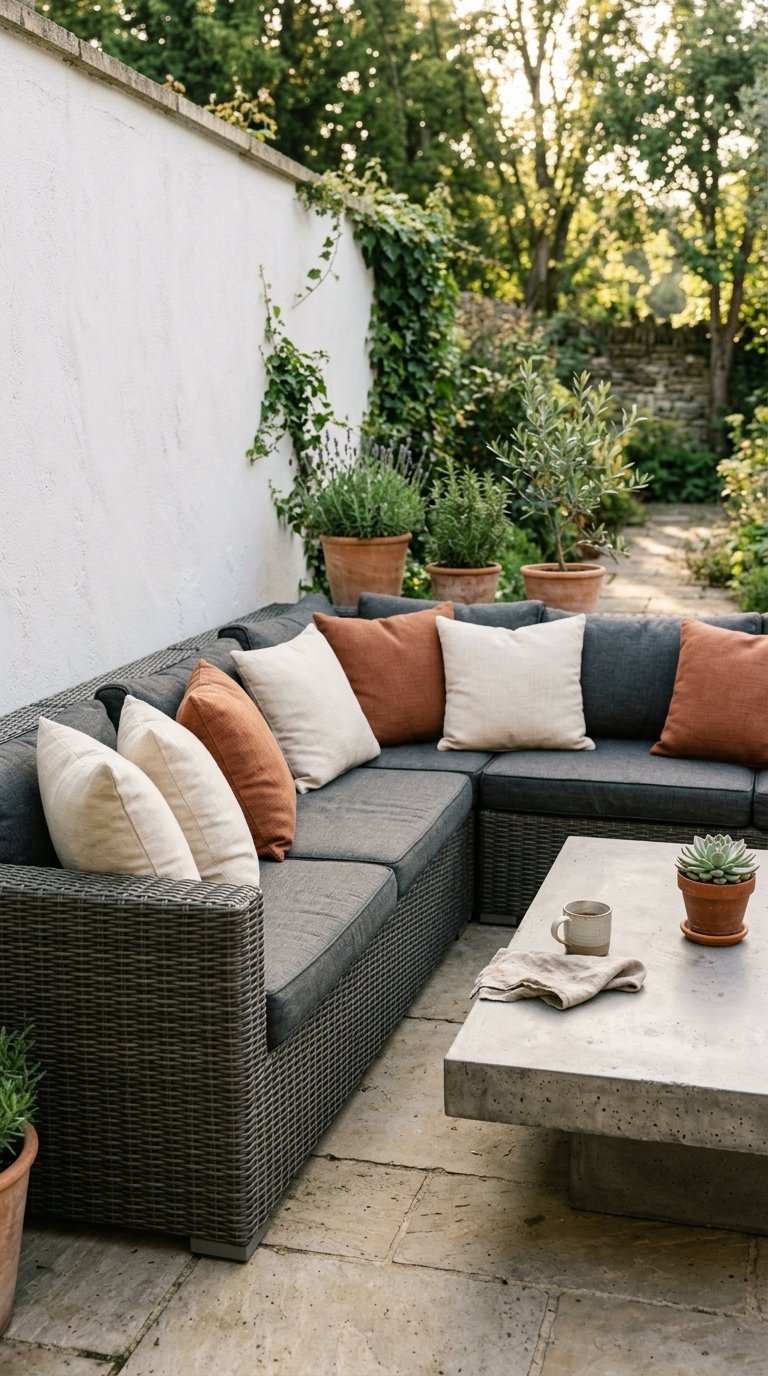
A sectional sofa seats six to eight adults in a single connected arrangement that creates more social cohesion than the same number of individual chairs ever achieves. The L-shape positions guests closer together and at more varied angles, which research on conversation dynamics shows produces longer, more engaged conversations than face-to-face linear seating.
All-weather resin wicker sectionals with powder-coated aluminum frames cost $600 to $1,500 and last 10 to 15 years with proper cushion storage in winter. Position the corner of the L against the house wall or a fence to anchor the arrangement and keep the open face toward the yard. Add a concrete or teak coffee table centered in front of the open sofa face and the sitting area functions as a complete outdoor living room.
5. Hang String Lights in a Canopy Formation
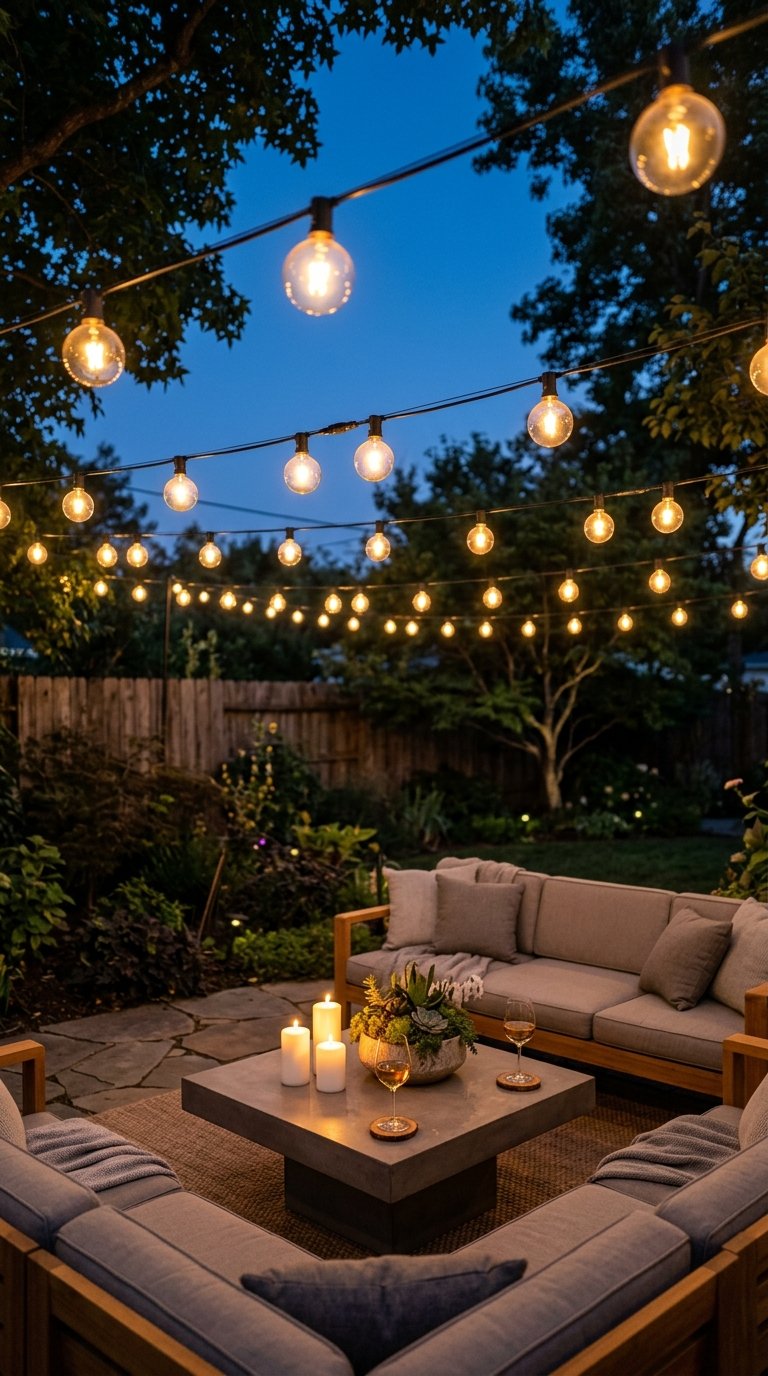
String lights above a sitting area extend its usable hours from sunset to midnight without the harsh, flat illumination of a standard outdoor fixture. The Lighting Research Center at Rensselaer Polytechnic Institute confirms that warm ambient light in the 2700K to 3000K range improves mood and perceived comfort, which is exactly the range G40 globe string lights produce.
Run parallel rows of string lights 8 to 9 feet above the seating surface between posts, trees, or a pergola frame. Space the rows 18 to 24 inches apart for even coverage. A 50-foot connectable strand covers a standard sitting area for under $40. Pair with a $15 smart plug timer and the lights activate at sunset every night without you touching a switch.
6. Place a Shade Sail Above the Primary Seating
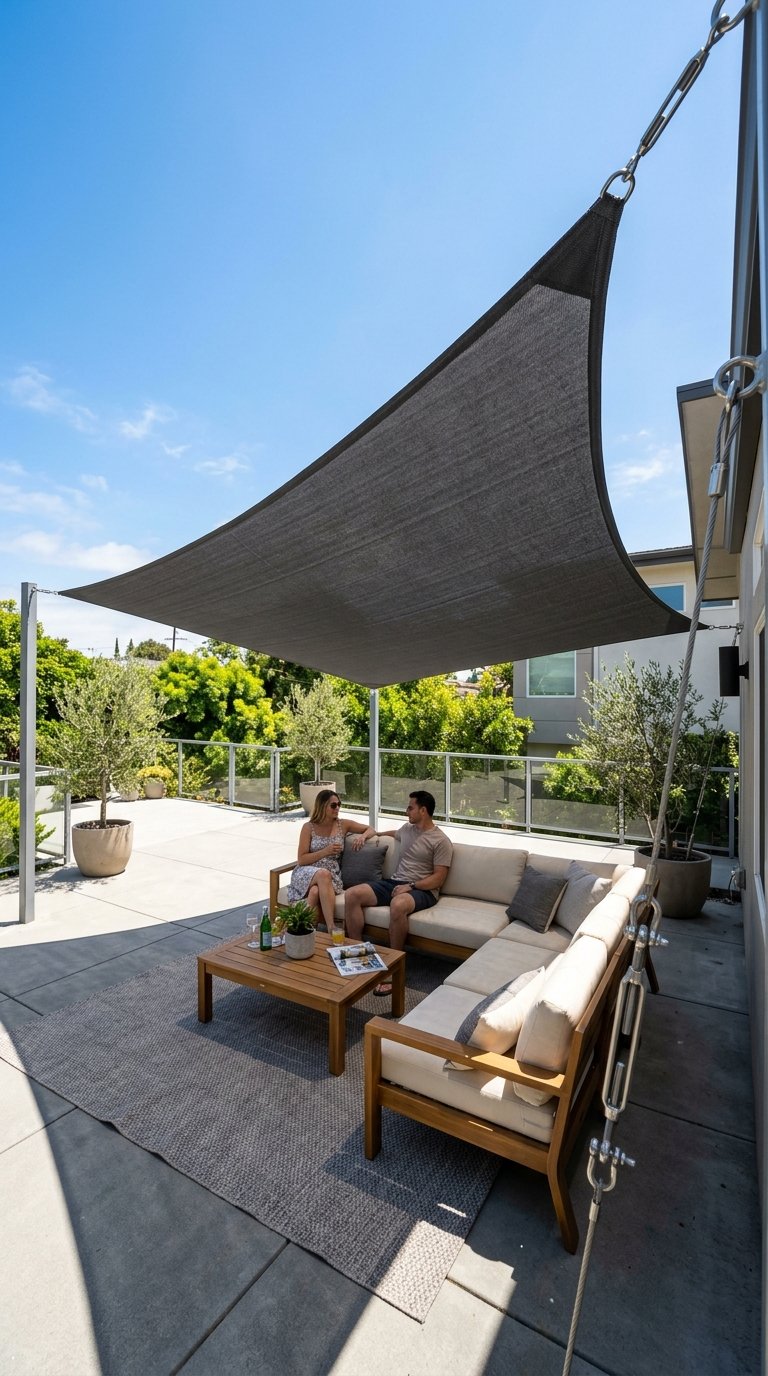
Direct afternoon sun makes an outdoor sitting area genuinely uncomfortable between noon and 4pm during summer months. A shade sail blocks 90 to 95 percent of UV radiation and drops the perceived temperature by 10 to 15 degrees in the covered area below. That temperature reduction converts a sitting area from a space you tolerate into one you seek out during peak summer hours.
A 12×14 foot rectangular HDPE shade sail covers most sitting areas completely and costs $50 to $100. Mount it on three or four anchor points using stainless steel hardware and angle it slightly so rainwater runs off rather than pooling at the center. This single addition extends your daily sitting area usage by four to six hours in summer.
7. Build a Gravel Base Around the Sitting Area
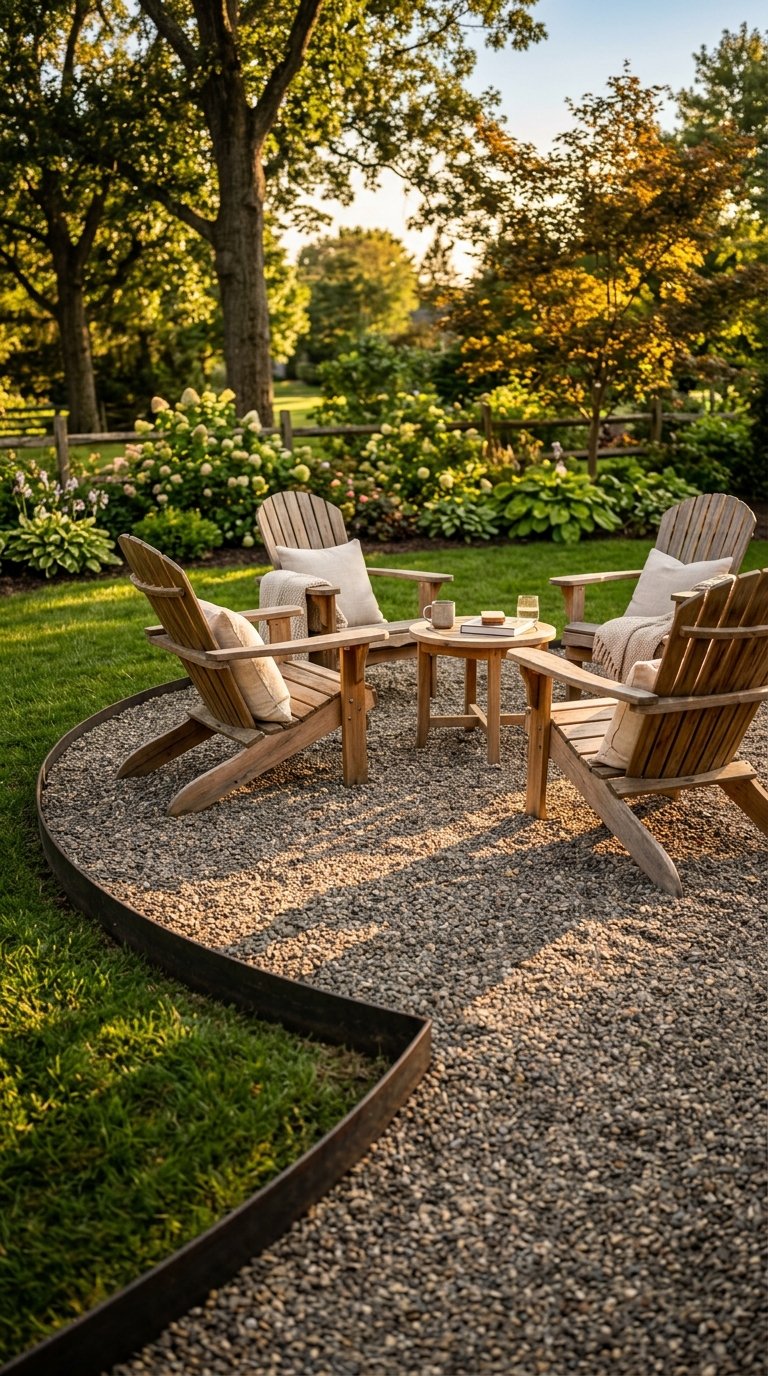
Grass under outdoor furniture deteriorates from foot traffic and chair movement within one season, leaving a muddy, worn patch that makes the entire sitting area look neglected. A 10 to 14 foot diameter gravel base around the sitting area solves the ground surface problem permanently at minimal cost compared to the alternative of reseeding damaged lawn every spring.
Pea gravel costs $30 to $50 per cubic yard. A 12-foot diameter circle 3 inches deep needs approximately half a cubic yard in material. Edge the gravel with a metal landscape border to keep the stone contained. Decomposed granite compacts more firmly underfoot than pea gravel and works better if your sitting area furniture includes heavy pieces like concrete or teak.
8. Add Deep-Seat Lounge Chairs for Comfort
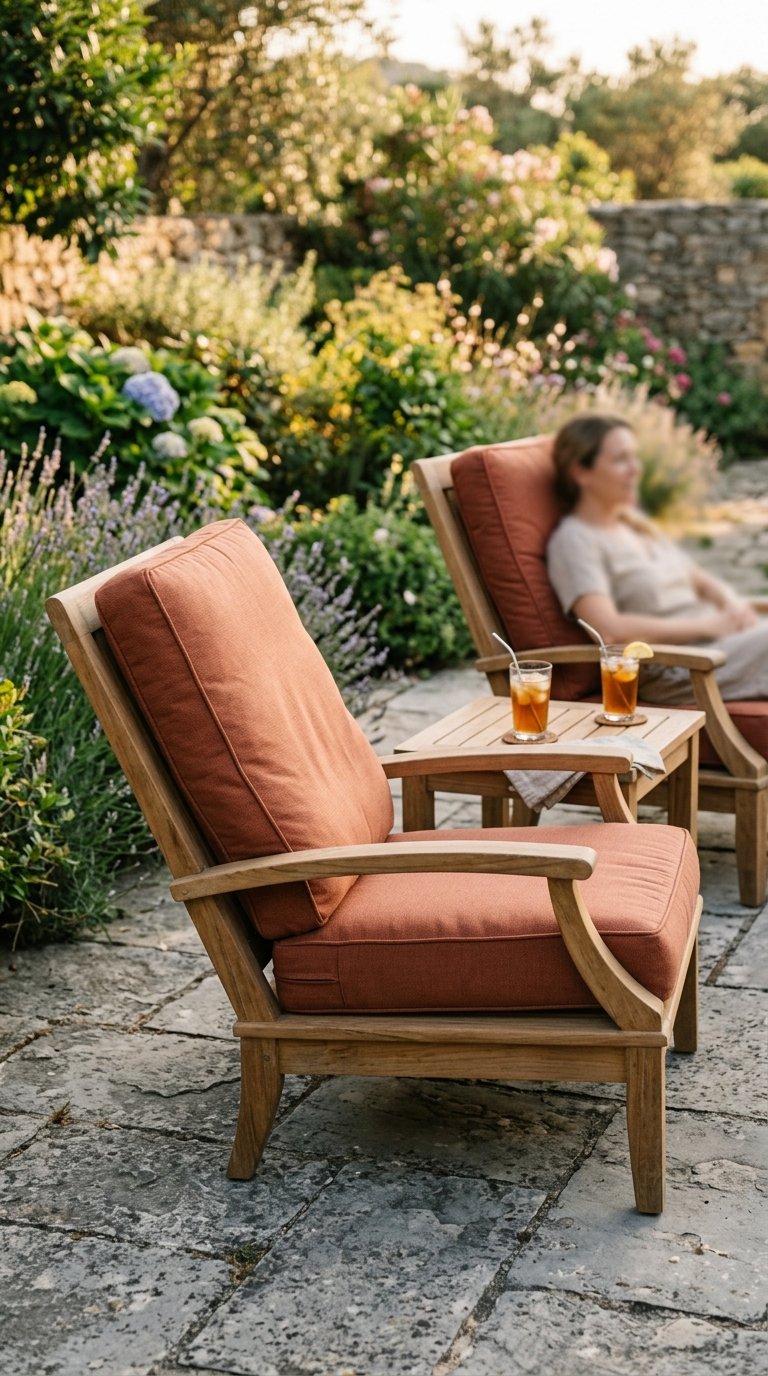
Standard outdoor dining chairs position guests upright at a 90-degree angle, which works for eating and does nothing for relaxing. Deep-seat lounge chairs with a 20 to 22 inch seat depth and a slightly reclined back angle produce a measurably more relaxed seating posture that keeps guests in the sitting area for hours rather than the 45 minutes a dining chair produces.
Teak deep-seat lounge chairs with Sunbrella cushions cost $200 to $400 each and last decades with minimal maintenance. Resin wicker alternatives cost $80 to $150 per chair and perform well in most climates. Two deep-seat lounge chairs with a shared side table between them creates a self-contained conversation area within the larger sitting space.
9. Create Privacy With Tall Potted Plants
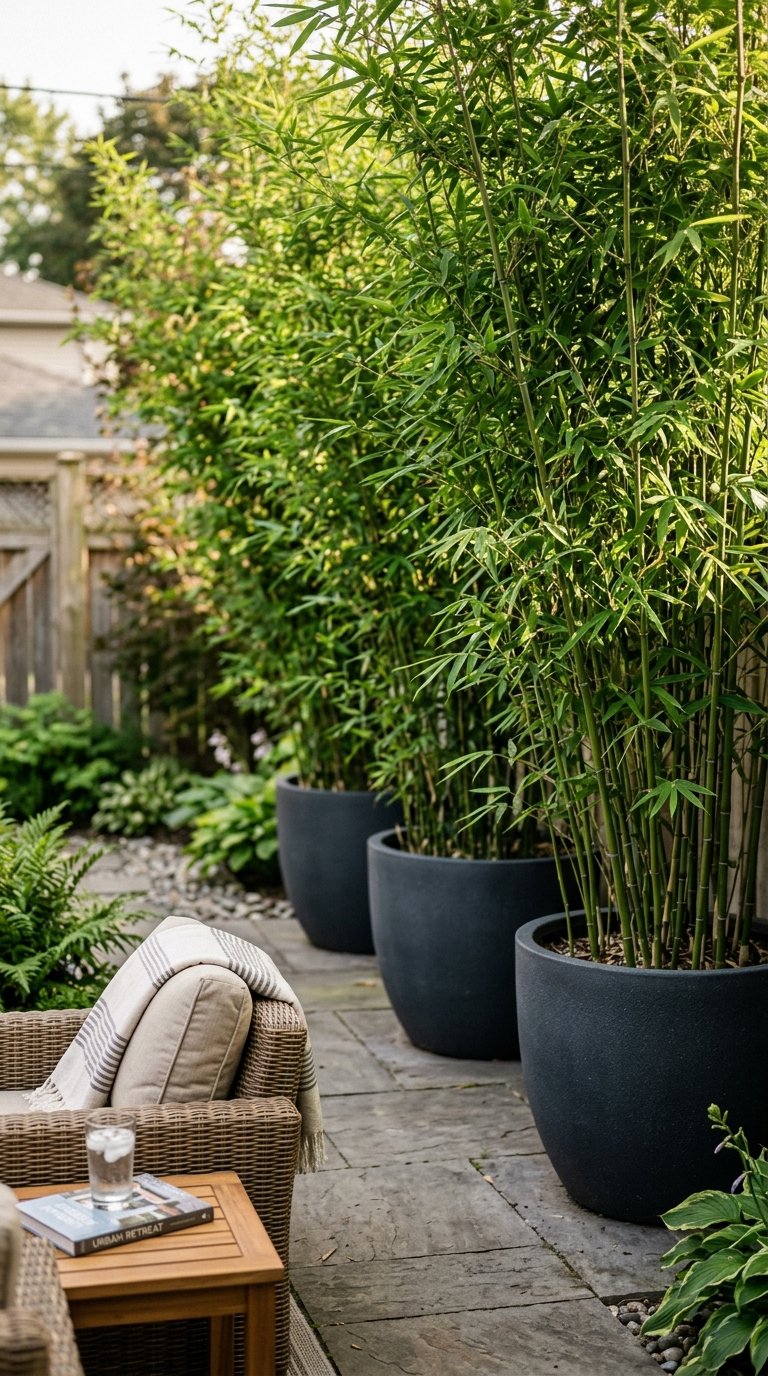
A backyard sitting area that faces a neighboring property or street directly loses its cozy quality regardless of how well you furnish it. Three to four tall container plants positioned on the most exposed side screen sightlines without a building permit, a permanent fence, or your landlord’s approval. Clumping bamboo in large planters reaches 6 to 8 feet tall within two growing seasons and contains itself within the pot rather than spreading invasively.
Arborvitae, ornamental grasses, and columnar junipers all work as screening plants in large containers. A 5-gallon clumping bamboo costs $30 to $60. Two plants in 20-gallon planters on the most exposed corner of the sitting area provide effective visual privacy from neighboring second-floor windows and adjacent properties simultaneously.
10. Install a Porch Swing or Hanging Chair
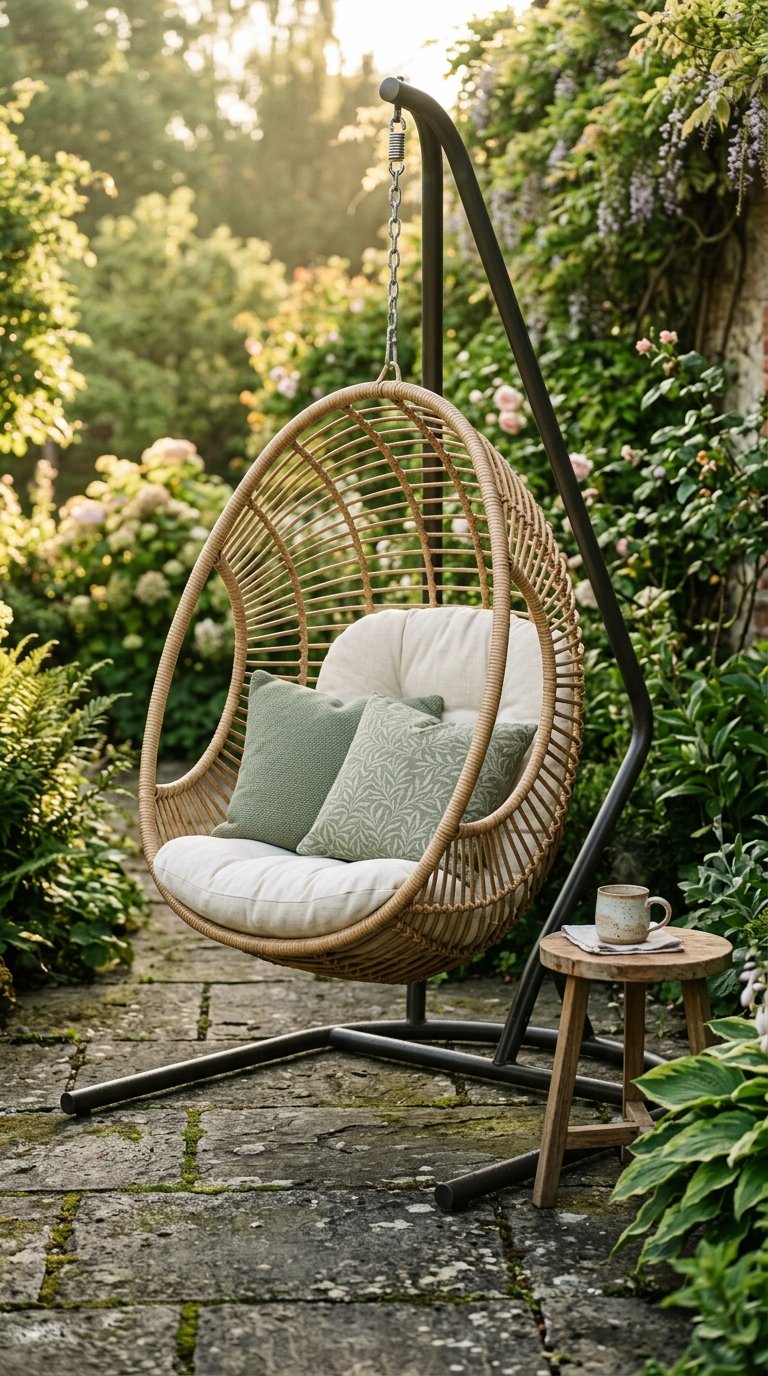
A porch swing or hanging egg chair adds the element of gentle movement that no static seating ever replicates, and movement is genuinely relaxing. Research published in Current Biology found that rhythmic rocking motion slows brain activity and promotes faster onset of deeper relaxation than stationary seating positions.
A porch swing hung from a pergola beam costs $150 to $300 for a cedar version. A freestanding hanging egg chair on an A-frame stand costs $120 to $250 and requires no structural mounting point. Either option becomes the most used seat in any backyard sitting area and the one every guest gravitates toward within the first five minutes of arriving.
11. Use a Coffee Table That Serves Every Seat
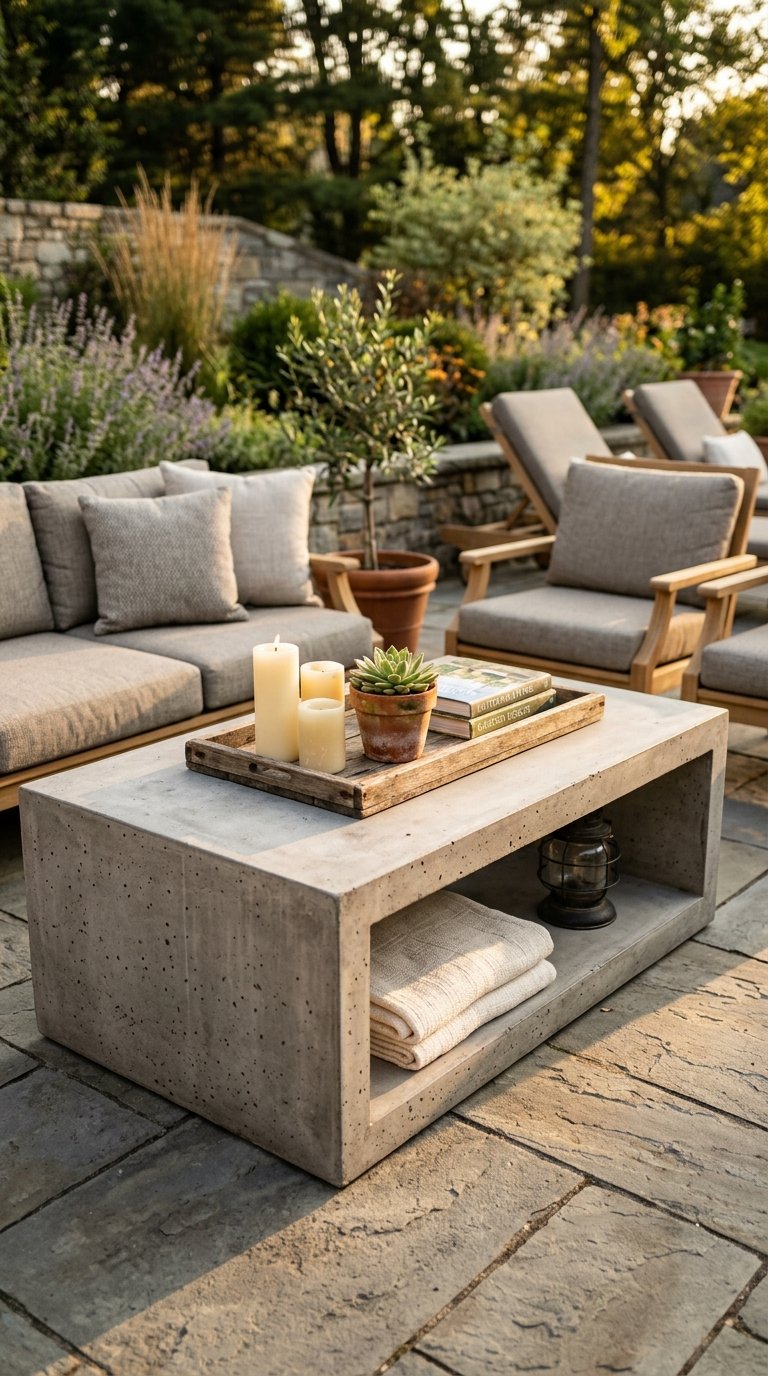
A sitting area without a coffee table within arm’s reach of every seat forces guests to hold drinks for the entire visit, which sounds like a small problem until you host your first backyard evening and watch everyone look for a surface to put their glass on. A 48×24 inch rectangular coffee table serves a standard four to six person sitting arrangement.
Concrete coffee tables handle outdoor conditions indefinitely with zero maintenance. Teak tables require annual oiling but age gracefully. Powder-coated steel holds up in most climates but shows rust at chip points over time. A concrete outdoor coffee table costs $150 to $400 and lasts the lifetime of the property. Add a lower shelf for spare throws, outdoor magazines, or a lantern.
12. Layer the Sitting Area With Outdoor Throw Pillows
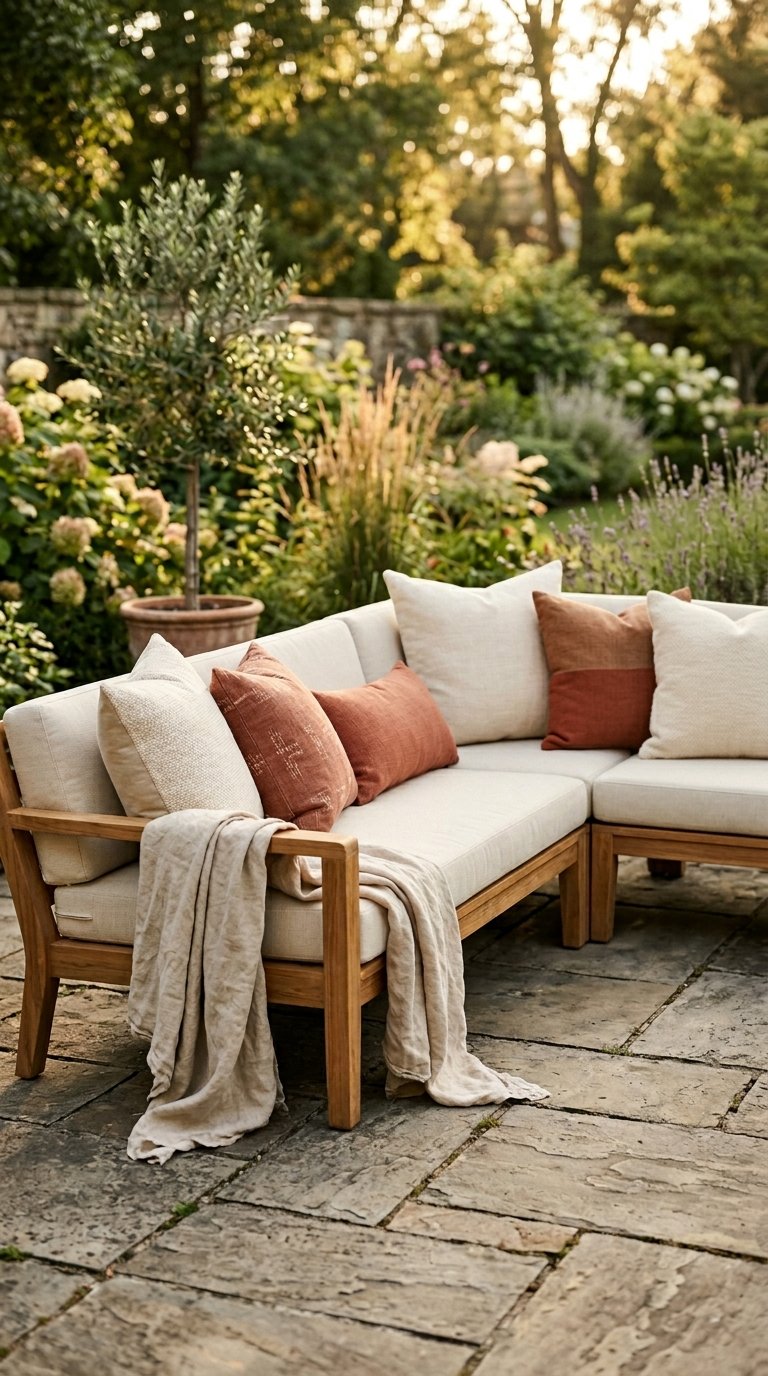
Throw pillows double the comfort of any outdoor seating and give you the fastest, cheapest way to refresh the entire sitting area aesthetic when the style feels dated. Swapping pillow covers costs $30 to $60 and changes the color story of the whole space in 10 minutes without moving a single piece of furniture.
Solution-dyed acrylic pillow covers (Sunbrella fabric or equivalent) resist UV fade and moisture through five to seven outdoor seasons. Two pillows per chair and three on a sectional end create enough visual warmth to make the sitting area feel genuinely furnished rather than sparsely equipped. Deep terracotta, warm rust, and sage green perform particularly well in most backyard settings across all seasons.
13. Place Lanterns at Multiple Heights Around the Seating
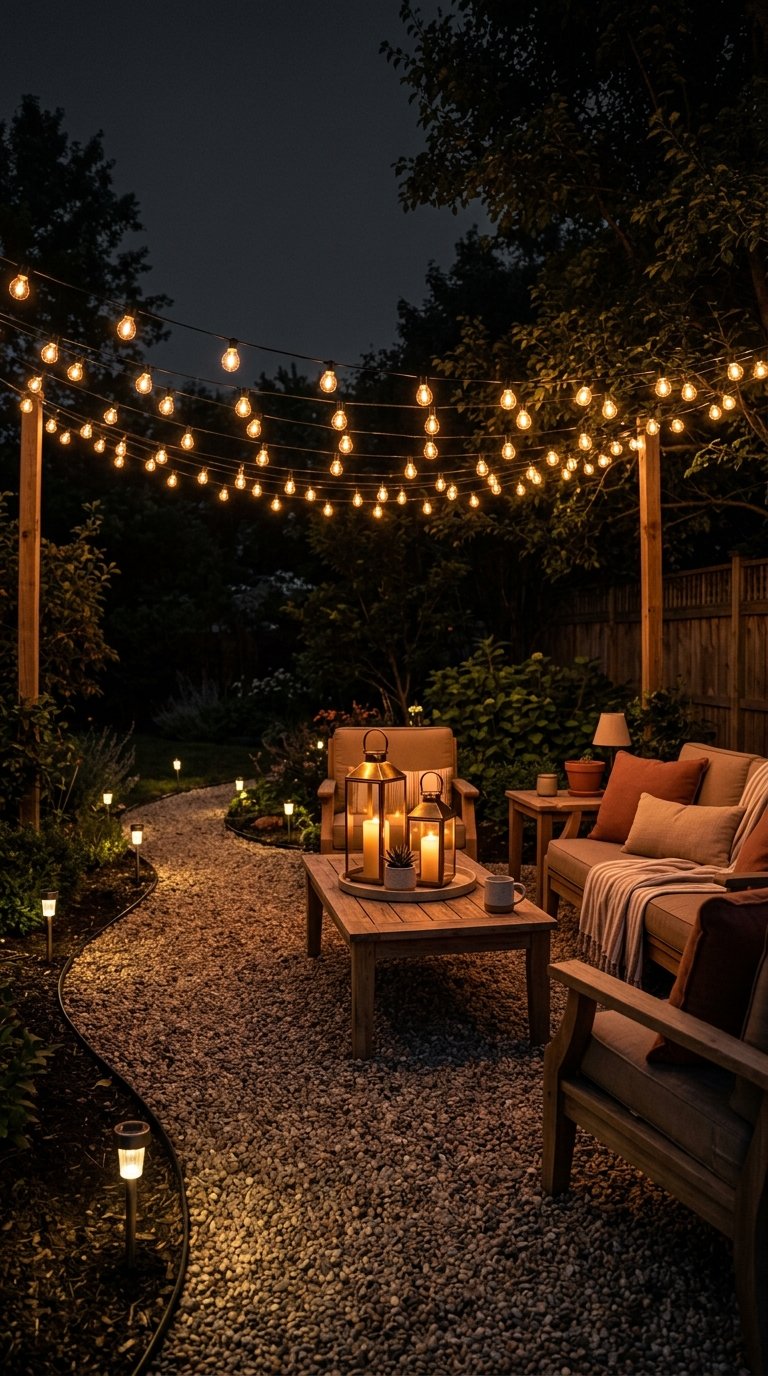
Three lighting layers make a backyard sitting area work after dark: overhead string lights for ambient coverage, lanterns at table level for mid-height warmth, and ground-level stake lights at the perimeter. The combination creates dimensional depth that a single lighting source never achieves and that’s exactly what separates a cozy sitting area from a utility-lit patio.
Group two or three lanterns of varying heights on the coffee table and one large floor lantern beside the sectional. Use LED flameless pillar candles inside for wind resistance on exposed sites. A complete three-layer lighting setup costs $60 to $120 total and transforms how the sitting area reads at night from a dark corner to the warmest destination in the backyard.
14. Build a Built-In Bench With Storage Underneath
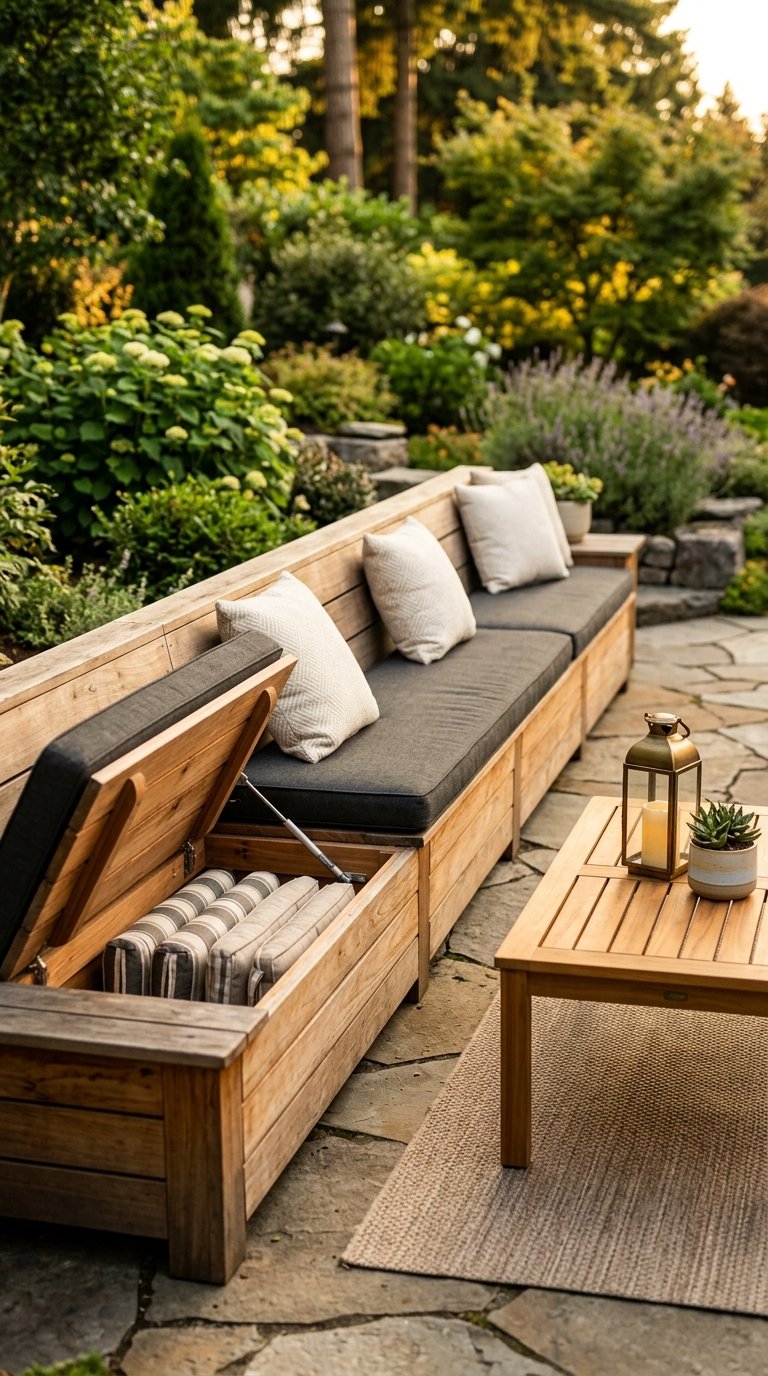
A built-in bench along one side of the sitting area eliminates the furniture storage problem that plagues most outdoor spaces. Outdoor cushions, throws, garden tools, and seasonal decor store inside the bench seat, freeing every other surface in the sitting area from storage duty. A 6-foot built-in bench with hydraulic lid storage costs $200 to $400 in materials and holds four adults on the seat surface.
Cedar construction handles outdoor exposure without treatment for 10 to 15 years. Add a Sunbrella cushion on the seat surface and the bench reads as intentional seating rather than a storage solution with a lid. IMO, a built-in bench with storage is the most efficient single structure you add to any outdoor sitting area because it solves two problems simultaneously.
15. Add a Water Feature for Ambient Sound
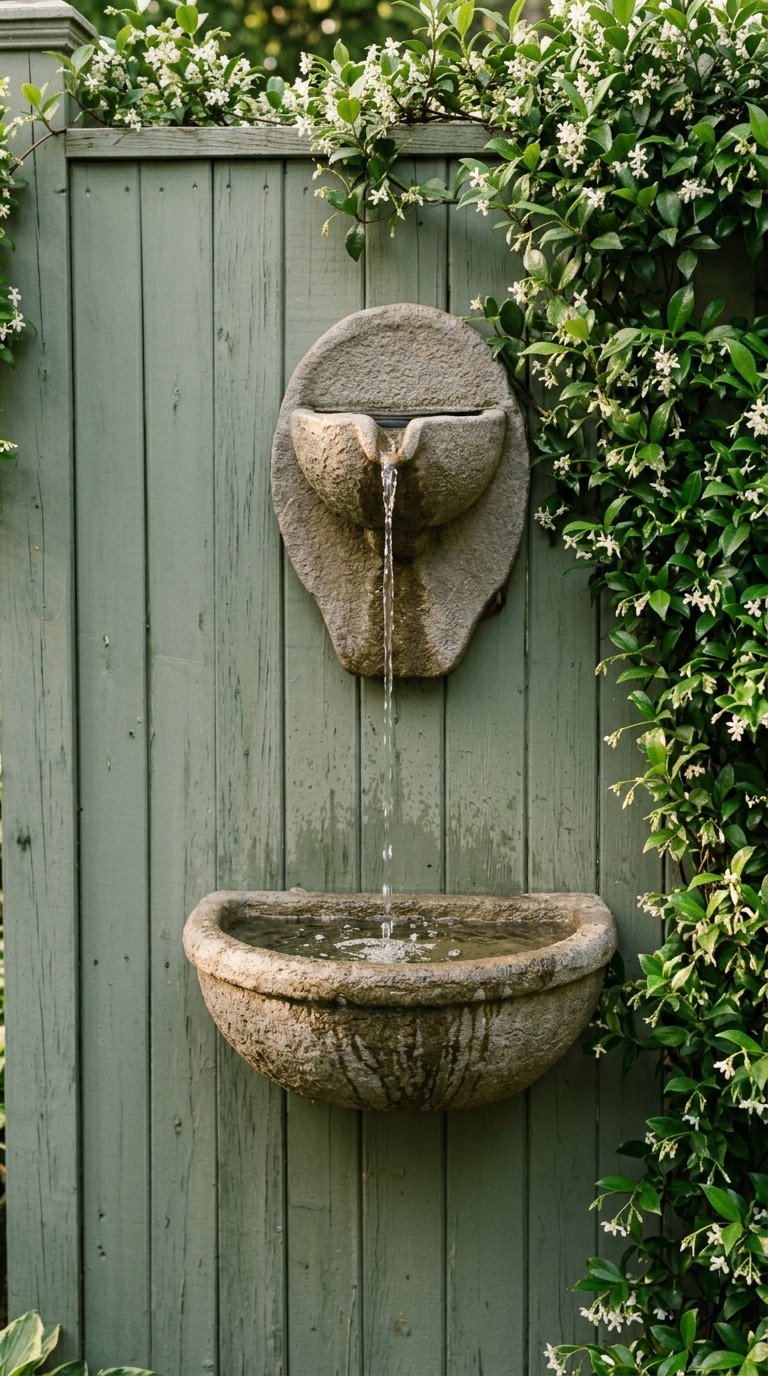
Urban and suburban backyards carry significant ambient noise from traffic, neighbors, and general activity that undermines the relaxed atmosphere a sitting area needs. A compact recirculating water feature positioned 8 to 12 feet from the sitting area introduces moving water sound that acoustically masks surrounding urban noise more effectively than any solid barrier at the same price point.
Research from the University of Sussex found that natural water sounds reduce perceived stress more reliably than music or white noise in outdoor settings. A wall-mounted solar fountain costs $50 to $150 and requires no outlet or permanent plumbing. A freestanding tiered fountain costs $80 to $200. Either option changes the auditory environment of the sitting area in a way that guests consistently notice and comment on.
16. Create a Dedicated Reading Nook Within the Sitting Area
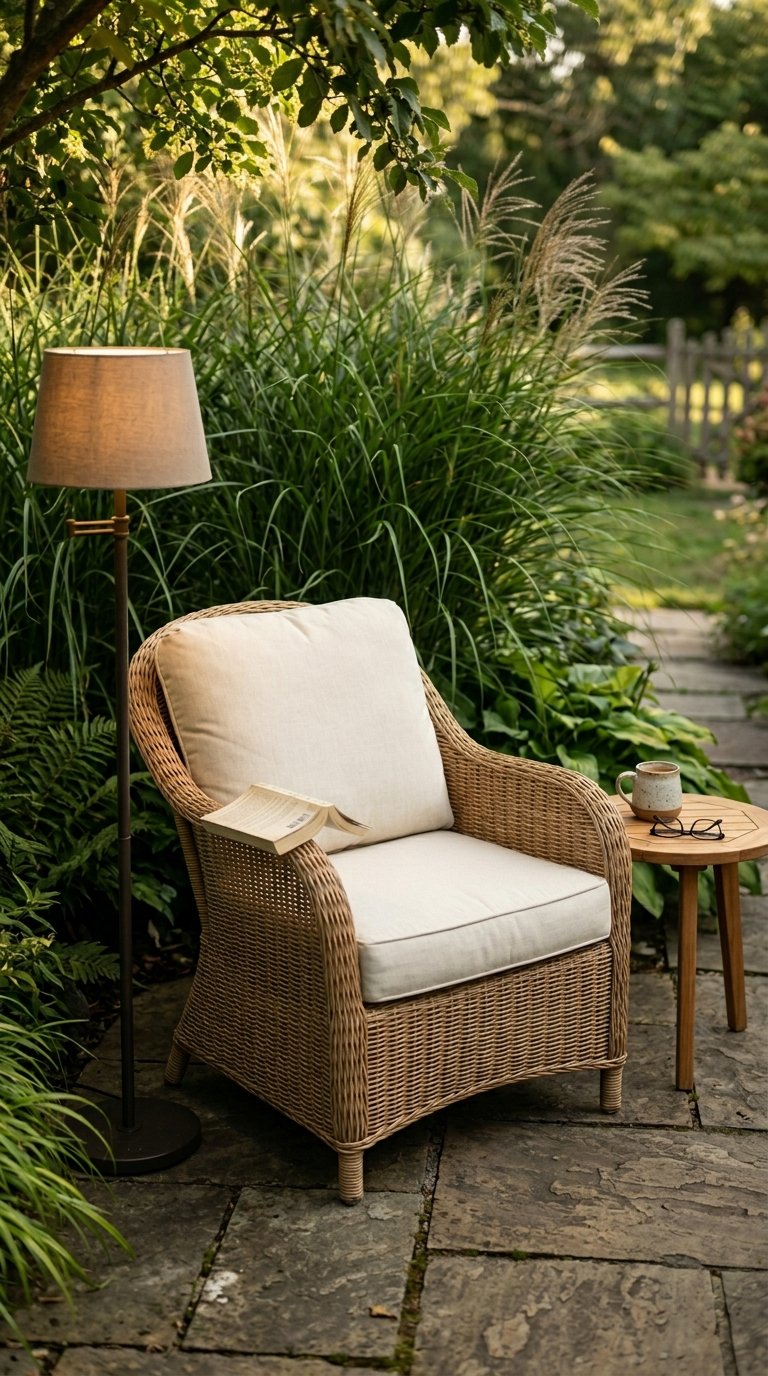
A single armchair positioned slightly apart from the main seating group with a side table and an outdoor floor lamp creates a reading nook that gives the sitting area a second purpose and a quieter zone for solo use. The distinction between the social seating group and the reading nook makes the overall space feel larger and more thoughtfully designed than a uniform arrangement.
A weather-resistant rattan armchair with a thick cushion costs $150 to $300. A battery-powered outdoor floor lamp provides enough light for evening reading without a power connection. Position the nook in the corner of the sitting area with the best shade coverage so it stays usable during peak afternoon sun when the main seating group gets direct exposure.
17. Use Outdoor Curtains for Flexible Privacy and Wind Protection
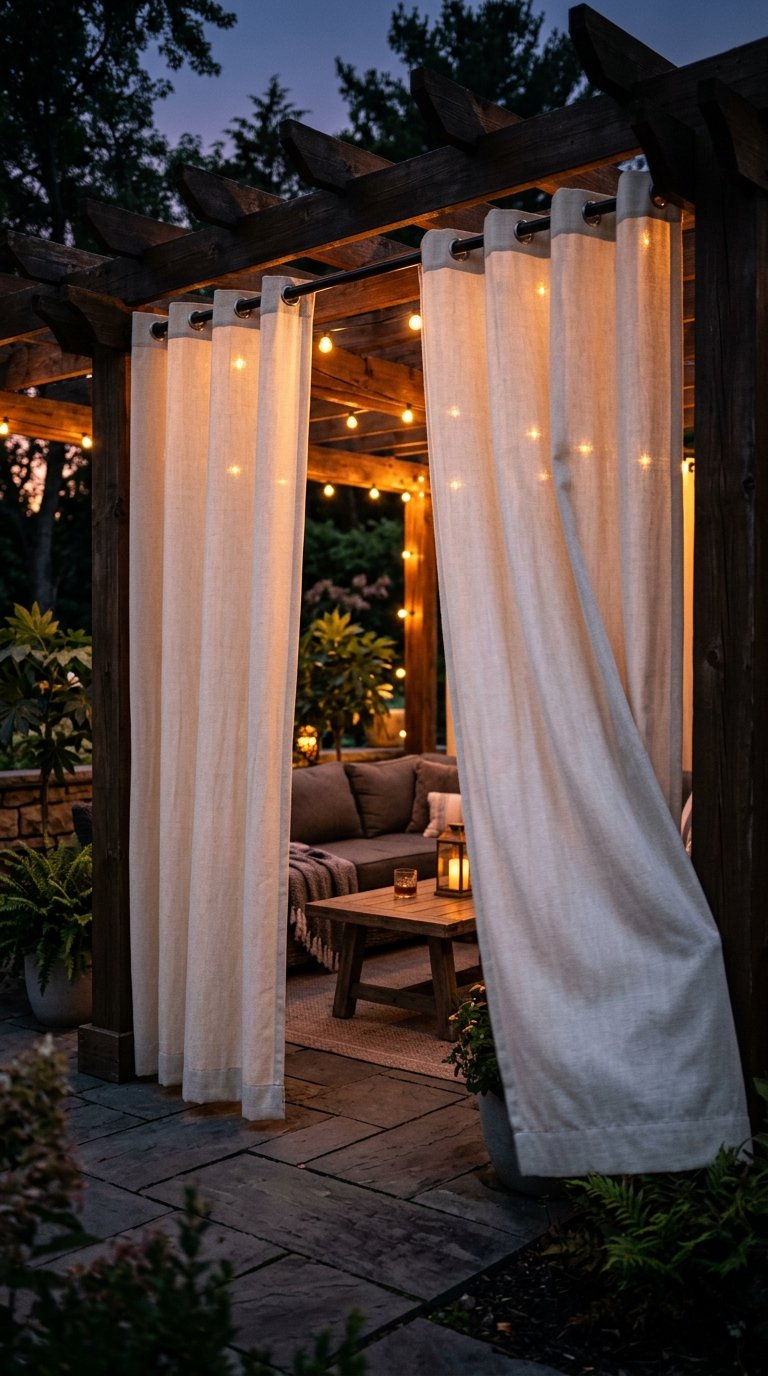
Outdoor curtain panels on a pergola or tension rod system give you adjustable privacy and wind protection that no solid structure provides. Pull them open for full airflow and sunlight during the day. Close them during evening use for warmth, privacy, and the visual softness that makes the sitting area feel like an enclosed outdoor room rather than an exposed patio.
Sunbrella outdoor curtain panels cost $40 to $80 each and mount on standard outdoor curtain rod hardware or tension rods between pergola posts. Two panels on the most exposed side of the sitting area handle most privacy and wind situations. The fabric also diffuses afternoon light in a way that creates a softer, more flattering illumination across the seating area below.
18. Design the Sitting Area Around a View
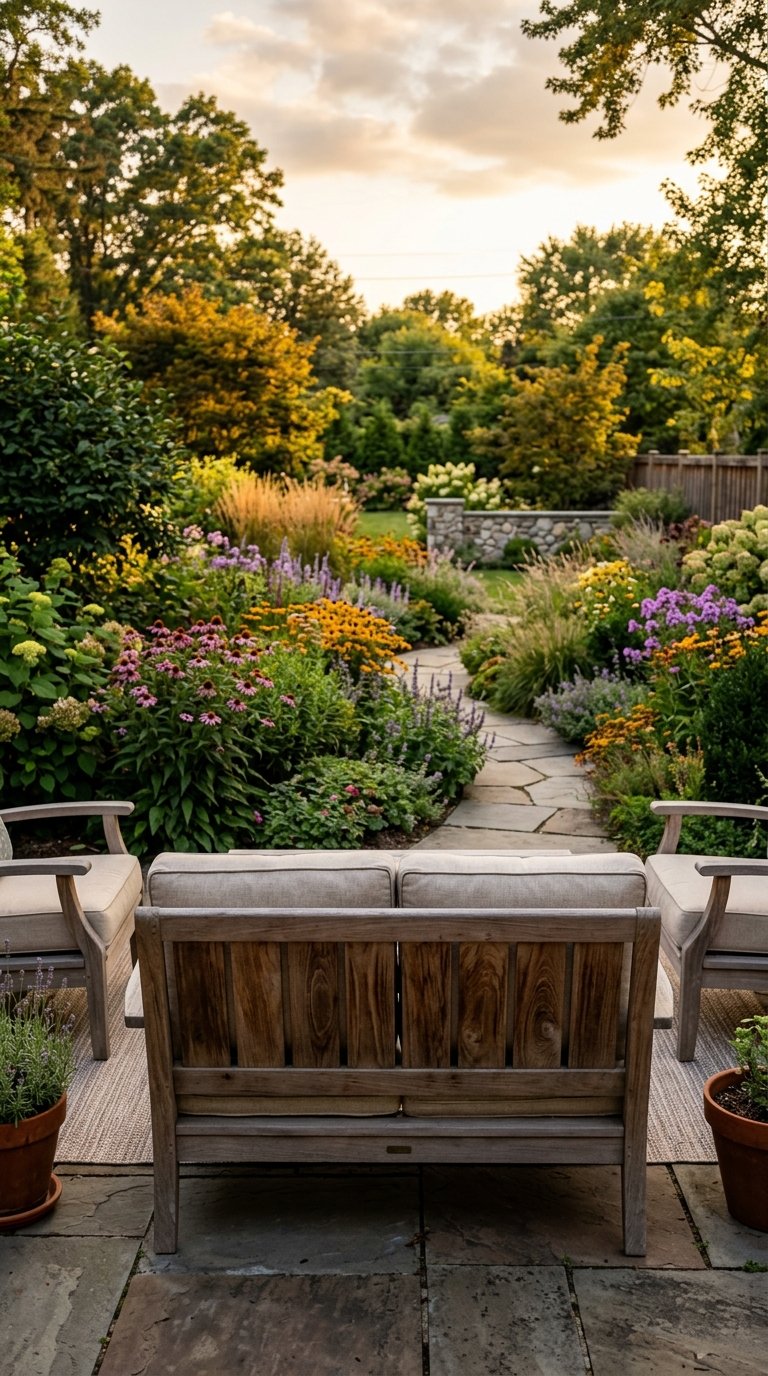
Most backyard sitting areas orient toward the house rather than the best view available in the yard, which means you sit facing a wall or door rather than the garden, trees, or skyline. Rotating the primary seating to face the most interesting visual element in your outdoor space, whether that’s a garden border, a water feature, or mature trees, makes the sitting area feel twice as valuable.
This costs nothing to implement and delivers an immediate improvement in how much you use the space. Position the main sofa or chair group facing outward toward the yard’s best view. Place a secondary chair group facing the fire pit or house for balance. The orientation change gives the sitting area a sense of purpose and direction that changes how you experience it every time you sit down.
19. Add a Hammock as a Secondary Lounging Option
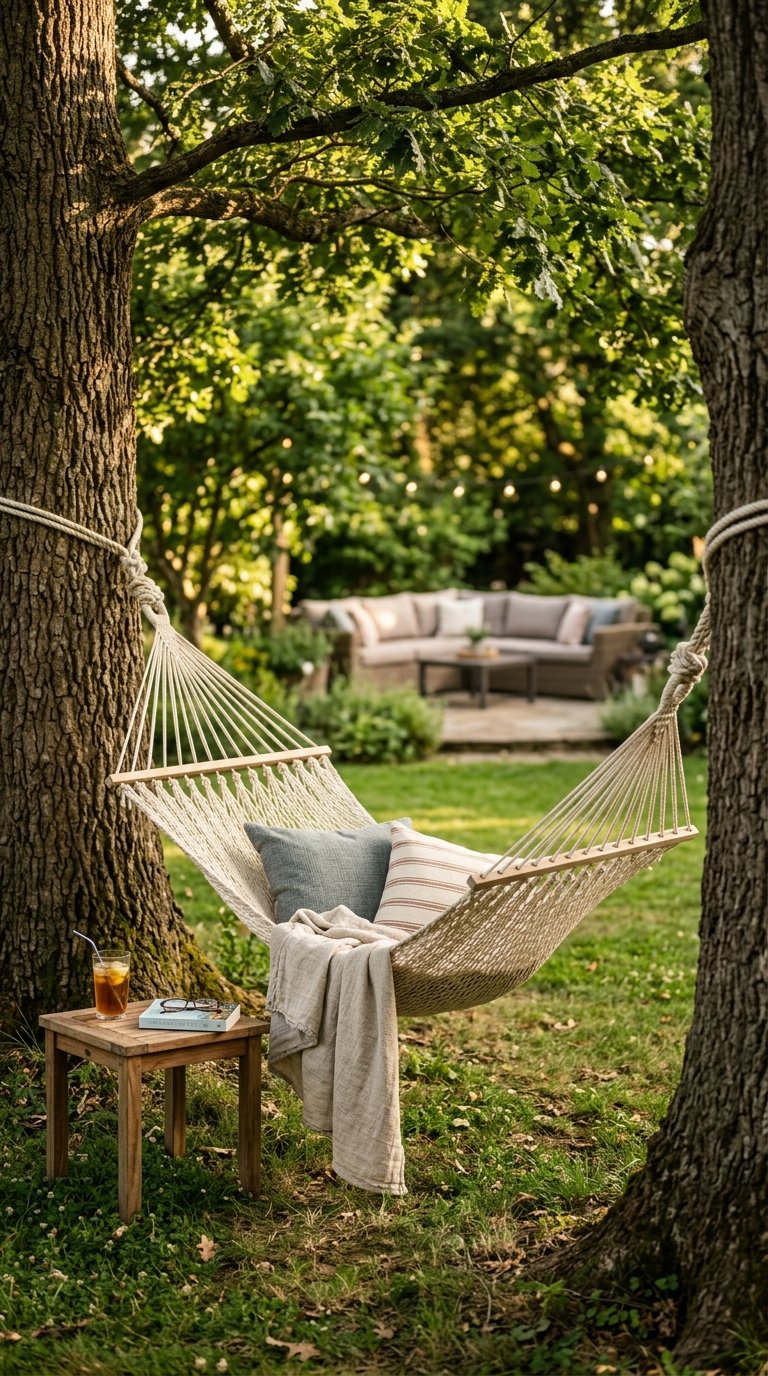
A hammock positioned 15 to 20 feet from the main sitting group creates a secondary destination within the backyard that functions as a quiet retreat separate from the social seating area. Two designated zones make the overall outdoor space feel significantly larger than a single sitting group suggests.
A cotton rope hammock strung between two trees or a freestanding stand costs $60 to $150 and installs in under an hour. Add a side table beside one anchor point for a drink and a book. The hammock works as overflow seating during parties and a solo retreat on quiet evenings. FYI, a hammock is the highest enjoyment-to-cost ratio of any outdoor sitting element available.
20. Frame the Sitting Area With Low Landscape Lighting
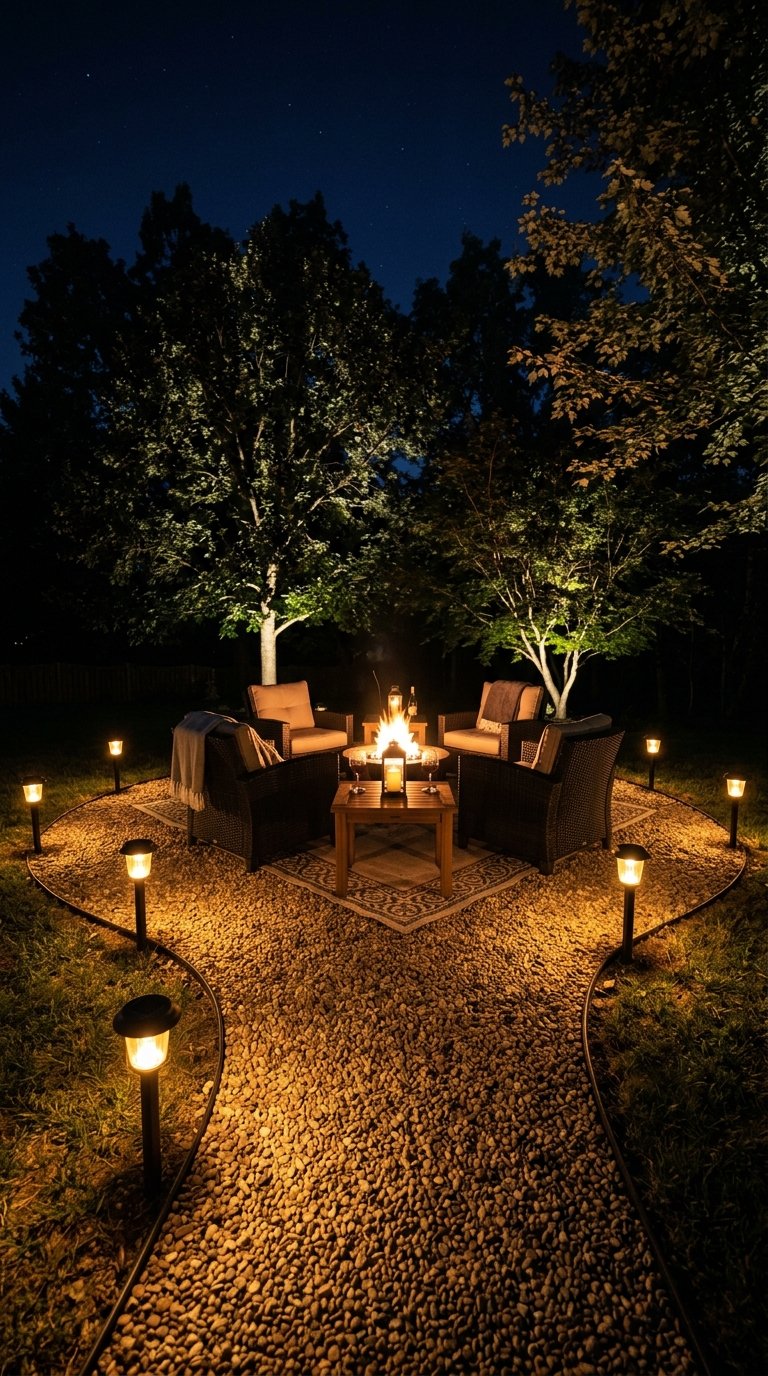
Perimeter landscape lighting at the sitting area edge creates a visual boundary that defines the space at night and makes the sitting area feel like a lit stage within the larger dark backyard. The contrast between the lit sitting area and the surrounding dark garden makes the seating zone feel more enclosed and intimate than its actual dimensions suggest.
Solar stake lights along the gravel or paver perimeter cost $5 to $15 each. Six to eight lights around the perimeter edge of a standard sitting area cost $30 to $80 total. Low-voltage landscape spotlights aimed upward at nearby trees create dramatic backlighting that frames the sitting area with illuminated foliage. The combined effect costs under $150 and transforms the nighttime quality of the space completely.
21. Include a Side Table for Every Seat
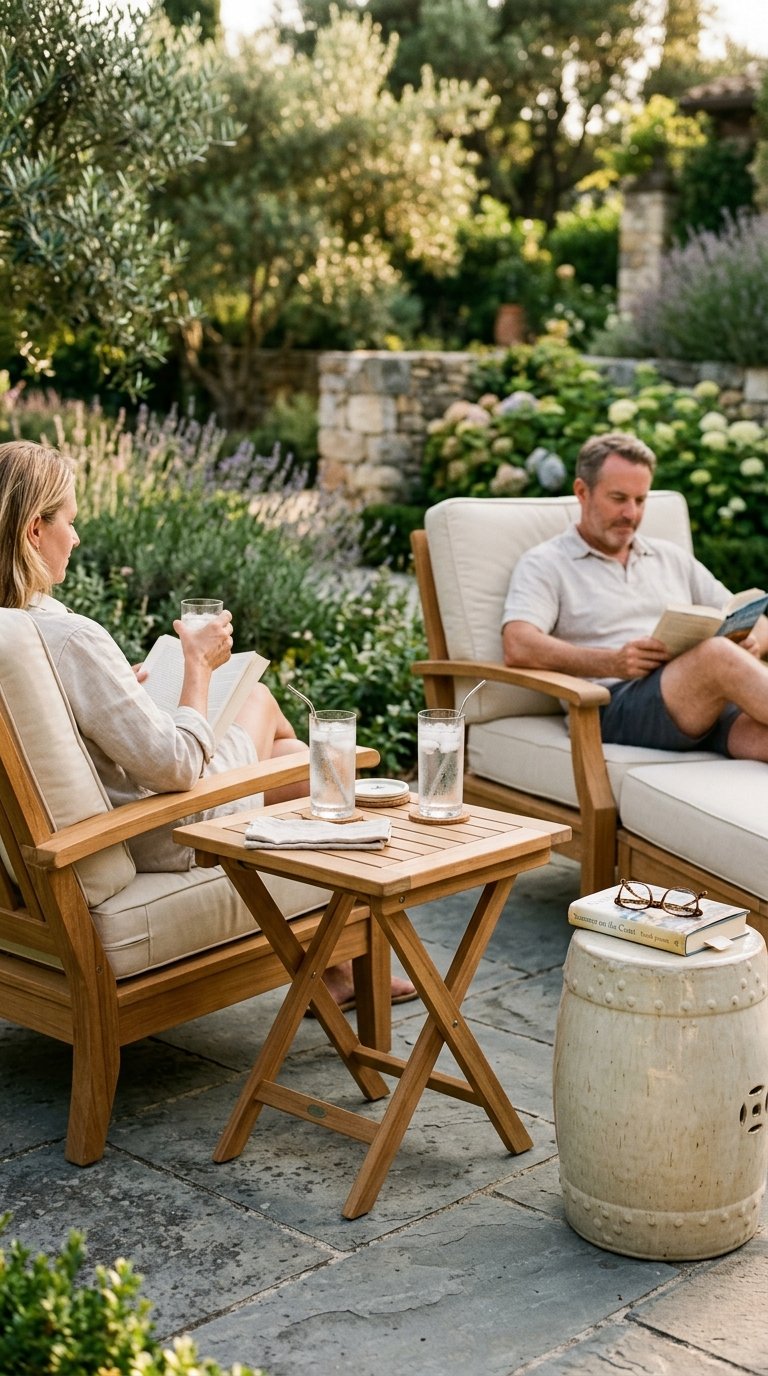
Every chair in your sitting area needs a surface within arm’s reach. A sitting area where guests hold their drinks for the entire visit, balance plates on their knees, or set things on the ground creates subtle discomfort that shortens how long people stay without anyone consciously identifying the reason. One side table per two seats is the minimum for genuine comfort.
Folding teak side tables cost $40 to $80 and store flat when not needed. Ceramic garden stools at $30 to $60 each double as extra seating when the sitting area fills. Clip-on railing tables at $20 to $40 work brilliantly for balcony-adjacent sitting areas where floor space is tight. Solve the surface problem and the sitting area immediately functions better for everyone who uses it.
22. Plant an Overhead Canopy Tree for Natural Shade
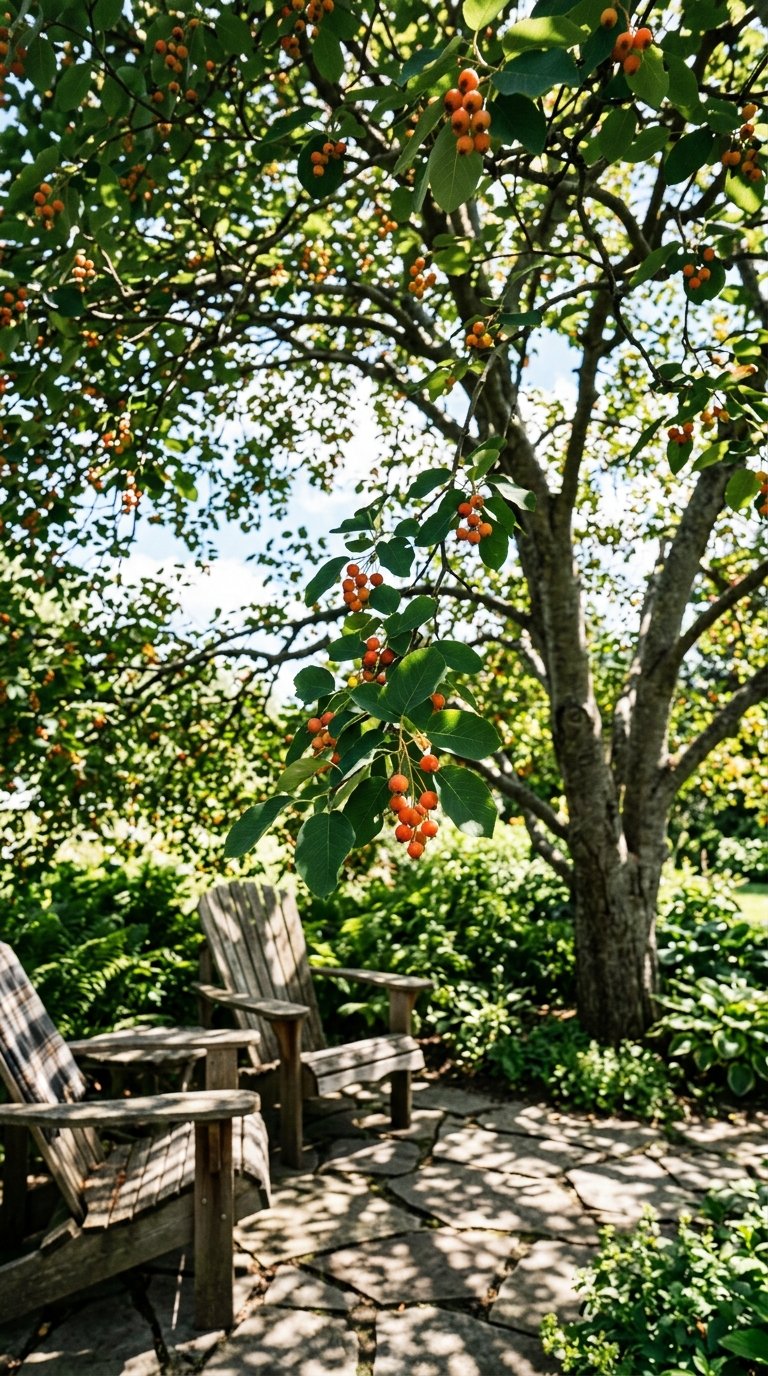
A single deciduous tree planted 10 to 15 feet from the sitting area provides natural overhead shade within three to five growing seasons and delivers cooling benefits that no manufactured shade structure replicates. The USDA estimates a well-placed shade tree reduces cooling costs for the adjacent home by 15 to 35 percent while creating the most comfortable outdoor microclimate available.
Amelanchier, Japanese maple, and honey locust all provide excellent canopy coverage in a compact form that suits most backyard sitting areas. A 6 to 8-foot bare-root amelanchier costs $25 to $60 at most garden centers. Plant it now and in three years it provides meaningful shade. In five years it frames the sitting area with a full overhead canopy that costs nothing to operate and improves every season.
23. Finish With a Scented Plant Within Two Feet of the Seating
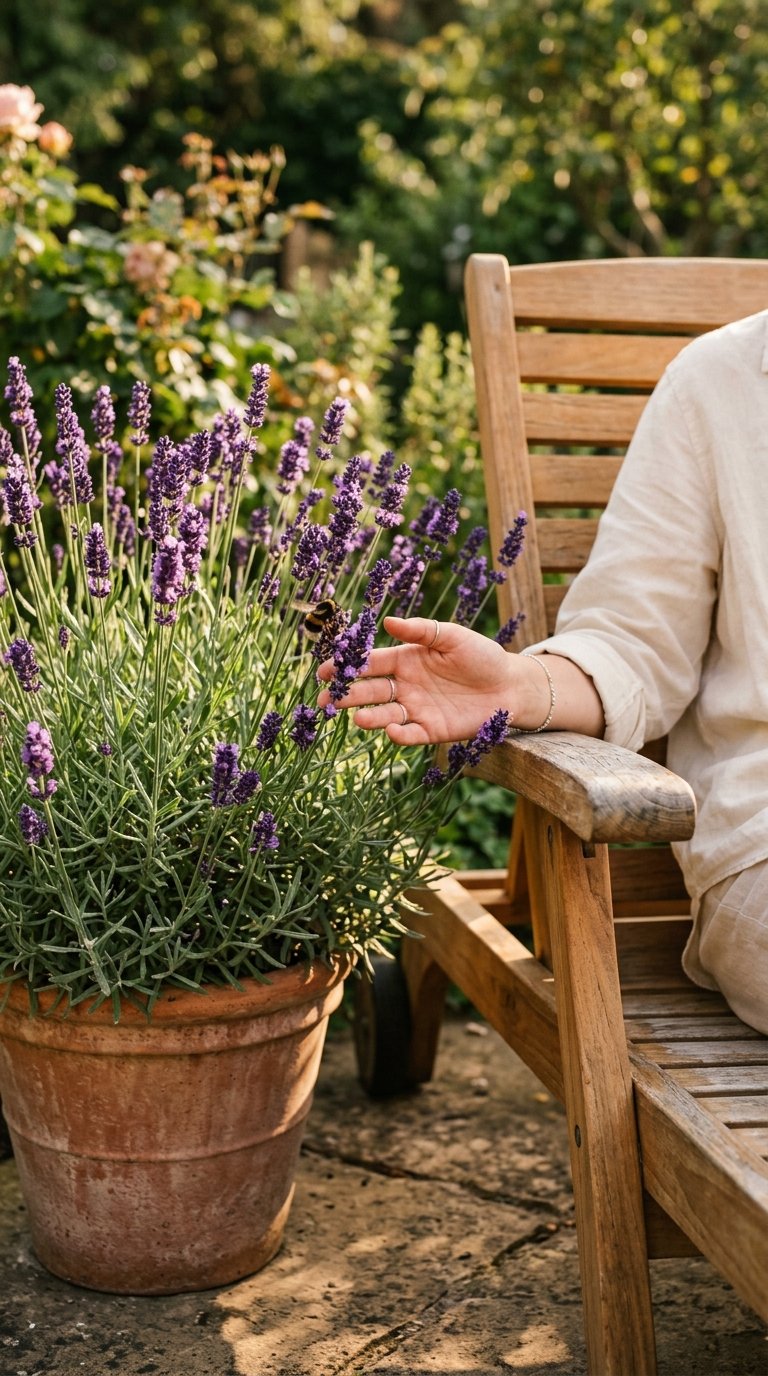
Fragrance within arm’s reach of the sitting area creates a multi-sensory experience that photographs of the space will never convey but every person who sits there notices immediately. Research from the Smell and Taste Treatment and Research Foundation found that floral and herbal fragrance in ambient environments reduces perceived anxiety by up to 63 percent.
Position a large lavender plant, a container of rosemary, or a climbing jasmine on a trellis within 2 feet of the primary seating. Scent dissipates quickly in open air so proximity is critical. A 5-gallon lavender plant costs $15 to $25 and flowers from June through August. Combined with the visual softness of the foliage and the pollinator activity it attracts, a single fragrant plant beside the sitting area makes the entire space feel more alive and more worth spending time in.
Final Thoughts
Your backyard sitting area works when it solves the specific problems keeping you from using it. No overhead structure means no comfort in sun or light rain. No defined boundary means the space feels unfinished. No lighting means it closes at sunset. No fragrance, no movement, no warmth means it functions but never draws you out there on a quiet Tuesday evening.
Pick the three ideas from this list that address your sitting area’s actual limitations and execute those completely before adding anything else. A fire pit, a pergola, and string lights solve more backyard sitting problems than any collection of decorative objects, and they cost less than a single piece of premium outdoor furniture. Build the right foundation and the cozy sitting area you’ve been planning takes care of itself.