23 Fruit Centerpiece Ideas That Make Every Table Look Intentional
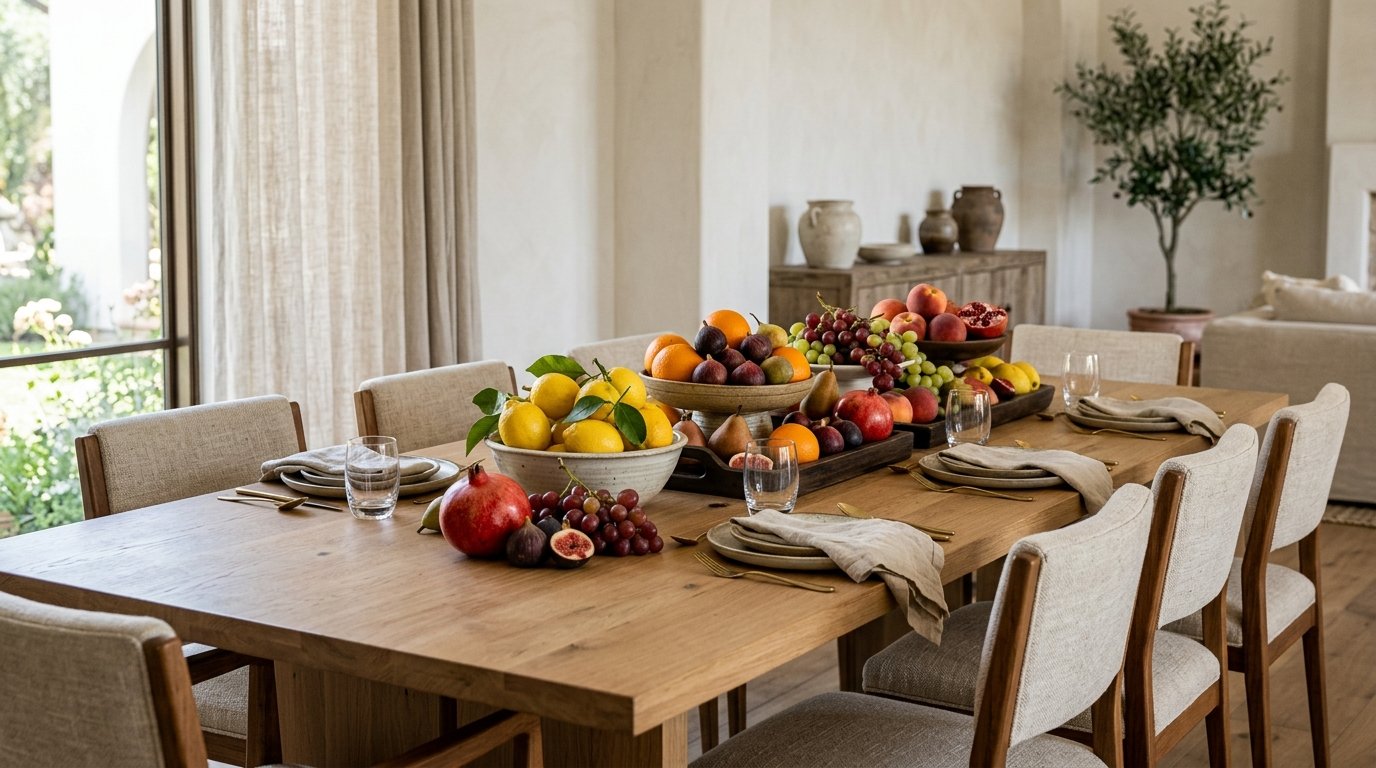
The most overlooked decorating resource in your home sits in your kitchen right now. A bowl of mixed fruit on a dining table costs $8 at any grocery store and delivers color, texture, organic form, and natural fragrance in a single arrangement that no candle, vase, or decorative object replicates at the same price point. The problem is not access to fruit. The problem is knowing which fruit works in which container, which pairings read as designed rather than accidental, and which arrangements suit which table settings. These 23 fruit centerpiece ideas give you exact containers, specific fruit combinations, real price ranges, and the precise reason each arrangement works better than a random pile of produce.
1. Mixed Citrus in a Wide Ceramic Bowl
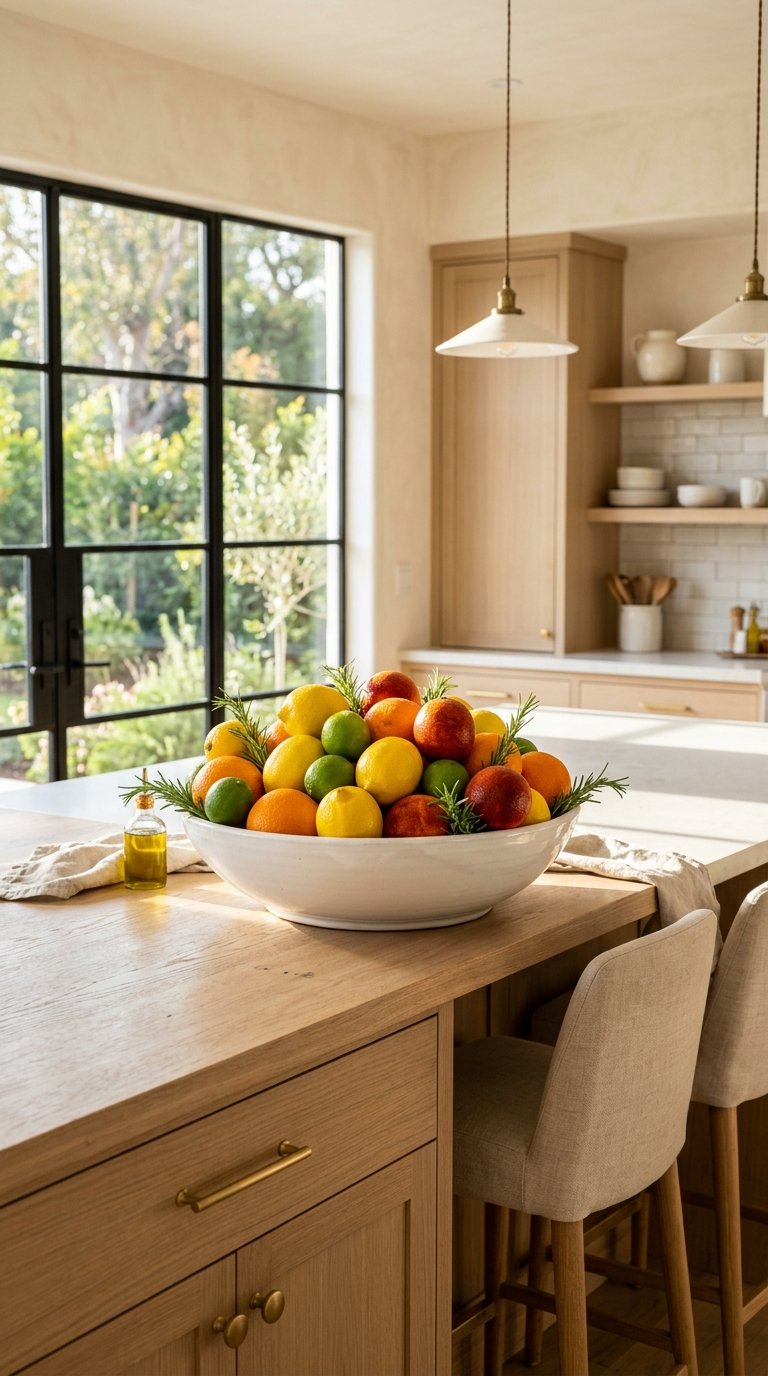
A wide, shallow ceramic bowl filled with a mixed citrus arrangement of lemons, limes, oranges, and blood oranges creates the most color-rich fruit centerpiece available at any price point. The four citrus varieties deliver four distinct shades of yellow, green, orange, and deep red-orange in a single bowl that reads as deliberately composed rather than randomly assembled.
Target’s Threshold wide ceramic serving bowl in white at $14.99 in the 12-inch diameter size holds sixteen to twenty mixed citrus pieces in a generous, slightly overflowing pile. Arrange by alternating colors so no two same-fruit pieces sit directly adjacent to each other, which distributes the color variation evenly across the bowl surface when viewed from above. Add four to five fresh rosemary sprigs tucked between the fruit at the bowl perimeter for a green contrast that separates the citrus colors and adds aromatic fragrance to the arrangement.
This centerpiece costs $18 to $24 total including the bowl and a mixed citrus bag from Trader Joe’s and lasts ten to fourteen days before the fruit softens. It suits kitchen islands, dining tables, and outdoor entertaining tables in every interior style from farmhouse to contemporary.
2. Pomegranates and Persimmons in a Wooden Dough Bowl
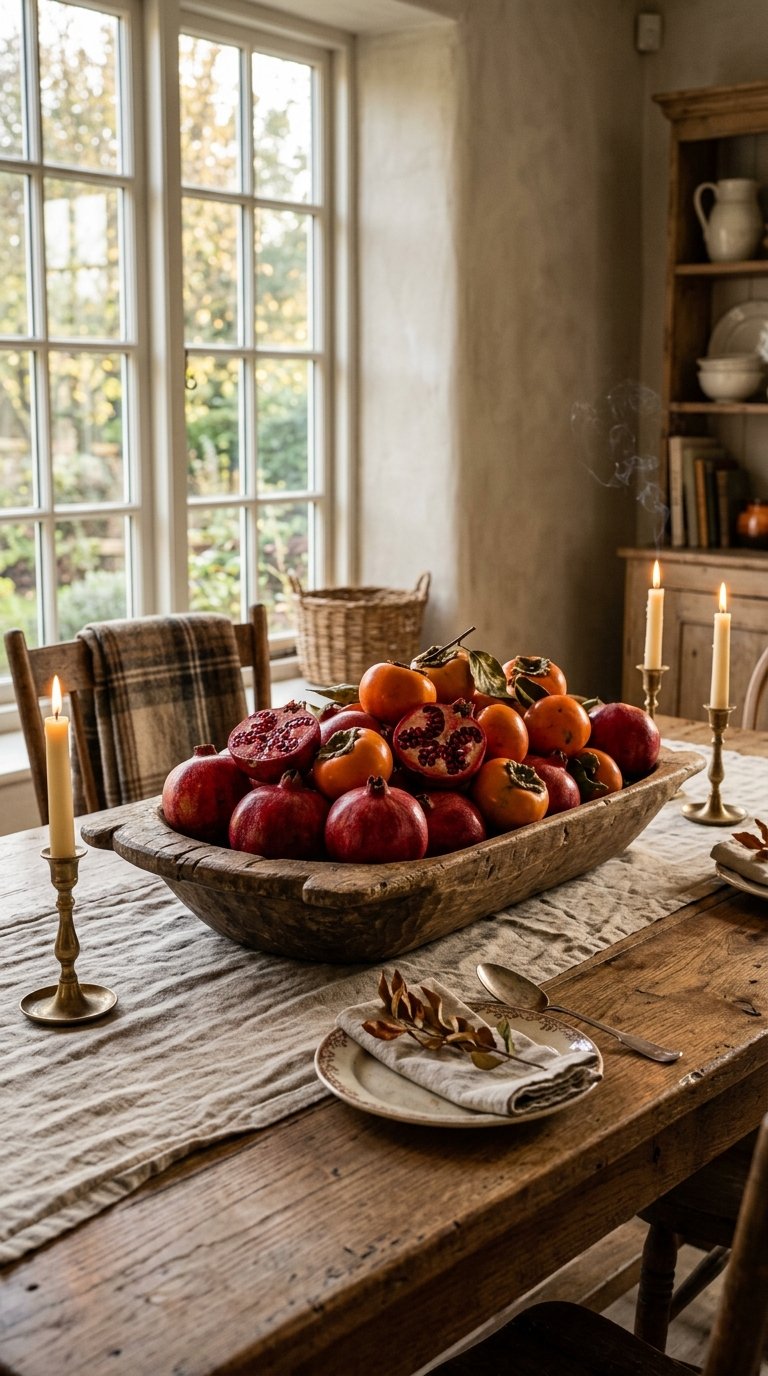
A rustic wooden dough bowl filled with whole pomegranates and persimmons creates the richest, most seasonally specific autumn fruit centerpiece available for a farmhouse or organic modern dining table. The deep ruby red pomegranate skin and the warm orange persimmon surface sit in a warm color family that reads as autumn-specific and visually abundant without requiring flowers, candles, or any additional decorative element.
Amazon and Etsy stock hand-carved mango wood dough bowls from $35 to $85 in 14 to 18-inch lengths. Whole pomegranates from Trader Joe’s cost $1.99 to $2.99 each in peak autumn season, September through December. Fuyu persimmons cost $1.49 to $1.99 each at most grocery stores during the same period. Fill the dough bowl with six to eight pomegranates and four to six persimmons in an alternating arrangement, letting the fruit pile rise above the bowl rim for a generous, abundant display that reads as harvest-ready from across the room.
This centerpiece costs $40 to $65 total including the bowl and fruit and transitions naturally from September through December without requiring any seasonal swap beyond replenishing the fruit every two to three weeks.
3. Grapes Cascading from a Tall Compote Vase
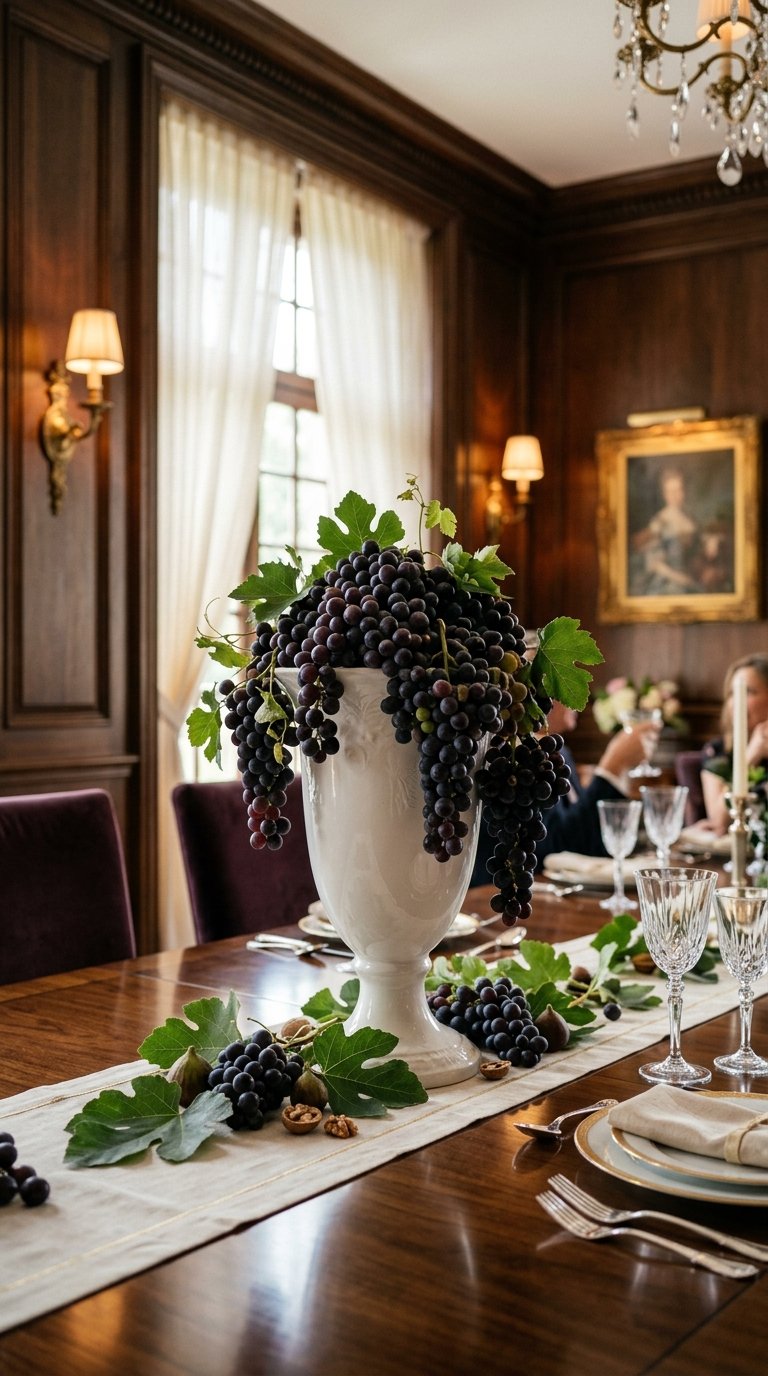
A tall ceramic or glass compote vase with two to three large grape clusters draped over its rim and cascading down the pedestal creates the most dramatic and classically referenced fruit centerpiece on this list. The cascading grape cluster format appears in still-life paintings from the Dutch Golden Age through Italian Renaissance decoration and reads as both historically grounded and genuinely elegant on any formal dining table.
HomeGoods and TJ Maxx stock ceramic compote vases at $14.99 to $29.99 in 10 to 12-inch pedestal heights. Use deep purple Concord grapes or large red globe grapes from any grocery store at $3.99 to $5.99 per pound for the deepest color saturation. Place two to three full grape clusters in the compote bowl and let the longest cluster drape over one side of the rim, cascading 6 to 8 inches down the pedestal exterior. Add a few fresh fig leaves or large grape leaves at the compote base for a classical still-life composition that costs under $30 in total materials.
Grapes in a compote vase last four to seven days at room temperature before the lowest hanging berries begin to soften. Refrigerate the arrangement between meals to extend the display life through a full week of dinner service.
4. Pineapple as a Statement Centerpiece
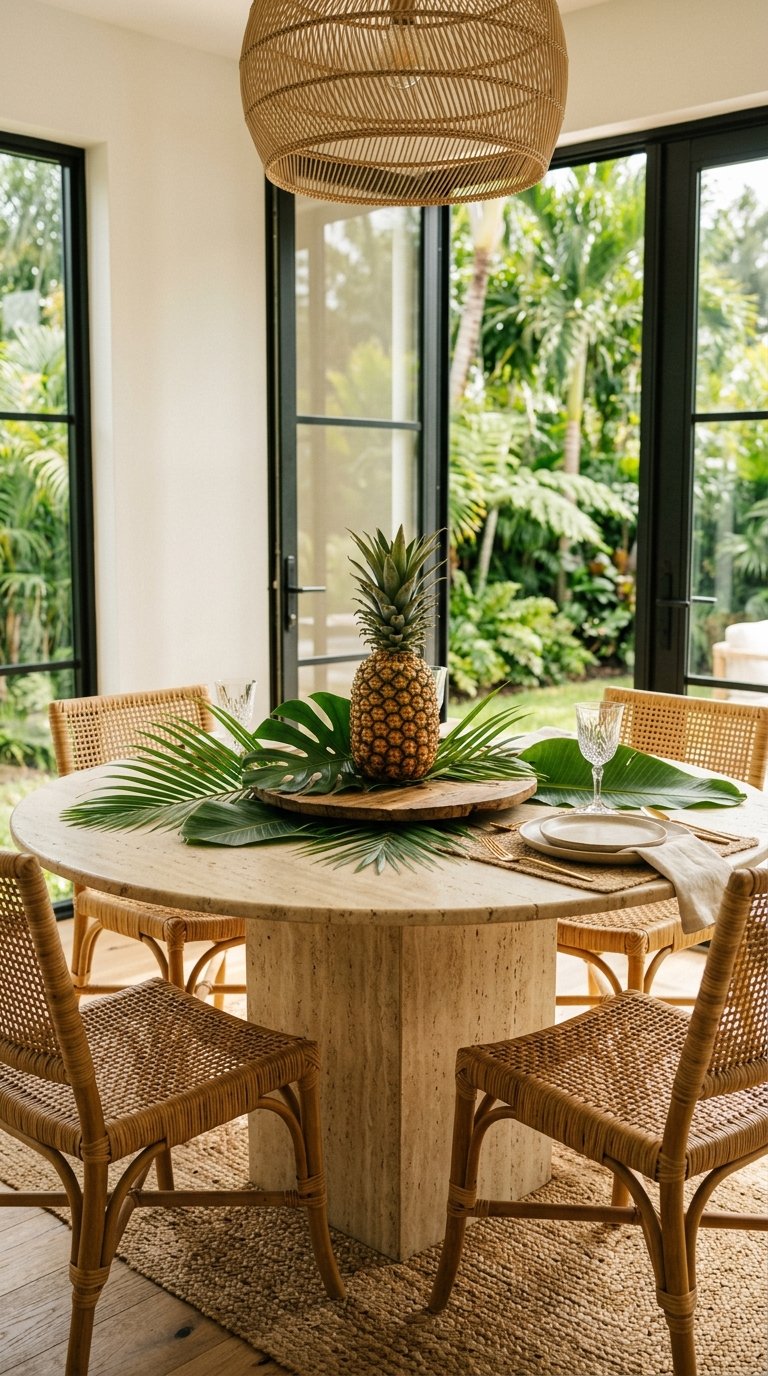
A single large pineapple placed on a wooden board, a ceramic plate, or a rattan charger creates an architectural, tropical fruit centerpiece that reads as bold and confident without any additional elements. The pineapple’s spiky crown adds vertical height, the textured skin surface adds visual complexity, and the warm yellow body color adds brightness to any table surface. A pineapple is the most structurally interesting single fruit available at any grocery store. FYI, it is also historically one of the most recognized symbols of hospitality in European and American decorative traditions, which makes it a particularly appropriate centerpiece for a dining table used for entertaining.
A large pineapple from Trader Joe’s costs $2.99 to $3.99. Place it on a 12-inch round wooden charger from Target at $8.99 and surround the base with a ring of fresh lime leaves, galangal leaves, or any large tropical leaf from a florist for a complete, framed tropical centerpiece at under $15. For a more elaborate tropical fruit centerpiece, cluster two additional smaller pineapples or a grouping of lychee clusters and passion fruits around the central pineapple on an oversized wooden board.
5. Figs and Honey in a Stone Mortar
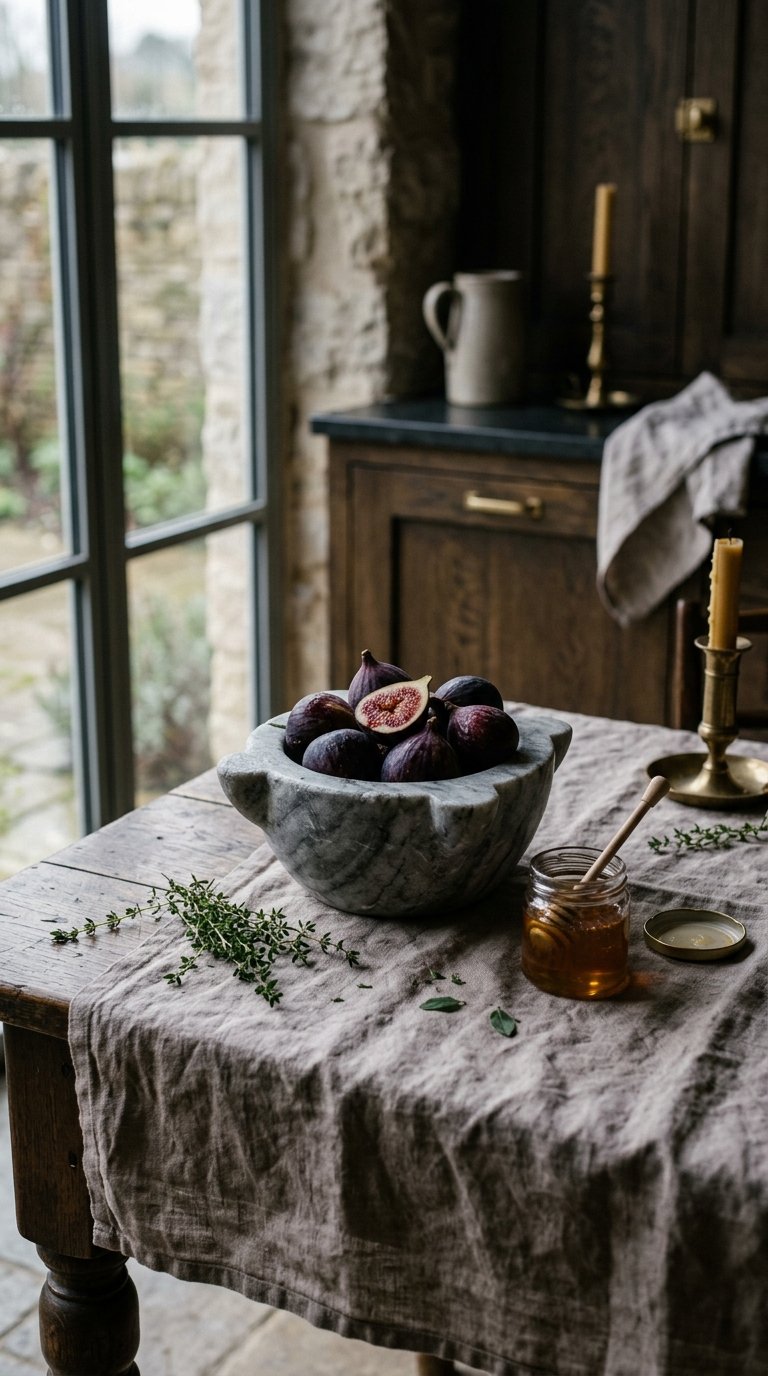
Whole fresh figs arranged in a large stone or marble mortar with a small honey jar nestled among them create a Mediterranean market centerpiece that reads as both decorative and food-styled. The deep purple-brown fig skin and the grey stone mortar surface create a moody, sophisticated color pairing that suits linen tablecloths, aged wood dining furniture, and quiet luxury interiors where a brighter, more colorful arrangement would feel out of place.
Marble and granite mortars from Amazon cost $24.99 to $49.99 in 6 to 8-inch interior diameters. Fresh figs from Trader Joe’s or Whole Foods cost $3.99 to $5.99 per pack of six in late July through September. Arrange eight to ten figs in the mortar bowl with the stems facing upward for the most visually interesting display angle and place a small glass honey jar from Williams Sonoma at $8.99 beside the mortar on the table surface. Add three fresh thyme sprigs laid across the fig surface for an herbal accent that completes the Mediterranean composition.
This centerpiece costs $35 to $60 in total and works best for late summer and early autumn dinner table settings where the fig season overlaps with warm-weather entertaining.
6. Strawberries in a Glass Trifle Bowl
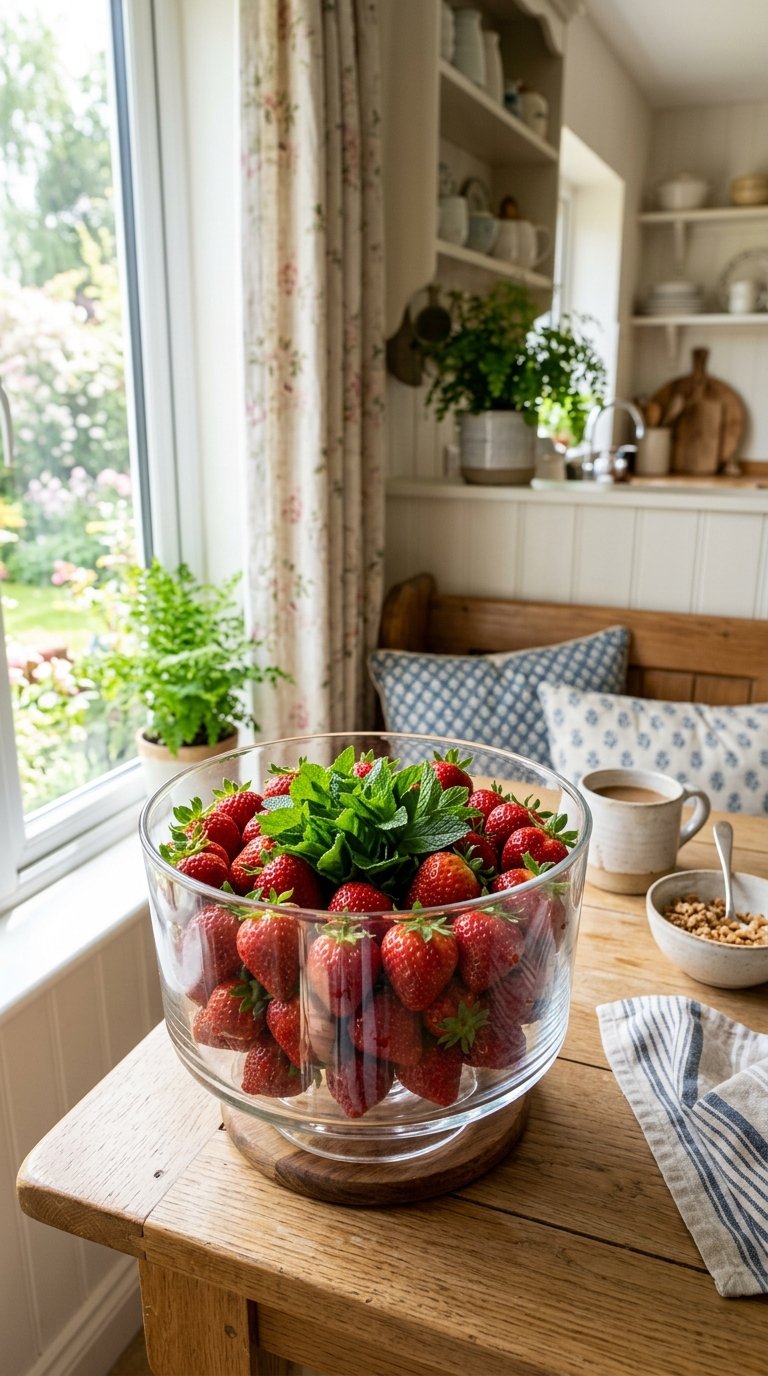
A large clear glass trifle bowl filled with whole fresh strawberries with their stems attached creates a bright, cheerful spring and early summer fruit centerpiece that reads as abundant and appetizing from every seat at the table. The trifle bowl’s tall, straight-sided glass format lets the red strawberry color saturate the full visible interior surface and creates a clean, graphic cylinder of red that reads as designed rather than a random fruit dish.
IKEA’s BLANDA BLANK serving bowl in clear glass at $7.99 in the 12-inch diameter size holds forty to fifty whole strawberries in a tightly packed, stem-up arrangement. Rinse and fully dry the strawberries before placing them to prevent moisture from clouding the glass interior. Add a small cluster of fresh mint sprigs at the center of the arrangement for a green accent that contrasts with the red strawberry mass. This centerpiece costs under $15 total using a $6 strawberry flat from any grocery store and lasts two to three days at room temperature before the berries soften.
For an event or dinner party version, fill the lower half of the trifle bowl with halved strawberries cut-side out against the glass wall to expose the interior white flesh and red seed pattern, then fill the upper half with whole strawberries stem-up for a two-texture display that reads as more intentionally styled.
7. Mixed Tropical Fruit on a Large Wooden Board
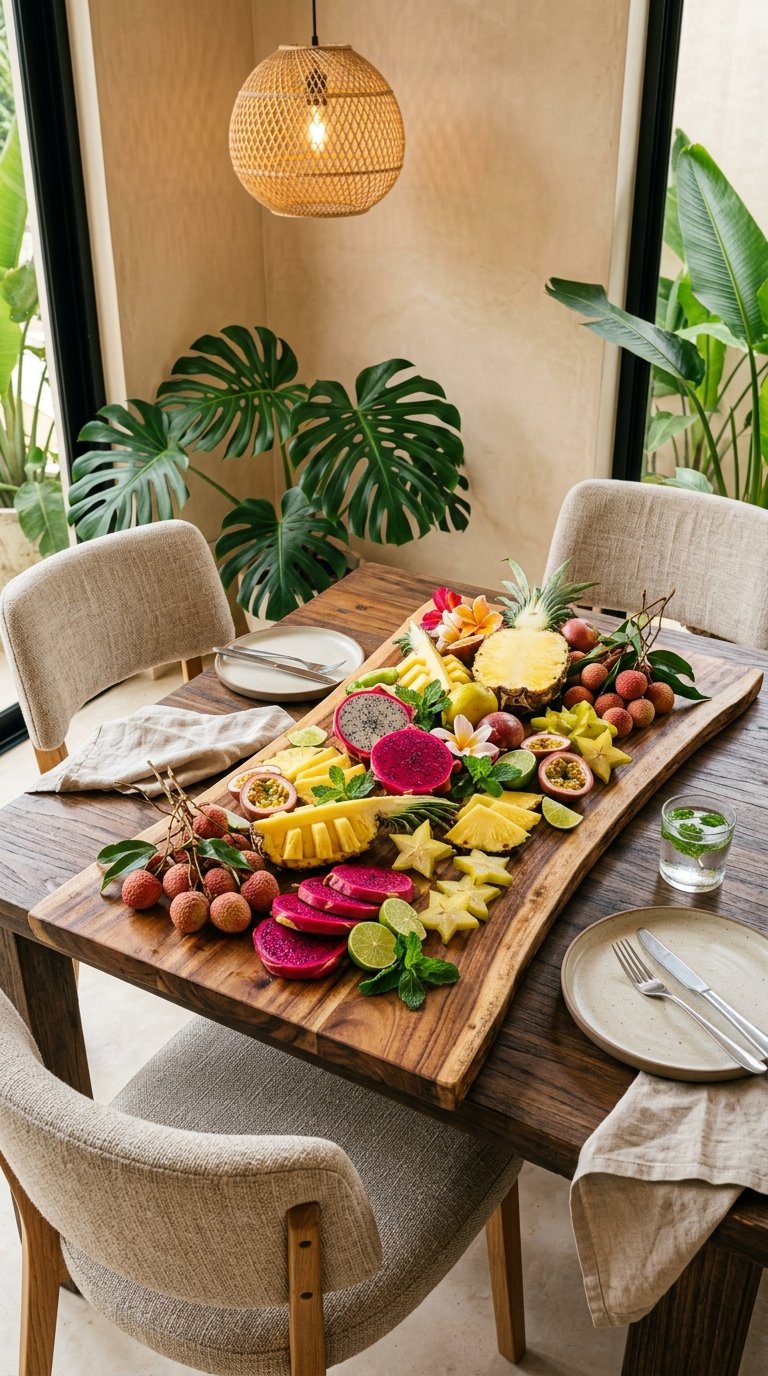
A large wooden cutting board or serving board styled with sliced and whole tropical fruits including pineapple wedges, halved passion fruits, dragon fruit slices, whole lychees, and star fruit cross-sections creates a grazing-style fruit centerpiece that serves as both table decoration and guest-ready food display simultaneously. The varied cut formats of the fruits expose different interior colors, textures, and patterns that make the board read as visually complex and abundant.
A large 18 to 22-inch acacia wood serving board from Williams Sonoma at $49.99 or from Amazon at $29.99 to $39.99 provides enough surface area for a generous tropical fruit display for eight guests. Arrange the largest cut fruit pieces first, starting with pineapple wedges and dragon fruit slices, then fill the gaps with smaller whole and halved fruits. Place a small bowl of toothpicks at one end of the board for self-serve fruit grazing. Total tropical fruit board cost runs $35 to $55 in fruit and board combined for a centerpiece that doubles as an appetizer course.
8. Apples and Eucalyptus in a Harvest Basket
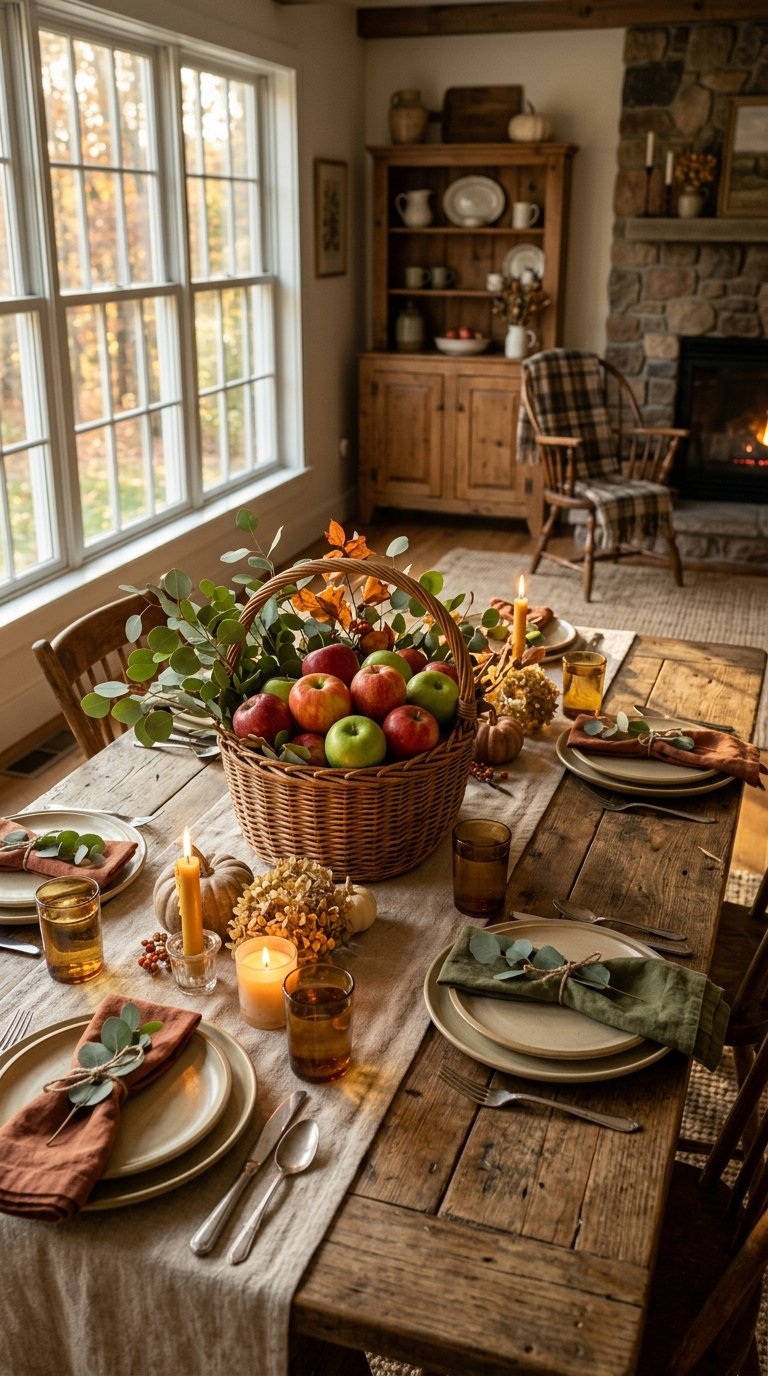
A round woven harvest basket filled with red and green apples and fresh eucalyptus stems creates the most accessible and widely suited autumn fruit centerpiece on this list. The apple and eucalyptus combination works in farmhouse, rustic, contemporary, and transitional dining rooms and costs under $25 in total materials from any combination of grocery store and craft store purchases.
World Market’s hand-woven seagrass round baskets cost $9.99 to $19.99 in 12 and 14-inch diameters. Use a mix of red Honeycrisp apples and green Granny Smith apples from any grocery store at $1.99 to $2.99 per pound for the strongest red-green color contrast. Fill the basket with ten to twelve apples and insert four to six fresh eucalyptus stems between them at the basket perimeter, letting the eucalyptus leaves extend 4 to 6 inches above the apple surface for height variation and fragrance. The eucalyptus fragrance combines with the faint natural apple scent to create an autumn aromatic centerpiece that suits the season as completely as any candle.
9. Oranges and Cloves as a Spiced Pomander Centerpiece
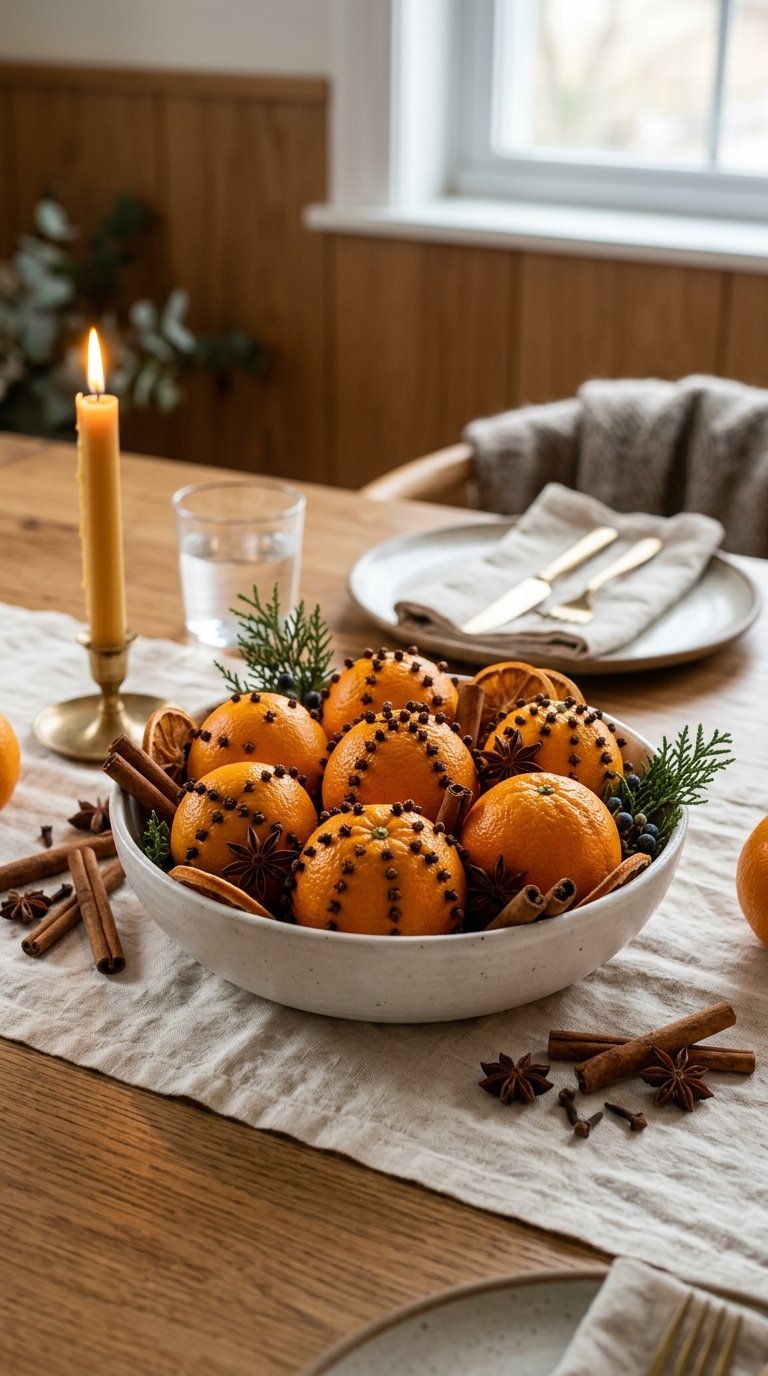
Whole oranges studded with cloves arranged in a bowl or on a tray create a traditional, fragrant fruit centerpiece that perfumes the room with warm spiced citrus scent throughout the autumn and winter season. The clove-studded surface of a pomander orange reads as handcrafted and time-referenced in a way no purchased decorative object delivers and the fragrance lasts four to six weeks as the orange slowly dries.
Push whole cloves from the spice aisle at $3.99 per jar into the orange skin in straight lines, diagonal grids, or free-form patterns using a toothpick to pre-puncture the skin and reduce hand fatigue. A standard navel orange holds 150 to 200 cloves in a full coverage pattern. Arrange four to six completed pomander oranges in a white ceramic bowl or on a wooden tray from Target at $19.99 with a few cinnamon sticks and star anise pods scattered between them for a complete warm-spice winter centerpiece. Total cost for a six-pomander arrangement runs $20 to $28 in materials.
The orange pomanders harden and shrink slightly as they dry over the first two weeks, transitioning from a fresh fruit centerpiece to a long-lasting dried spiced ornament that lasts through the full autumn and winter season without replacement.
10. Pears and Candles on a Mirror Tray
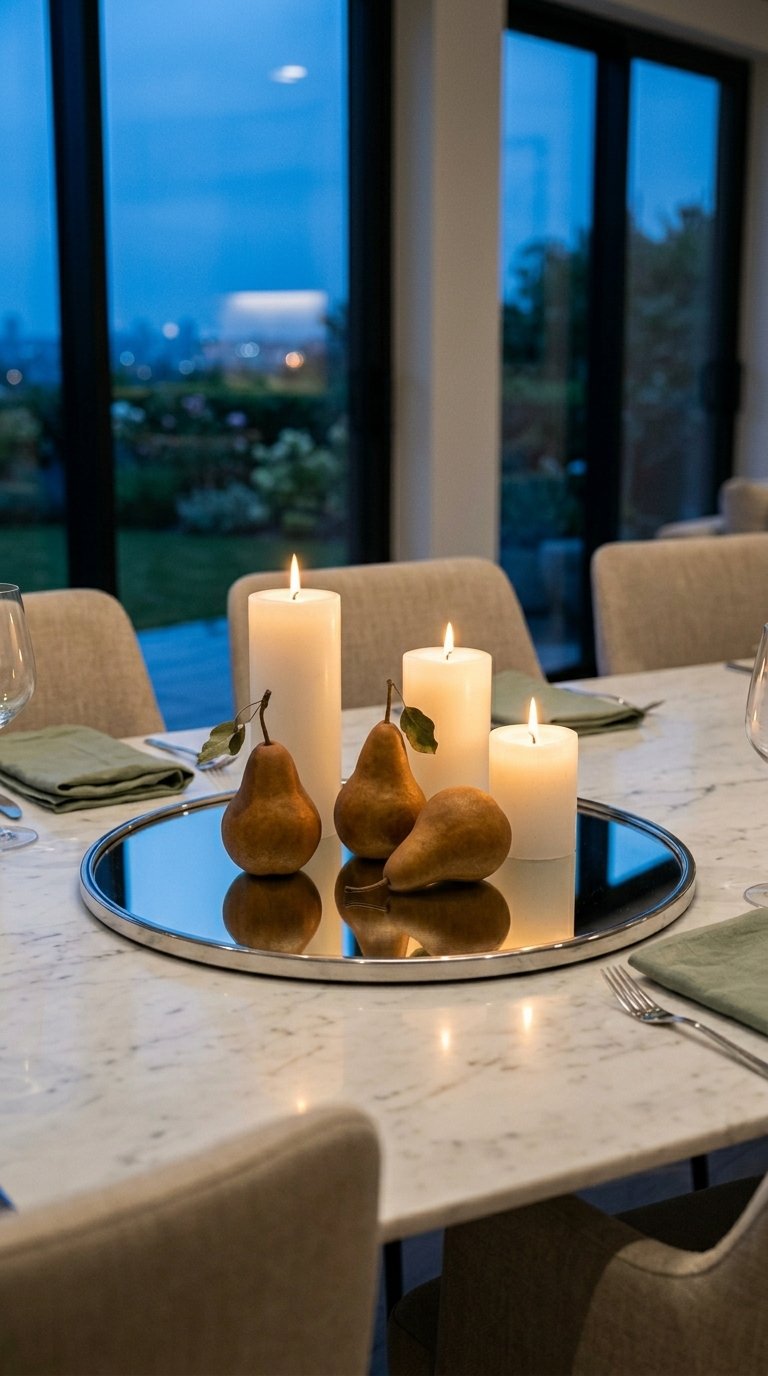
Green Bosc or golden Anjou pears arranged with white pillar candles on a round mirror tray create a contemporary, elegant fruit centerpiece that suits minimalist and modern dining tables where a rustic basket or terracotta arrangement would feel out of place. The mirror tray surface reflects the candle flames and the pear forms, doubling the visual presence of both elements and adding a light-refracting quality to the table surface that no opaque tray delivers.
A 14-inch round mirror tray from Amazon at $18.99 to $24.99 suits a standard four-person dining table centerpiece zone. Arrange three white pillar candles in graduated heights from Home Depot at $2.99 to $5.99 each in a triangle formation on the mirror surface and place five to seven Bosc pears around and between the candles with stems facing upward. The upright pear stem reads as a natural vertical element that echoes the candle height without competing with it. Total centerpiece cost runs $30 to $42 including the tray, candles, and pears.
The Bosc pear’s elongated, tapered form and rough bronze-brown skin creates the most architectural and visually interesting pear silhouette of any variety. Avoid round Bartlett pears in this arrangement as the shorter, rounder form reads as visually dense next to tall candles.
11. Watermelon as a Summer Party Centerpiece
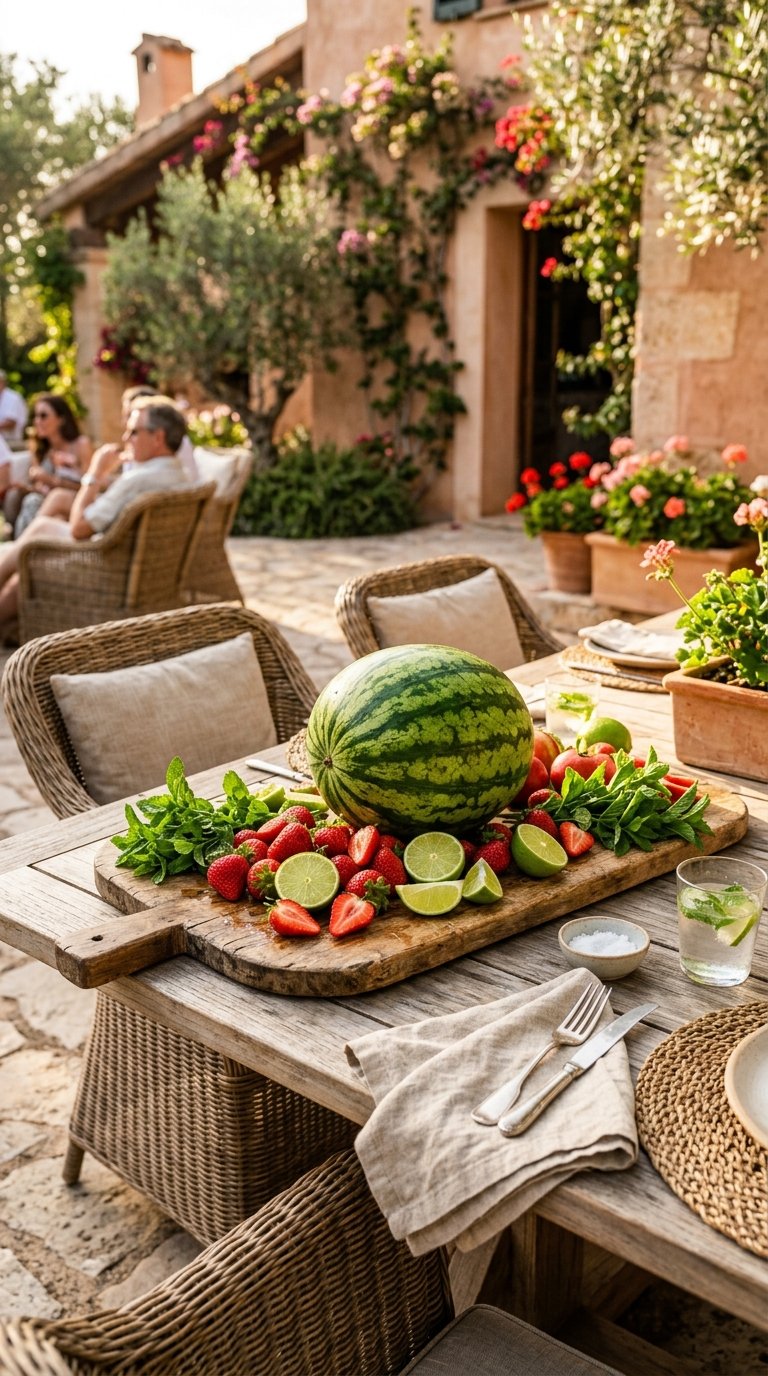
A whole uncut watermelon placed on a large wooden board surrounded by halved limes, whole strawberries, and fresh mint creates a summer party centerpiece that reads as festive and food-ready simultaneously. The oversized scale of a whole watermelon on a dining table signals outdoor entertaining generosity and works as a visual centerpiece statement before the fruit gets cut and served to guests. :/
A large seedless watermelon from any grocery store costs $5.99 to $8.99. Place it on an 18 to 22-inch wooden board from Amazon at $29.99 and surround the base perimeter with sixteen to twenty whole strawberries, eight halved lime faces pressed cut-side up, and a generous handful of fresh mint sprigs. The green watermelon exterior, red strawberries, green lime cut faces, and bright mint create a four-color summer palette in a single centerpiece that costs under $20 in total food materials.
For a more styled presentation, carve a shallow flat section on the watermelon base with a knife so the fruit sits stable and level on the board without rolling. This takes thirty seconds and eliminates the instability that makes whole round watermelons difficult to display on a flat surface.
12. Cherries in a Glass Cloche
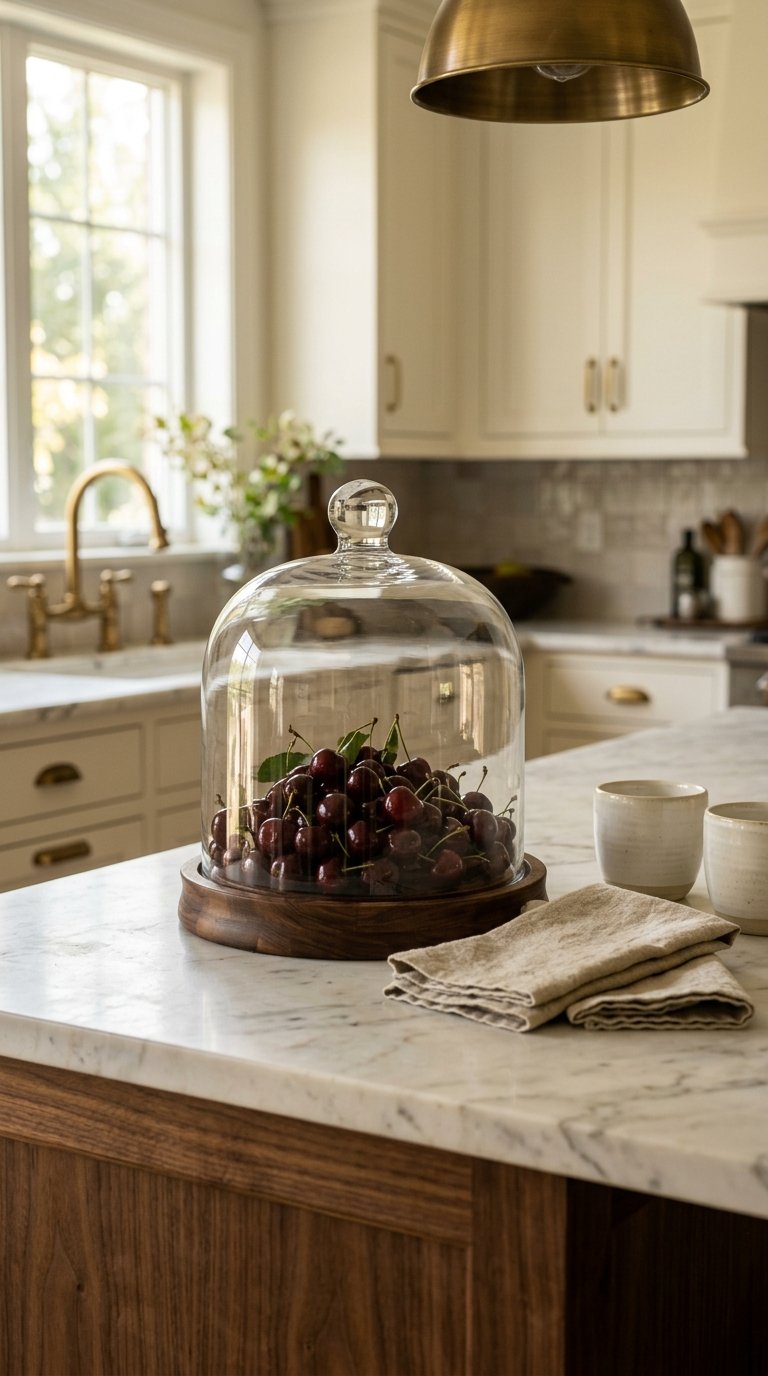
A generous pile of fresh cherries with stems attached displayed under a glass cloche on a wooden base creates the most refined and unexpected fruit centerpiece on this list. The cloche format transforms a simple pile of grocery store cherries into a jewel-box display that reads as considered, precious, and museum-quality without any additional decoration inside the glass dome.
IKEA’s FORTLAX glass cloche with wooden base costs $14.99 in a 6-inch diameter format. Fill the wooden base interior with a generous mound of fresh cherries pressed tightly together stem-up, covering the full base surface before placing the cloche over the arrangement. The transparent glass dome magnifies the cherry color slightly and creates a clean, contained display that reads as a designed object rather than a food item. Total centerpiece cost runs $22 to $28 including the cloche and a $6 to $8 cherry bag from any grocery store in peak summer season.
Cherry season runs from late May through mid-August depending on your region. Use this centerpiece format during peak season when cherry prices drop to their lowest point and the fruit is at its firmest and most visually appealing.
13. Artichokes and Lemons in a Stone Vessel
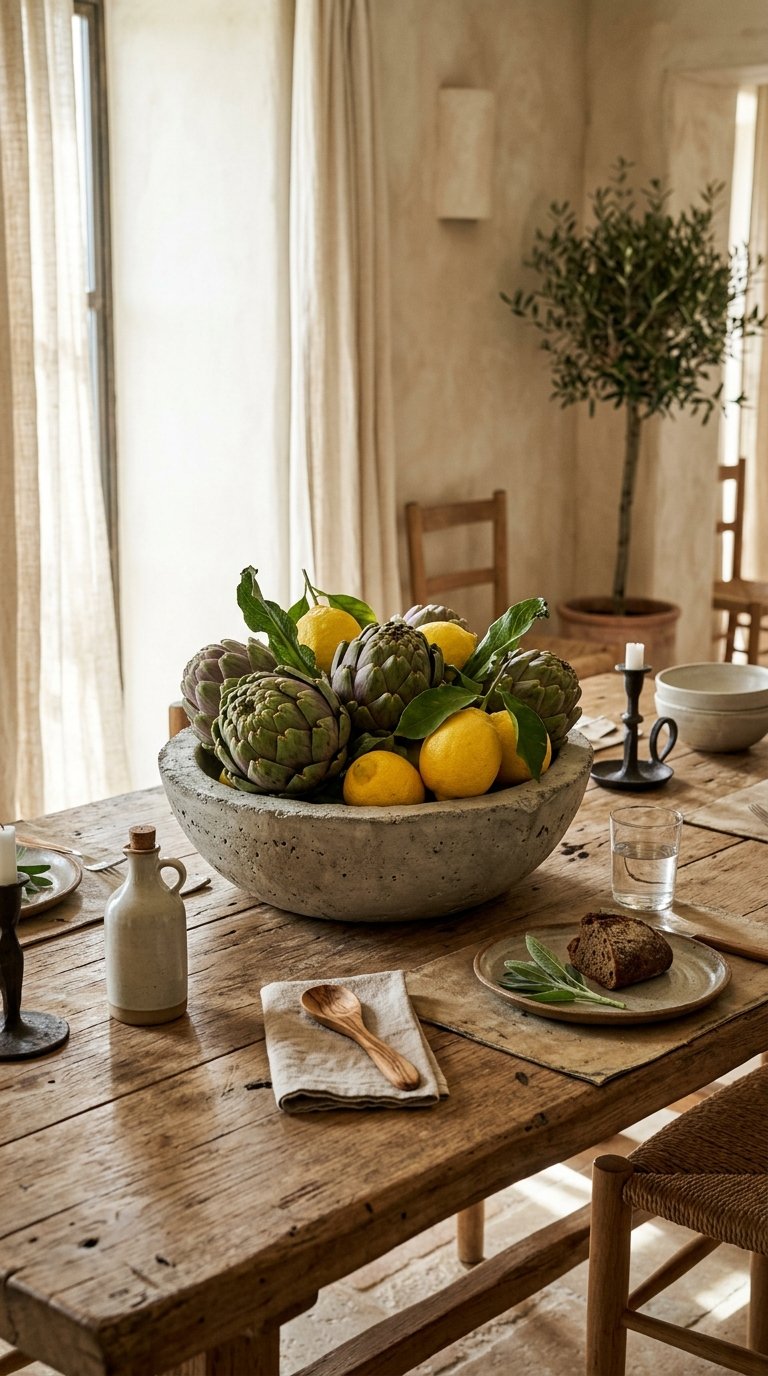
Globe artichokes combined with whole lemons in a large stone or concrete vessel create an Italian market-inspired fruit and vegetable centerpiece that blurs the line between produce display and decorative arrangement in the most visually interesting way of any idea on this list. The dramatic architectural form of the artichoke, with its layered scale structure and pointed leaf tips, reads as sculptural rather than culinary when displayed in a non-kitchen container.
CB2’s concrete bowl at $39 to $59 in 10 to 12-inch diameters or any large stone mortar from Amazon at $24.99 to $49.99 works as the vessel. Use four to five large globe artichokes from Whole Foods at $2.99 to $3.99 each and six to eight whole lemons to fill the vessel. Arrange the artichokes with their stem ends down and their flower ends facing upward at varying angles so the scale pattern faces outward from multiple directions. Fill the gaps between artichokes with lemons pressed snugly into the negative space. Total centerpiece cost runs $35 to $55 and suits Mediterranean, rustic, and organic modern dining rooms.
14. Berry Mix in a Tiered Fruit Stand
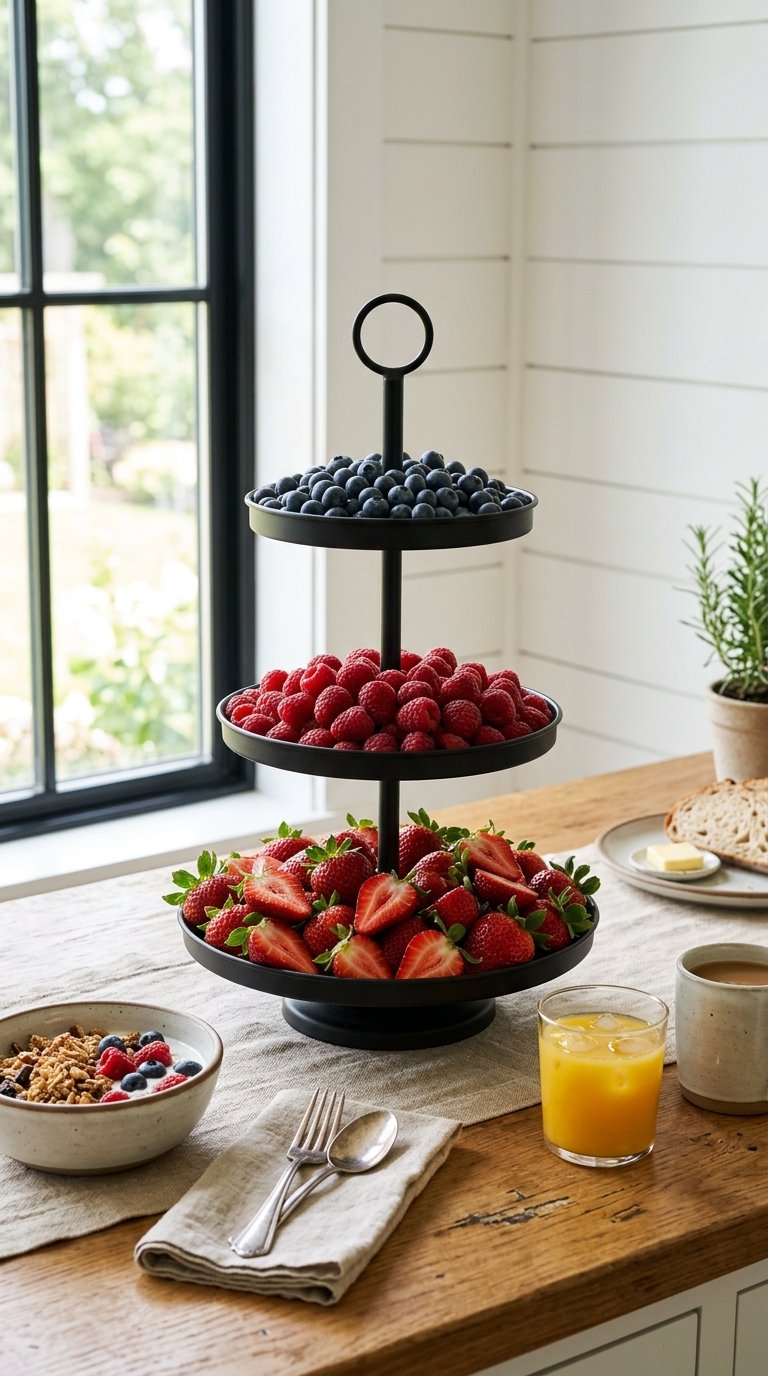
A three-tier fruit stand styled with a different berry variety on each tier creates a vertically structured fruit centerpiece that uses height to create visual interest on a dining table where a flat bowl arrangement would read as undersized for the table scale. The tiered format displays three distinct berry colors simultaneously and reads as more elaborate than its actual construction complexity.
Amazon’s three-tier wire fruit stand in matte black or gold finish costs $29.99 to $44.99 in formats with 6, 8, and 10-inch tier diameters. Fill the smallest top tier with blueberries, the middle tier with raspberries, and the largest bottom tier with blackberries or strawberries for a blue, red, and dark purple vertical color story. Line each tier with a single fresh grape leaf or large basil leaf before filling to prevent the small berries from falling through the wire gaps and to add a green contrast base layer beneath each berry variety.
A fully loaded three-tier berry stand costs $45 to $65 total including the stand and three pints of fresh berries and lasts two to three days at room temperature before the berries begin to soften. Refrigerate between meals to extend the berry display life through a full weekend of entertaining.
15. Dried and Fresh Fruit Mixed Centerpiece
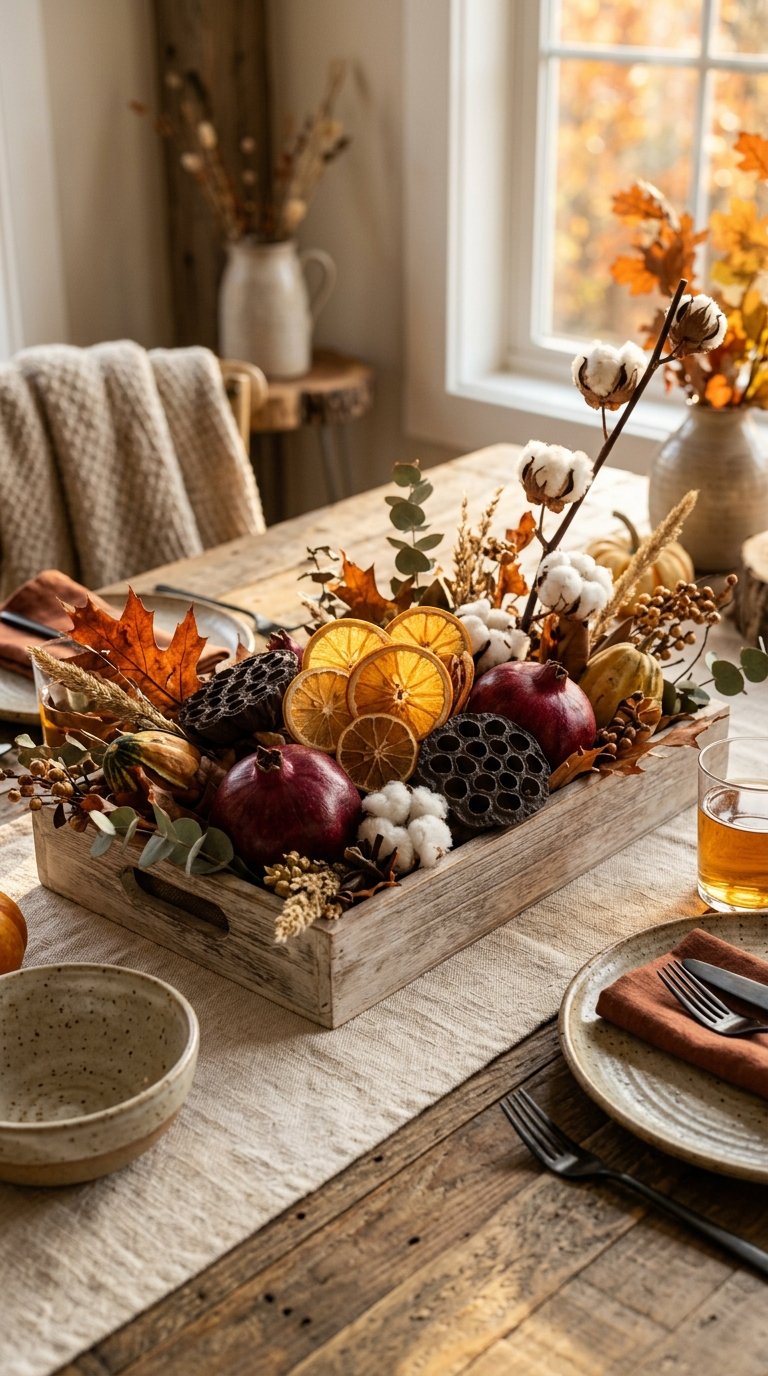
A centerpiece combining dried fruit slices, fresh whole fruit, and botanical dried elements in a low wooden tray creates a long-lasting, seasonally transitional arrangement that suits the period between peak summer fresh fruit availability and the heavier winter dried arrangements. Dried orange, lemon, and apple slices paired with fresh pomegranates and dried botanicals like cotton stems or dried lotus pods create a mixed-media fruit display that lasts significantly longer than any fresh-only arrangement.
Dry citrus slices in a home oven at 170 degrees Fahrenheit for 3 to 4 hours on a parchment-lined baking sheet until the slices are fully dehydrated and crisp. A standard lemon or orange produces four to six dried slices at zero cost beyond the fruit purchase. Arrange the dried slices in a 14-inch bleached wood tray from Target at $19.99 alongside three to four whole fresh pomegranates, two dried lotus pods from Michaels at $3.99 each, and a small bundle of dried cotton stems at $8.99 per bunch from the craft store. Total centerpiece cost runs $25 to $35 and lasts three to four weeks before requiring a fresh fruit refresh.
16. Lemon and Lavender Centerpiece in a White Pitcher
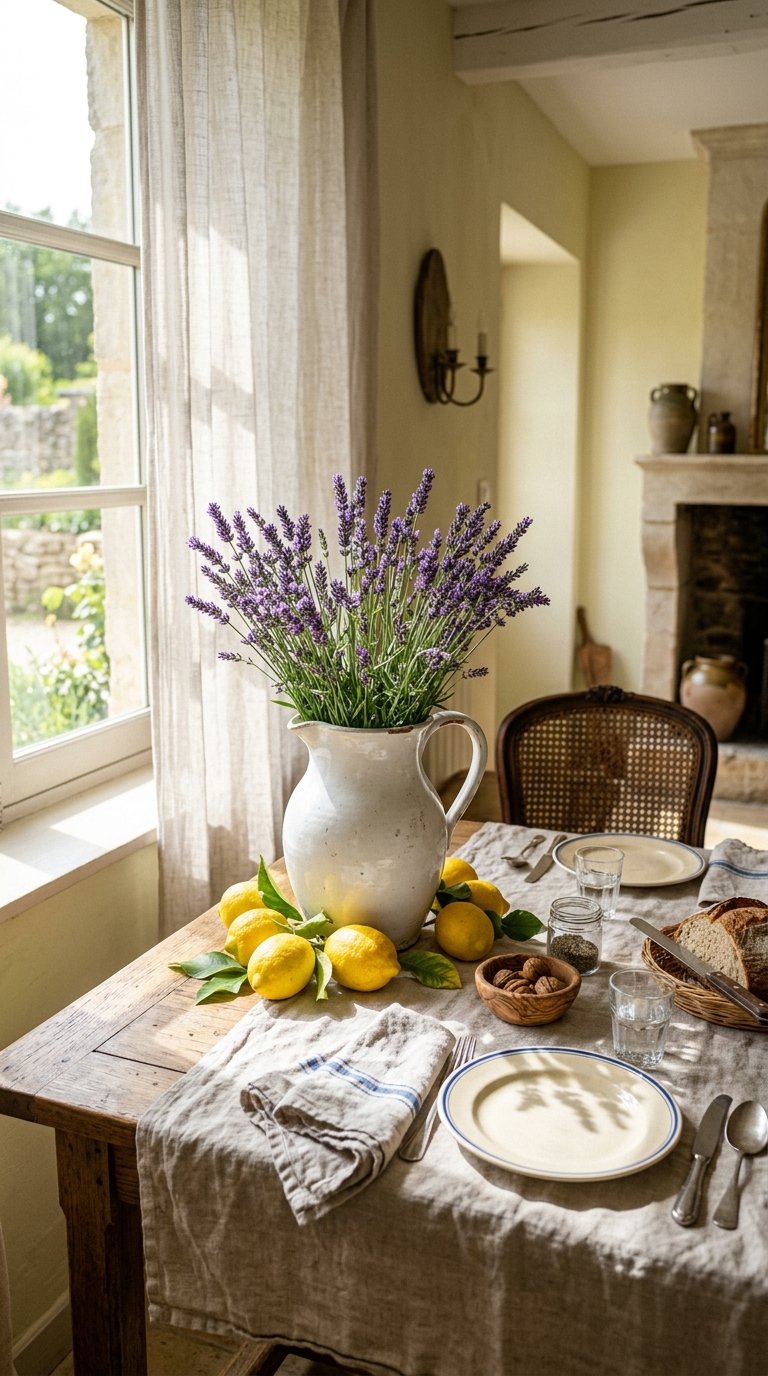
Whole lemons arranged in the base of a large white ceramic pitcher with fresh lavender stems inserted above them create a Provencal-inspired fruit and herb centerpiece in the yellow and purple complementary color combination that reads as both fragrant and visually sophisticated. The pitcher format adds a vertical, pouring-gesture silhouette to the arrangement that a bowl or tray never delivers and suits a dining table where the centerpiece needs to read from both ends of a long table.
Anthropologie’s white ceramic pitcher at $32 to $48 in 10-inch heights or any large white ceramic pitcher from HomeGoods at $14.99 to $24.99 works as the vessel. Place four to five whole lemons in the pitcher base and insert twelve to fifteen fresh lavender stems above them with the bloom ends extending 5 to 7 inches above the pitcher rim. The lemon mass anchors the lavender stems without water or a floral frog. Total centerpiece cost runs $20 to $35 using grocery store lemons and a fresh lavender bunch from Trader Joe’s at $3.99.
17. Autumn Squash and Apple Mixed Centerpiece
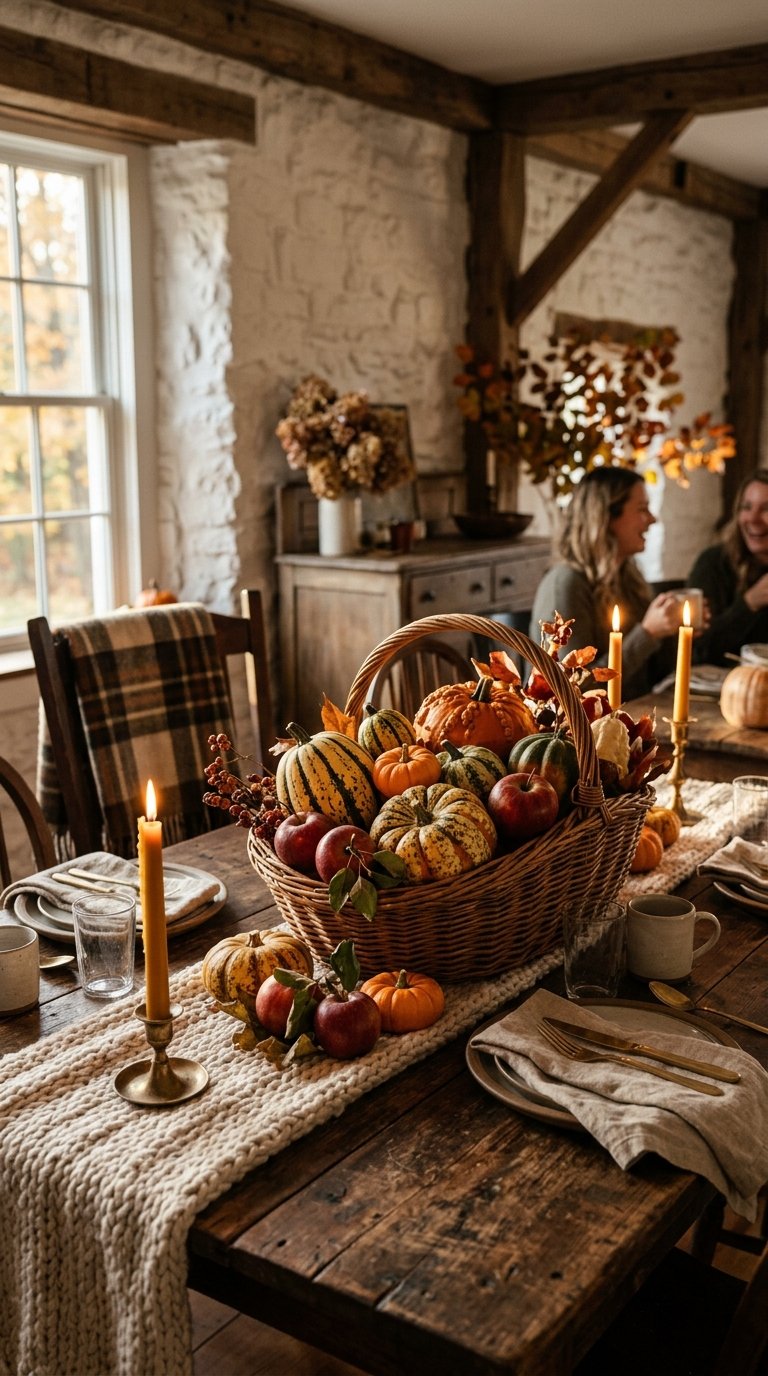
Small decorative squash varieties including acorn squash, delicata squash, and miniature pumpkins combined with red apples in a large woven basket or wooden bowl create the most seasonally complete autumn fruit and vegetable centerpiece on this list. The combination of round apple forms and the elongated, ribbed squash forms creates enough visual variety to read as a considered arrangement rather than a random produce pile.
Home Depot and most grocery stores sell small decorative squash and mini pumpkin varieties from $0.99 to $2.99 each in September through November. Use four to six decorative squash in varied shapes and colors alongside eight to ten red Honeycrisp apples in a 14-inch round woven seagrass basket from World Market at $14.99. Tuck six to eight dried oak leaves collected from outdoors between the fruit and squash at the basket perimeter for a completely zero-cost natural accent that suits the harvest season perfectly. Total basket centerpiece cost runs $25 to $40 in purchased materials.
18. Kumquats and Greenery in Bud Vases
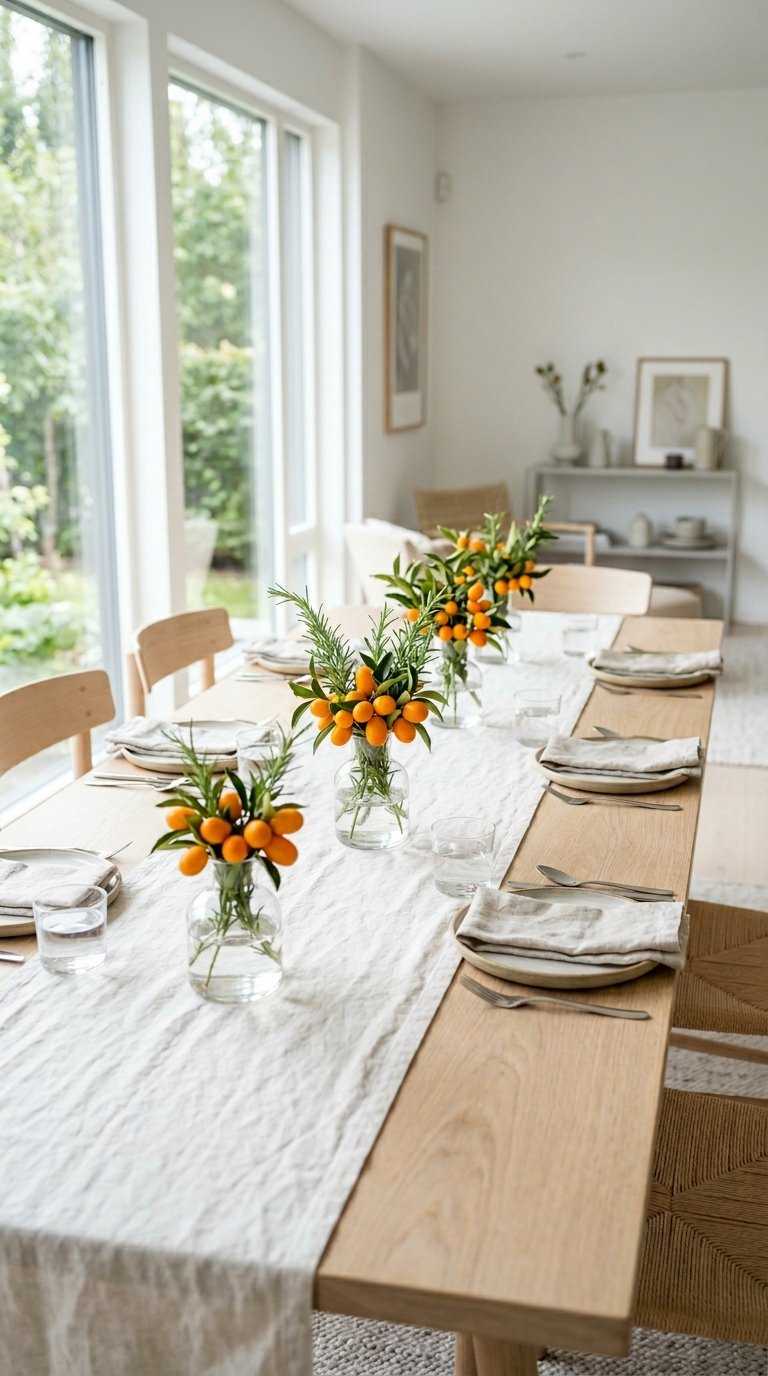
Three to five small bud vases each holding three to four whole kumquats and one fresh greenery stem arranged in a staggered line down the center of a dining table create a fruit table runner centerpiece that works for long tables where a single central arrangement reads as inadequate for the full table length. The kumquat’s small oval form and bright orange color reads as more jewel-like and precise than any larger citrus fruit at bud vase scale.
IKEA’s glass bud vases at $1.99 to $2.99 each or any dollar store glass bottles work in groups of five along a table runner. Drop three to four kumquats from Trader Joe’s at $2.99 per bag into each vase and insert one fresh rosemary sprig or one eucalyptus stem above them. Space the vases 12 inches apart down the table center for an evenly distributed display. A five-vase kumquat bud vase table runner costs under $18 in total including the vases, fruit, and greenery and suits spring and winter table settings when kumquats reach their peak availability and flavor.
19. Peaches and Roses in a Ceramic Crock
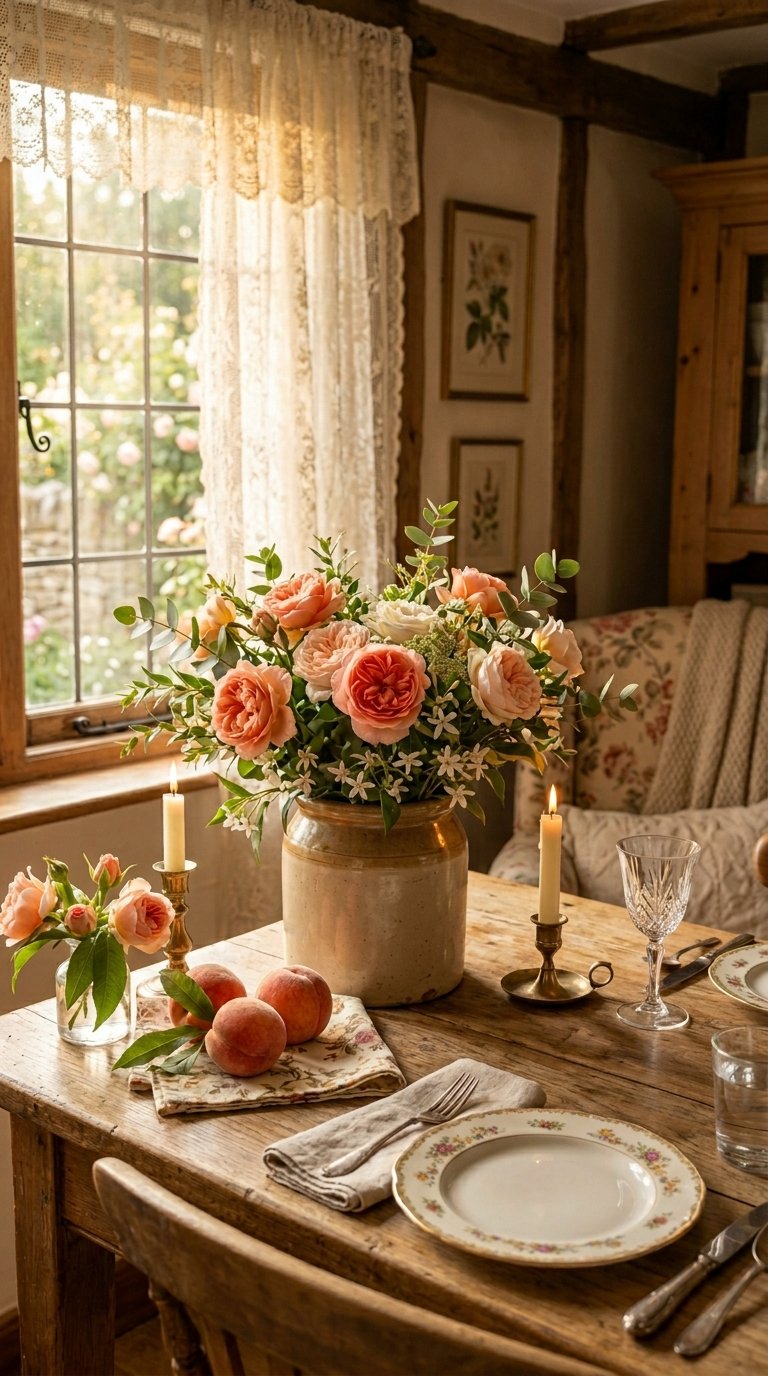
Fresh peaches combined with garden rose stems in a large ceramic crock or stoneware jug create a romantic, cottage-style fruit and floral centerpiece that suits the peak peach season from June through August. The fuzzy, warm-toned peach skin and the soft, layered rose petal surface share a similar tactile quality that makes the two materials read as naturally compatible in the same arrangement.
A large stoneware crock or ceramic jug from Anthropologie at $38 to $65 or from HomeGoods at $19.99 to $34.99 holds eight to ten whole peaches at the base with five to seven garden rose stems inserted between them. Use peach-toned, coral, or cream roses from Trader Joe’s at $7.99 per bunch for the most harmonious color relationship with the peach skin. The peach fruit mass holds the rose stems upright without water, but the roses last longer if you fill the crock with 2 inches of water before adding the peaches and stems together. Total centerpiece cost runs $28 to $45 in materials.
20. Cranberries Floating in a Glass Bowl
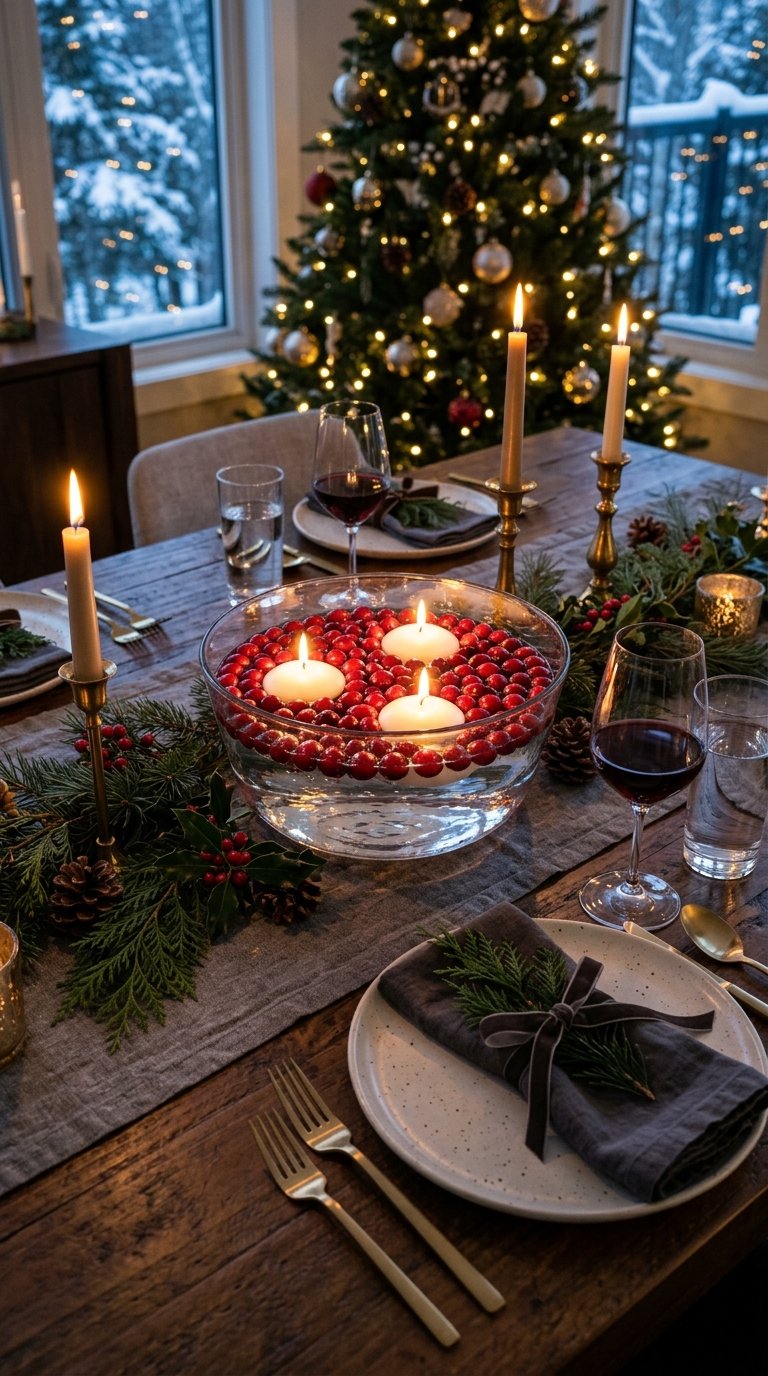
Fresh cranberries floating in a large clear glass bowl of water with floating candles create the most dramatic and seasonal winter fruit centerpiece on this list. The deep ruby red cranberries against clear water and white floating candles creates a jewel-toned, candlelit display that suits Thanksgiving and Christmas table settings as completely as any floral arrangement at a fraction of the cost.
A large 12-inch clear glass bowl from IKEA at $7.99 holds two to three cups of fresh cranberries floating at the water surface with five to six white floating tea light candles from IKEA at $4.99 per pack of ten interspersed between the berries. Fresh cranberries from any grocery store cost $2.99 to $3.99 per 12-ounce bag in October through January. Two bags fill the bowl surface completely. Total centerpiece cost runs $18 to $22 and creates the most visually striking winter table centerpiece on this list at the lowest material cost of any holiday arrangement.
Light the floating candles ten minutes before guests arrive and the cranberry and candlelight reflection on the water surface creates a warm, glowing table atmosphere that reads as genuinely considered and event-appropriate.
21. Mango and Bird of Paradise Statement Centerpiece
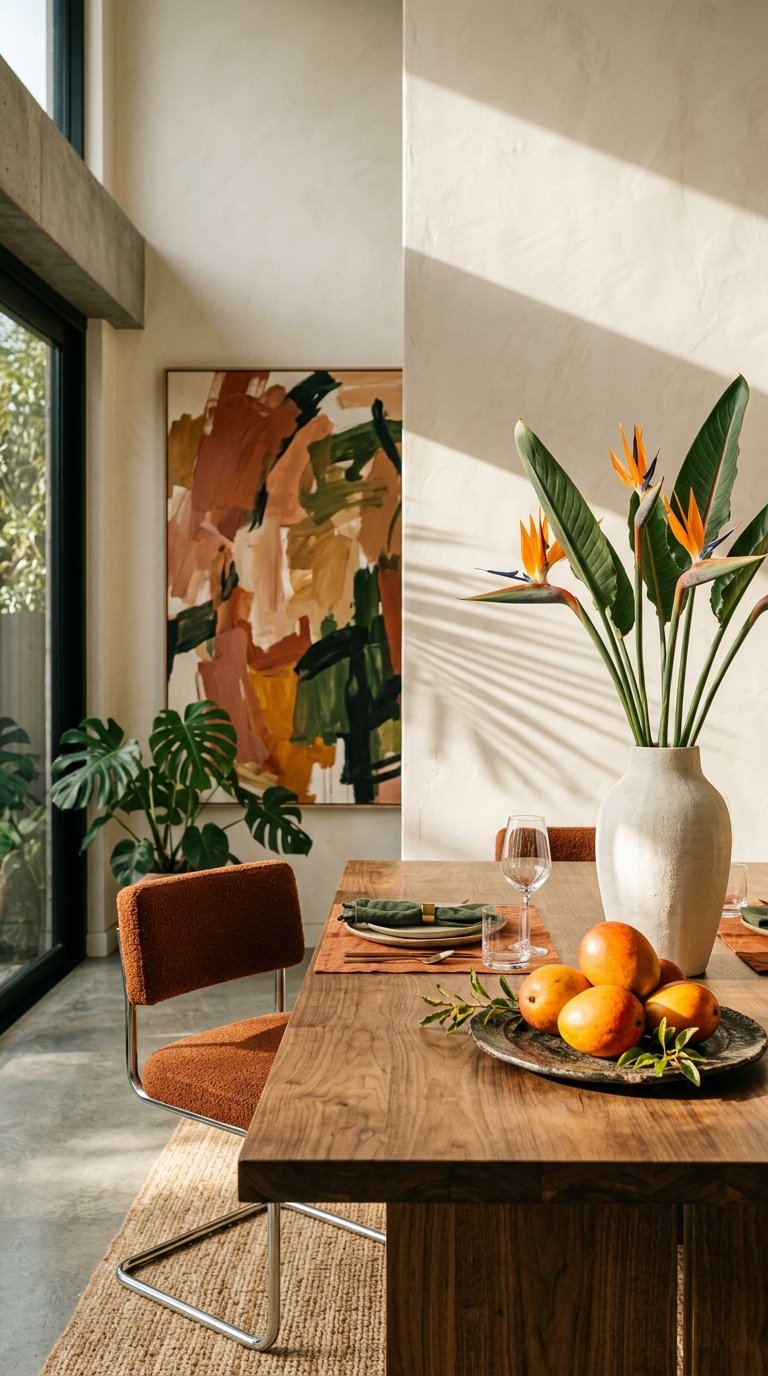
Two to three whole mangos arranged beside one bird of paradise stem in a tall narrow ceramic vase create a bold, tropical centerpiece that reads as editorial and fashion-forward rather than decorative and domestic. The orange-red mango skin and the dramatic orange and purple bird of paradise bloom share a tropical color story that suits maximalist, eclectic, and contemporary interiors where a restrained arrangement would feel inadequate for the room’s visual energy.
A tall 14-inch narrow ceramic vase from CB2 at $29 to $49 or from IKEA at $9.99 in the TIDVATTEN range holds one to two bird of paradise stems from a florist at $4 to $8 per stem. Place two to three whole Ataulfo or Kent mangos from any grocery store at $0.99 to $1.49 each on a small plate or tray beside the vase for the paired mango-and-stem composition. The mango fruits on the plate and the bird of paradise in the vase read as a two-piece installation rather than a single-container arrangement, which gives the centerpiece a more editorial, designed quality.
22. Olive Branch and Grape Table Runner
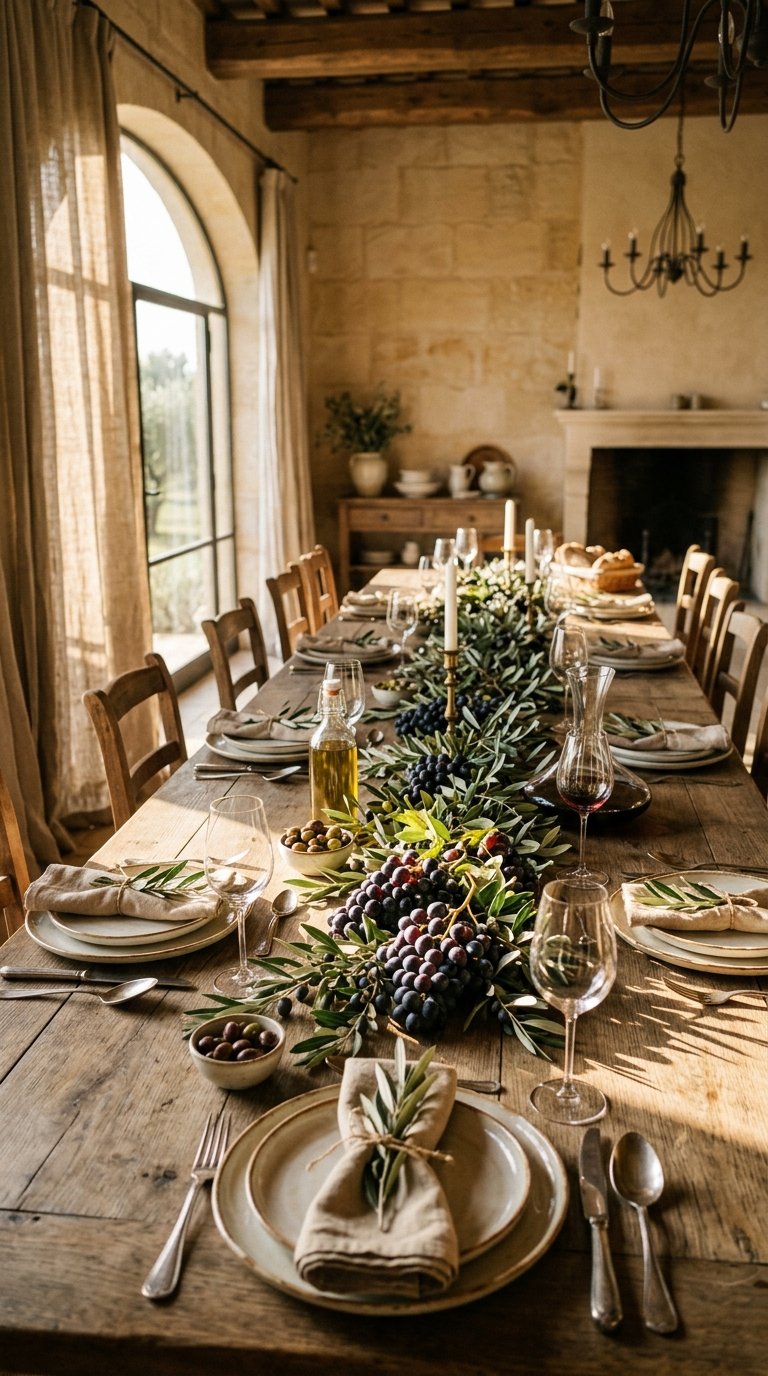
Fresh or faux olive branches laid horizontally down the center of a long dining table with clusters of dark purple grapes resting at irregular intervals along the branch length create a Mediterranean harvest table runner centerpiece that uses the full table length as the display surface. The flat, spreading format of an olive branch table runner suits long farm tables and outdoor dining tables seating eight or more guests where a single central bowl reads as undersized.
Fresh olive branches from a florist or farmers market cost $8 to $15 per bunch and last five to seven days on a table surface without water. Faux olive branches from Afloral at $12 to $18 per stem last indefinitely and read accurately from a normal table viewing distance. Lay three to four olive branch lengths end-to-end down the table center and drape four to five large dark grape clusters over the branch foliage at 18-inch intervals. Total table runner centerpiece cost runs $30 to $55 using fresh materials and $45 to $75 using faux olive branches for a permanent reusable version.
23. Personal Seasonal Fruit Collection in a Found Container
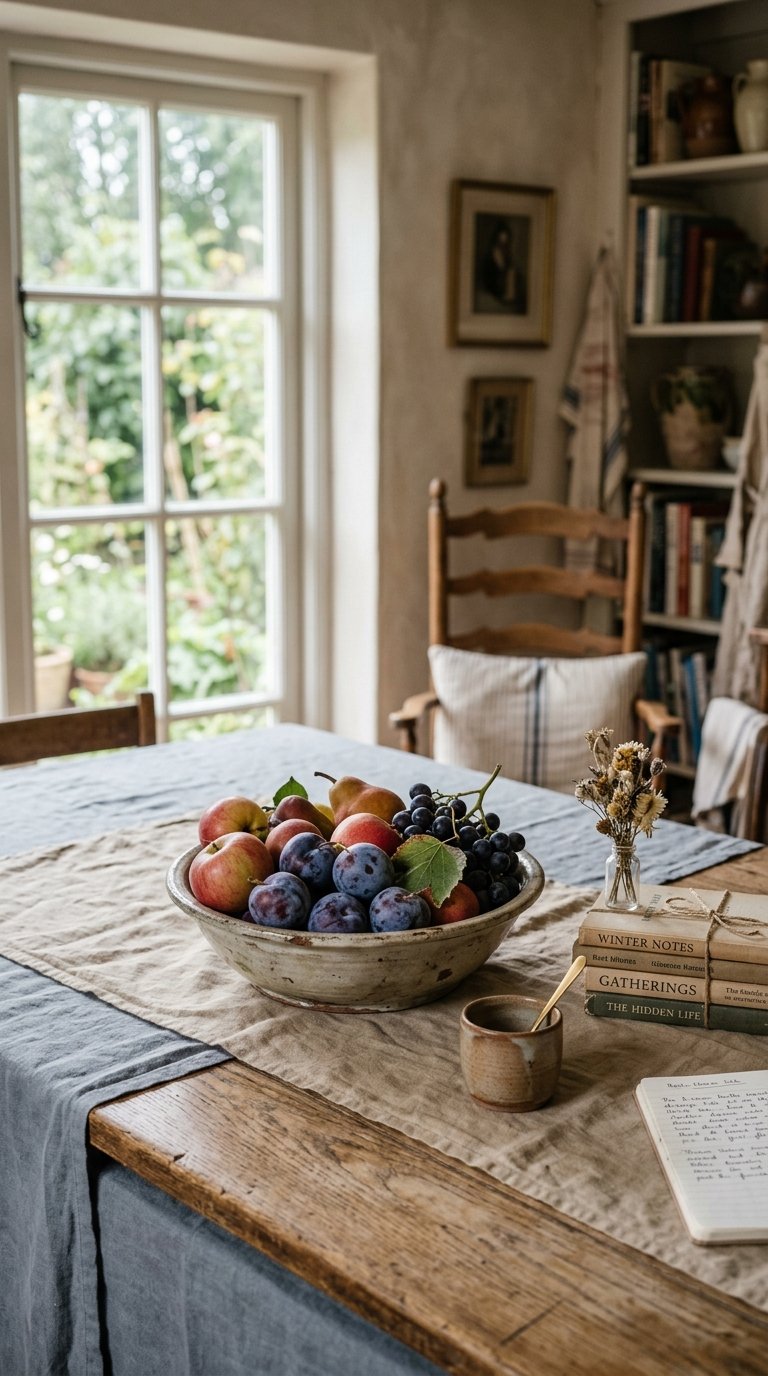
A centerpiece built from whatever seasonal fruit your local farmers market offers this week, displayed in a container you already own, creates a fruit centerpiece that reads as more genuinely designed than any arrangement assembled from a retailer’s seasonal display. The seasonal constraint of farmers market fruit means the color palette, fruit variety, and organic form of the arrangement changes with the actual season rather than following a retail calendar that rarely aligns with the natural growing cycle.
Use whatever container suits the fruit scale. A worn ceramic pitcher for small stone fruits and berries, a large wooden bowl for mixed autumn varieties, a glass cylinder for citrus, or a market basket for mixed tropical fruits all work using this format. The only design rule is restraint: use one to three fruit varieties maximum and add one greenery or botanical accent. The total cost covers only the fruit. The container already exists in your home. IMO, a farmers market fruit centerpiece assembled from what is actually growing this week in your region reads as more authentically designed than anything assembled from a grocery store seasonal display, every single time.
Final Thoughts
A fruit centerpiece works because it delivers color, texture, fragrance, and organic form in ingredients that cost $3 to $15 at any grocery store or farmers market. The twenty-three ideas on this list range from a $15 strawberry trifle bowl to a $65 pomegranate and persimmon dough bowl, but every single one solves the same problem: a table surface that needs a visual anchor without a florist budget or a weekly flower delivery.
Start with the fruit that is in peak season in your region right now. Peak season fruit costs less, looks better, lasts longer, and smells stronger than out-of-season grocery store fruit at any price point. Choose a container you already own, add one secondary element from the pairings on this list, and you have a centerpiece that reads as considered, costs almost nothing, and feeds your household when the display run ends. The fruit earns its spot on the table twice.