23 Tiny Bedroom Ideas That Make Small Spaces Feel Bigger
You don’t need a big bedroom to sleep well, live well, or feel good in your space. What you need is a plan. A small bedroom without a plan is just a storage unit with a mattress. Sound familiar? Let’s fix that.
1. Use Your Bed Frame as Storage
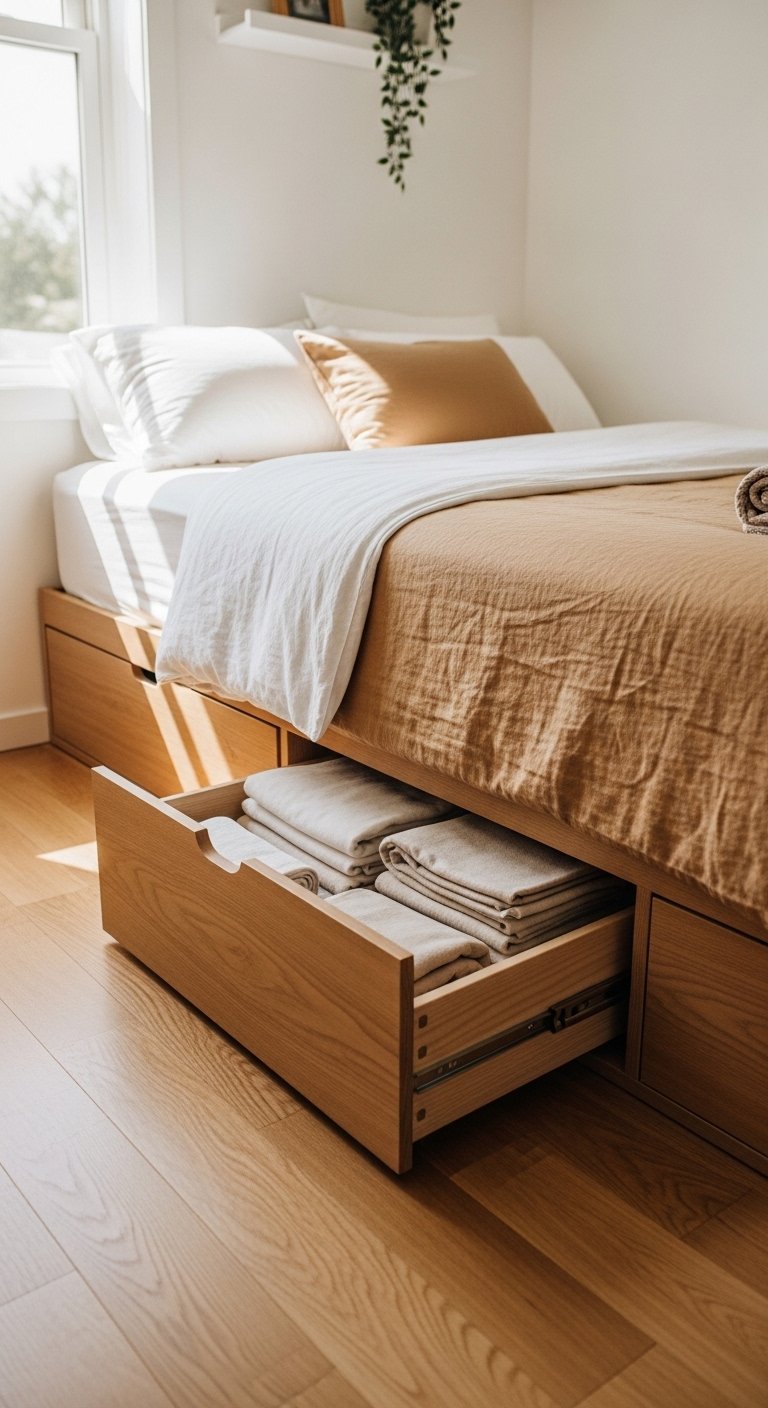
A standard bed frame wastes the most valuable real estate in a small bedroom: the space underneath it.
Opt for a bed with built-in drawers on both sides. You get the storage equivalent of a full dresser without adding any floor furniture.
Ottoman beds work too. Lift the mattress, store your seasonal items, extra linens, whatever you don’t need daily.
2. Mount Your Nightstand to the Wall
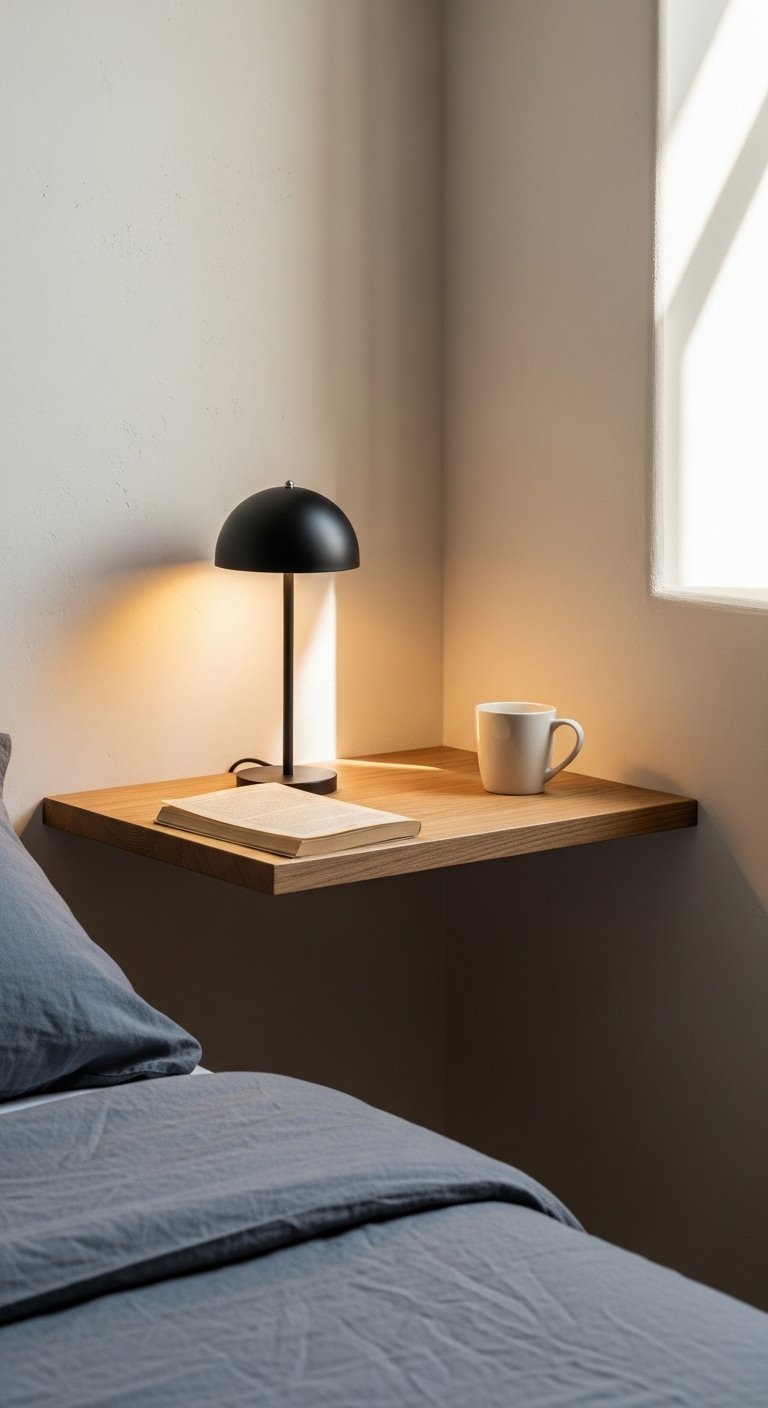
Floor-standing nightstands eat floor space. A wall-mounted shelf does the same job and costs you nothing on the floor plan.
Install it at mattress height. Add a small lamp, your book, your phone charger. Done.
This one change makes a room feel noticeably less crowded.
3. Go Vertical With Shelving
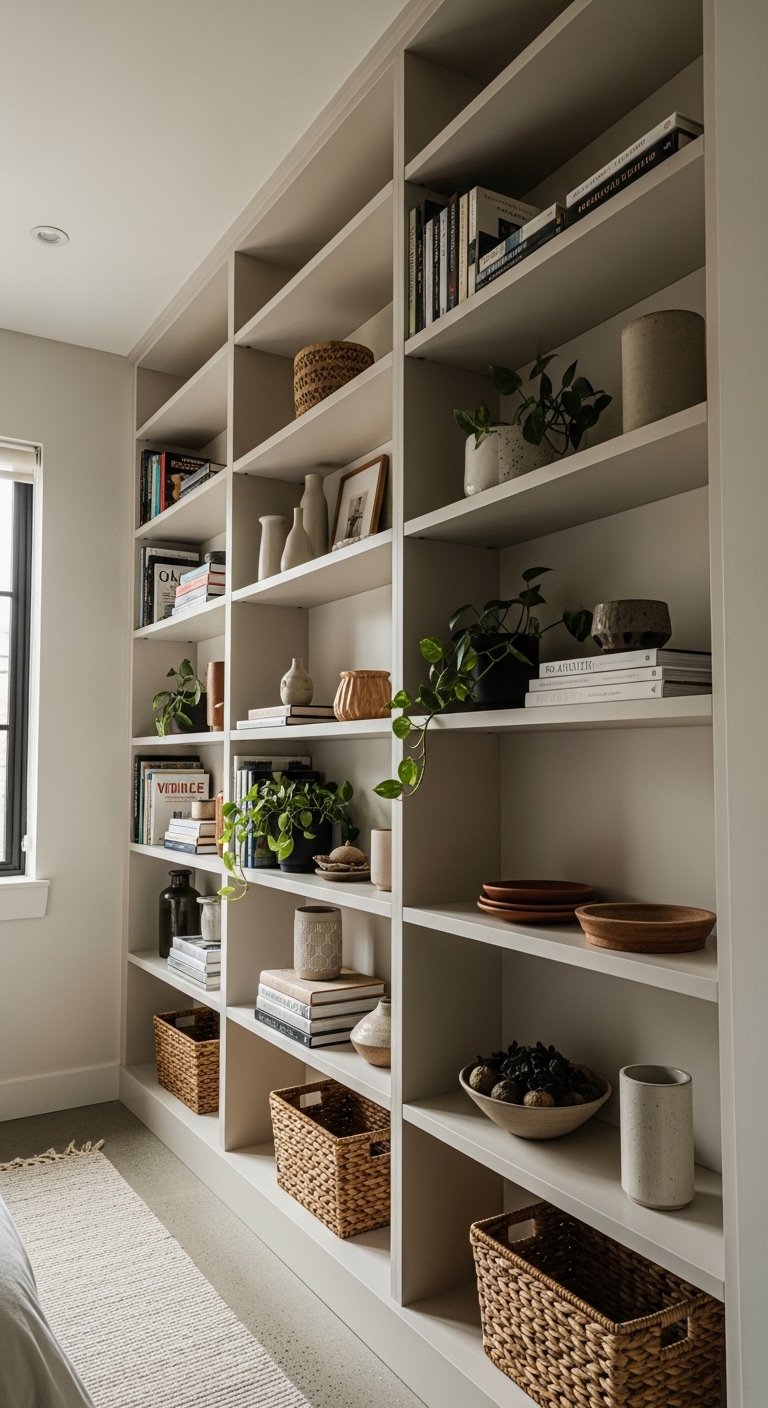
Most people decorate to eye level and stop. That’s a mistake in a small room.
Floor-to-ceiling shelving draws the eye upward and makes the ceiling feel higher. It also gives you serious storage capacity without touching floor space.
Use the top shelves for items you access rarely. Keep daily-use items within arm’s reach.
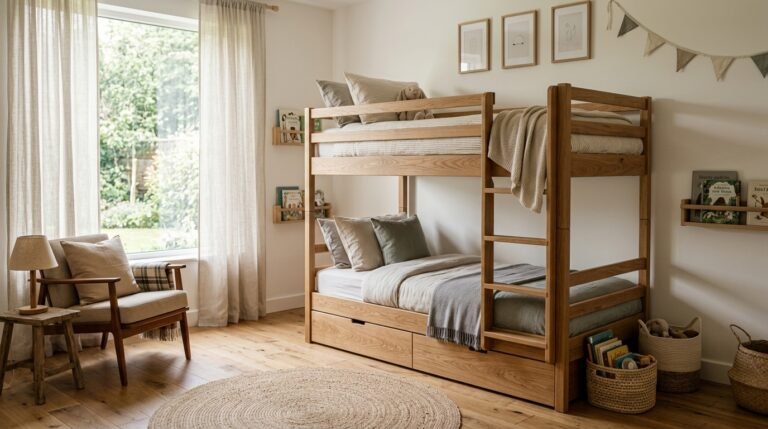
4. Choose a Loft Bed
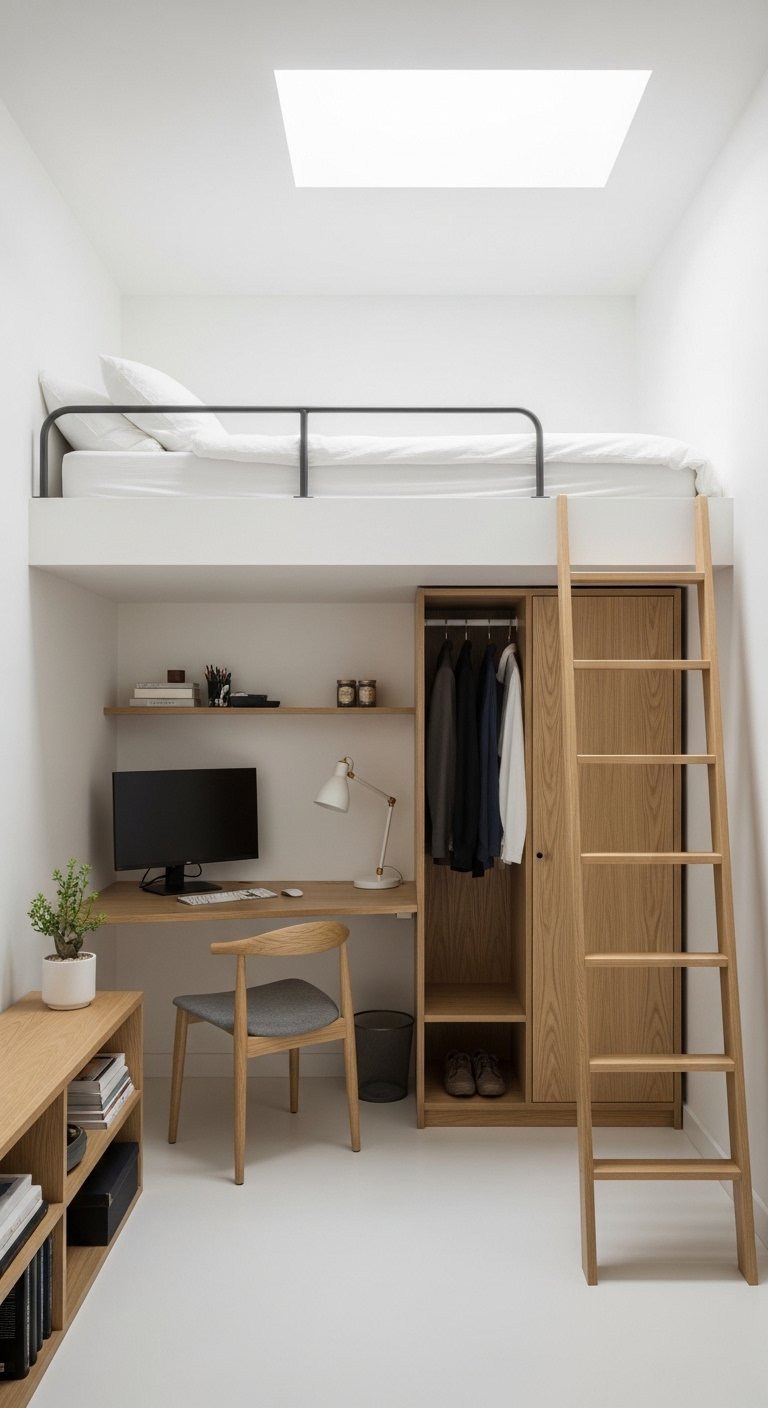
If your ceiling allows it, a loft bed is the most space-efficient furniture decision you’ll make.
You free up the entire footprint of your bed for a desk, a wardrobe, a reading nook, whatever you need most.
This works especially well in studio apartments or kids’ rooms where multipurpose space is critical.
5. Use Mirrors Strategically
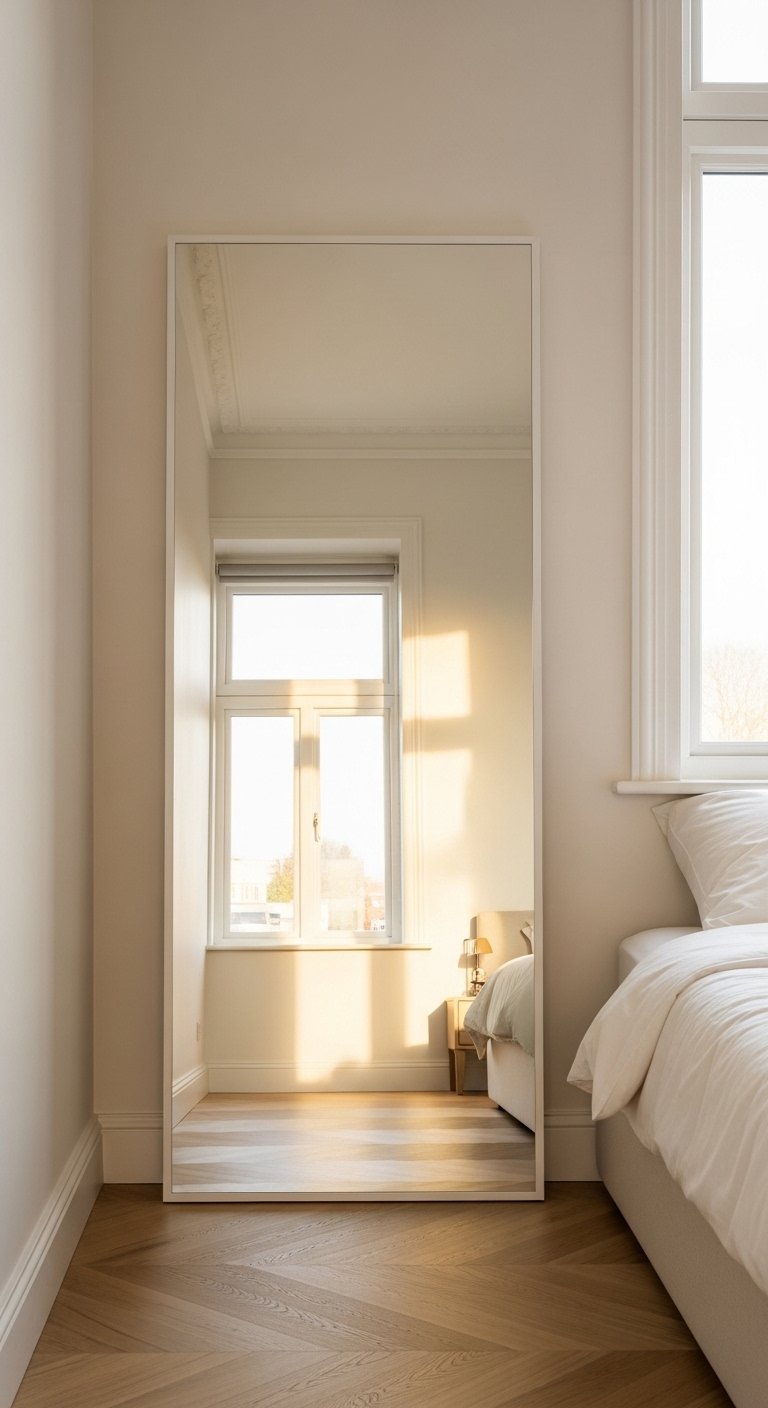
A well-placed mirror doesn’t just help you check your outfit. It doubles the perceived depth of a room by reflecting light and space.
One large mirror on a wall opposite a window is the simplest move. You get more light and more perceived space simultaneously.
Avoid cluttering multiple small mirrors around the room. One large one beats five small ones every time.
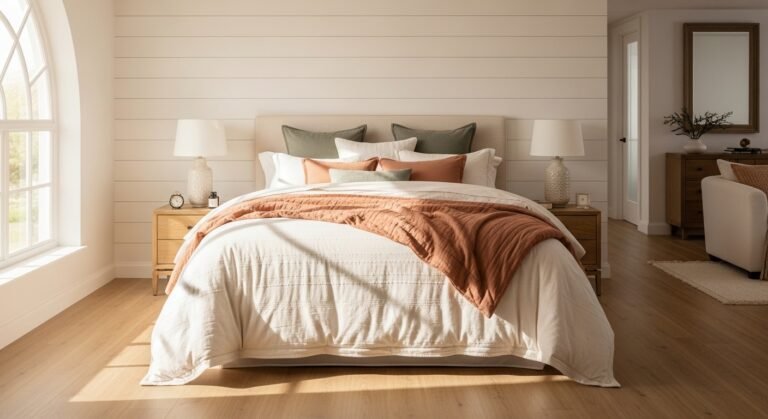
6. Pick Light Colors for Walls and Bedding
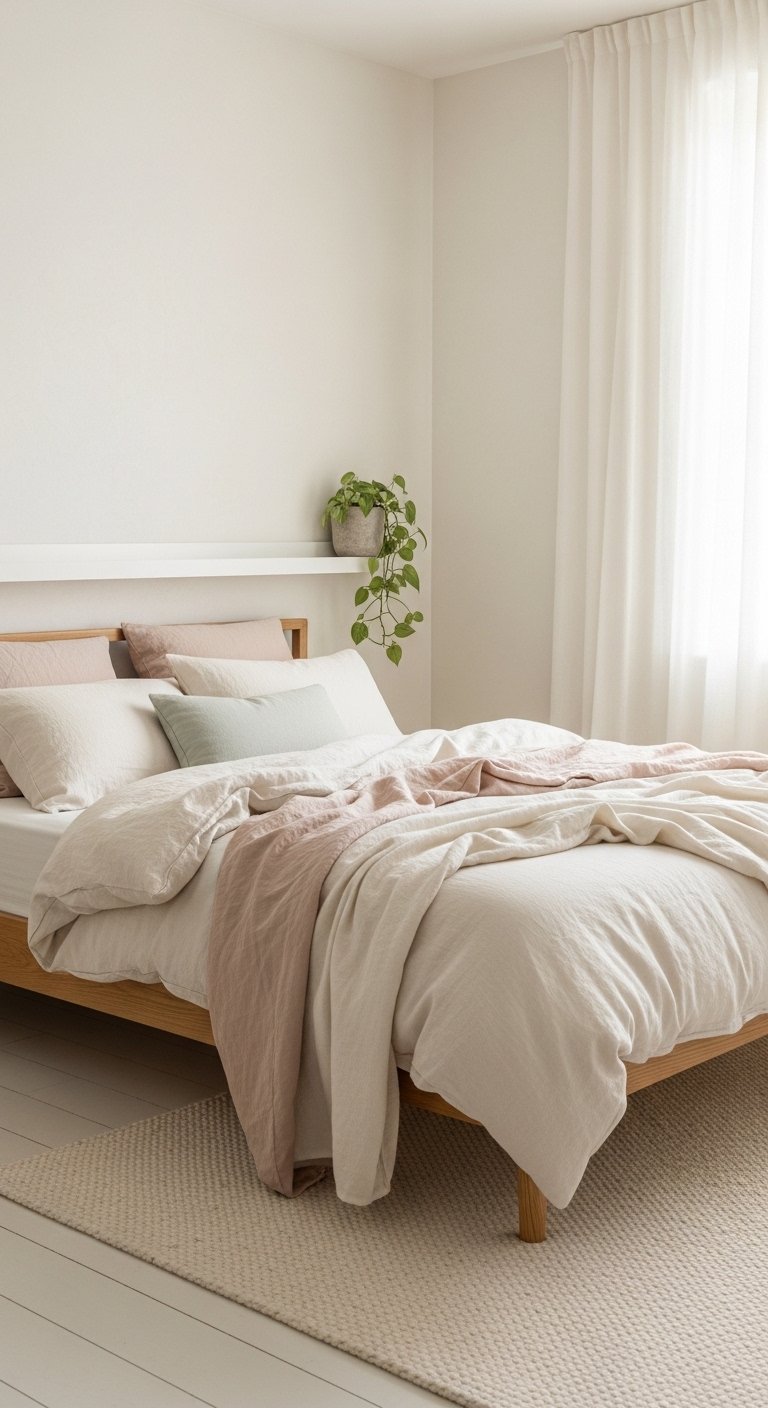
Dark colors absorb light. Light colors reflect it. This is not a style opinion; it’s physics.
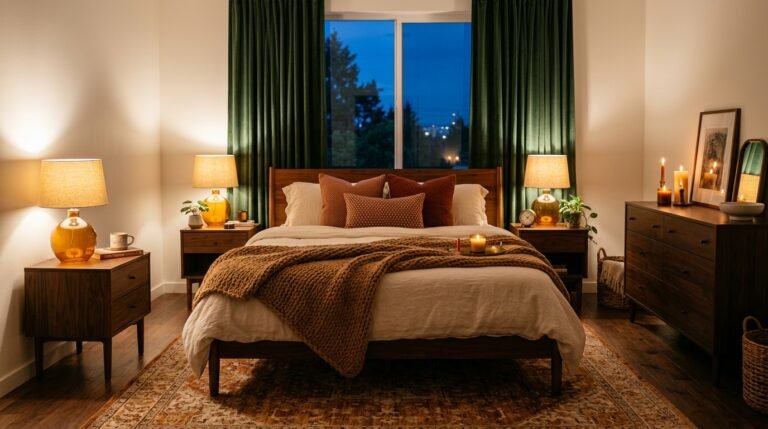
White, cream, soft grey, and pale blush all make a room feel larger and airier than it is.
You don’t have to go all-white if that feels sterile. One light dominant color with subtle contrast works well.
7. Install Curtains High and Wide
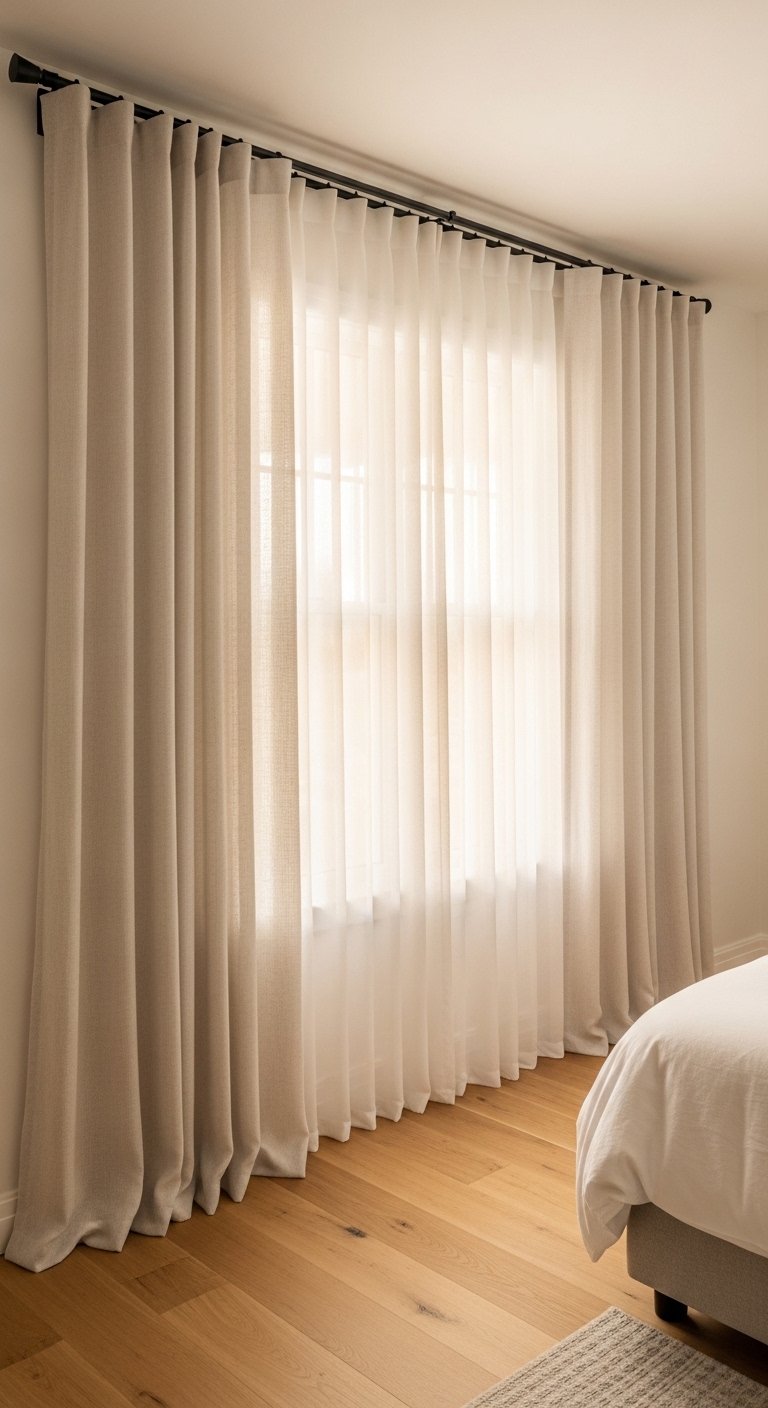
Most people hang curtains at window height. That’s wrong for a small room.
Hang your curtain rod as close to the ceiling as possible, and extend the rod well beyond the window frame on both sides. This makes your window look larger and your ceiling look higher.
This trick costs almost nothing and has a disproportionately large visual impact.
8. Use a Wardrobe With Sliding Doors
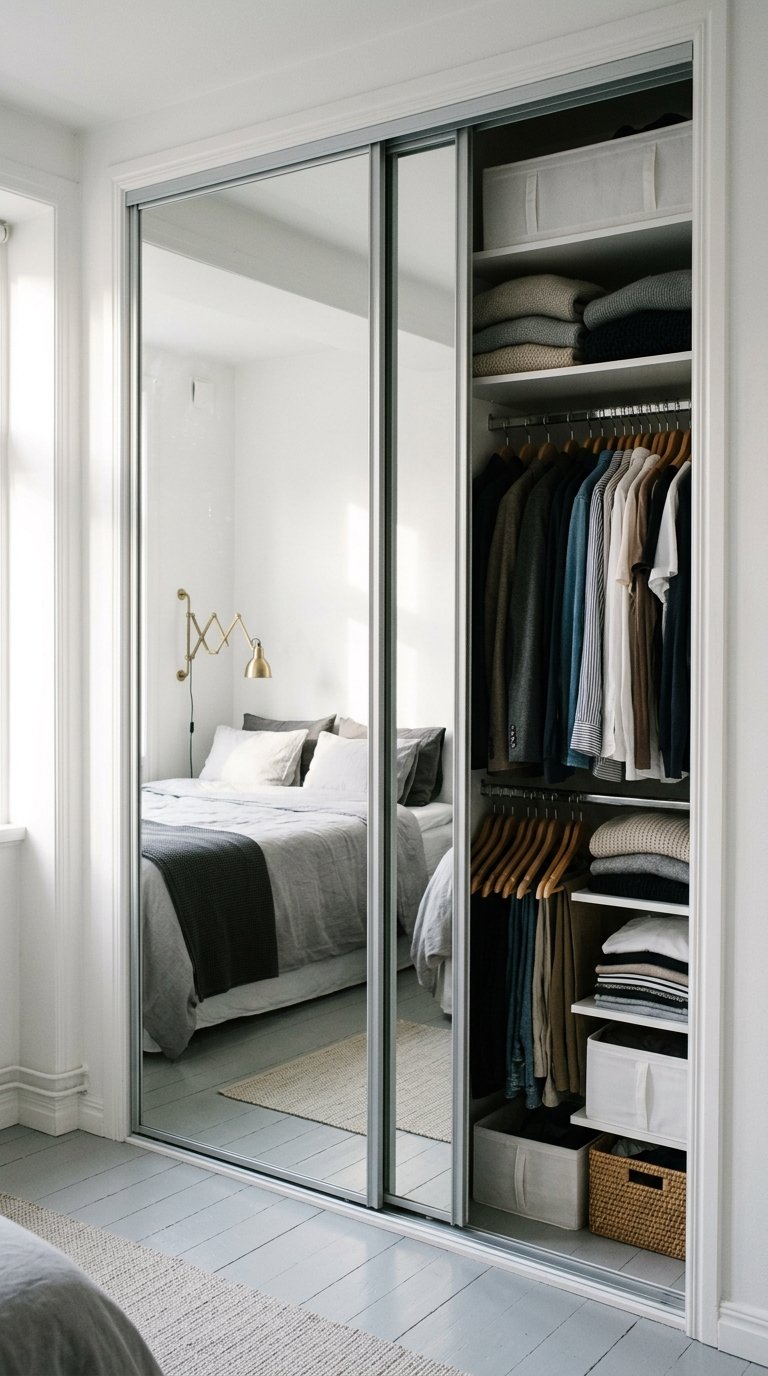
Hinged wardrobe doors need clearance space to open. In a small bedroom, that clearance is space you don’t have.
Sliding doors eliminate that problem entirely. You get full access to your wardrobe without sacrificing any floor area.
Mirrored sliding doors give you a bonus mirror effect. Two problems solved, zero extra furniture added.
9. Add a Fold-Down Desk
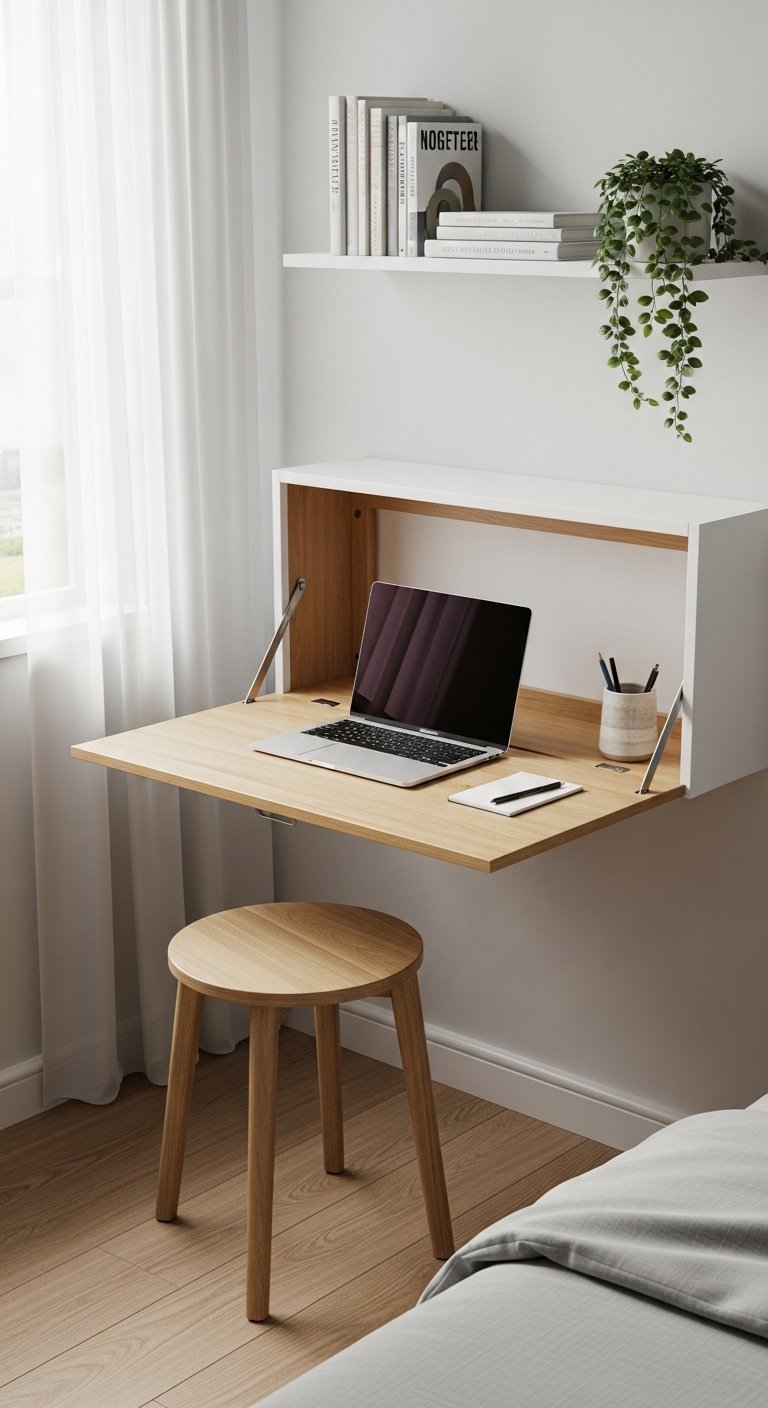
If you work from your bedroom (IMO, not ideal, but let’s be practical), a fold-down wall-mounted desk is the answer.
When you need it, it’s a desk. When you don’t, it folds flat against the wall and disappears.
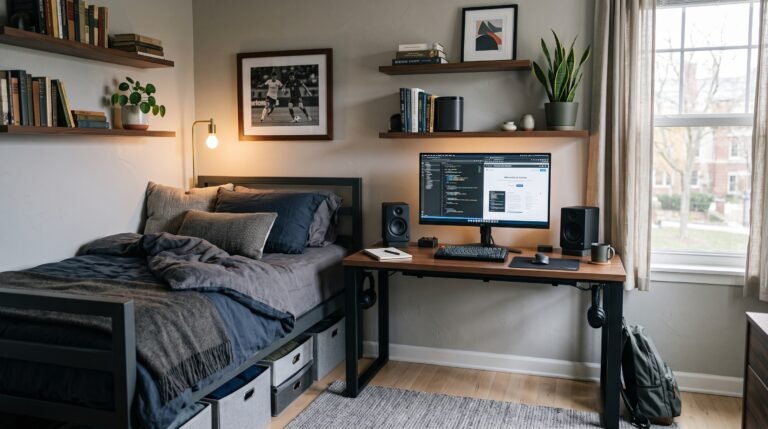
Pair it with a wall-mounted shelf above it for your monitor or books, and you have a functional workspace in under 12 inches of wall depth.
10. Use Furniture With Legs
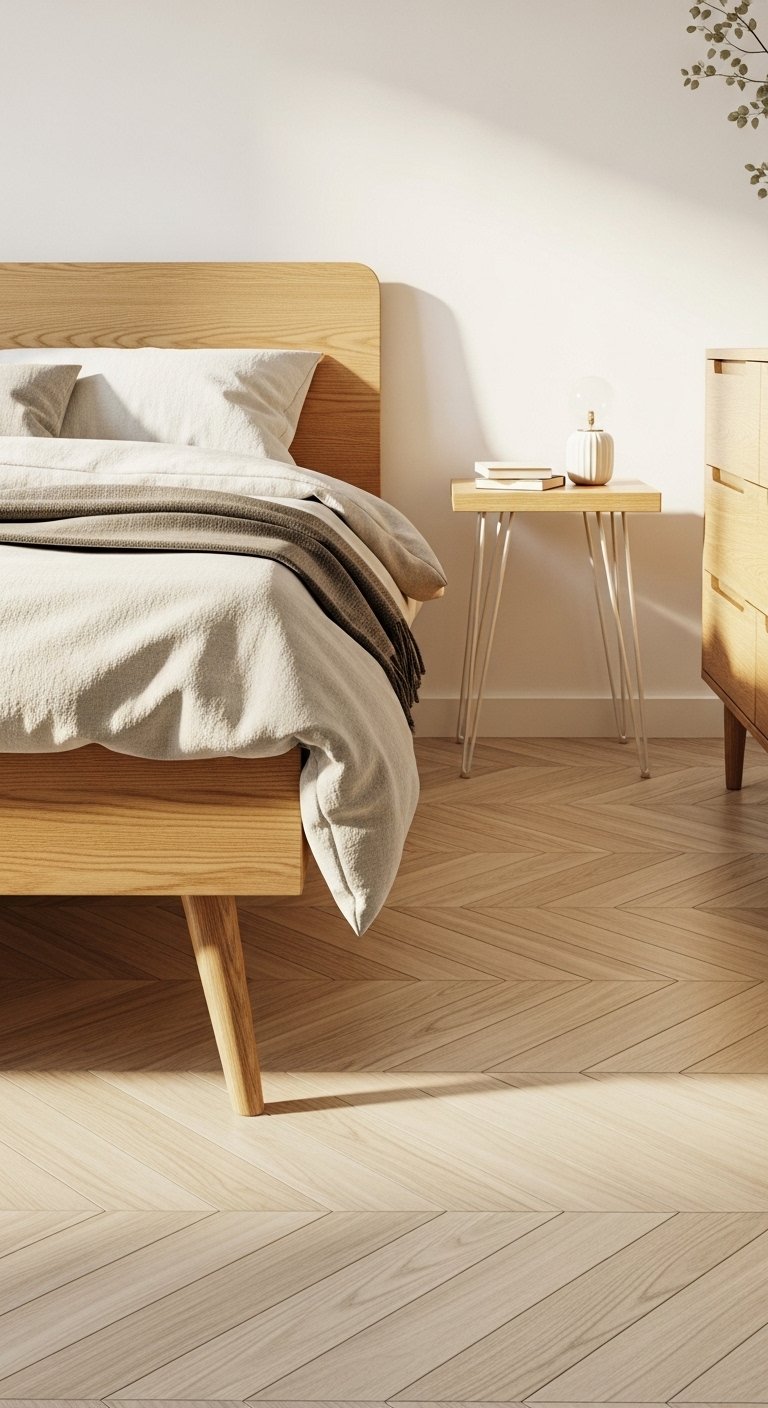
Furniture that sits directly on the floor makes a room feel heavier and more cluttered.
Furniture raised on legs shows floor underneath, which visually extends the room. Your eye reads more floor as more space.
A bed frame with visible legs, a side table on legs, even a small sofa on legs if you have one in the room, all of these help.
11. Declutter Ruthlessly
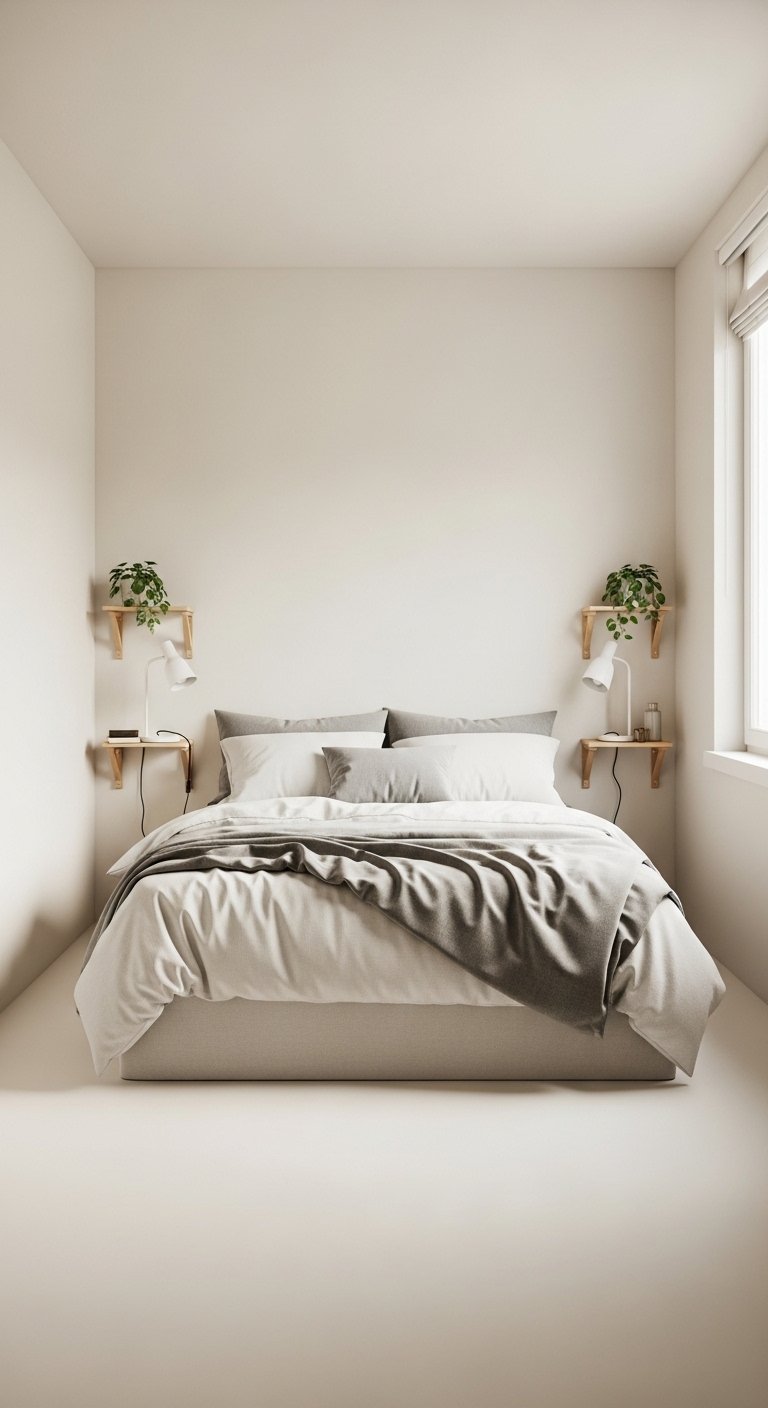
No design trick fixes a cluttered room. You need to start with less stuff.
Every item in a small bedroom competes for visual attention. The fewer items you have, the more spacious the room feels.
Do a hard edit. If it doesn’t belong in a bedroom, it doesn’t stay in the bedroom.
12. Build a Window Seat With Storage
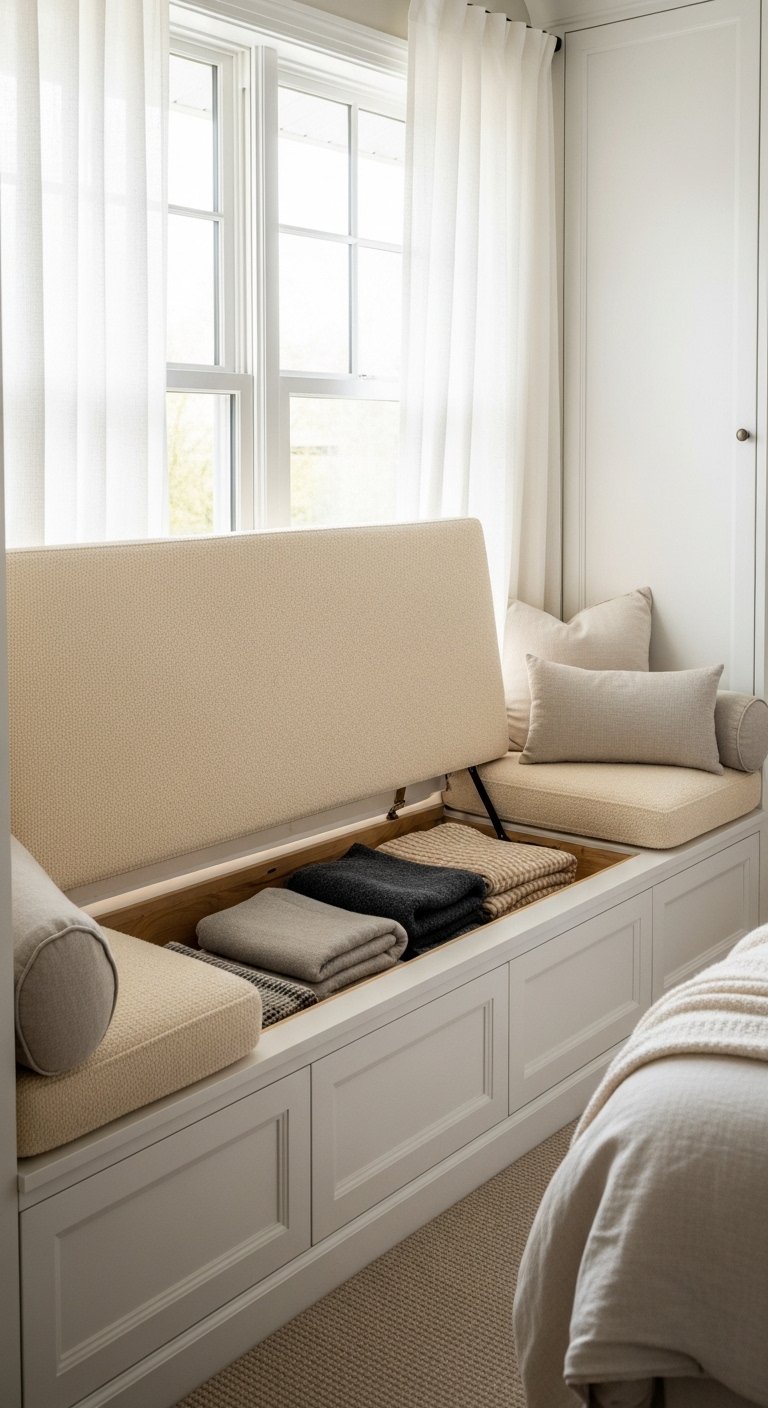
If you have a window with a ledge or alcove, build a window seat with storage underneath it.
You get a seating area, a storage chest, and a cozy reading spot in one piece of built-in furniture.
This works particularly well in bay windows or any window that sits lower to the floor.
13. Use Pegboards for Small Items
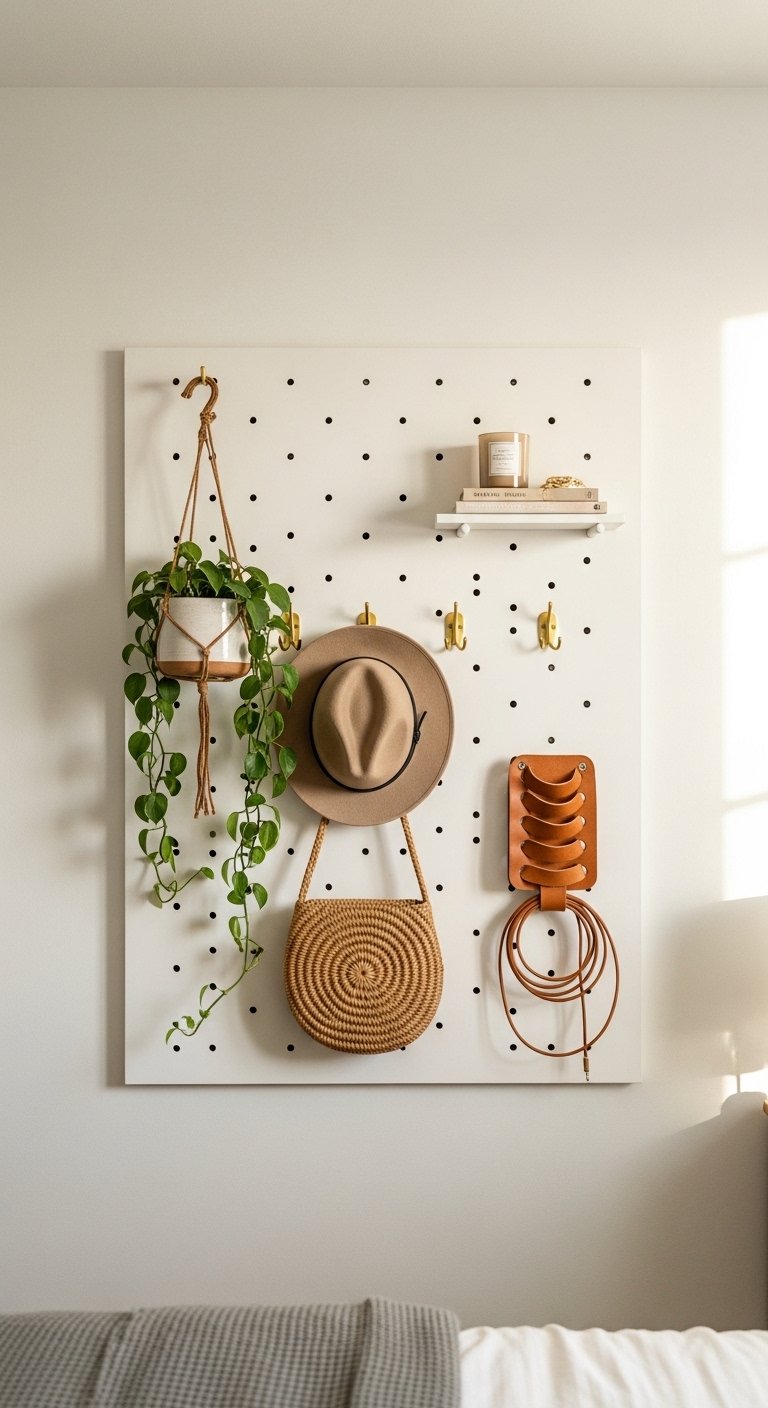
Pegboards aren’t just for garages. Mounted on a bedroom wall, a pegboard organizes accessories, jewelry, bags, and small items that would otherwise pile up on surfaces.
It keeps things visible so you don’t lose them. It keeps surfaces clear so the room breathes.
Paint it to match your wall and it looks intentional, not makeshift.
14. Choose Multipurpose Furniture
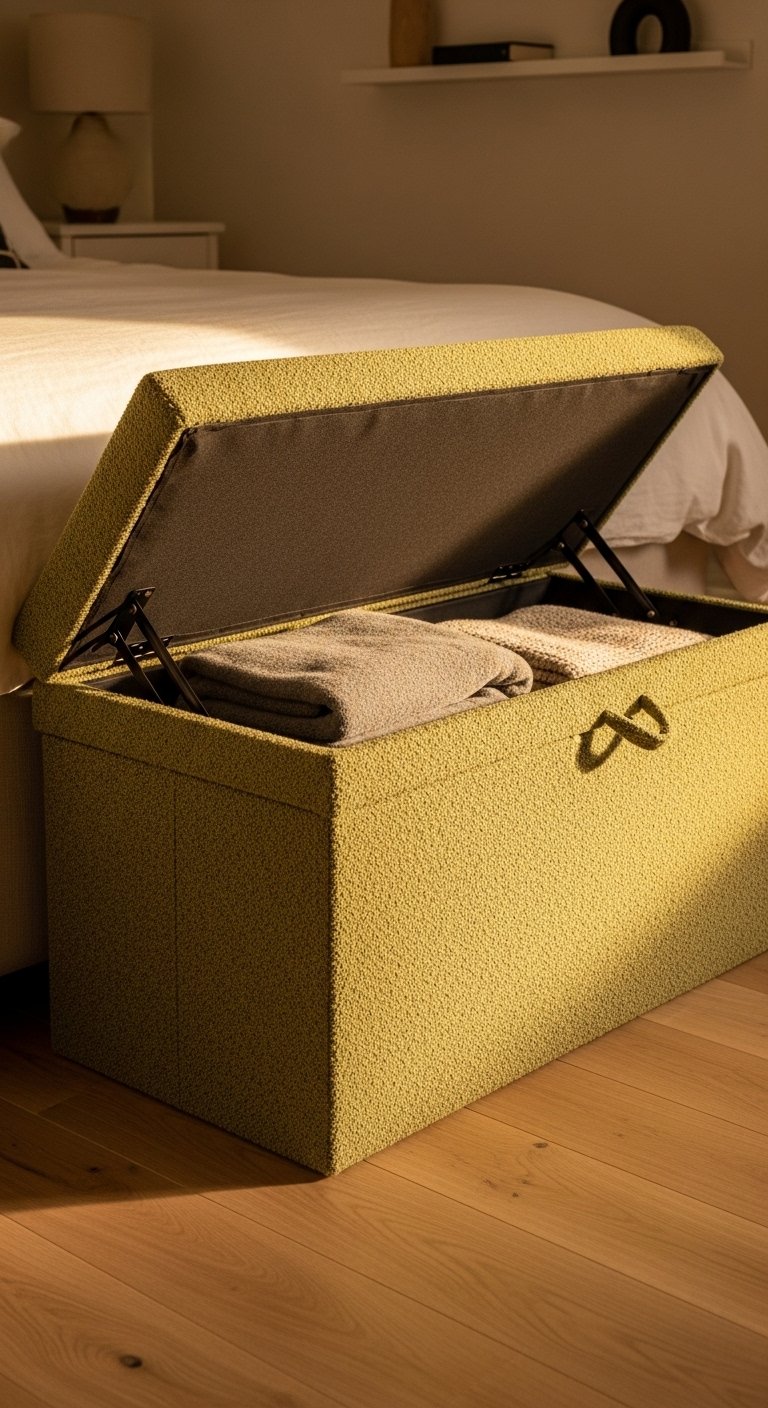
Every piece of furniture in a small bedroom should work harder than one job.
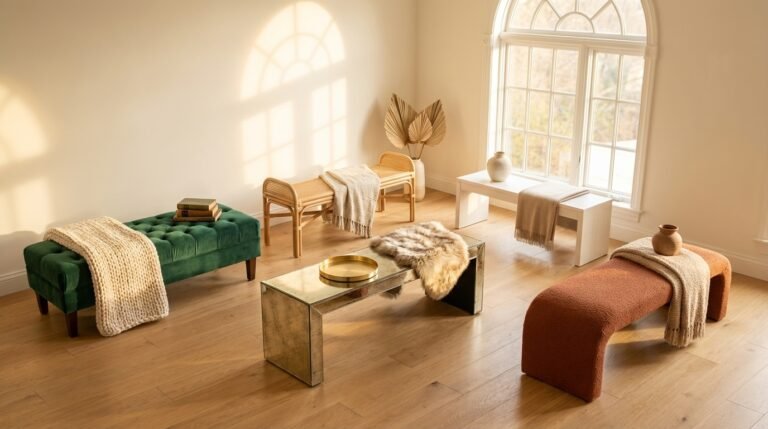
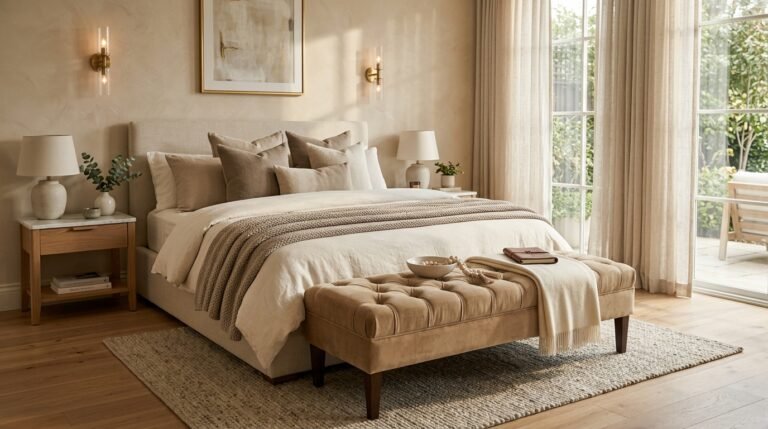
A storage ottoman at the foot of the bed is a footrest, a storage box, and extra seating when needed. A bench with storage does the same thing.
Ask yourself before buying any furniture: does this do more than one thing? If not, look for something that does.
15. Maximize the Space Under Stairs
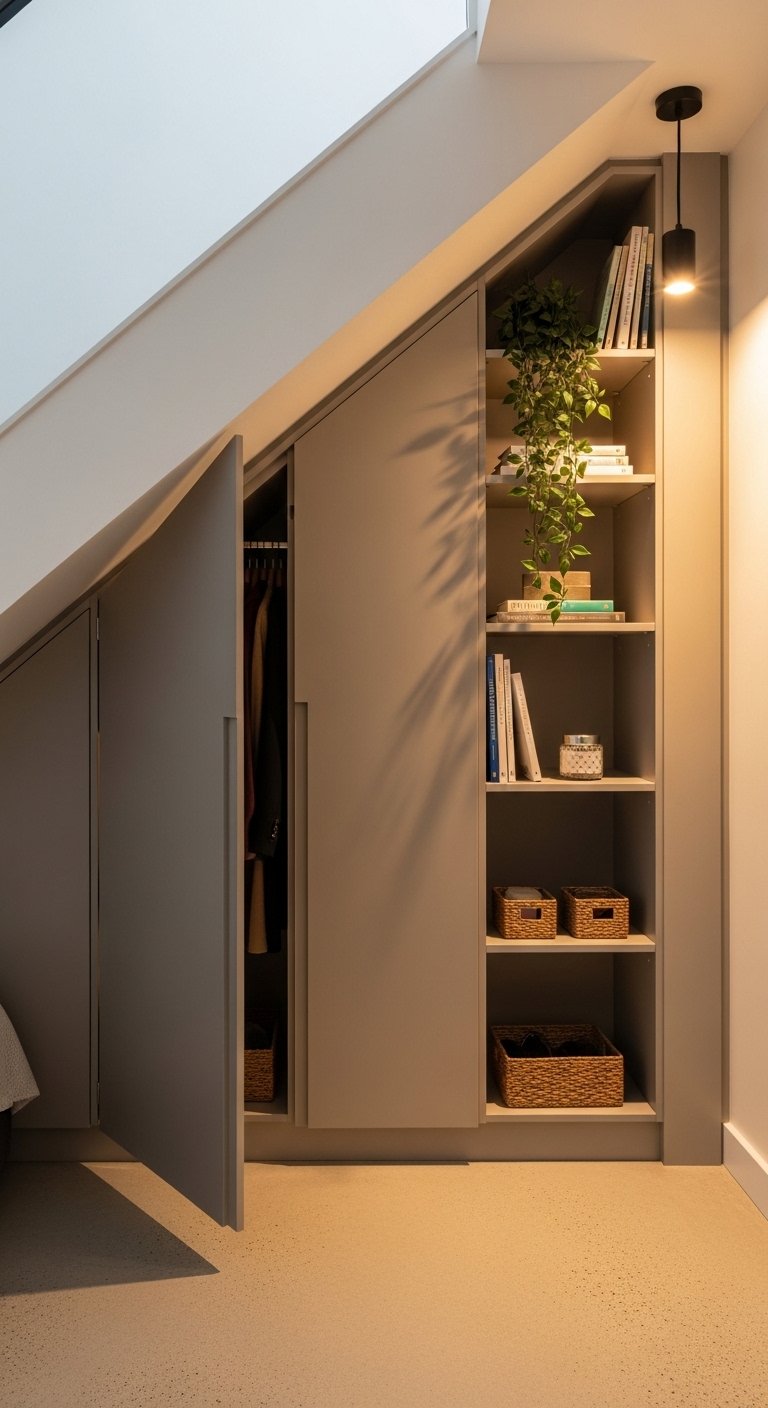
If your bedroom sits under a staircase, you’re sitting on gold.
Built-in shelving or a custom wardrobe under the stairs uses awkward space that would otherwise go to waste.
This is a carpenter’s job, not a DIY weekend project. Budget accordingly and do it once, properly.
16. Use Slim-Profile Furniture
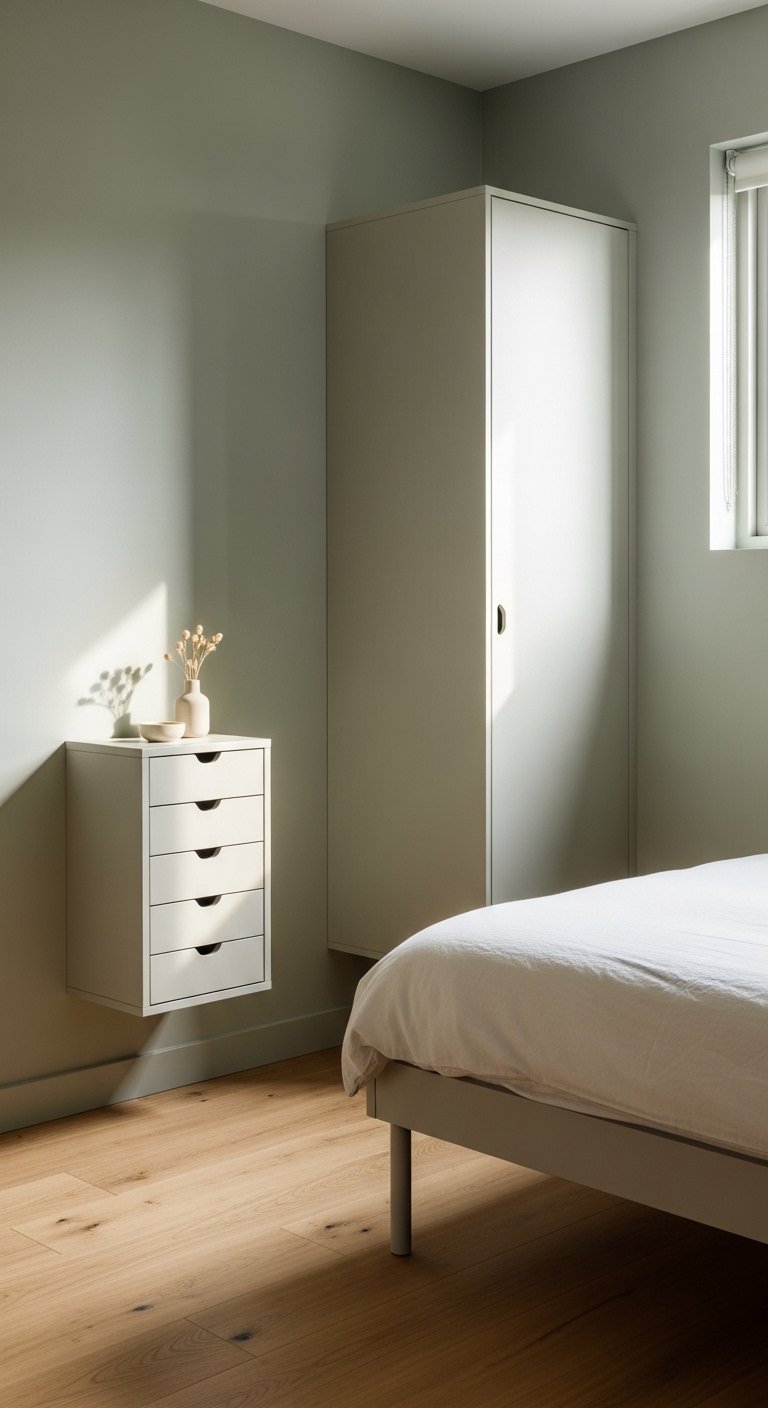
Standard furniture is designed for standard rooms. Small rooms need slim-profile alternatives.
A narrow bedside table instead of a bulky one. A slimline wardrobe instead of a double. A compact dresser with more drawers but less width.
Measure your room before you shop. Don’t eyeball it.
17. Create Zones With Rugs
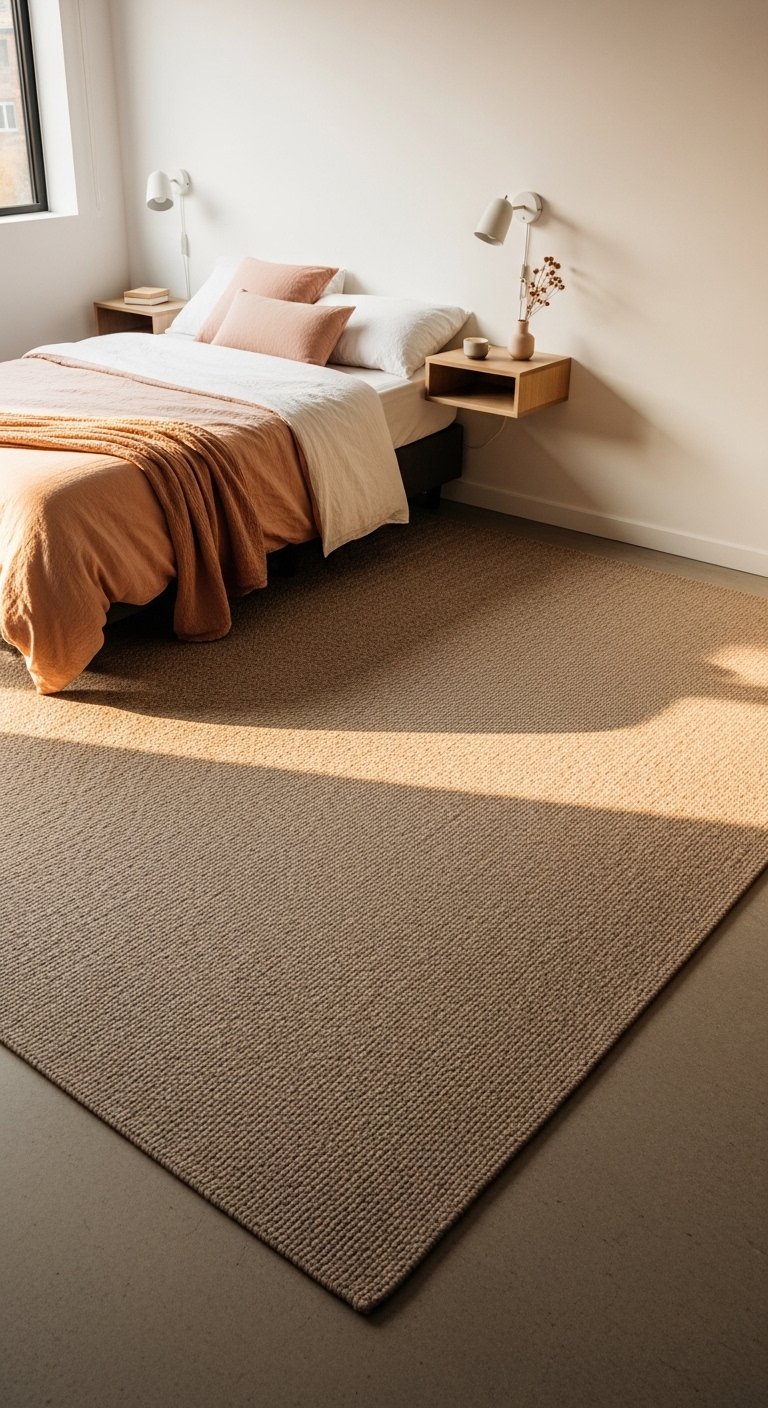
In a studio or open-plan small space, a rug defines the sleeping zone without walls or dividers.
Choose a rug that fits under the bed and extends out on both sides. This grounds the space and makes the room feel purposeful and designed.
A rug that’s too small looks like an afterthought. Size up if you’re unsure.
18. Keep Your Color Palette Tight
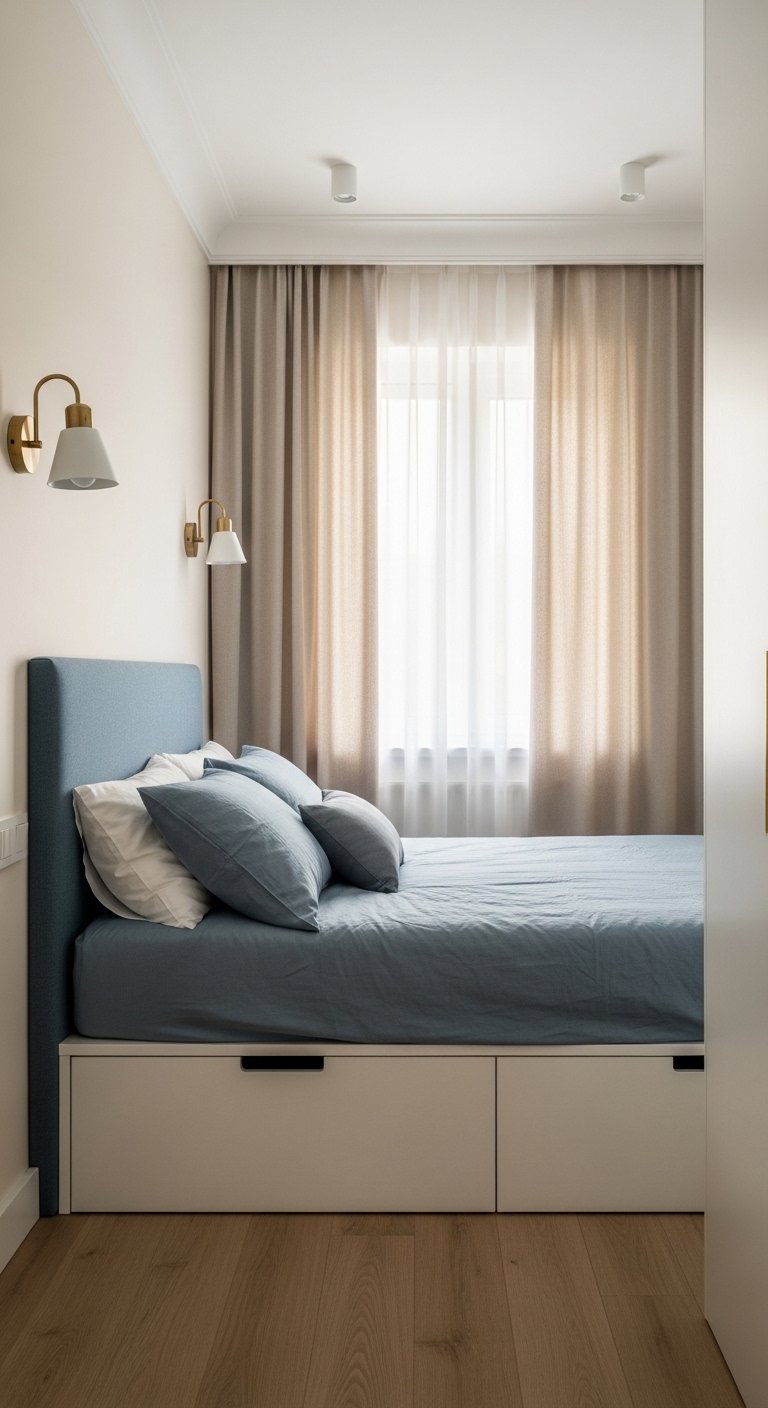
Three colors maximum. Pick one dominant, one secondary, one accent.
More colors in a small room create visual noise, which makes the space feel smaller and busier than it is.
This applies to bedding, walls, furniture, and decor. Discipline here pays off visually.
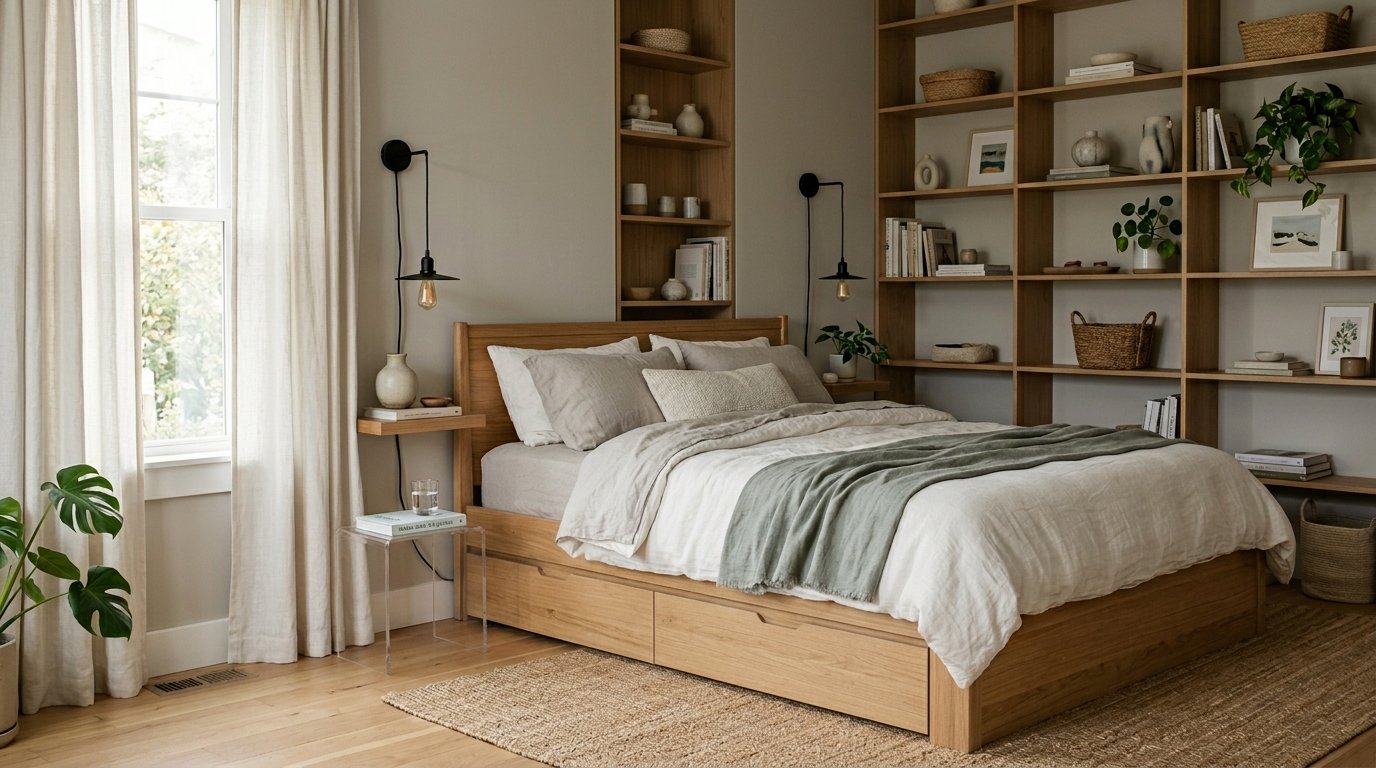
19. Use Built-In Shelving Around the Bed
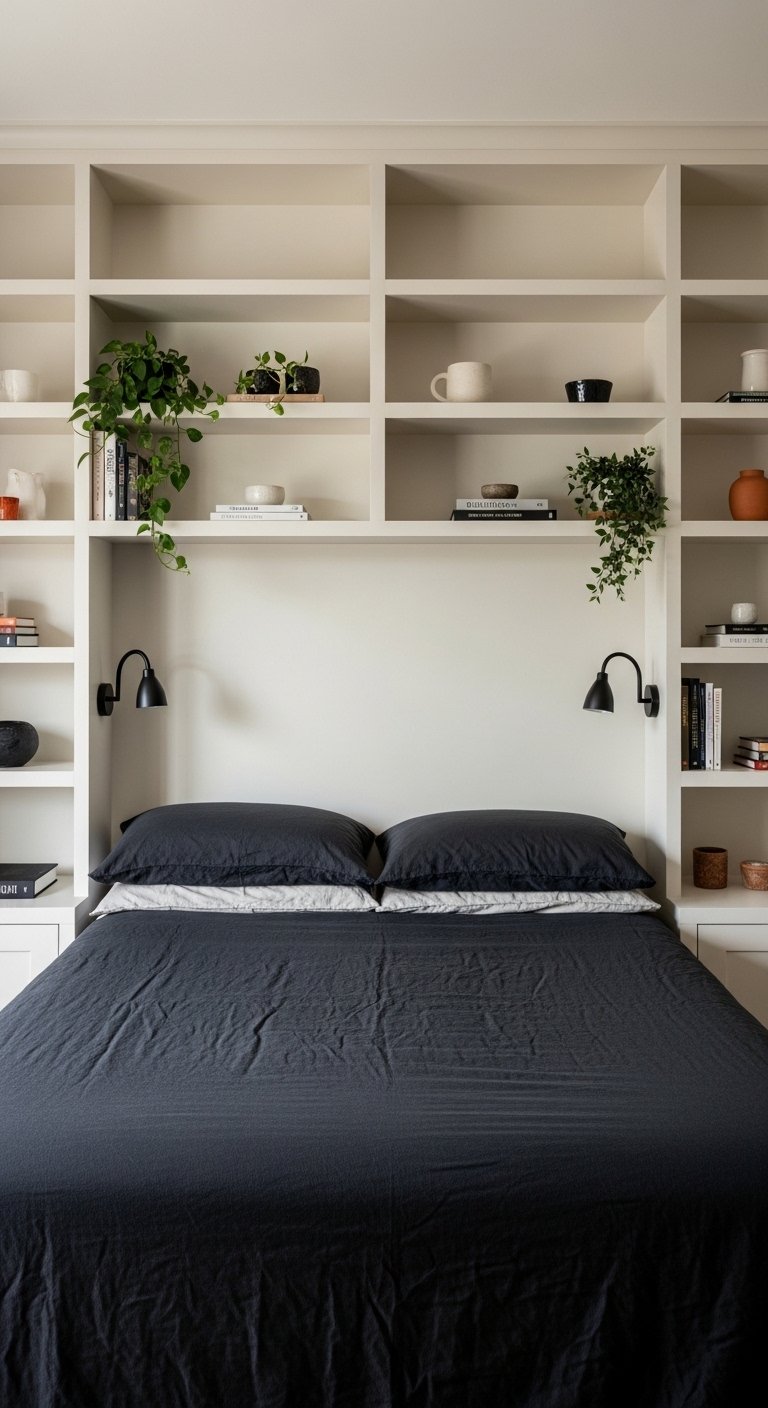
If you have zero floor space left, go built-in around the bed itself.
Shelving built into the wall on both sides of the headboard, and above it, creates a built-in storage unit that uses space that would otherwise be an empty wall.
This is a commitment, but it’s one of the highest-impact changes you’ll make in a small bedroom.
20. Hang Lighting Instead of Using Floor Lamps
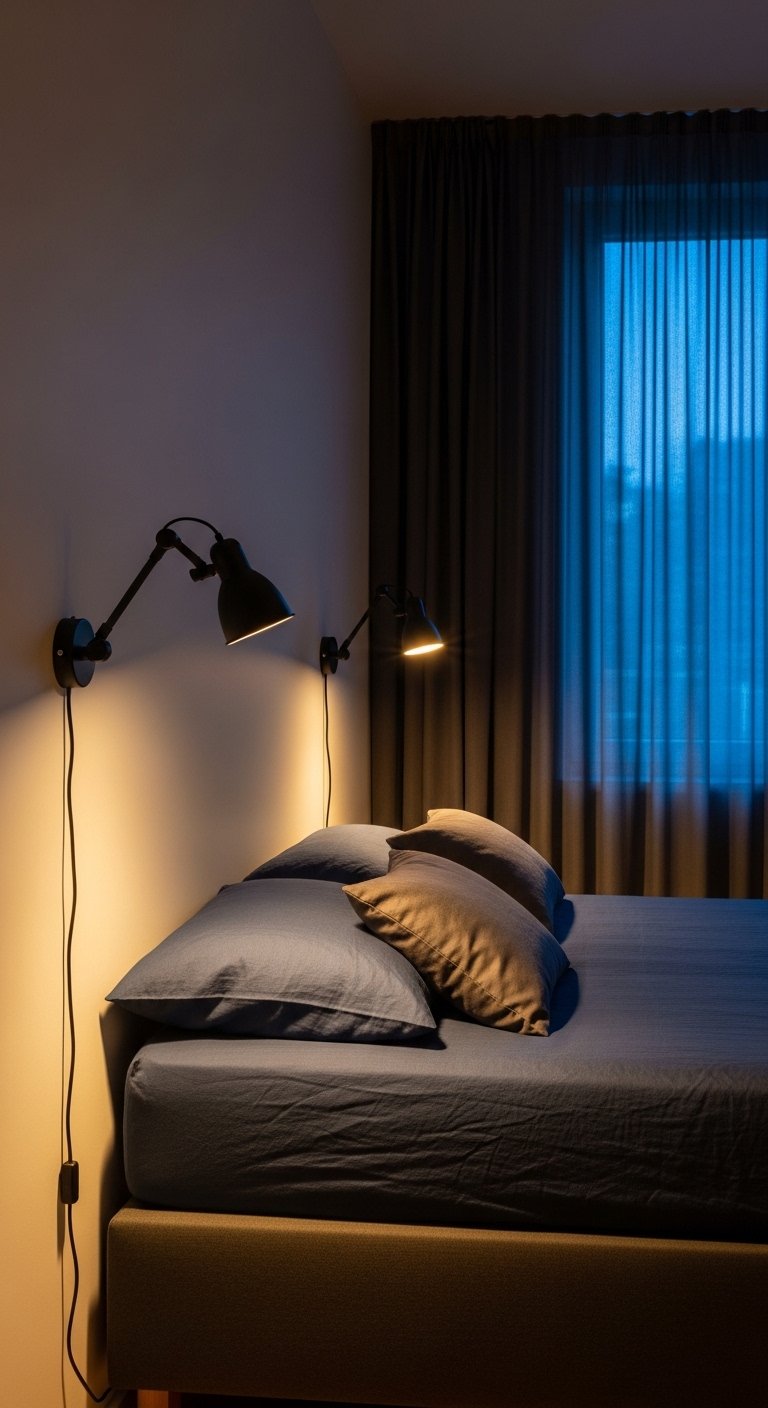
Floor lamps use floor space. Wall-mounted or pendant lights do not.
Swap floor lamps for wall-mounted reading lights on either side of the bed. They give you the same function and free up two spots on your floor.
This is a small change with a meaningful impact on how open the room feels.
21. Use Transparent Furniture
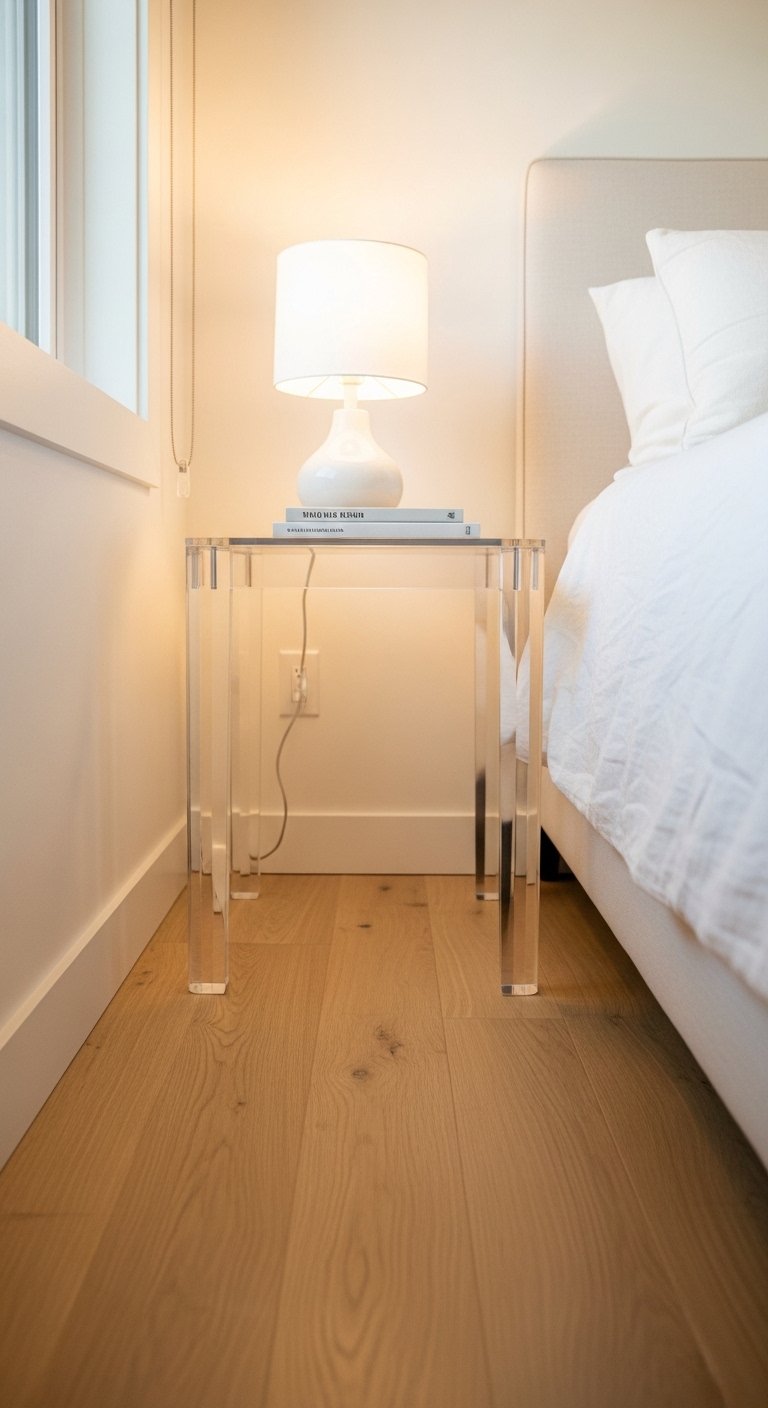
Furniture you see through doesn’t visually block space the way solid furniture does.
A clear acrylic chair or side table takes up physical space but almost no visual space. Your eye passes through it and reads the room as more open.
This works best as an accent piece, not as your entire furniture strategy. FYI, acrylic furniture scratches easily, so factor that into your decision.
22. Invest in Custom Storage Solutions
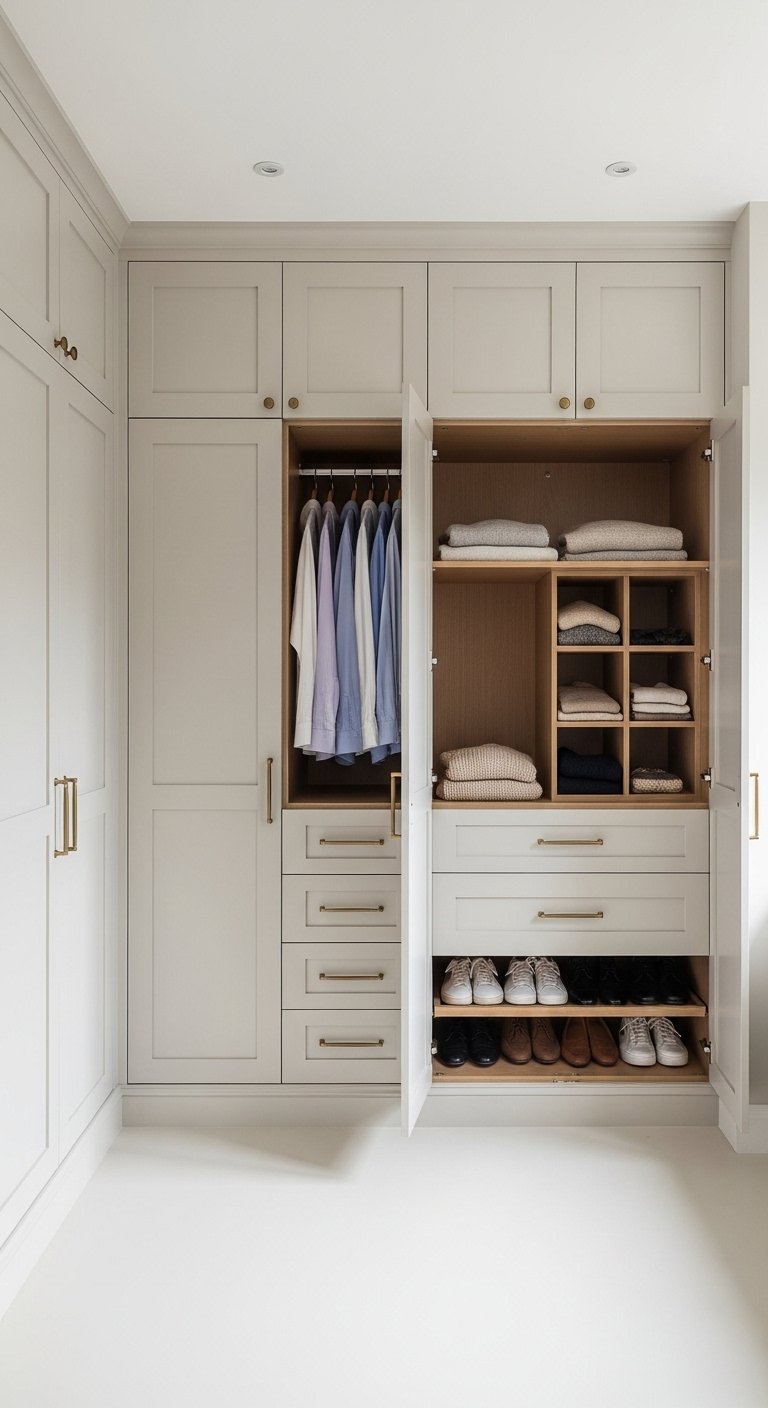
Generic storage furniture rarely fits a small room well. Custom solutions do.
A custom-built wardrobe or closet system uses every centimeter of your specific space, from floor to ceiling, wall to wall.
Yes, it costs more upfront. It also eliminates wasted space that generic furniture leaves behind. Over years of use, it’s worth it.
23. Keep the Floor as Clear as Possible
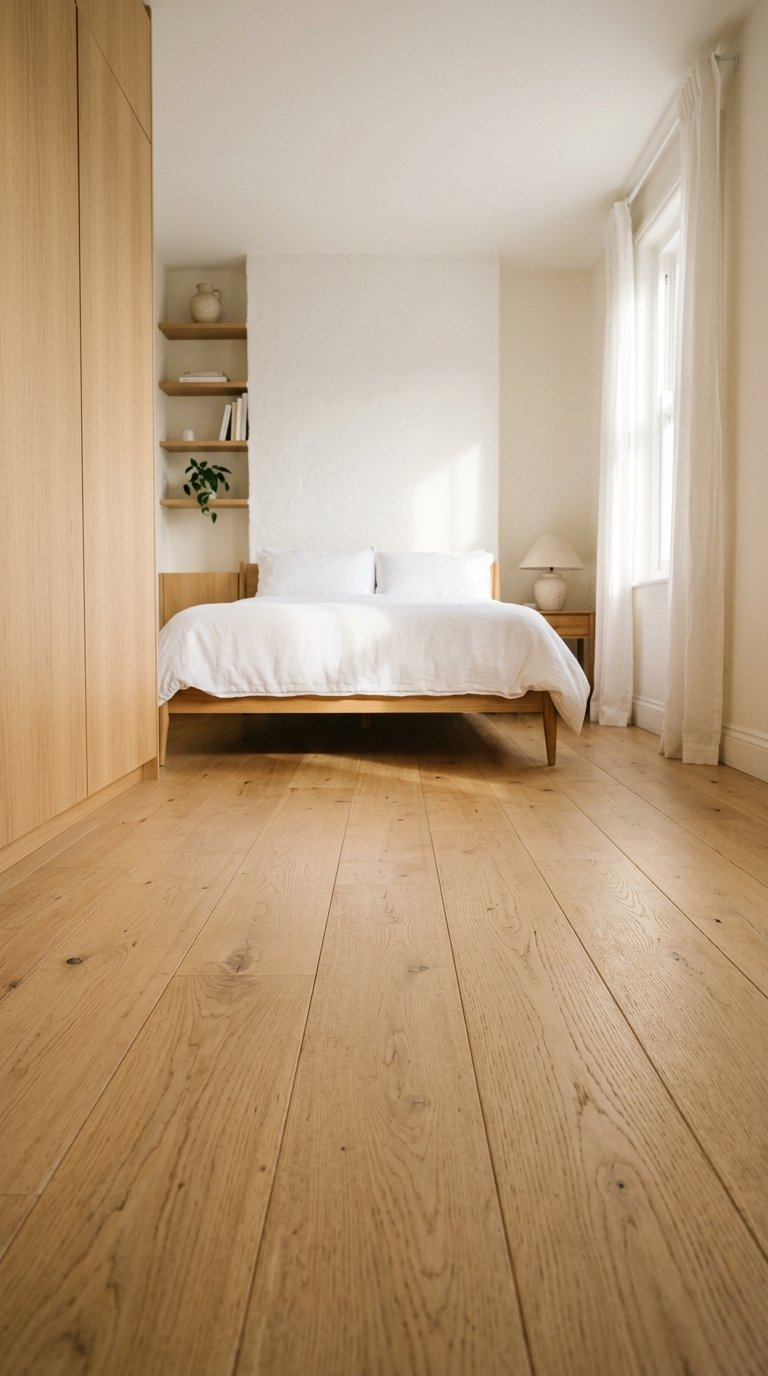
The more floor you see, the larger the room feels. This is the simplest rule in small-space design.
Every item on the floor competes with the perception of space. Move things to walls, shelves, under-bed storage, and built-ins wherever possible.
Walk into your room and count how many things touch the floor. Your goal is to reduce that number as far as you realistically can.
Final Thoughts
A small bedroom isn’t a problem to apologize for. It’s a constraint that forces better decisions.
The ideas above share one common thread: they use space with intention. Nothing is there by accident. Nothing wastes space it doesn’t need to use.
Start with the highest-impact changes first: storage bed, wall-mounted lights, vertical shelving, light colors. Then work through the rest as your budget and time allow.
The room you want is a series of deliberate choices away. Start making them.