21 Backyard Oasis Ideas to Transform Your Outdoor Space
Most backyards sit underused because they never quite become a place people want to be. They’re functional grass rectangles, not destinations. Turning your backyard into an oasis doesn’t require a landscape architect or a home equity loan. It requires making deliberate decisions about zones, materials, light, water, and greenery that work together to create the feeling of somewhere worth staying. These 21 ideas do exactly that.
1. Define Zones With Different Ground Materials
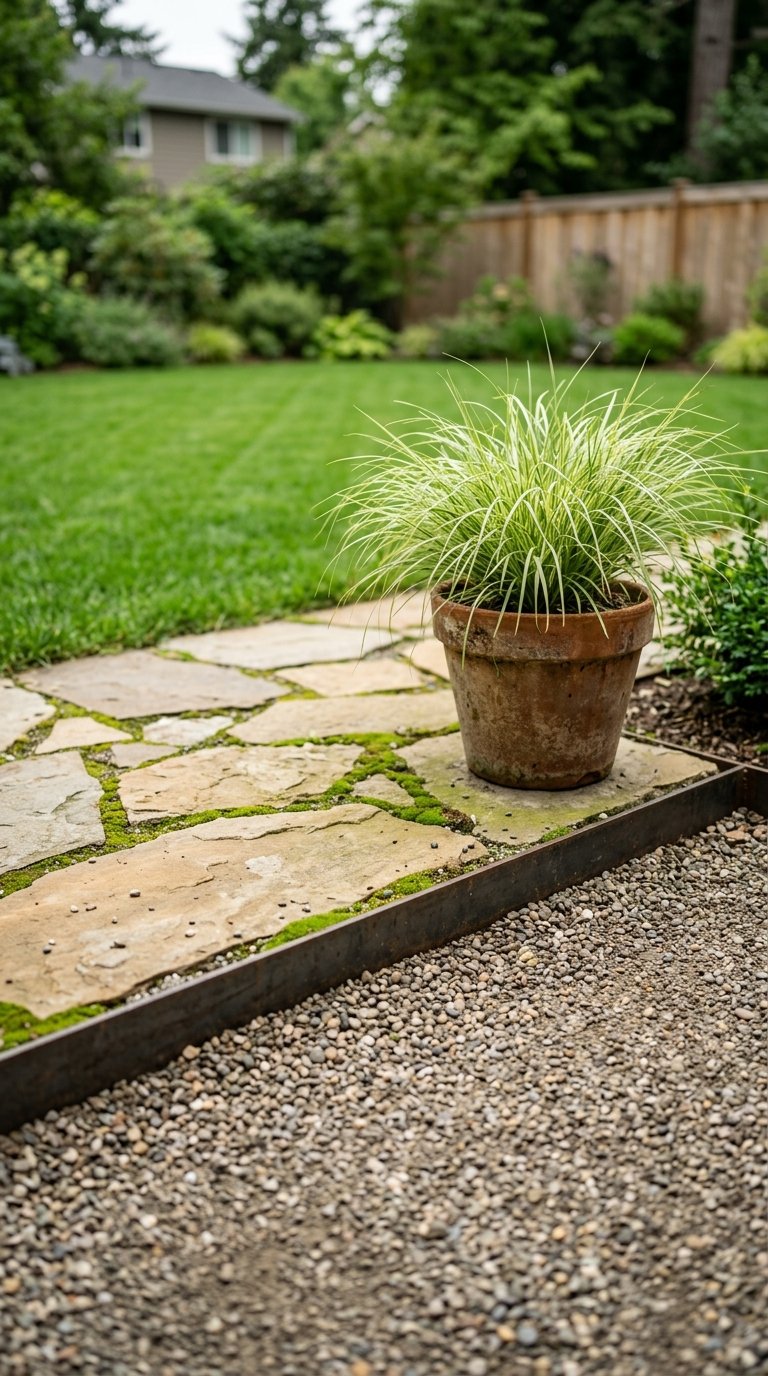
A backyard without zones feels like one large, purposeless outdoor room. Defining separate zones for dining, lounging, and garden using different ground materials, concrete pavers, gravel, grass, and deck tiles, gives each area its own identity while the transitions between them create visual interest.
Use decomposed granite for relaxed lounge areas, concrete pavers for dining zones, and soft lawn or artificial turf for any open play space. The material contrast alone communicates zone separation without fences or dividers. A 10×10-foot decomposed granite lounge area costs $80 to $150 in materials and installs in a weekend with two people and a tamper.
2. Install a Pergola as Your Backyard’s Architectural Anchor
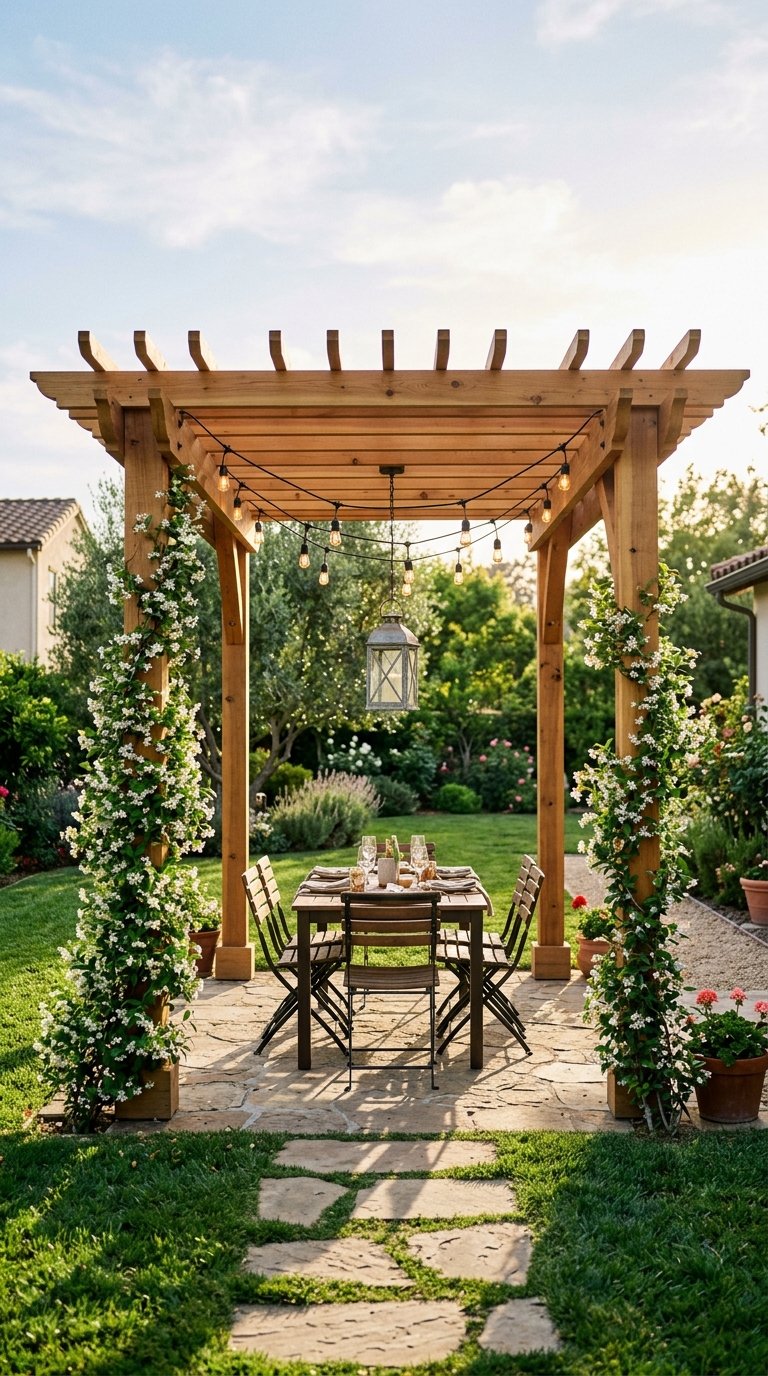
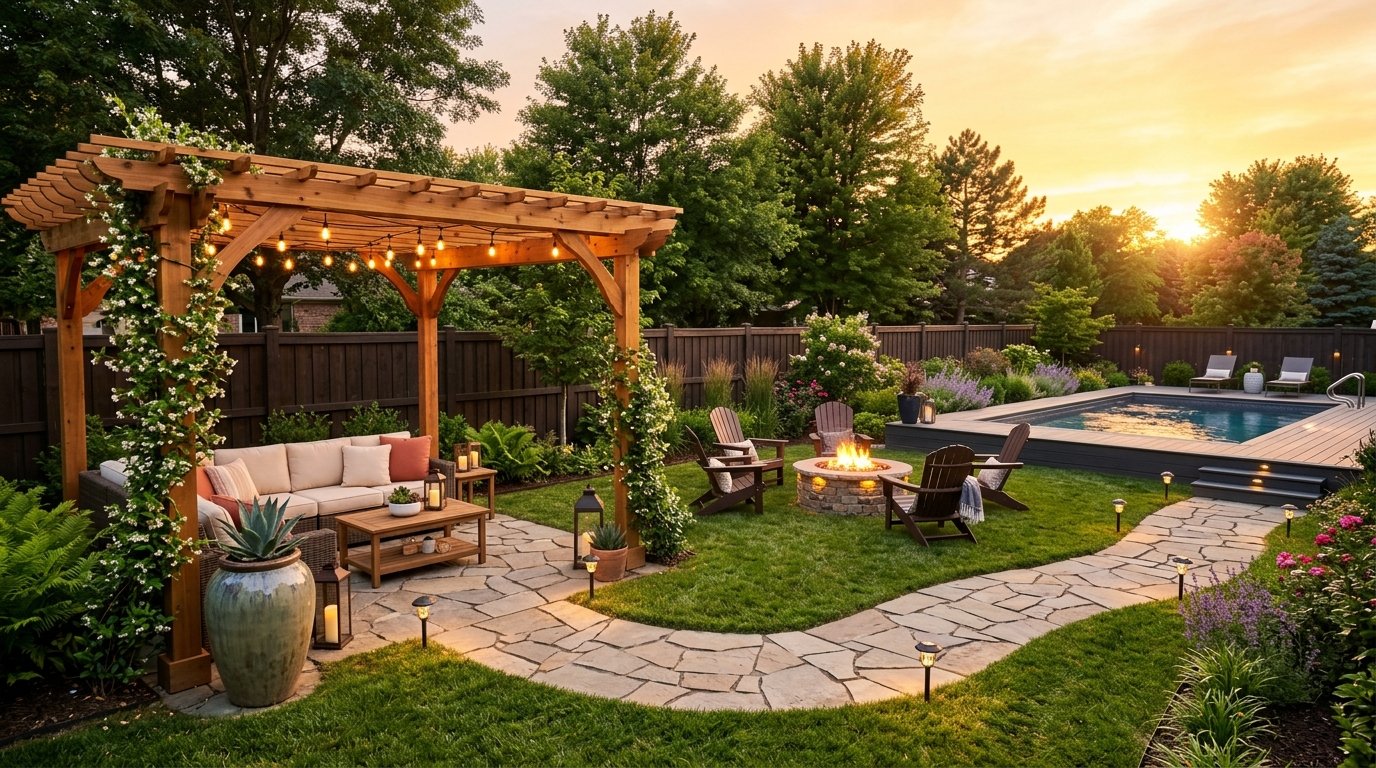
A backyard without a vertical structure lacks the architectural weight that makes outdoor spaces feel intentional rather than provisional. A pergola adds overhead definition, a framework for string lights and climbing plants, and a sense of enclosure without walls that transforms an open yard into an outdoor room.
Freestanding cedar or redwood pergola kits at Home Depot run $800 to $2,500 for a 10×12-foot structure and install over a single weekend with two people. Aluminum pergola kits cost more upfront at $1,500 to $4,000 but require zero maintenance and outlast wood by decades in humid climates. For most homeowners, cedar offers the best balance of cost, aesthetics, and 15 to 20-year lifespan with annual sealing.
3. Add a Swimming Pool or Plunge Pool
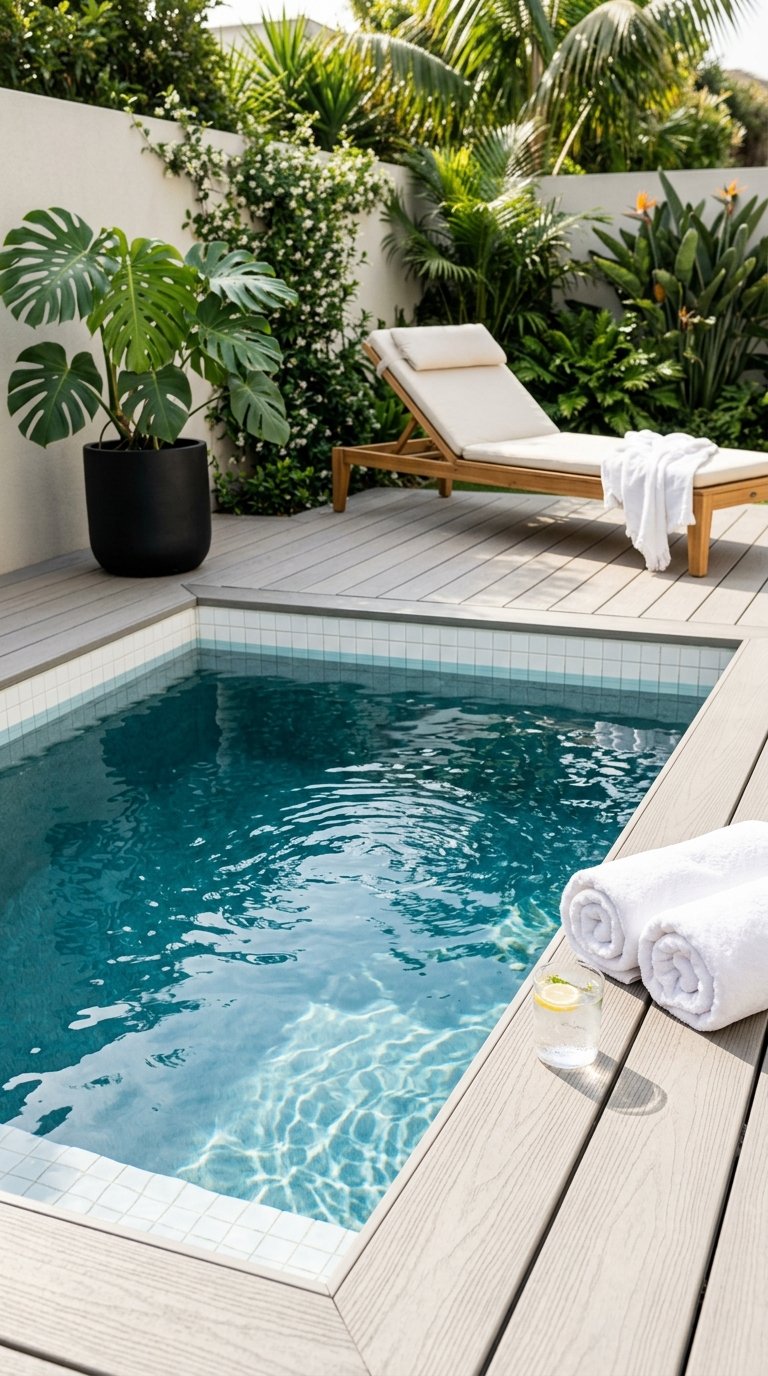
Nothing transforms a backyard into an oasis faster or more completely than water you get into. A full in-ground pool runs $35,000 to $65,000 installed, which puts it out of reach for most budgets. An above-ground pool at $500 to $5,000 delivers the same function for a fraction of the cost but carries a stigma it doesn’t entirely deserve.
A plunge pool is the strongest middle-ground option. At 8 to 12 feet long and 6 feet wide, a plunge pool costs $10,000 to $25,000 installed, fits in compact backyards, and functions as both a cooling pool in summer and a hydrotherapy pool year-round. Pair it with a surrounding deck in composite material at $15 to $25 per square foot and you have a resort-level water feature in a realistic residential footprint.
4. Build an Outdoor Kitchen With a Built-In Grill
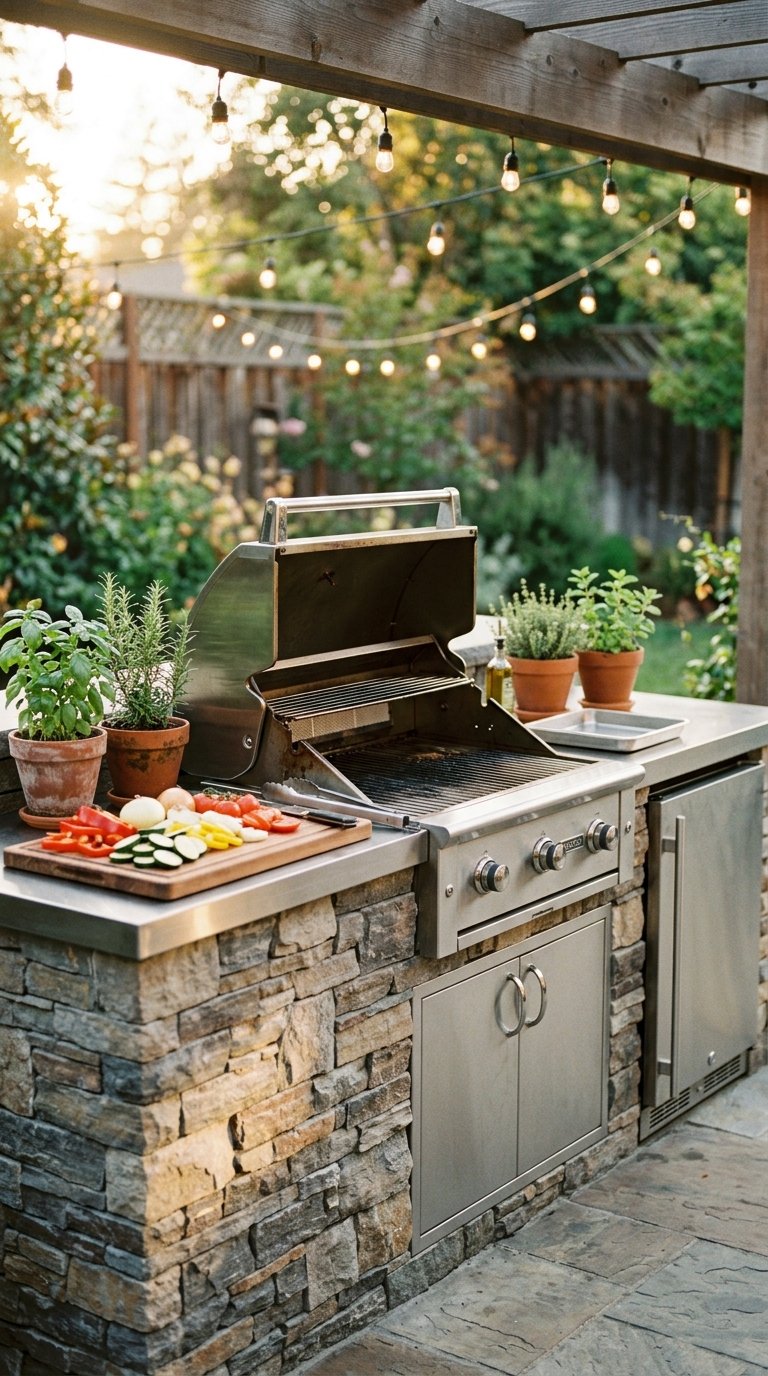
An outdoor kitchen anchors your backyard as a genuine entertaining destination. It keeps the cook outside with the guests rather than shuttling back and forth to an indoor kitchen, which is the single biggest social problem with traditional backyard barbecuing.
A basic built-in outdoor kitchen with a natural gas grill, two stainless counter sections, and a small refrigerator runs $3,000 to $8,000 installed. A modular outdoor kitchen using pre-built stainless steel cabinet units from brands like Bull or Lynx costs $1,500 to $4,000 in materials with a DIY install weekend. Both options add measurable resale value: the National Association of Realtors consistently rates outdoor kitchens among the top five outdoor improvements for ROI. FYI, natural gas grills outperform propane for outdoor kitchen installations because they eliminate the tank-refill interruption mid-cookout.
5. Create a Fire Pit Gathering Area
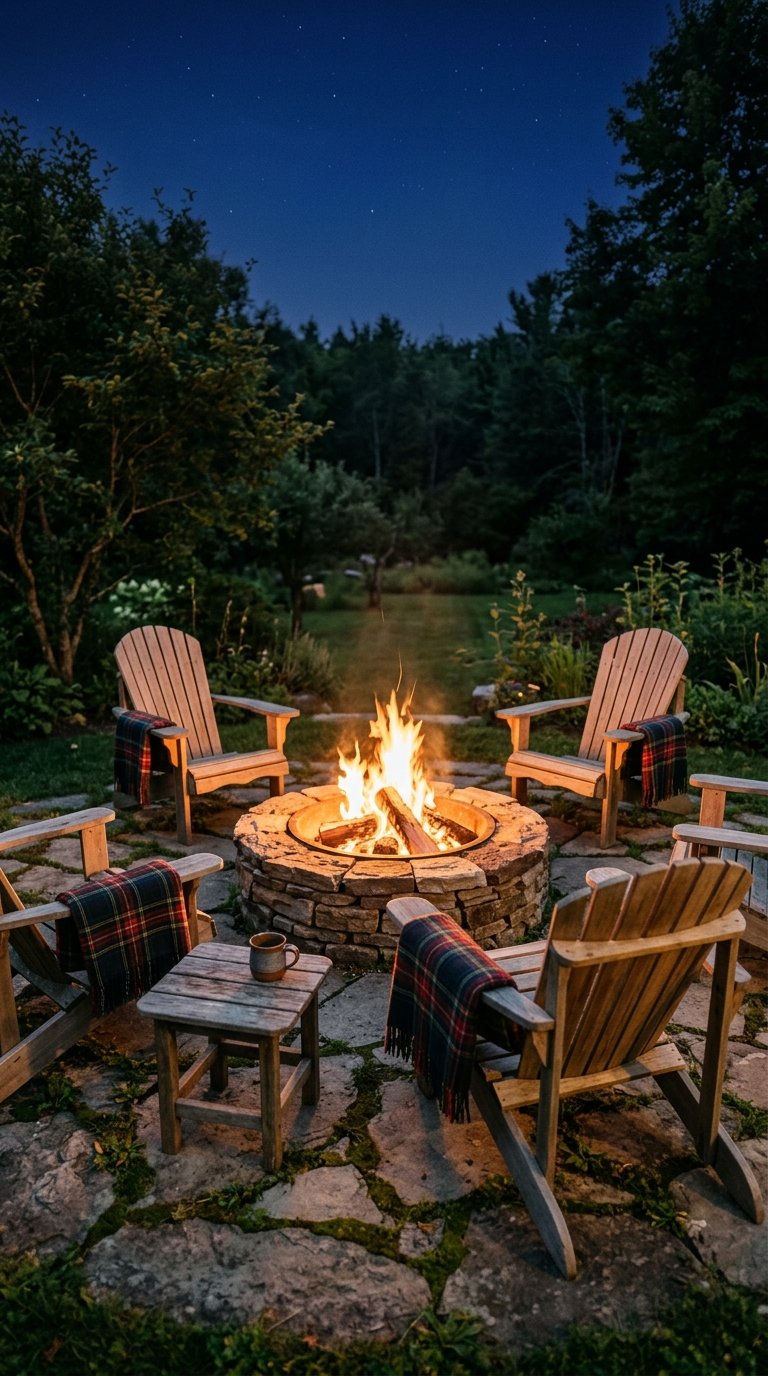
A fire pit gathering area is the one backyard feature that works from early spring through late fall, extends outdoor evenings by hours, and requires no ongoing subscription or electricity bill to operate. It solves the “there’s nothing to do outside after dark” problem permanently.
A DIY stacked stone or brick fire pit costs $50 to $200 in materials and takes four hours to build on a gravel base. A prefabricated steel fire pit bowl runs $80 to $250 at any hardware or garden store. Position it at the center of a circular seating arrangement with chairs pulled 3 to 4 feet from the rim. Add a gravel or flagstone ground treatment in a 12-foot diameter around it for a finished gathering area that costs under $500 total.
6. Plant a Privacy Hedge Along Your Boundary
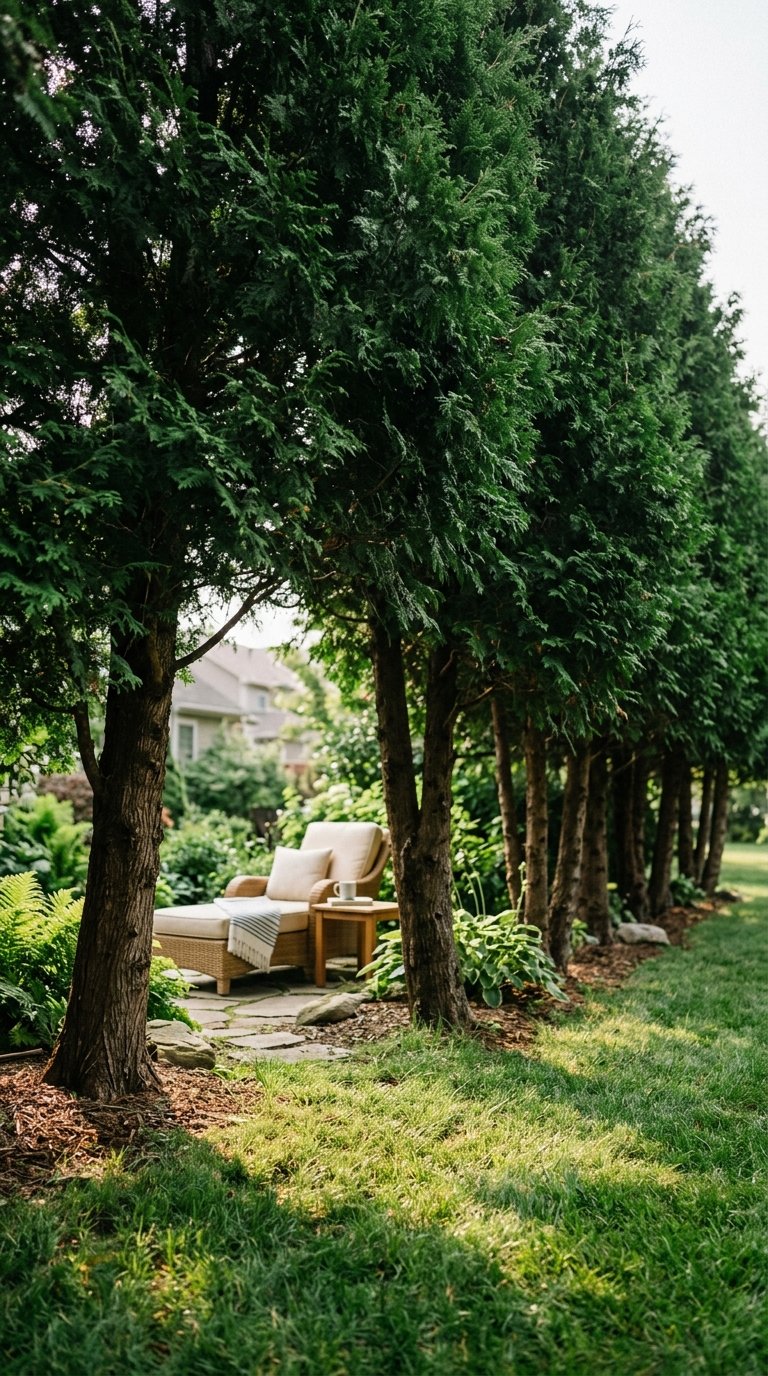
The single most common reason people don’t use their backyard is lack of privacy. A yard where neighbors have a clear view discourages relaxed use, outdoor dining, and pool enjoyment regardless of how well you designed everything else.
Arborvitae “Green Giant” grows 3 to 5 feet per year and reaches 30 feet at maturity, making it the fastest privacy hedge available in most USDA zones. Plant them 5 feet apart in a single row along your property line. A 6-foot nursery arborvitae costs $60 to $90. A 50-foot privacy border requires 10 trees at a total cost of $600 to $900, delivering complete visual privacy within two growing seasons.
7. Install Landscape Lighting Throughout the Yard
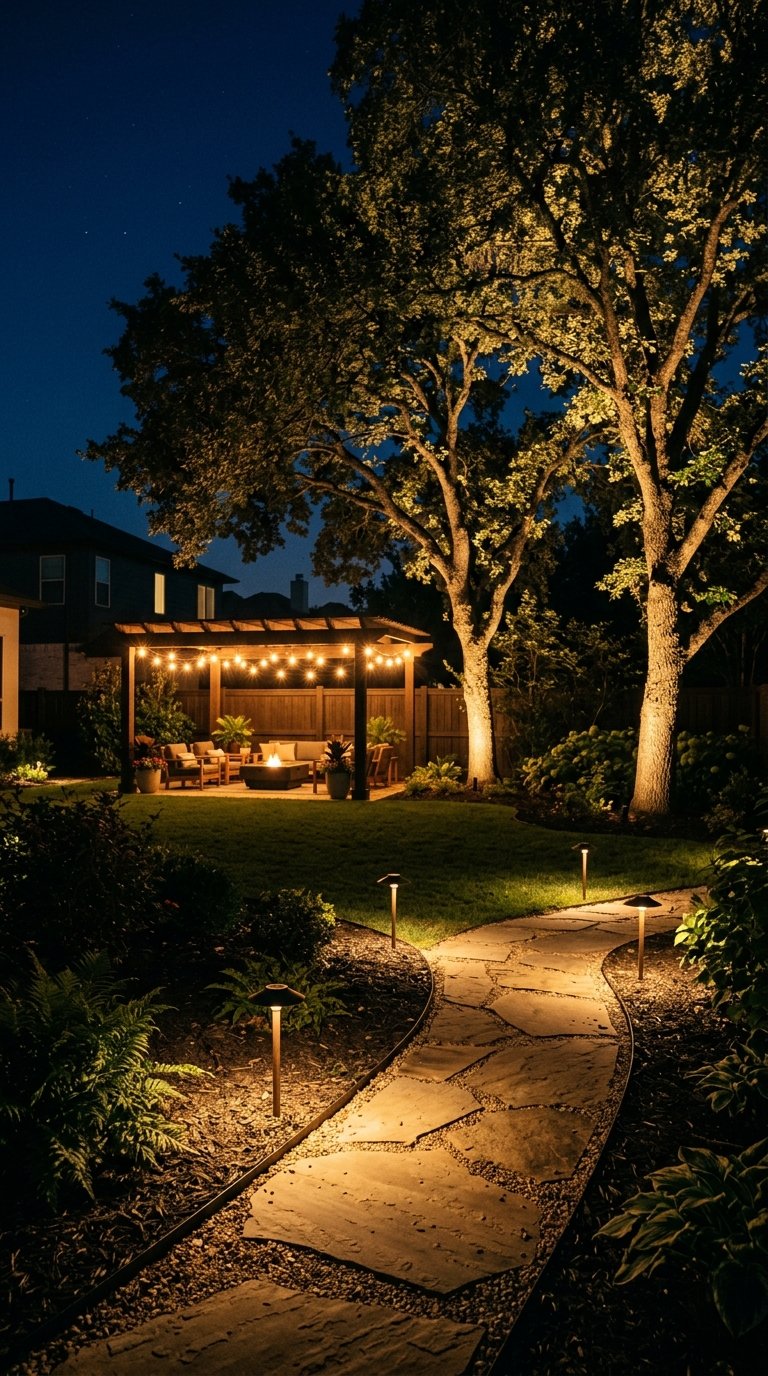
A backyard that goes dark at sunset stops being a backyard and becomes a lawn you walk past. Landscape lighting extends outdoor usability into evening hours and creates the layered, resort-like ambiance that makes a backyard feel worth investing in.
Layer three types of lighting for maximum impact:
- Path lights at 18-inch intervals along walkways for safety and definition
- Uplights at the base of trees and large shrubs to create dramatic height
- String lights on the pergola or fence line for ambient warmth
A complete landscape lighting system using solar or low-voltage LED fixtures runs $200 to $600 in materials for an average backyard and installs without an electrician.
8. Add a Hot Tub or Spa
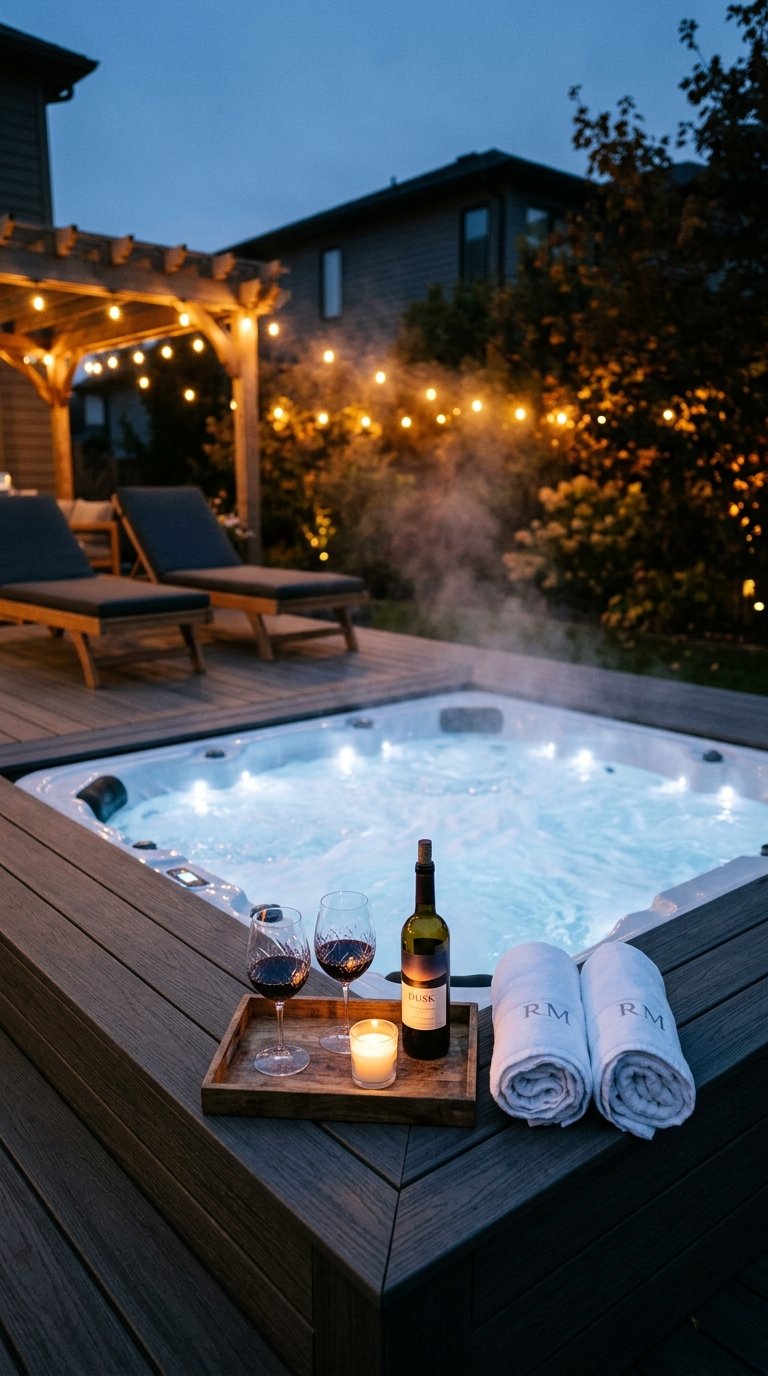
A hot tub in a backyard oasis does something a pool alone doesn’t: it creates a reason to be outside in every season, including winter. Hot tub use in cold months is one of the strongest arguments for outdoor investment because it generates daily use rather than seasonal use.
A portable plug-in hot tub at 110V runs $3,000 to $6,000 and requires no electrical upgrade. A hardwired 240V hot tub at $5,000 to $12,000 heats faster and runs more efficiently over time. Place it within 10 feet of the house so the walk from door to tub in winter weather doesn’t defeat the purpose. Surround it with a 4-foot composite deck border for a finished installation that looks permanent from day one.
9. Build a Raised Garden Bed Vegetable Garden
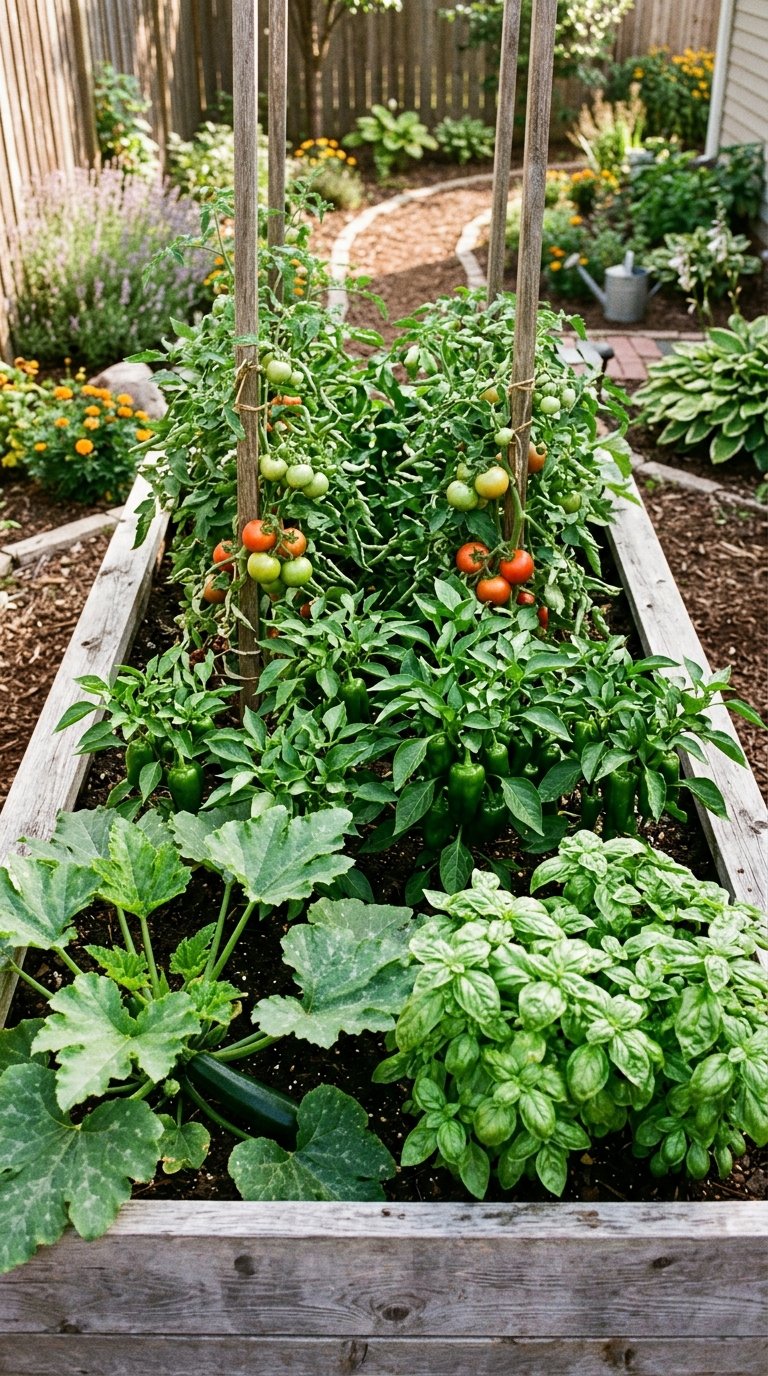
A productive vegetable garden in a backyard oasis gives you a daily reason to walk outside, engage with the space, and leave with something tangible. Unlike decorative gardens, a vegetable garden earns its space financially. A well-managed 4×8-foot raised bed produces $300 to $600 worth of vegetables per season on a $50 to $80 material investment.
Cedar raised beds resist rot for 10 to 15 years without chemical treatment. Build or buy a 4×8-foot cedar raised bed kit at $60 to $100, fill it with a 60/40 blend of topsoil and compost, and plant tomatoes, peppers, zucchini, and herbs in the first season. Those four crops produce reliably in most climates with minimal care and deliver the highest yield-per-square-foot ratio of any vegetable garden combination.
10. Hang a Hammock in a Shaded Tree Corridor
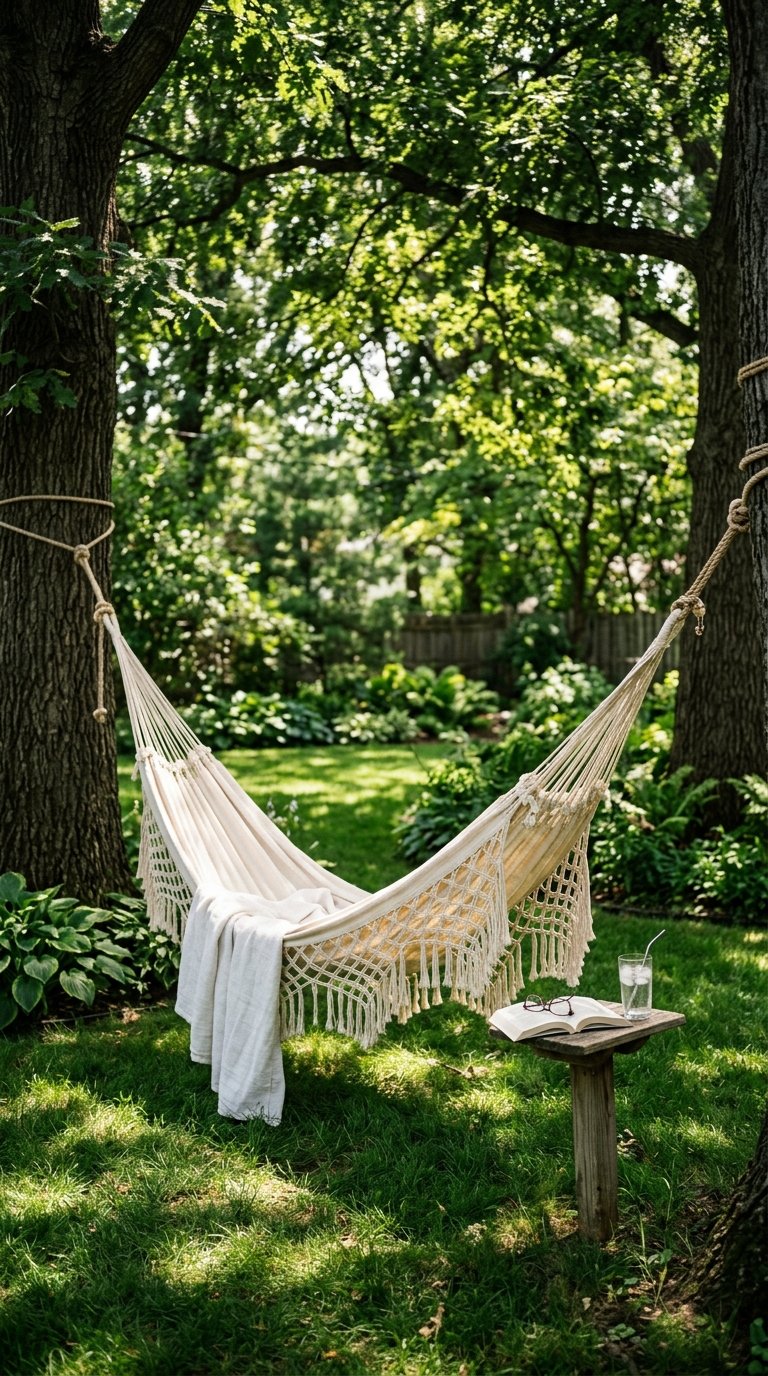
Two trees spaced 12 to 15 feet apart and a $50 hammock create a relaxation zone that competes with any expensive outdoor furniture arrangement for actual daily use. The hammock wins on comfort-per-dollar by a margin that would embarrass most patio furniture retailers.
A Brazilian cotton hammock supports 400 to 500 pounds and lasts eight to ten years with seasonal indoor storage. Use tree straps rated for 1,000 pounds rather than rope directly on bark. Hang the hammock at a 30-degree angle from horizontal, which creates the curved lay that makes it sleep-comfortable rather than spine-destroying. Add a small side table on a stake in the ground beside it and the hammock corner becomes your most used outdoor spot.
11. Create a Meditation or Yoga Zone With Decomposed Granite and Gravel
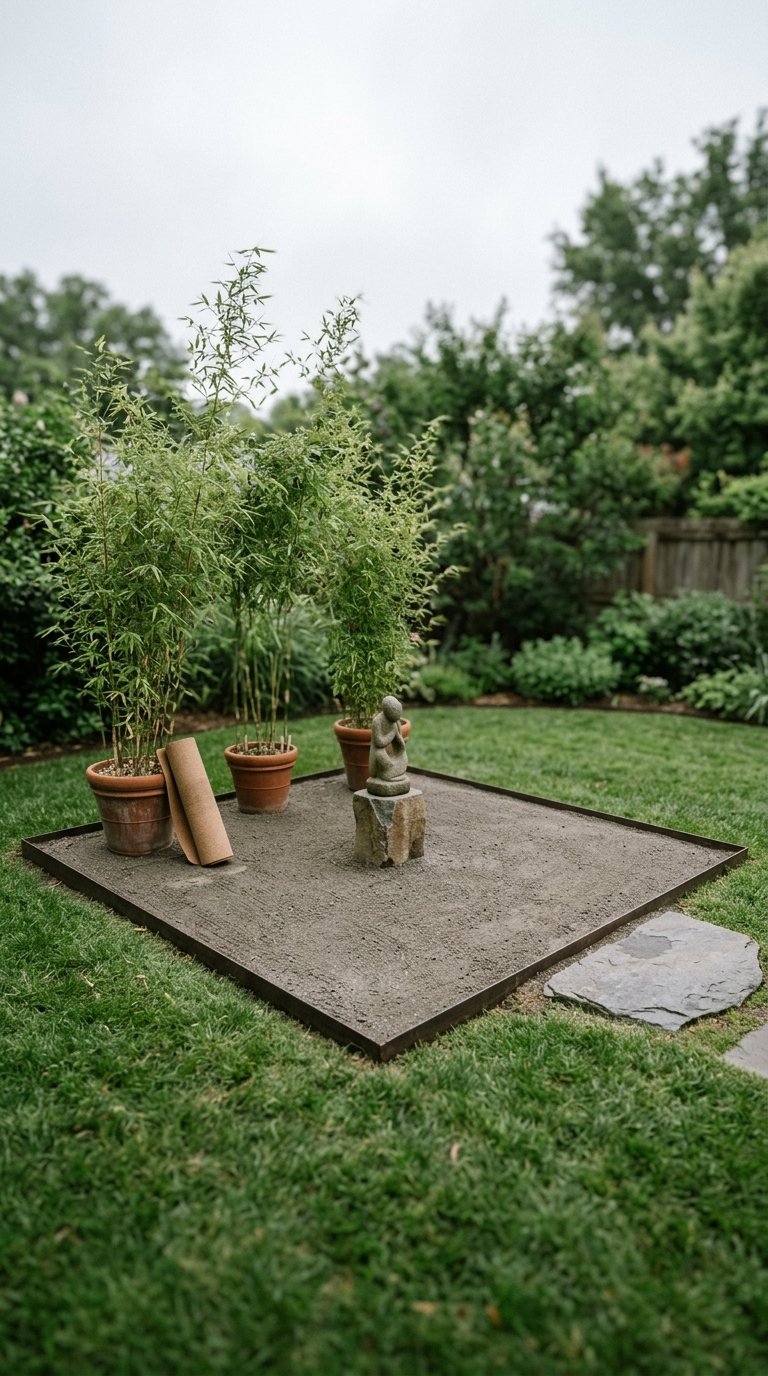
A dedicated quiet zone separated from the main activity areas of your backyard serves a specific function no other outdoor space does: it gives you a place to go when you need to stop rather than do. A meditation or yoga space communicates the oasis quality of your backyard better than any other single element.
Define the zone with a 10×10-foot rectangle of fine decomposed granite or white gravel, bordered by landscape edging at $1.50 per linear foot. Add a large flat stepping stone at the entry, a small Buddha or garden sculpture as a focal point, and two or three potted bamboo plants for height and gentle sound. Total cost: $100 to $200 for a dedicated restorative space that costs nothing to maintain.
12. Install a Water Feature With a Recirculating Pump
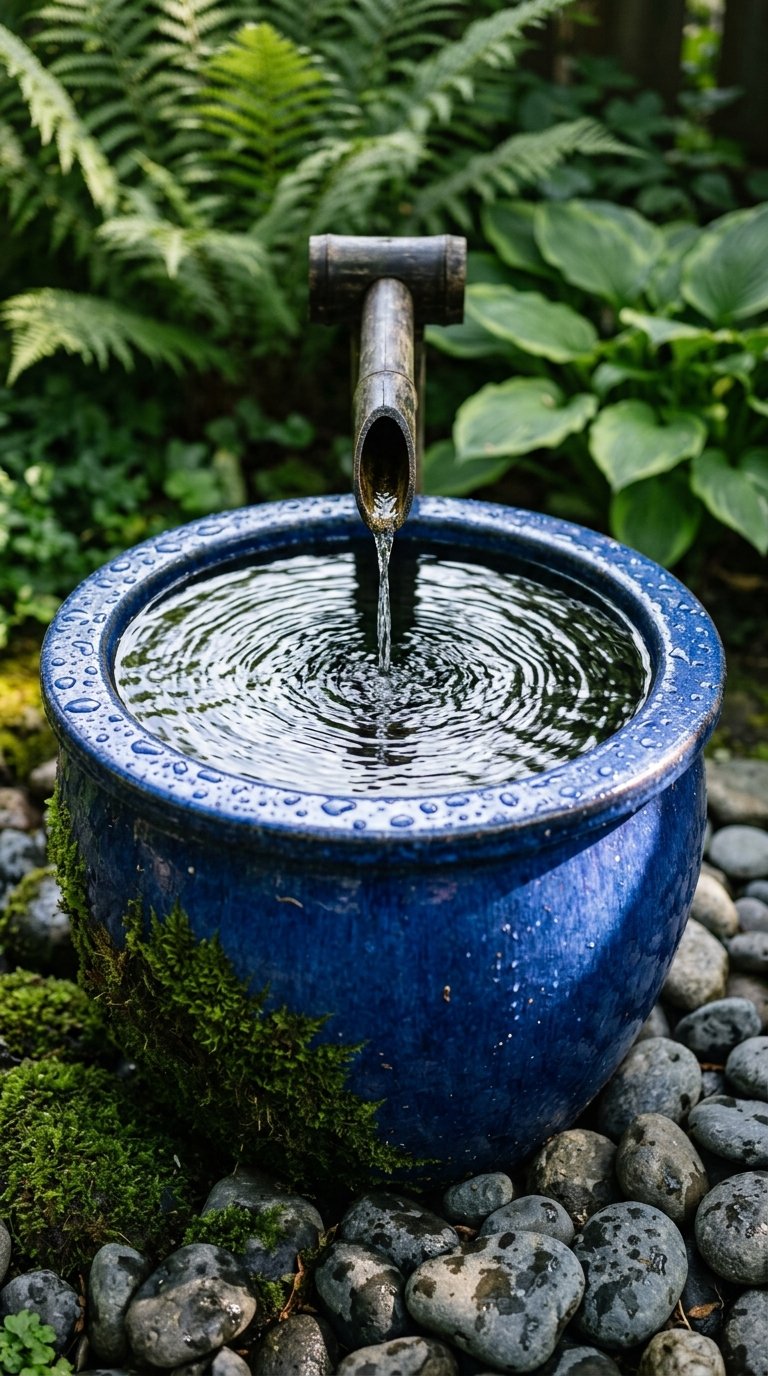
Moving water in a backyard changes the sensory quality of the entire space. It masks street noise, creates a constant ambient sound that promotes relaxation, and draws birds and beneficial insects to your yard. A water feature doesn’t need to be a pond or a waterfall to deliver these benefits.
A large glazed ceramic pot with a submersible recirculating pump creates a self-contained fountain for $60 to $120 total. A stacked stone pondless waterfall feature runs $300 to $800 in materials and installs in a weekend. Both options operate on a standard outdoor outlet and cost about $3 to $5 per month in electricity. Position your water feature within earshot of your primary seating zone so the sound reaches you without requiring volume that overwhelms conversation.
13. Add a Shade Structure With a Sail or Cabana
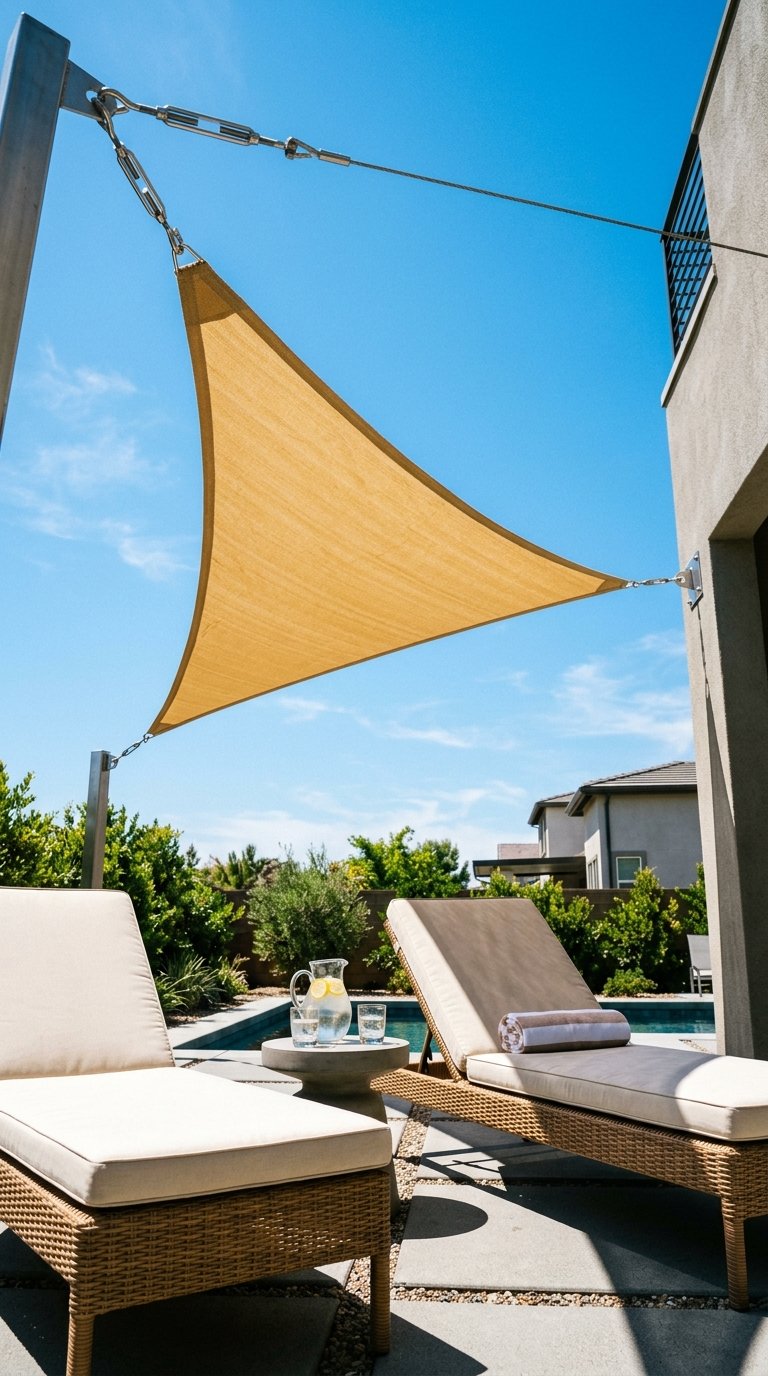
Direct midday sun renders most backyards unusable from late morning through mid-afternoon during peak summer. A shade structure solves this without the cost or permanence of a full pergola build.
A shade sail in UV-blocking HDPE fabric covers 12 to 20 square feet, installs in two hours with three stainless anchor points, and costs $30 to $80. A freestanding cabana frame with a fabric canopy runs $200 to $500 and requires no attachment to your home or fence. Both options reduce the temperature beneath them by 10 to 15 degrees compared to direct sun, measured at ground level. That temperature drop is the difference between a space you avoid and a space you choose.
14. Build an Outdoor Living Room With Weather-Resistant Furniture
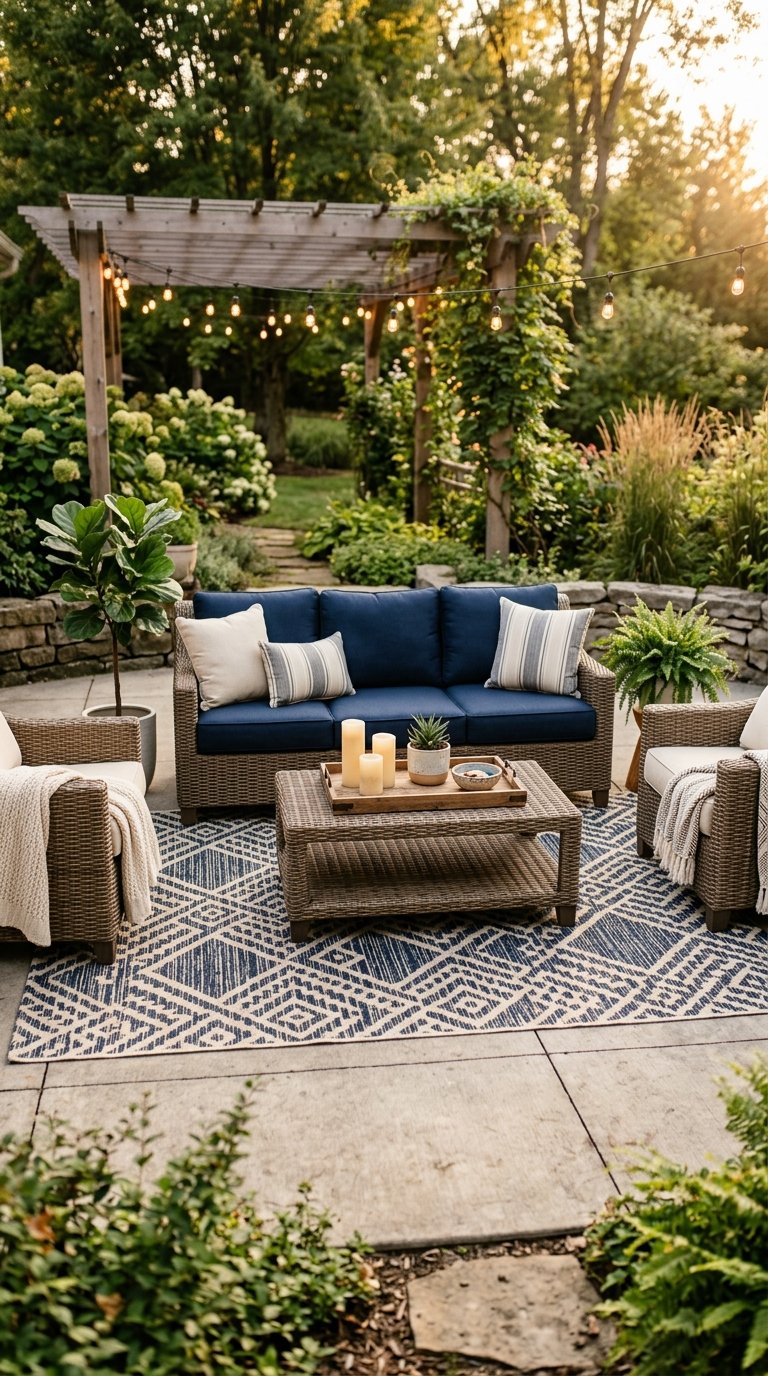
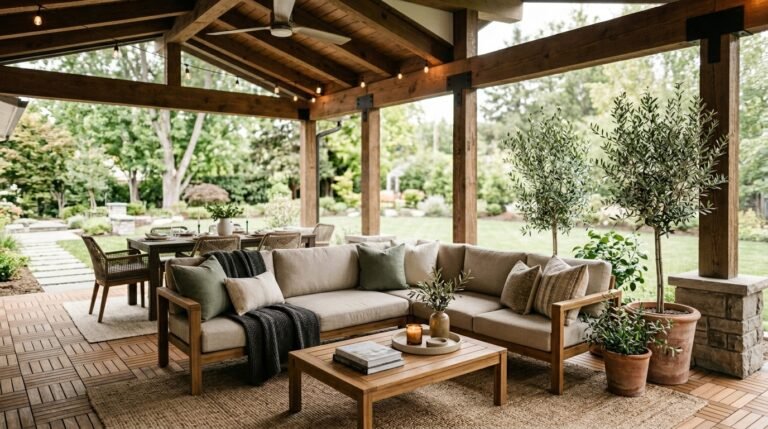
An outdoor living room with a sofa, coffee table, and accent chairs arranged as they would be indoors signals to everyone who sees it that this backyard is a destination, not a lawn with furniture pushed against a wall.
All-weather wicker furniture sets with aluminum frames and solution-dyed acrylic cushions resist fading, mold, and moisture for five to ten years with minimal care. A complete outdoor sofa, two chairs, and coffee table set runs $400 to $1,200 at Costco, Wayfair, or Target. Arrange them on a defined ground surface, whether a deck, pavers, or outdoor rug, so the furniture sits within a room-like boundary rather than floating in open lawn.
15. Plant a Cutting Flower Garden for Indoor-Outdoor Connection
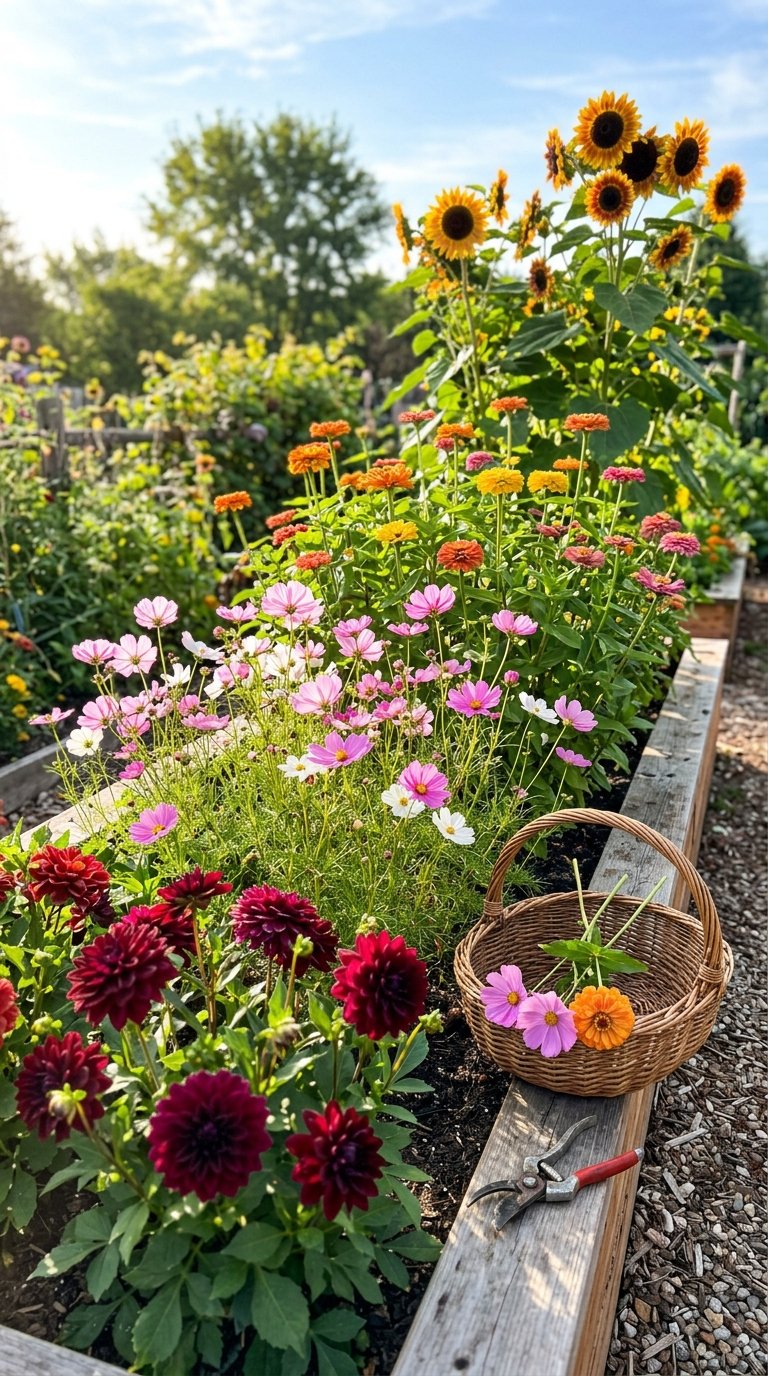
A cutting flower garden in your backyard gives you a renewable source of fresh flowers for your indoor spaces throughout the growing season. It also gives the backyard itself a productive, abundant quality that purely decorative gardens sometimes lack because the harvesting activity connects you to the space regularly.
Zinnias, sunflowers, cosmos, and dahlias are the four most productive cutting flowers for backyard gardens in most North American climates. Plant them in a 4×8-foot raised bed or a 3-foot-wide border along a sunny fence. A packet of each seed costs $2 to $4, and one planting produces cut flowers from June through October. Total seed investment: under $16 for five months of fresh flowers.
16. Set Up an Outdoor Cinema Screen
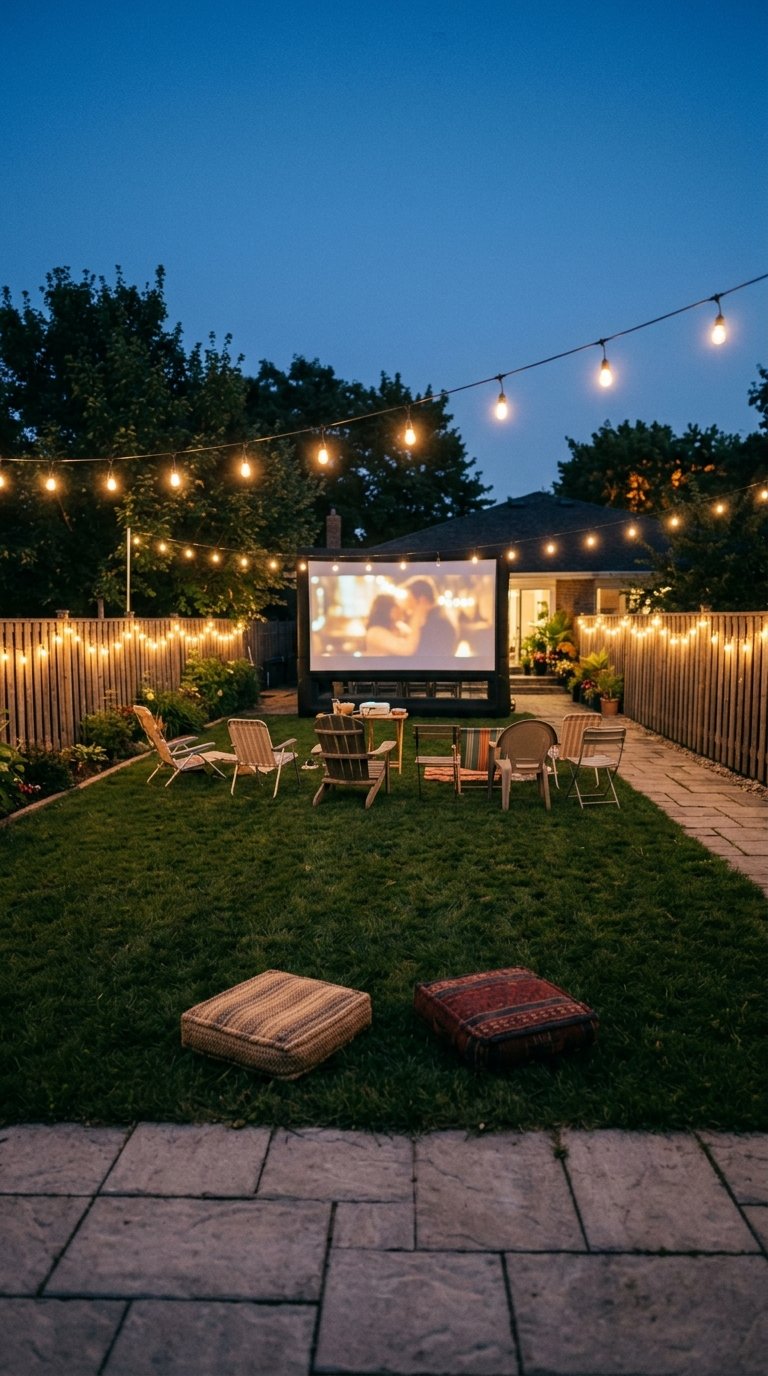
An outdoor cinema setup converts your backyard into an entertainment venue for summer evenings and gives you a compelling reason to spend time outside after dark that requires no particular design skill to execute. IMO, a backyard movie night is the highest social return-on-investment of any outdoor entertainment setup, because guests remember it specifically rather than as a generic gathering.
A 120-inch inflatable projection screen runs $80 to $150 on Amazon. Pair it with a 1080p mini projector at $150 to $250 and a Bluetooth speaker at $40 to $80. The total setup costs $270 to $480, runs off a standard outdoor extension cord, and stores in two medium bags. Set it up in 15 minutes on any flat lawn area behind your main patio zone.
17. Add Outdoor Art and Sculptural Elements
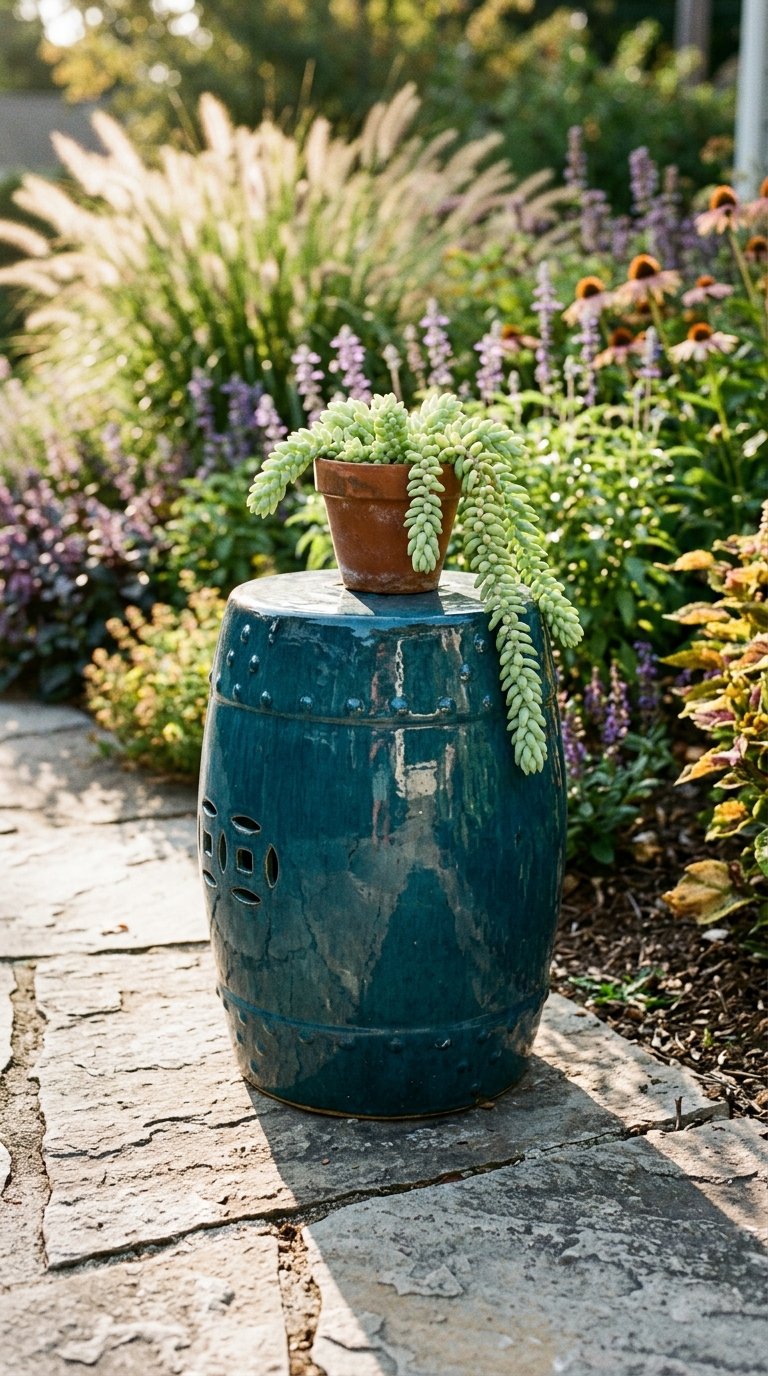
A backyard without any art or sculptural element looks like a yard. A backyard with one or two deliberate art pieces looks like a designed space. The distinction matters because designed spaces communicate intention, and intention is what makes a backyard feel like an oasis rather than outdoor real estate.
Large ceramic pots as sculptural objects, metal garden art in geometric or organic forms, and carved stone figures all work as outdoor art. One large statement piece outperforms five small decorative objects every time. A 24-inch glazed ceramic garden stool as a sculptural accent costs $40 to $80 at garden centers and functions as both art and occasional side table simultaneously.
18. Install a Bocce Ball or Lawn Game Court
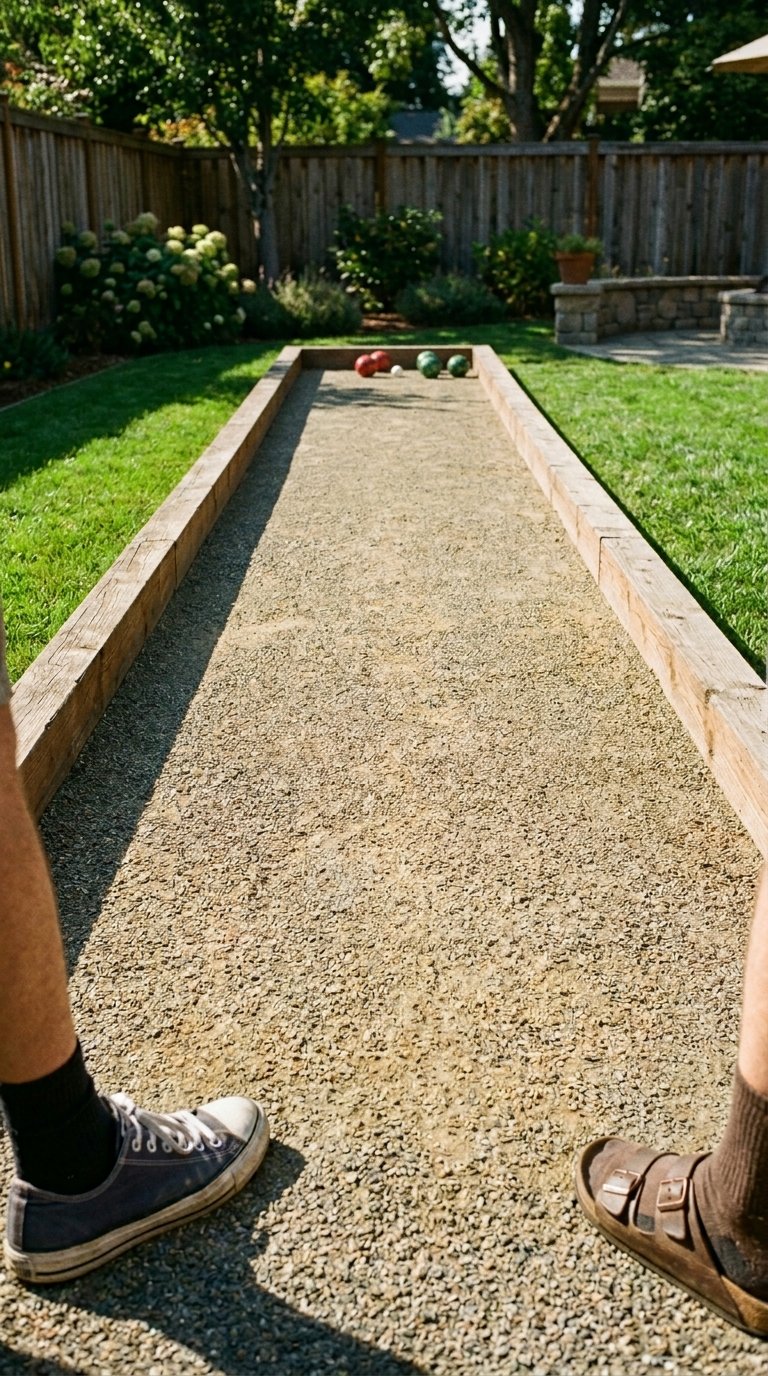
A dedicated lawn game area in a backyard oasis gives guests something to do that doesn’t require screens, electricity, or preparation. Bocce ball courts, croquet lawns, and cornhole areas keep outdoor gatherings active and social for hours beyond what seating alone sustains.
A standard bocce ball court measures 10×60 feet, but a backyard version at 8×24 feet works perfectly for casual play. Lay a 4-inch base of decomposed granite, frame it with 2×6-inch cedar boards, and level the surface. Total material cost: $150 to $300. A quality bocce ball set runs $40 to $80. The full installation delivers years of use without any ongoing cost.
19. Create a Kids’ Zone With Natural Play Elements
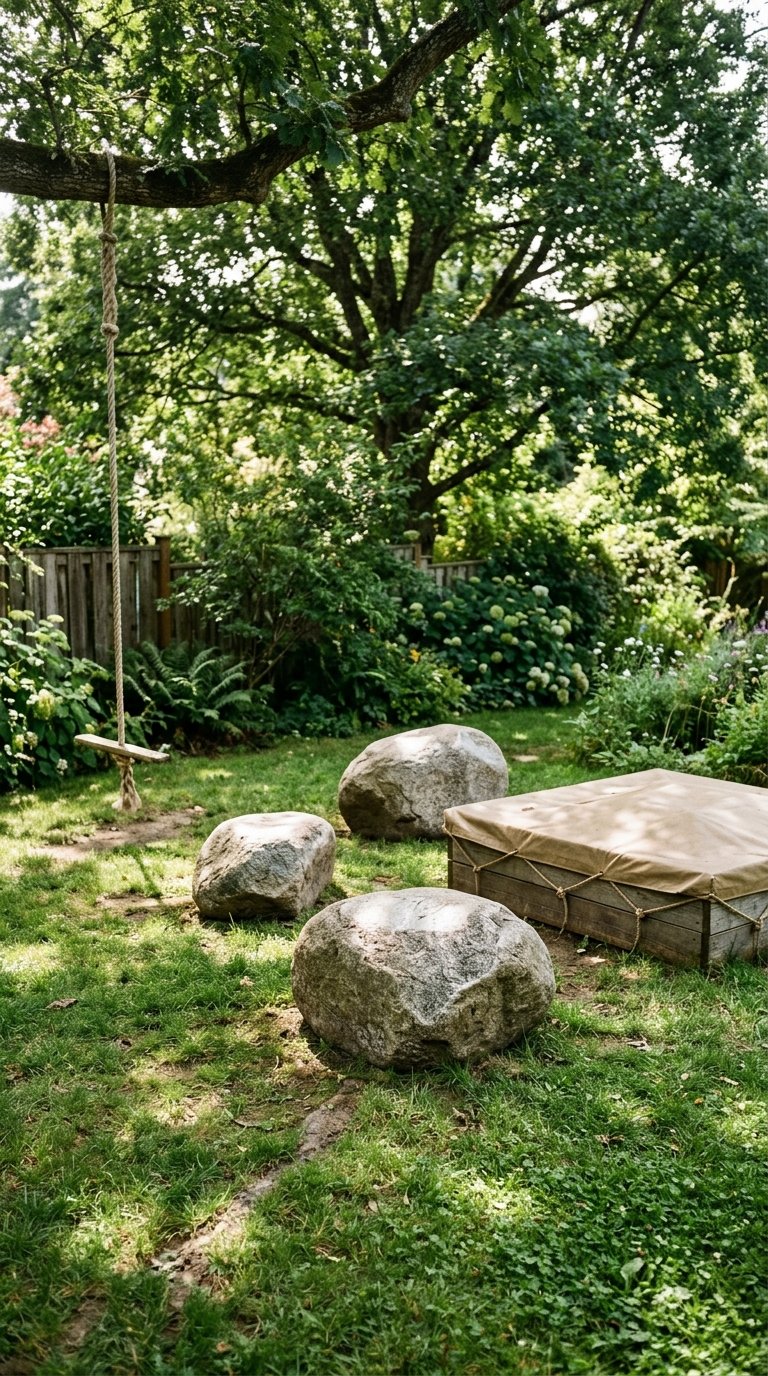
A dedicated children’s play area separated from the adult zones of your backyard oasis ensures that the whole family uses the space actively rather than competing for the same territory. Natural play elements, climbing boulders, a sand table, a rope swing, and a low balance beam, engage children more effectively than plastic play sets and integrate into a designed backyard without visual disruption.
Three large boulders placed in a triangular arrangement cost $100 to $300 depending on local quarry pricing and create a climbing feature that lasts indefinitely. A sand table with a cover runs $80 to $120. A rope swing on a tree branch costs $20 in materials. Together, these three elements create a play zone for $200 to $450 that children use independently and that looks better than any plastic playset at three times the price.
20. Build a Garden Shed as a Functional Backyard Anchor
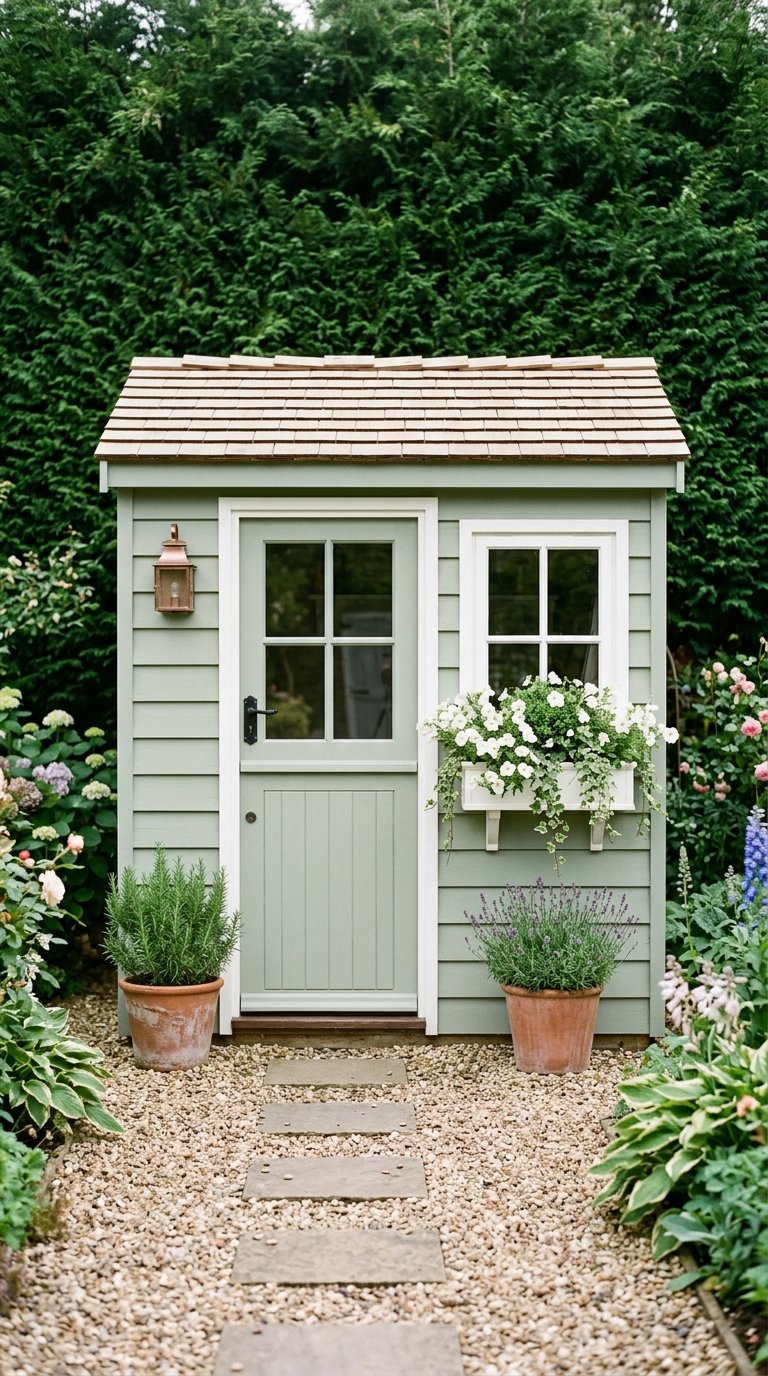
A well-designed garden shed in a backyard oasis serves a function that no other structure does: it makes the entire yard tidier by giving tools, cushions, garden supplies, and seasonal equipment to a home that isn’t your garage or living room closet.
A cedar garden shed kit at 8×10 feet runs $1,500 to $3,500 installed. Paint or stain it to match your house exterior or contrast it intentionally as a garden folly-style structure. Style the exterior with a window box of seasonal flowers and a simple pathway leading to the door. A shed treated as a design element rather than a utility afterthought elevates the entire backyard’s visual coherence.
21. Design a Drought-Tolerant Native Plant Border
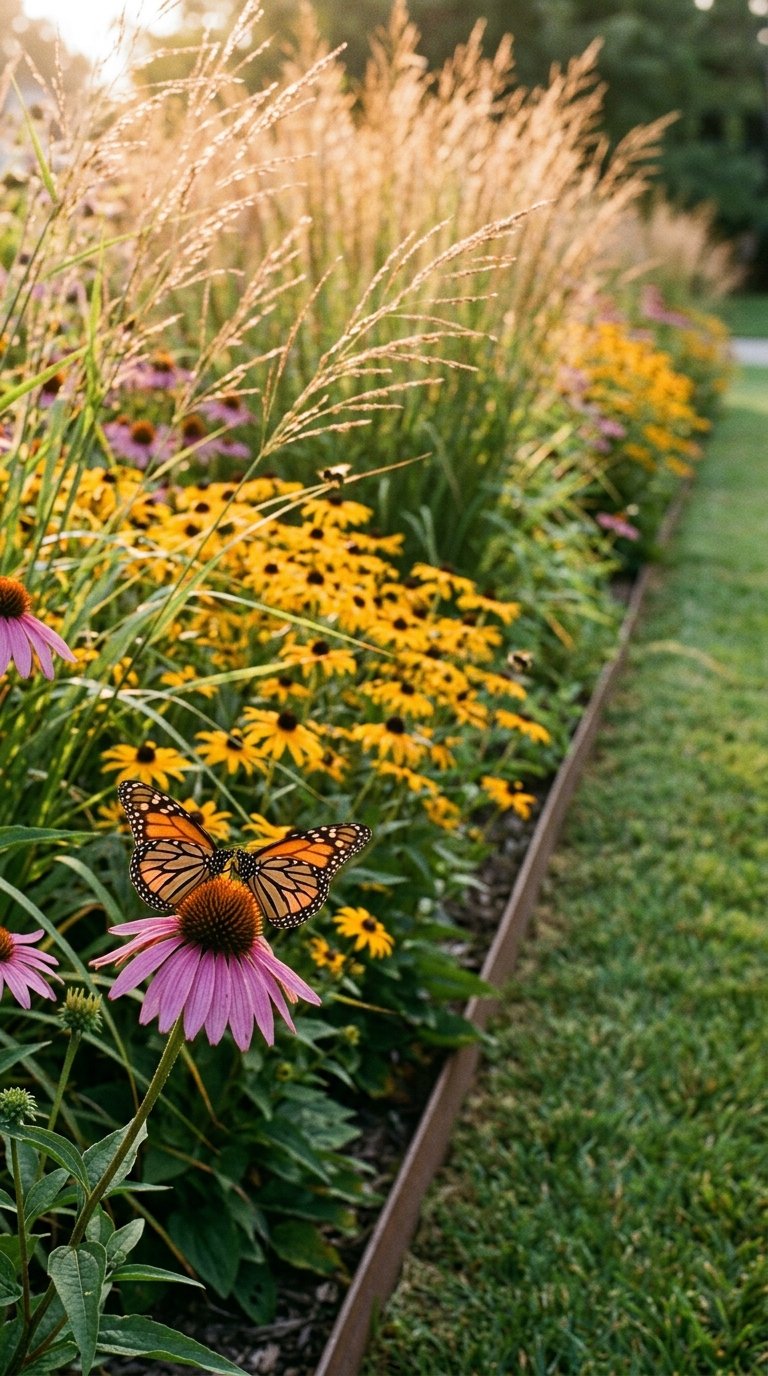
A native plant border along the perimeter of your backyard oasis requires 80% less water than a conventional garden, eliminates the need for fertilizer and pesticide, and supports local pollinators in a way no ornamental planting achieves. It also solves the specific problem of perimeter areas that look neglected because they’re too inconvenient to maintain regularly.
Select plants native to your specific USDA zone from a local native plant nursery rather than a big-box garden center. In the Southwest, combine agave, penstemon, and desert willow. In the Northeast, use coneflower, black-eyed Susan, and switchgrass. In the Pacific Northwest, plant Oregon grape, red flowering currant, and native ferns. A 20-foot native border costs $80 to $200 in plants, establishes fully within two growing seasons, and requires no irrigation, fertilizer, or seasonal replanting thereafter. That is the most cost-effective long-term gardening investment available to any homeowner.
Final Thoughts
A backyard oasis starts with one decision: define what you want the space to do. Entertain, relax, produce food, play, or all four in separate zones. Start with ideas 1, 2, and 7 to establish your zone structure, architectural anchor, and evening lighting before adding anything else. Those three elements build the foundation every other idea on this list benefits from. Your backyard should compete with any vacation destination for where you choose to spend your free time this summer. With the right combination of these 21 ideas, it will.