21 Kids Room Remodel Ideas to Create the Perfect Space
Kids outgrow everything. Clothes, shoes, toys, and yes, their rooms. The problem with most kids room remodels is that parents design for the child in front of them today, not the one who will be living in that room in three years. You spend money, the room looks great for eighteen months, and then it feels wrong again.
These 21 ideas solve that. Each one prioritizes longevity, function, and real-world use.
1. Start with a Neutral Base
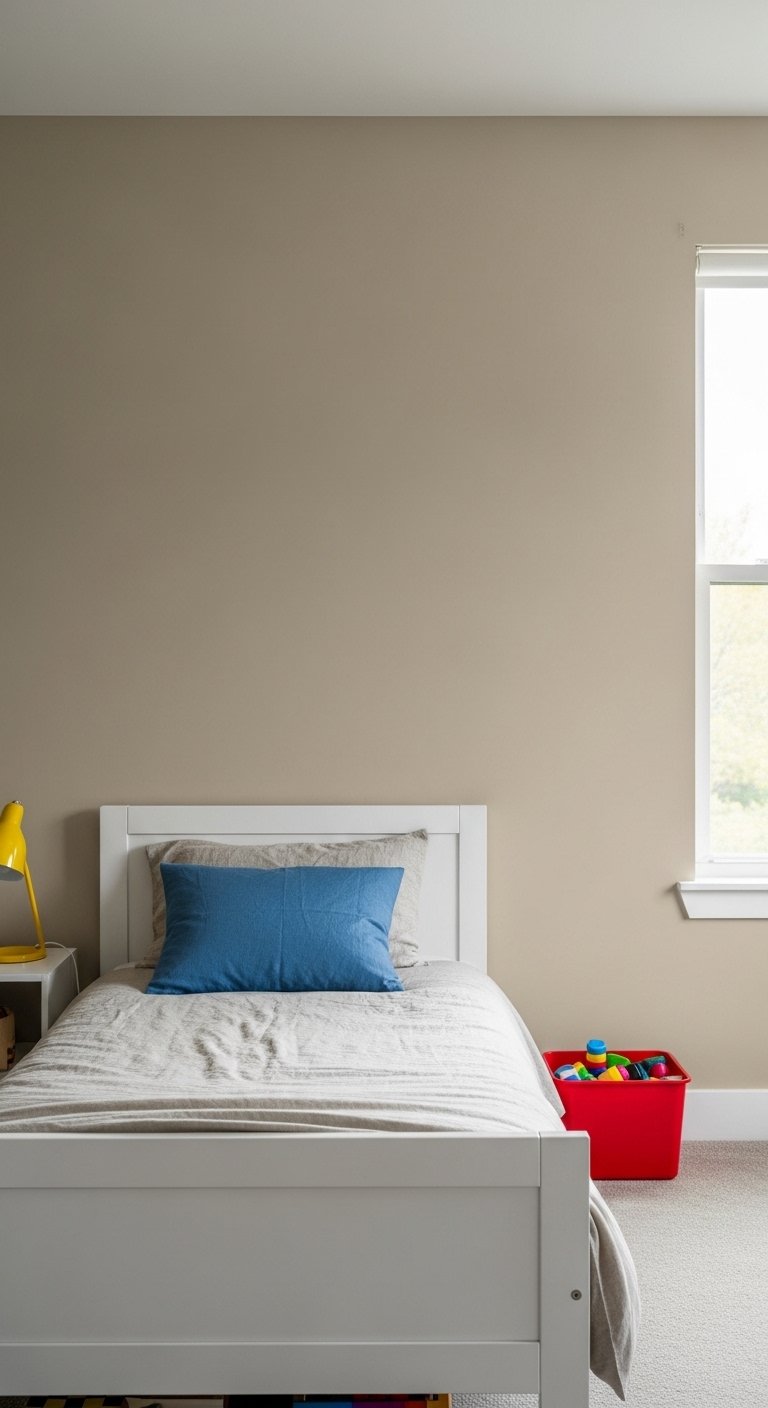
Paint the walls in a neutral base color before adding anything else. White, warm grey, or soft greige gives you a blank foundation that works with any theme, any age, and any future change in your child’s interests.
Themed rooms tied to a specific character or color scheme have a short lifespan. A neutral base means you update accessories, not walls, when your child moves from dinosaurs to soccer to whatever comes next.
Best neutral base colors: Soft white, warm greige, light grey, pale sage green.
2. Choose a Loft Bed to Maximize Floor Space
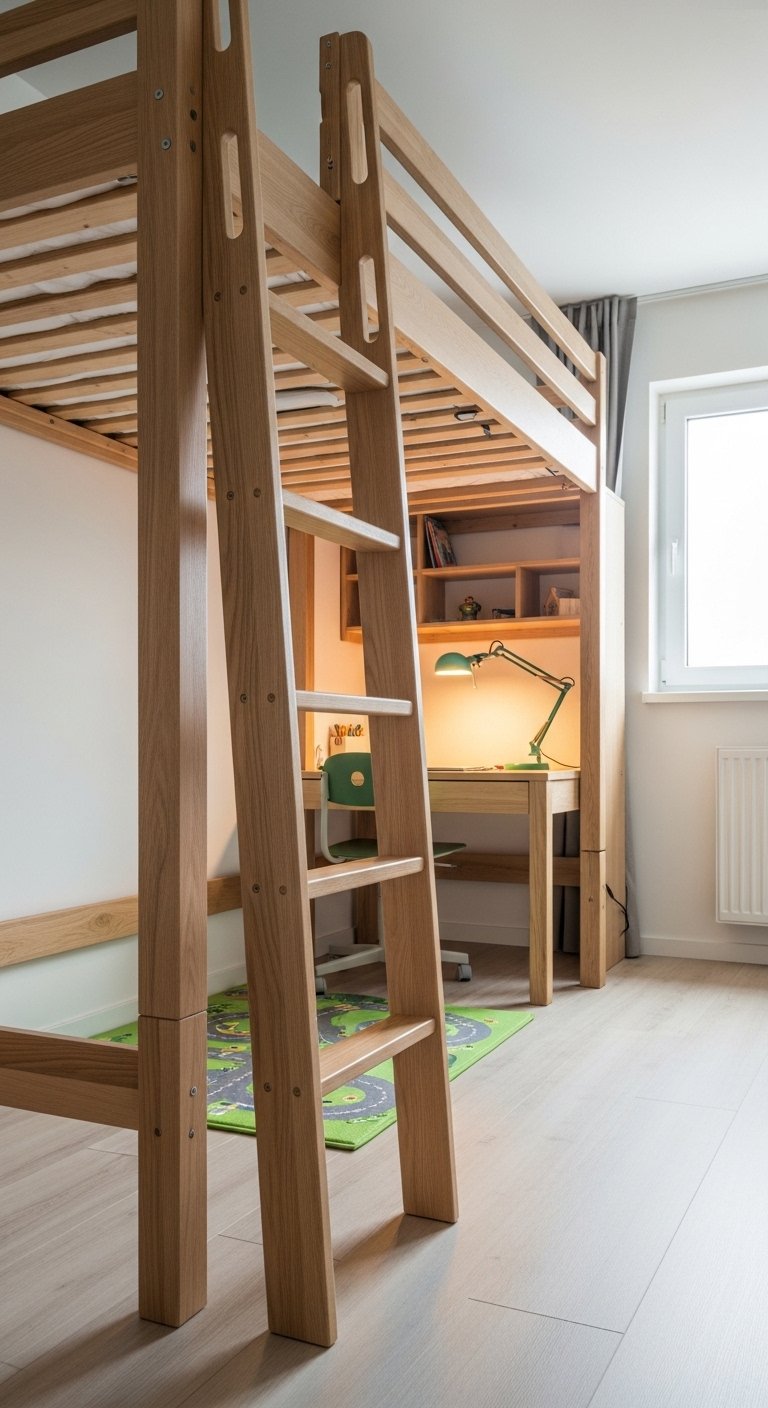
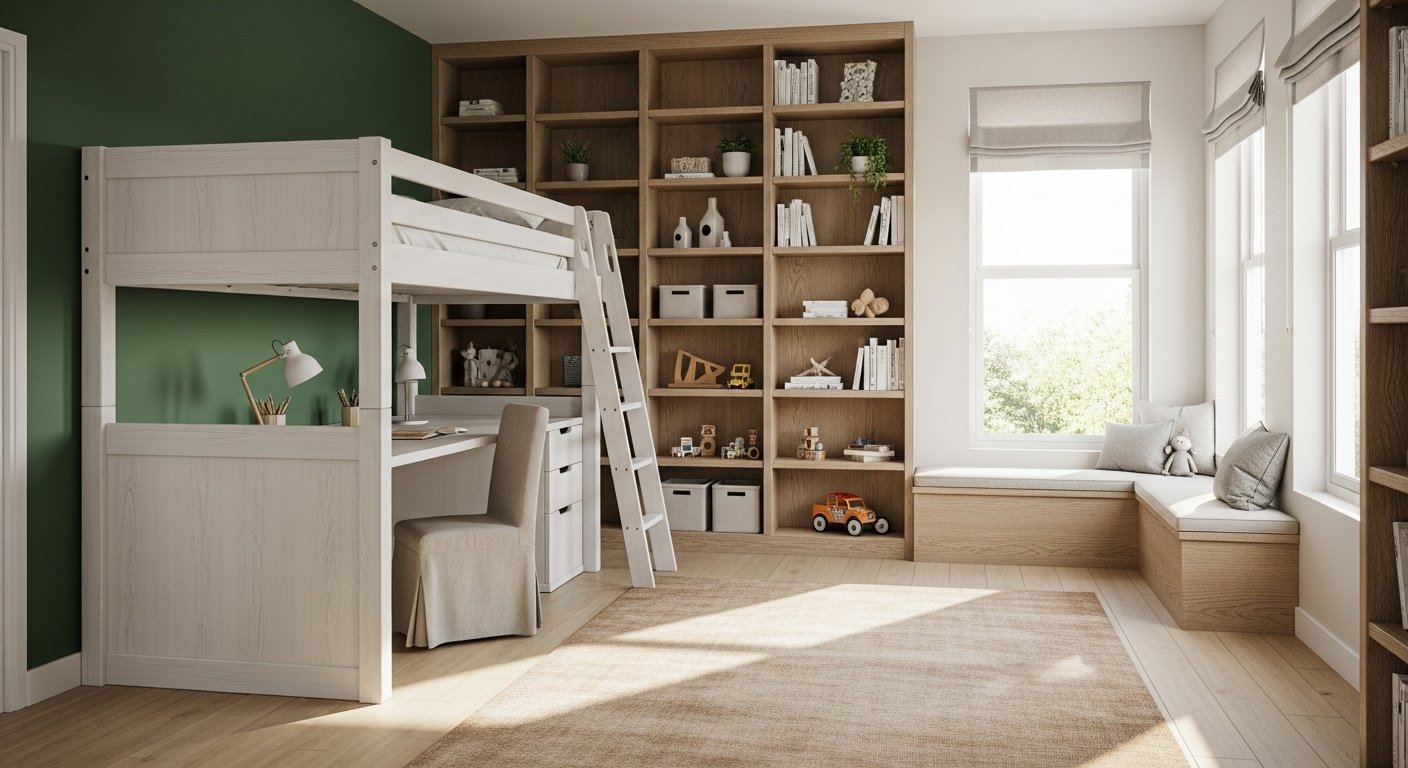
A loft bed raises the sleeping area off the floor and frees up the space below for a desk, play area, or storage. In a small kids room, this single change doubles the usable floor space.
Choose a loft bed with a built-in ladder on the side rather than the end. End ladders consume floor space. Side ladders keep the footprint tight. Solid wood frames last longer and feel more stable than MDF or particleboard options.
Best for: Rooms under 120 square feet where floor space is the primary problem.
- Study desk fits underneath
- Storage shelving on the back wall below the bed
- Play mat on the floor under the loft
3. Add Built-In Storage Along One Full Wall
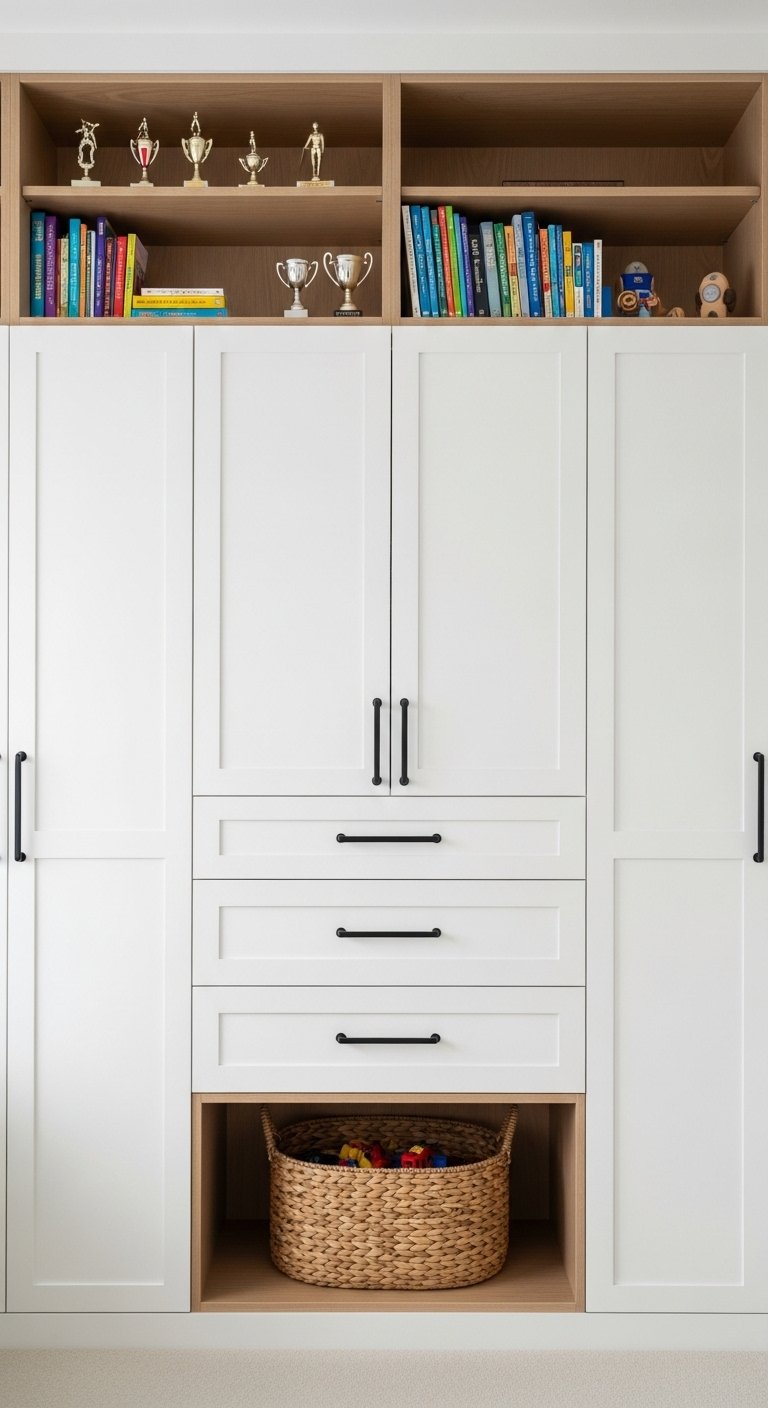
A full wall of built-in storage in a kids room handles toys, books, clothes, sports equipment, and school supplies in one place. It eliminates the need for separate freestanding furniture pieces that consume floor space and tip over.
Build it floor to ceiling. Use open shelving at the top for books and display items. Use closed cabinets at the bottom for items you want out of sight. Add a mix of drawer units at mid-height for folded clothes and small items.
What to include:
- Open shelves at top for books and trophies
- Closed cabinet doors at bottom for toy storage
- Two to three drawers at mid-height for clothes
- One section open at floor level for a toy bin or basket
4. Install a Reading Nook
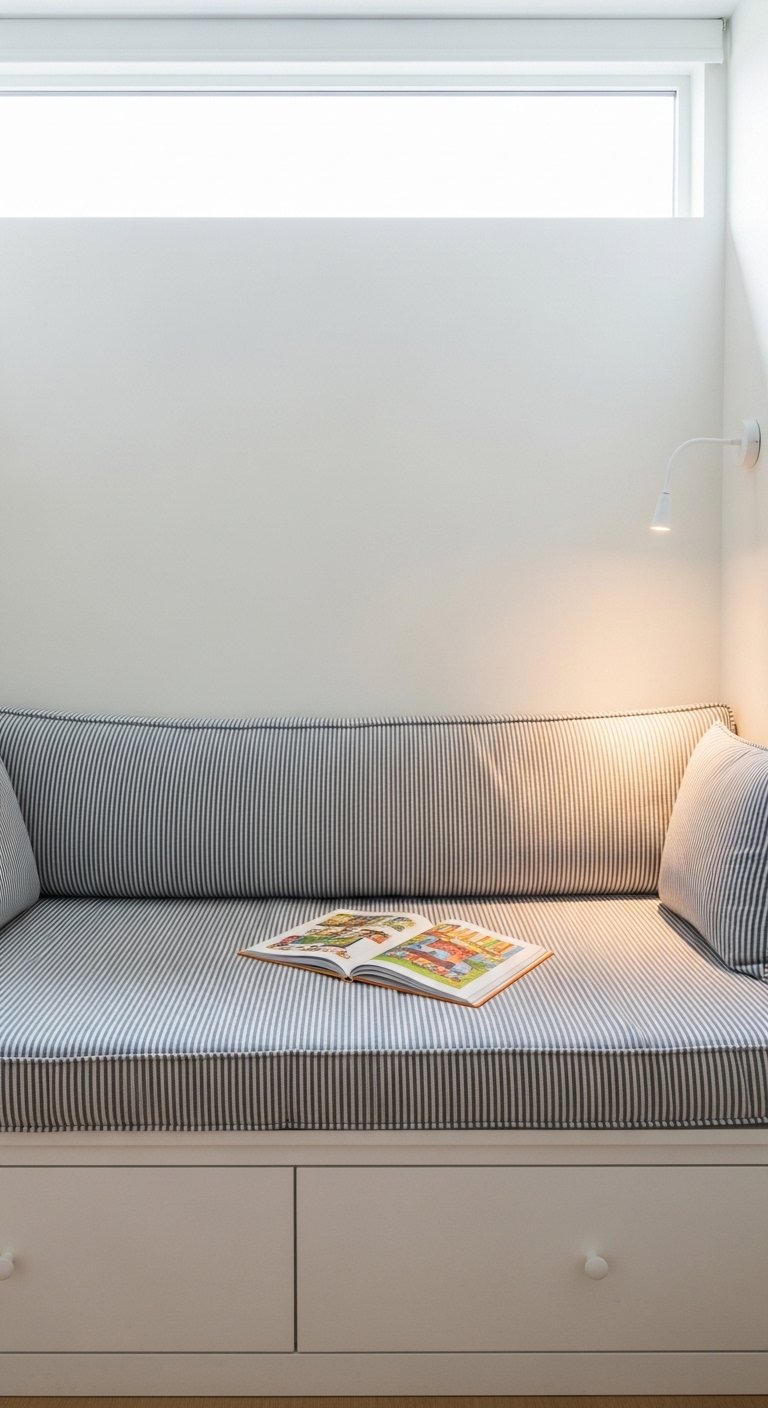
A reading nook gives a child a defined, personal space within the room. A simple bench seat built into a window alcove with storage underneath and a cushion on top works in almost any room layout.
Add a small wall-mounted light above the nook for evening reading. Keep the nook dimensions tight enough to feel cozy. A space that is too large loses the enclosed feeling that makes nooks appealing to children.
Nook dimensions that work: 24 to 30 inches deep, 48 to 60 inches wide, with 18 inches of seat height.
5. Use Bunk Beds for Shared Rooms
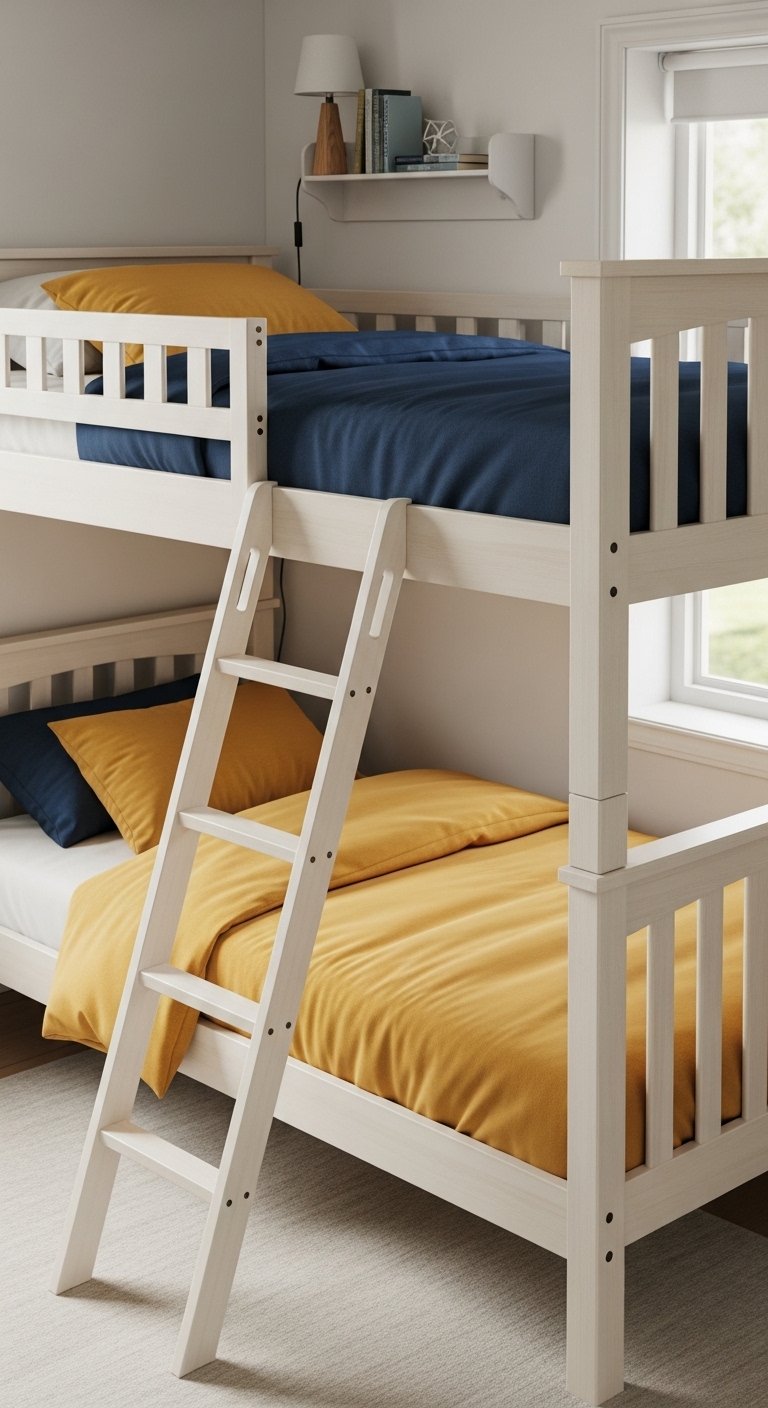
Two children in one room need bunk beds. A standard bunk bed with a full on the bottom and a twin on top gives the older or larger child more sleeping space below while keeping the room functional for both.
Avoid cheap bunk beds. The ladder, guardrails, and frame joints take constant stress from children climbing, jumping, and general use. Spend more on solid wood construction. It will last through multiple children and multiple years.
Safety requirements:
- Guardrail on all four sides of the top bunk
- Ladder rungs spaced no more than 12 inches apart
- Minimum 38 inches of clearance between top mattress and ceiling
6. Create a Dedicated Study Zone
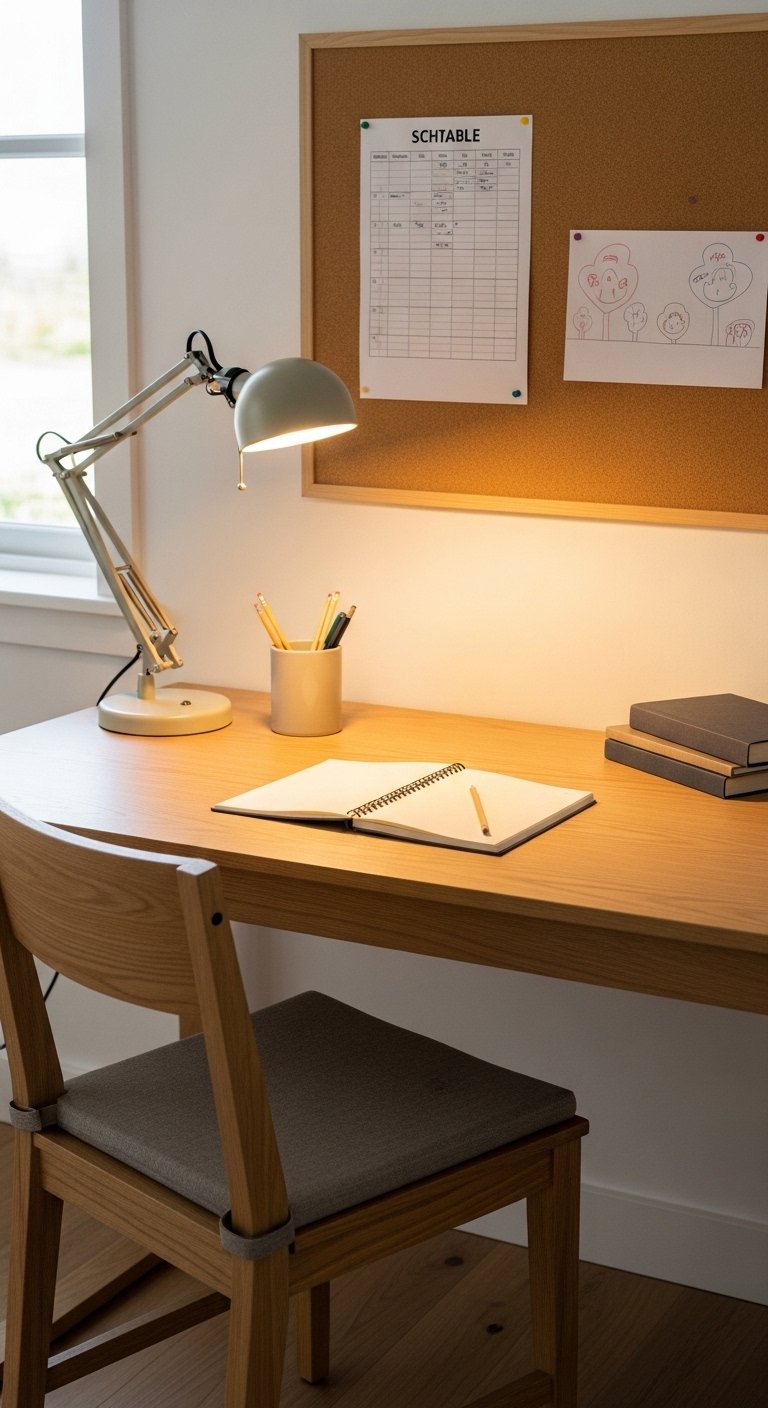
Every school-age child needs a dedicated study zone separate from the sleep area. A desk, a chair at the correct height, a task light, and storage for school supplies forms the complete set.
The desk chair height matters more than most parents realize. A child sitting at a desk where their feet don’t reach the floor or their elbows sit above the desk surface develops poor posture within months. Measure before you buy.
Desk setup checklist:
- Desk surface at elbow height when seated
- Feet flat on the floor or on a footrest
- Task light positioned to the left for right-handed children, right for left-handed
- Storage for pencils, books, and supplies within arm’s reach
7. Add a Chalkboard or Whiteboard Wall
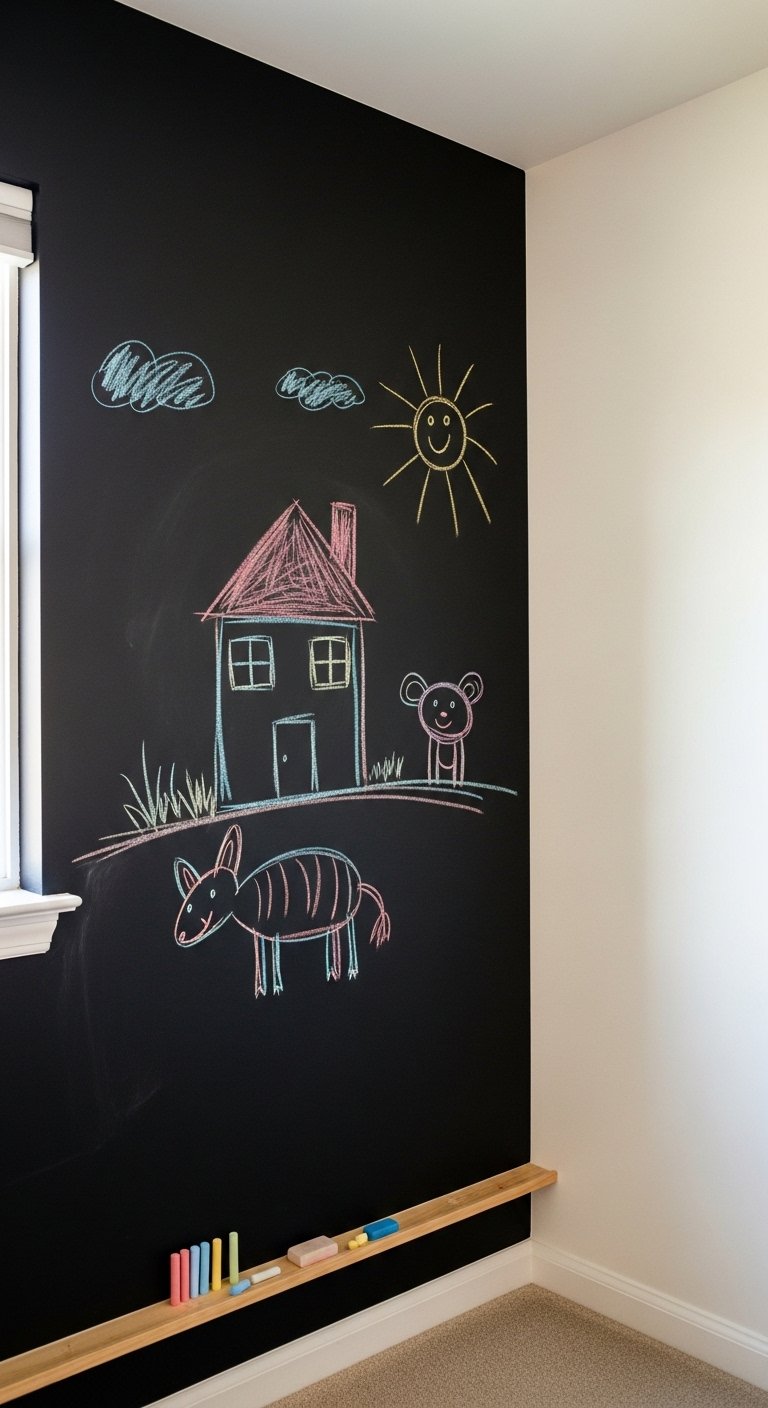
Paint one wall with chalkboard or whiteboard paint and give your child a surface for drawing, writing, and creating without touching anything else in the room. IMO, this is one of the highest-return investments in a kids room remodel.
Use the wall beside the desk for maximum function. A chalkboard wall beside the study area works as a homework board, a drawing surface, and a creative outlet in one place.
Chalkboard vs. whiteboard paint:
- Chalkboard: warmer look, chalk dust is a consideration, erases cleanly
- Whiteboard: cleaner surface, requires dry-erase markers, easier to read in low light
8. Install Adjustable Shelving
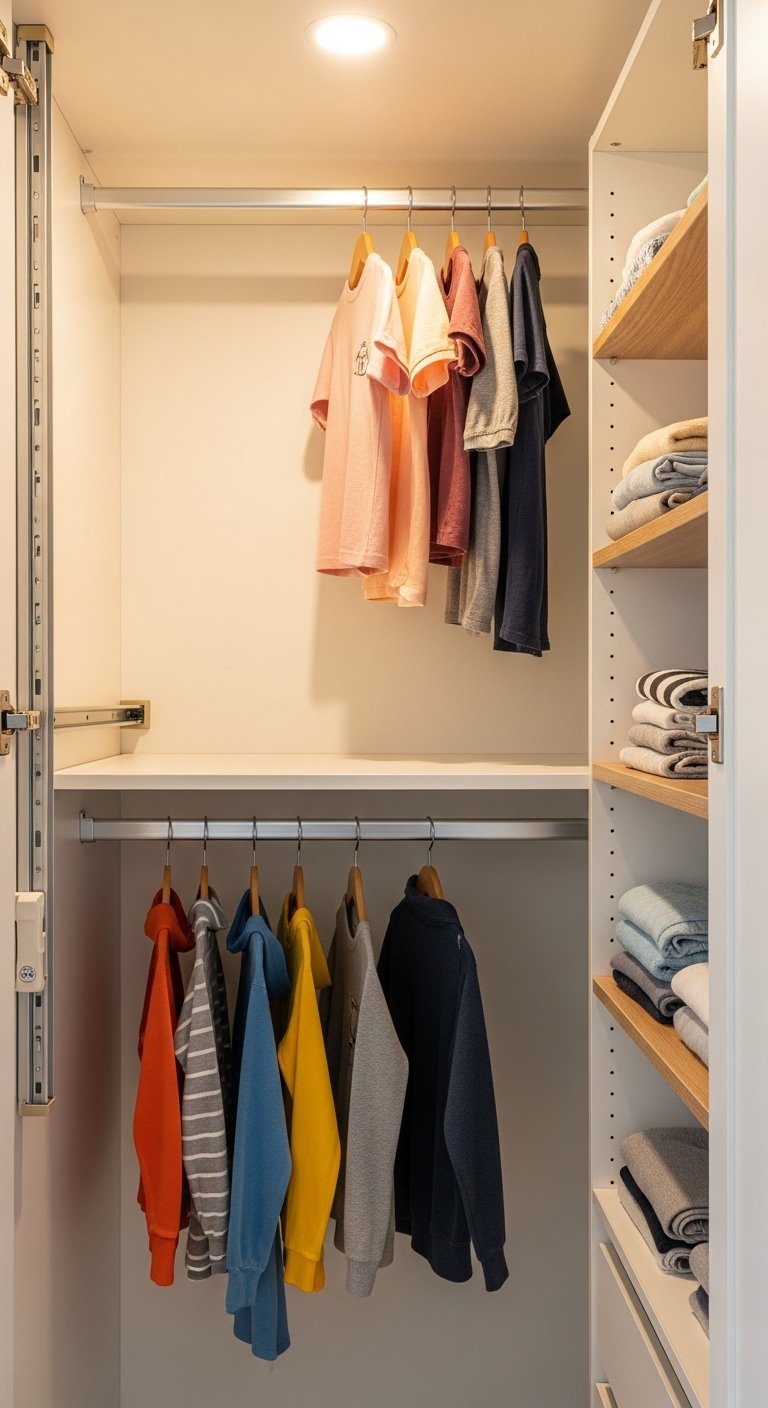
Fixed shelving becomes the wrong height within two years in a child’s room. Install adjustable shelving with a track-and-bracket system instead. You reposition the shelves as the child grows and their storage needs change.
This applies to the wardrobe rod as well. Install a double rod at low height for young children and raise it to a single rod at full height as they grow. One wardrobe serves the child from age three to eighteen with two simple adjustments.
Best adjustable shelf systems: IKEA ALGOT, Elfa, or any steel track-and-bracket system from a hardware store.
9. Use Under-Bed Storage
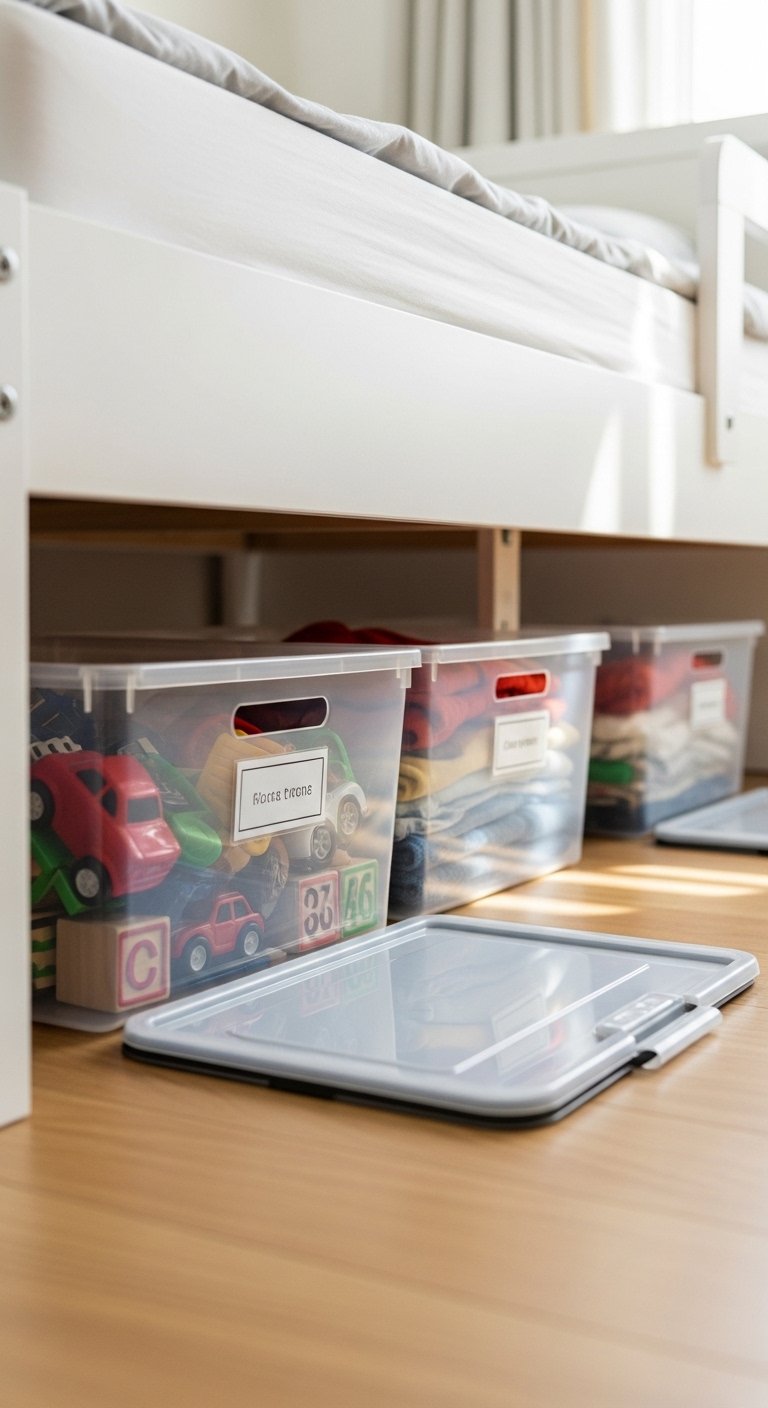
The space under a standard bed frame holds an enormous amount in a kids room. Low-profile rolling bins fit under most bed frames and pull out for access. Each bin holds toys, sports gear, off-season clothes, or books.
Choose bins with lids to keep dust out. Label each bin clearly. Children maintain organized storage better when they know exactly where things belong.
What fits under a standard twin bed:
- Four to six rolling storage bins
- Flat under-bed bags for spare bedding
- Shallow drawers built into the bed frame itself on platform bed options
10. Add a Window Seat with Storage
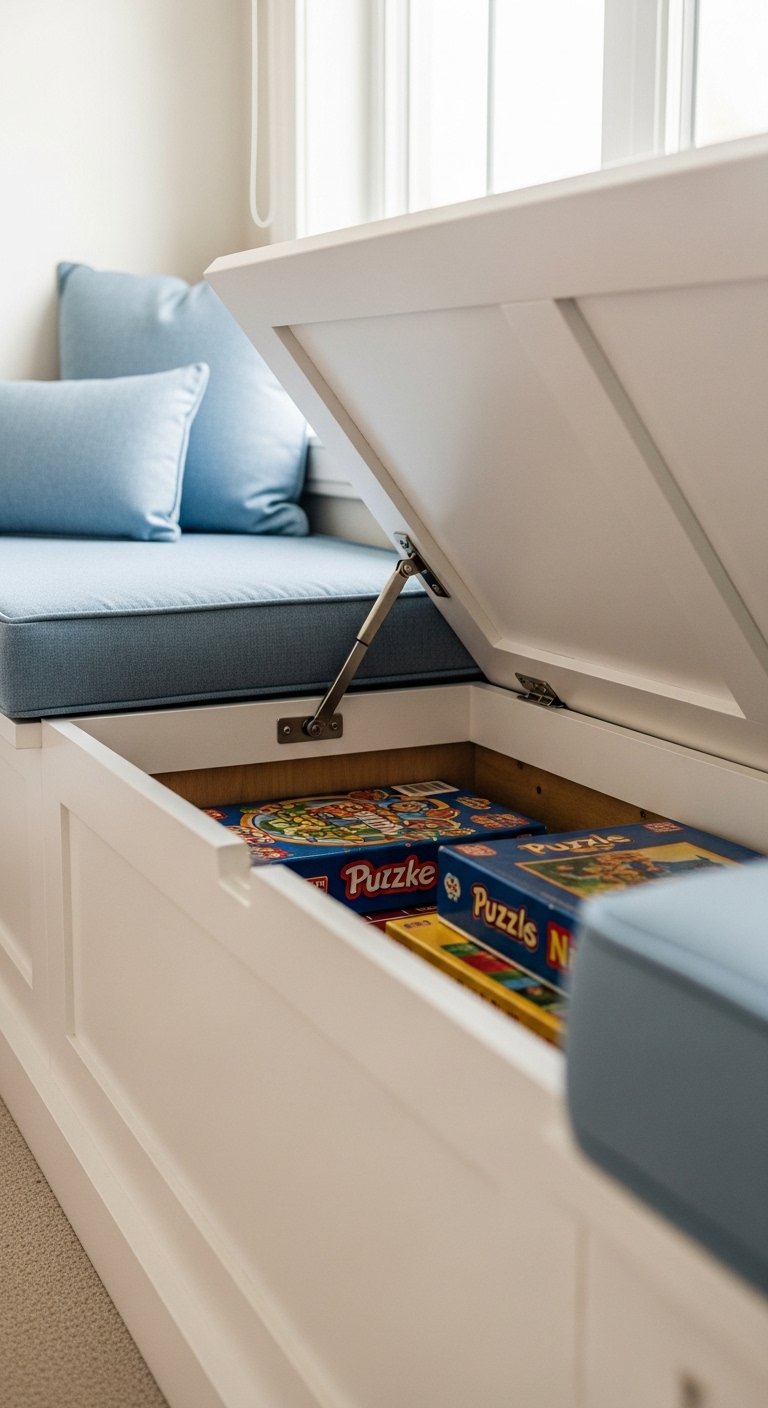
A window seat in a kids room serves three functions. It provides seating, creates storage inside the bench box below, and gives the child a connection to the outside that a standard room arrangement rarely offers.
Build the seat box from plywood with a hinged lid for access to the storage below. Add a custom cushion cut to fit. Keep the cushion fabric wipeable or washable. Children spill things on every surface they sit on.
Window seat dimensions: 18 inches high, 20 to 24 inches deep. Match the width to the window opening.
11. Choose Durable, Washable Flooring
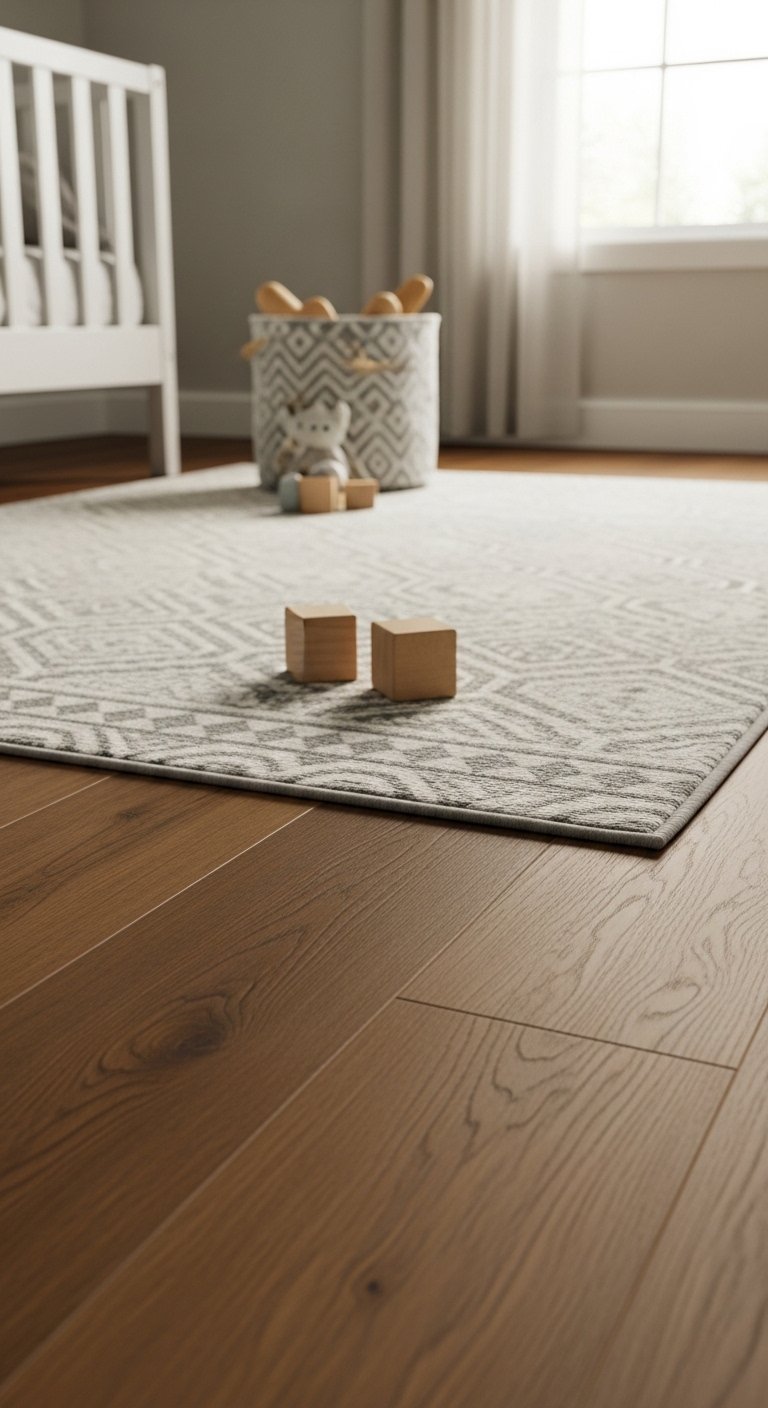
Carpet in a kids room is a mistake most parents make once. It traps allergens, absorbs spills permanently, and shows wear within two years of heavy use.
Replace it with hard flooring: luxury vinyl plank, cork, or hardwood. Add a large washable area rug for softness and warmth. When the rug gets ruined, and it will, you replace the rug, not the floor.
Best flooring options for kids rooms:
- Luxury vinyl plank: waterproof, durable, warm underfoot, affordable
- Cork: soft, quiet, natural, comfortable for floor play
- Hardwood: long-lasting, ages well, requires rugs for comfort
12. Paint an Accent Wall in a Bold Color
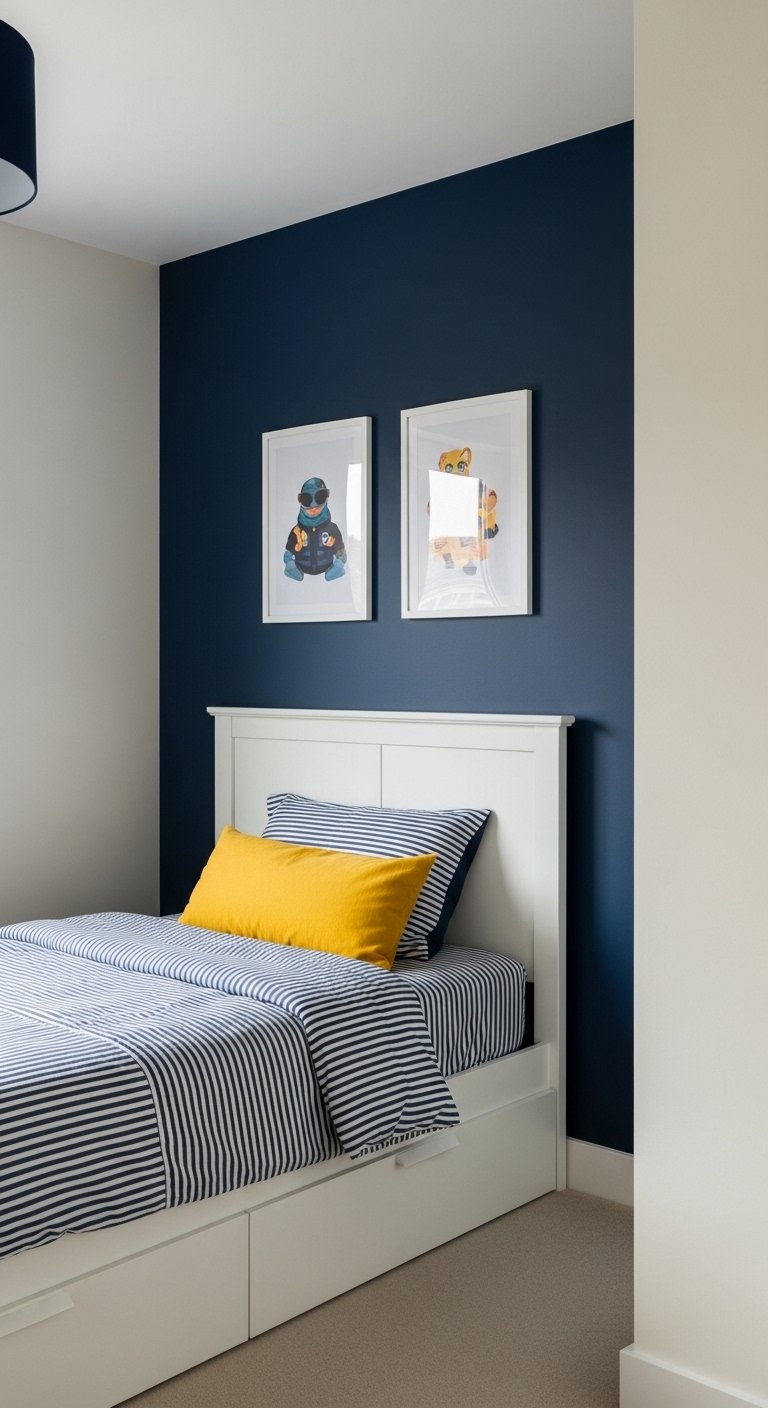
One bold accent wall gives a kids room personality without locking the entire space into a color scheme that ages poorly. Paint the wall behind the bed as the accent. Every other wall stays neutral.
Let the child choose the color within a defined range. Deep blue, forest green, terracotta, and warm yellow all work well. Avoid colors so saturated they overwhelm the room. A slightly muted version of any bold color reads better at full wall scale.
Colors that age well in kids rooms: Navy blue, forest green, warm terracotta, dusty rose, deep teal.
13. Add a Canopy Above the Bed
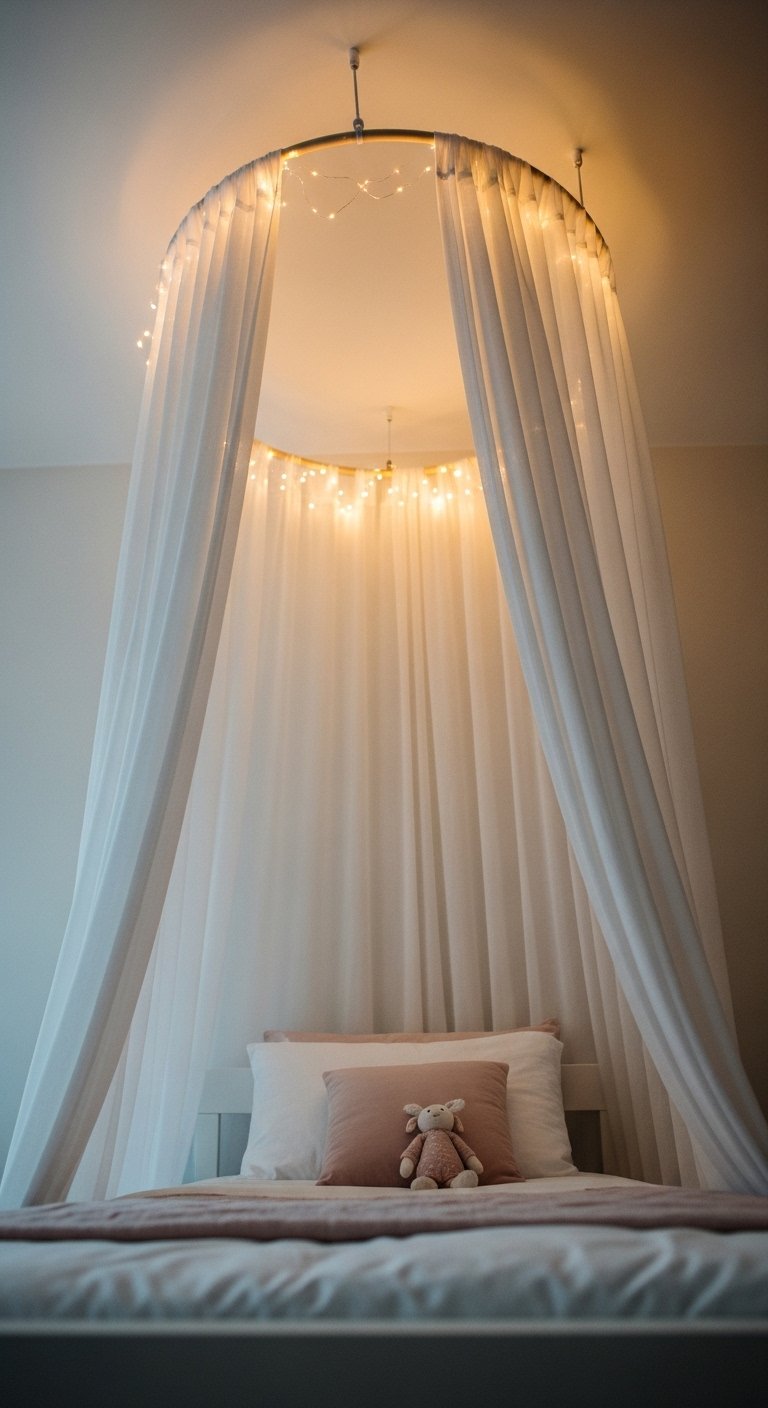
A canopy above the bed creates an enclosed, cozy sleeping space that children respond to strongly. A simple wooden or metal frame mounted to the ceiling above the bed with sheer fabric panels hanging down on each side costs very little and transforms the bed into a defined zone.
This works especially well in rooms where the bed sits in the center of the wall rather than in a corner. The canopy creates the enclosure that a corner position naturally provides.
Simple canopy options:
- Ceiling-mounted hoop with sheer fabric
- Four-poster bed frame with fabric panels
- Wall-mounted wooden frame above a standard bed
14. Use Pegboards for Flexible Storage
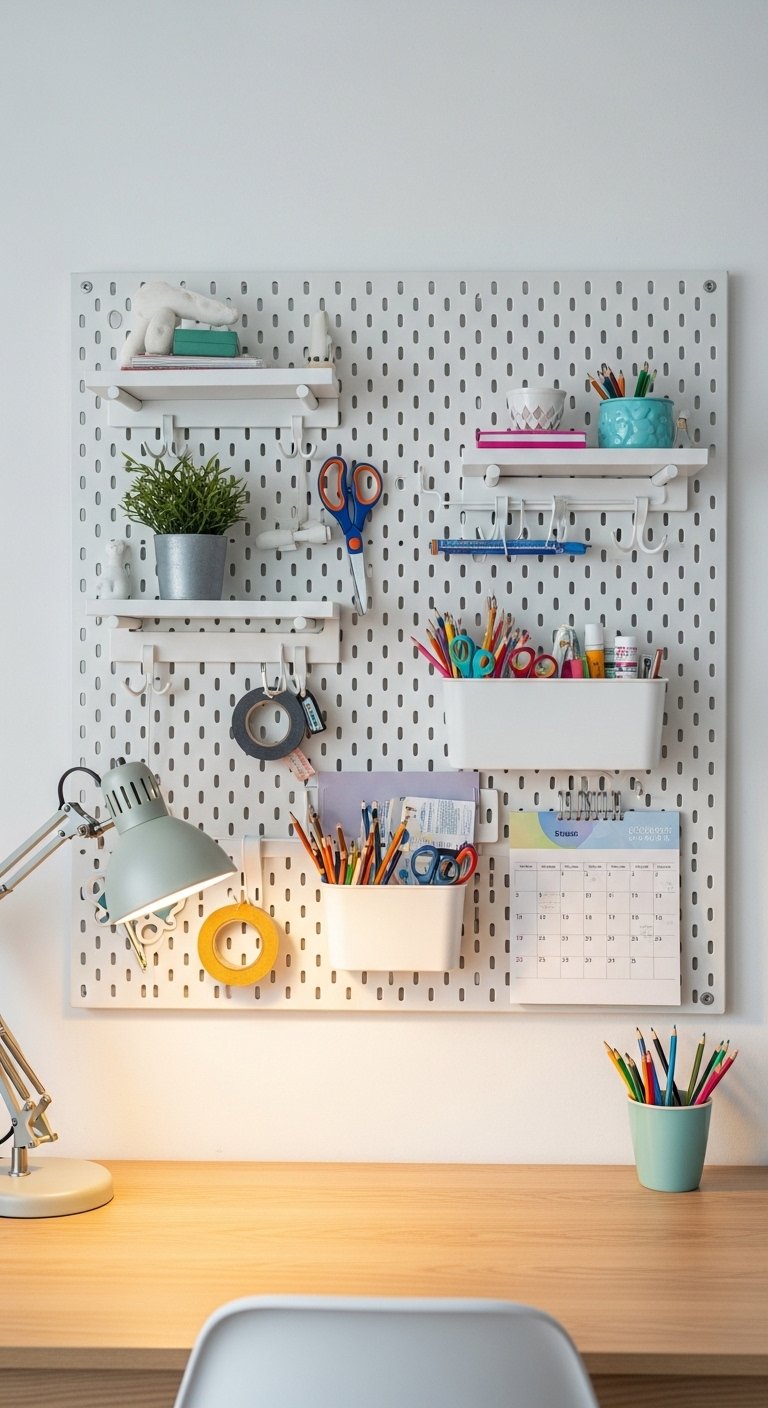
A large pegboard mounted on the wall above a desk or beside a wardrobe holds an adaptable arrangement of hooks, shelves, bins, and clips. You reconfigure it as the child’s needs change without drilling new holes.
Paint the pegboard to match the wall color for a clean look, or paint it a contrasting color to make it a design feature. Pegboards work particularly well in rooms where the child has a hobby requiring specific gear: art supplies, sports equipment, or musical instruments.
Best pegboard accessories: Small shelves, S-hooks, bin holders, peg clips, and magnetic strips.
15. Add Blackout Curtains
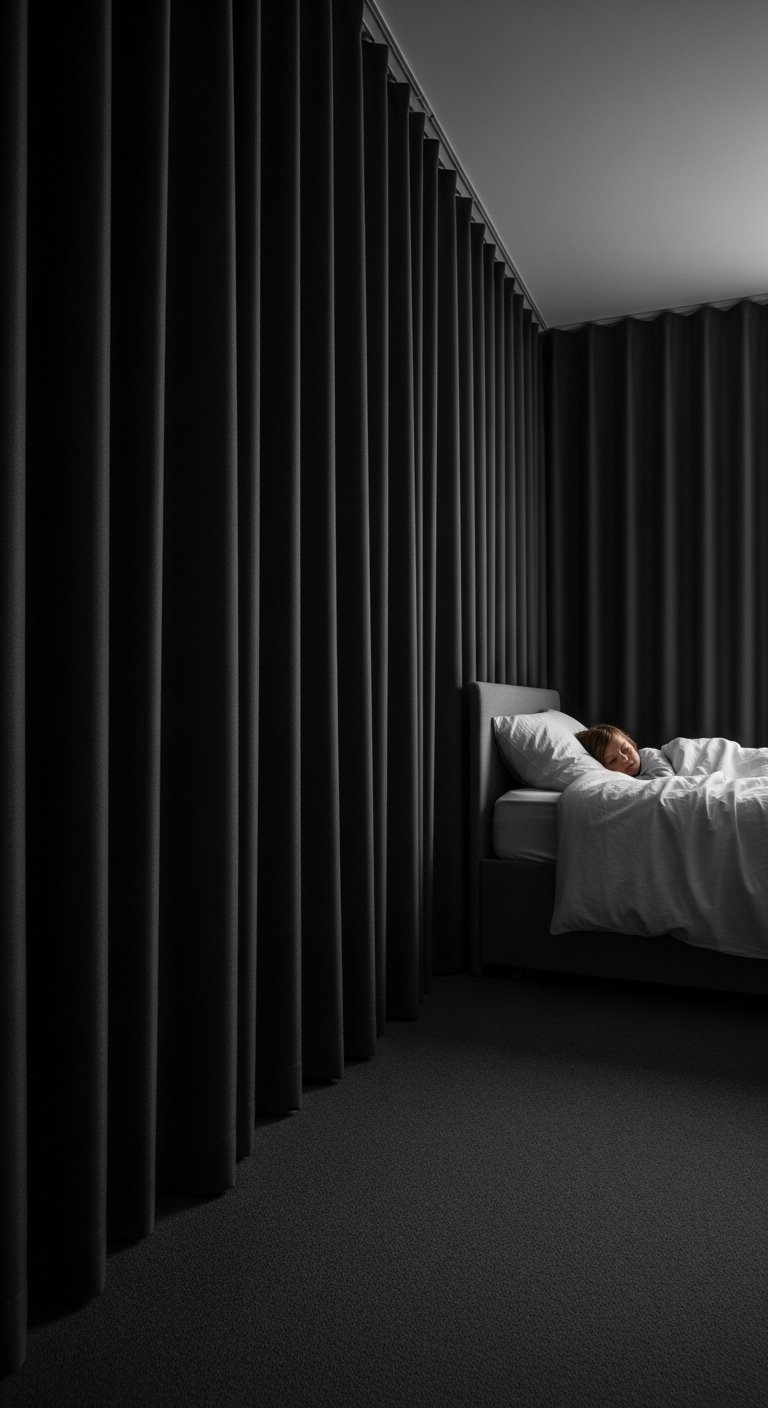
Children sleep better in complete darkness. Blackout curtains in a kids room improve sleep quality, extend nap times, and make early morning wake-ups less frequent. FYI, this is one of the most practical changes you make in a kids room remodel and the one most parents wish they had done first.
Choose blackout curtains with a thermal lining. The thermal layer reduces noise from outside as well as blocking light. Hang them ceiling to floor and extend the rod 6 inches beyond the window frame on each side to prevent light gaps at the edges.
What to look for: Full blackout lining, thermal backing, washable fabric, ceiling-height installation.
16. Install a Pegboard or Corkboard Above the Desk
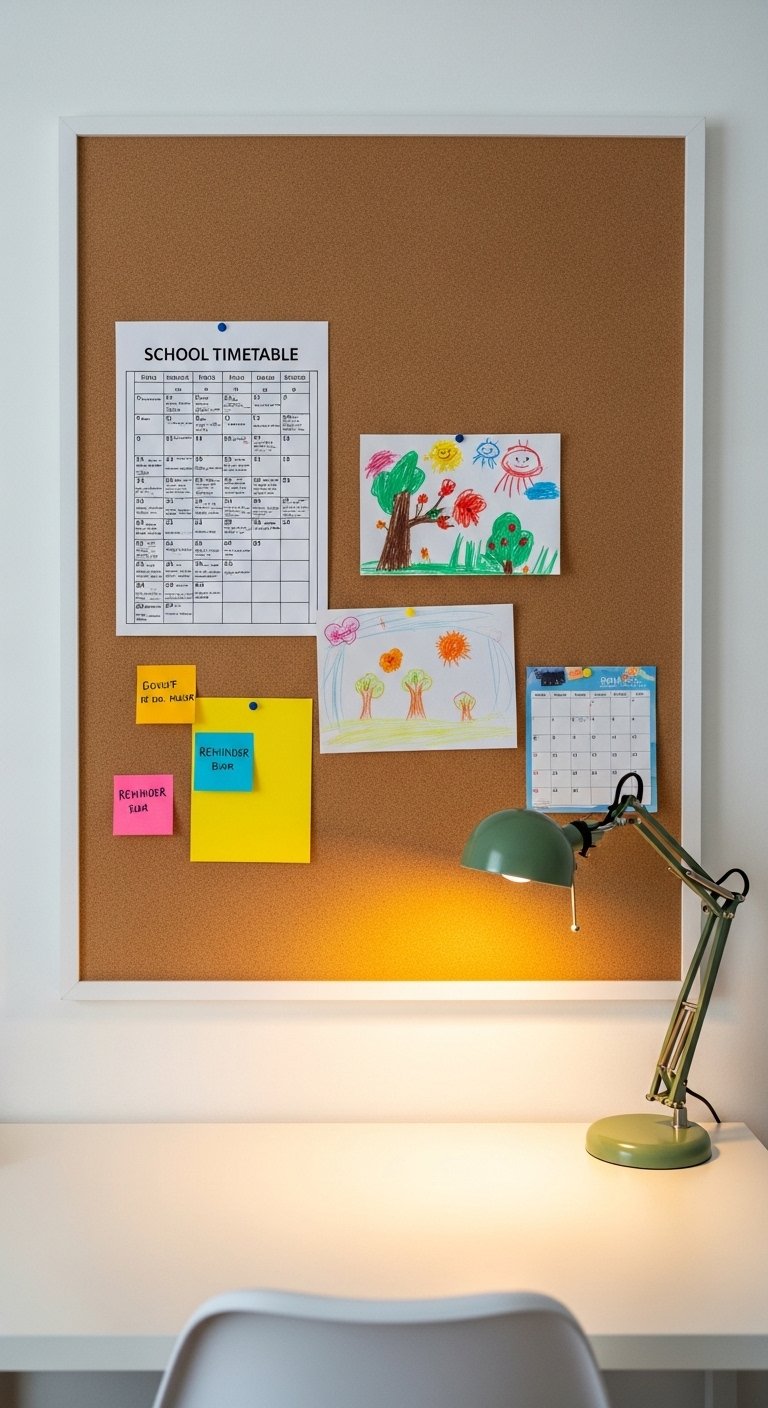
A corkboard or large pinboard above the study desk holds school timetables, notes, reminders, and artwork without using desk surface space. It keeps the desk clear and gives the child a visual organization system at eye level.
Use a framed corkboard for a cleaner look. A simple cork tile installation directly on the wall works just as well at lower cost. Cover an area at least 24 by 36 inches for useful surface area.
What to pin: School timetable, homework reminders, current project notes, personal artwork, and photos.
17. Add a Growth Chart to the Wall
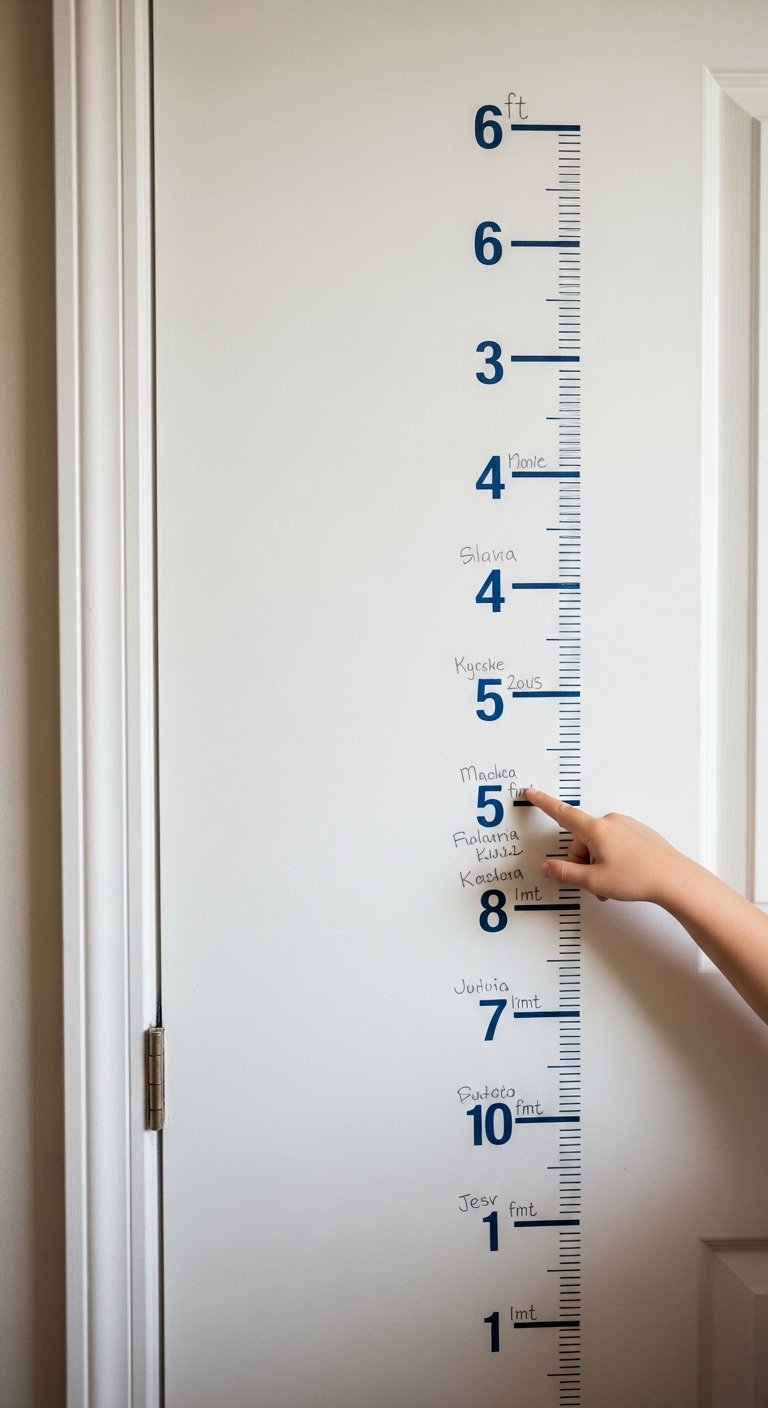
A wall-mounted growth chart tracks height over years and becomes a permanent record of the child’s development. Paint one directly onto the wall with a ruler stencil, or mount a wooden growth chart that moves with the family if you relocate.
Position it beside the door frame on the inside wall. This location gets used naturally since door frames are where most families already measure height informally.
Best options:
- Painted ruler stencil directly on wall
- Removable vinyl growth chart
- Wooden hanging chart in natural or painted finish
18. Create an Art Display System
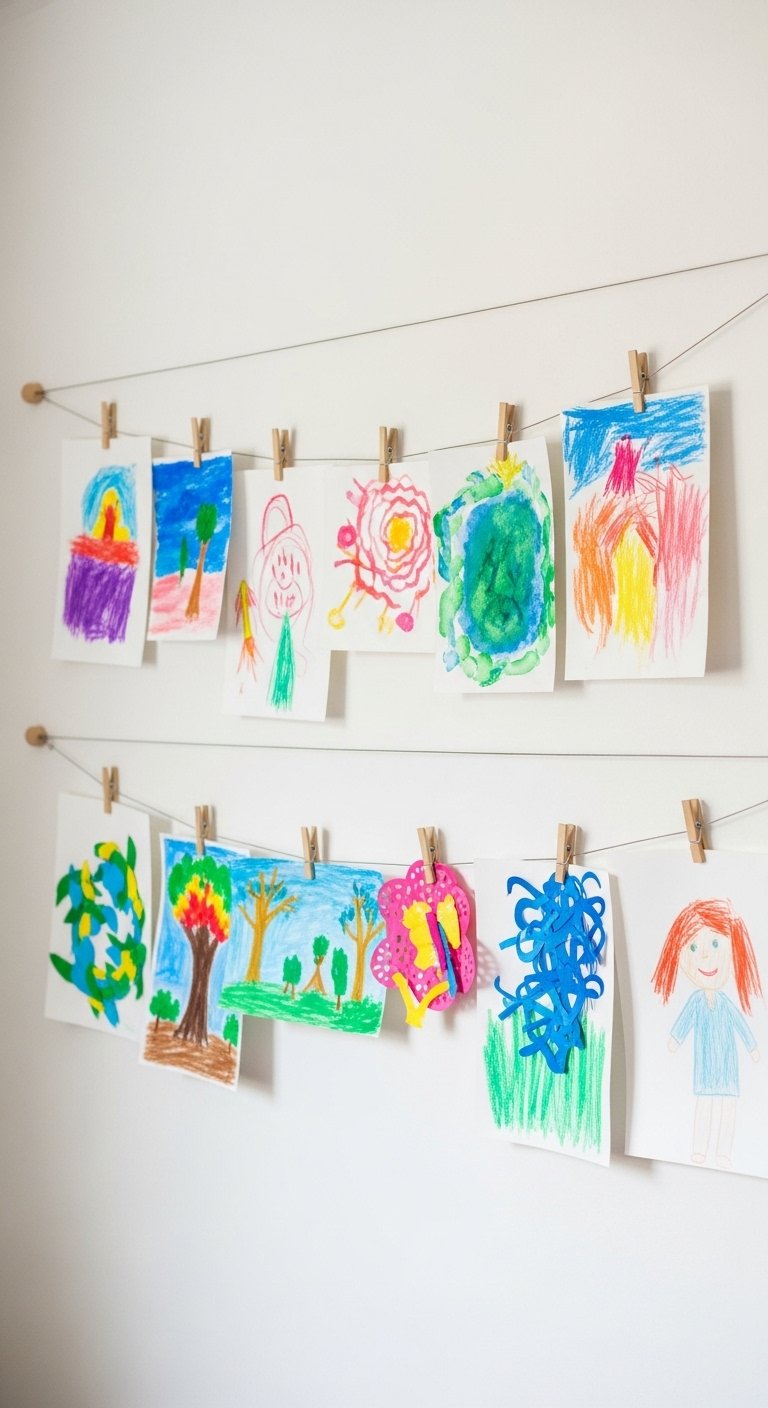
Children produce artwork constantly. Most of it ends up in a drawer or the recycling bin within a week. An art display system on one wall gives the child a place to show their work with pride, and gives you a rotating gallery that keeps the room feeling current.
Use a simple wire and clip system. Mount two horizontal wires across a wall section and hang artwork with small clips. Swap pieces in and out without making new holes. The system holds ten to fifteen pieces at once and takes twenty minutes to install.
Wire display system materials: Picture hanging wire, two screw hooks per wire, small binder clips or wooden pegs.
19. Add a Soft Play Area for Young Children
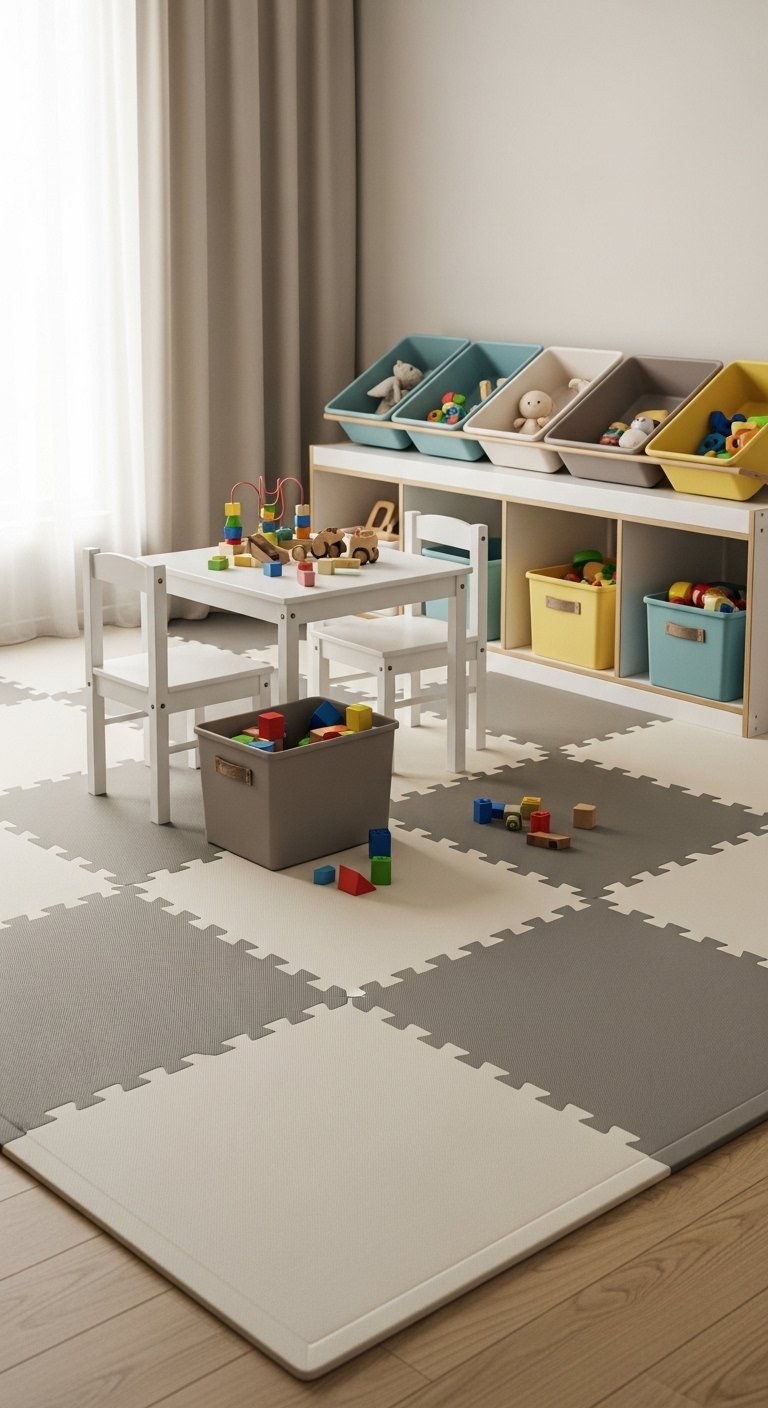
Young children spend a large portion of their time on the floor. A defined soft play area with a foam mat, a low toy shelf, and a small activity table creates a safe, contained zone for floor-level play.
Interlocking foam tiles in neutral tones cover the play zone floor. They cushion falls, reduce noise from toys hitting the floor, and define the play zone visually. Remove them as the child grows out of floor play without leaving any damage to the floor below.
Soft play area essentials:
- Interlocking foam tiles covering the full play zone
- Low open shelf at child height for toy access
- Small table and two chairs for activity play
- Washable rug over the foam tiles for warmth
20. Use Wallpaper on One Wall
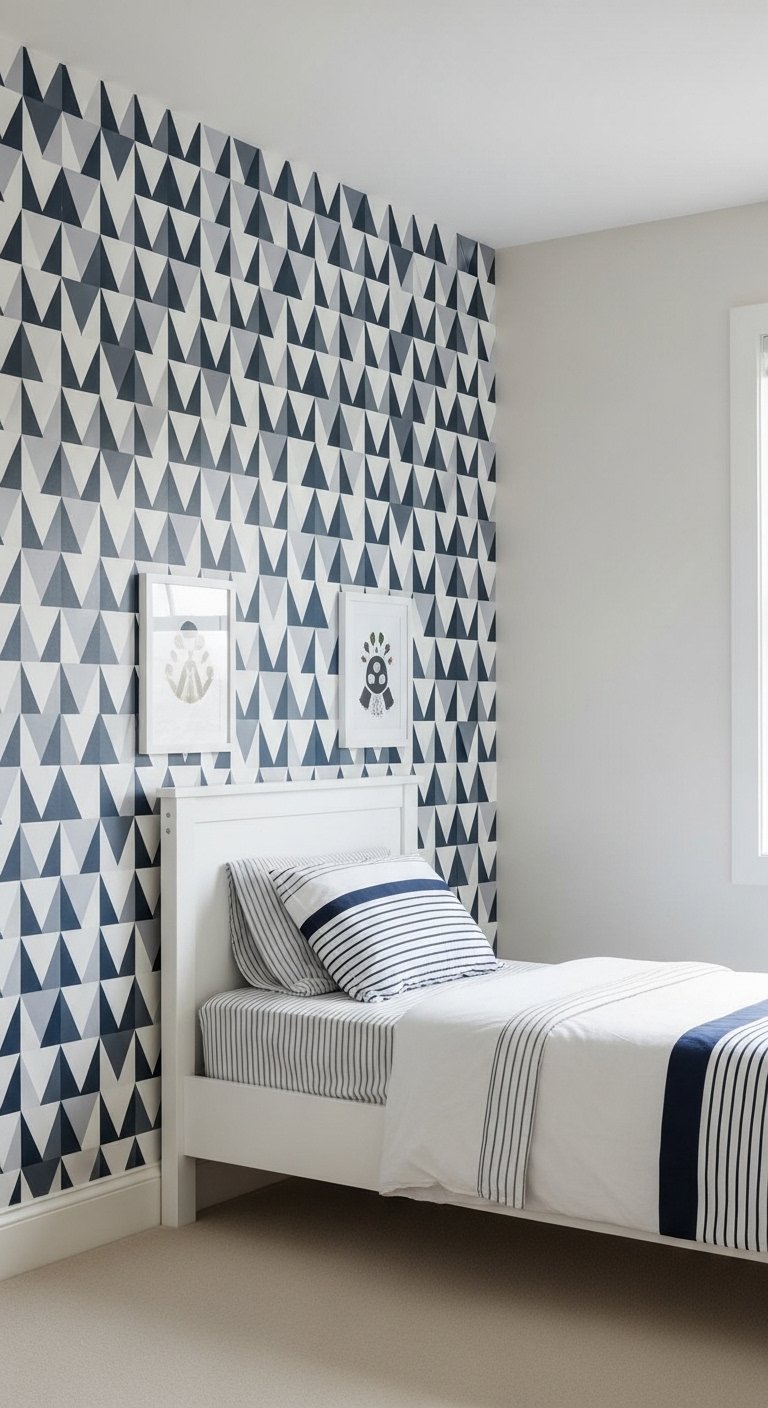
A single wallpapered wall in a kids room adds pattern, color, and personality without committing the entire room. Peel-and-stick wallpaper removes cleanly and allows you to change the design as the child’s tastes evolve.
Choose a scale-appropriate pattern. Large patterns suit larger rooms. Small repeating patterns work in tight spaces. Abstract patterns age better than character-based prints because they don’t tie the room to a specific age or interest.
Wallpaper patterns that age well:
- Geometric shapes in two tones
- Abstract organic patterns
- Simple stripe in two complementary colors
- Nature-inspired patterns: leaves, stars, clouds
21. Label Everything
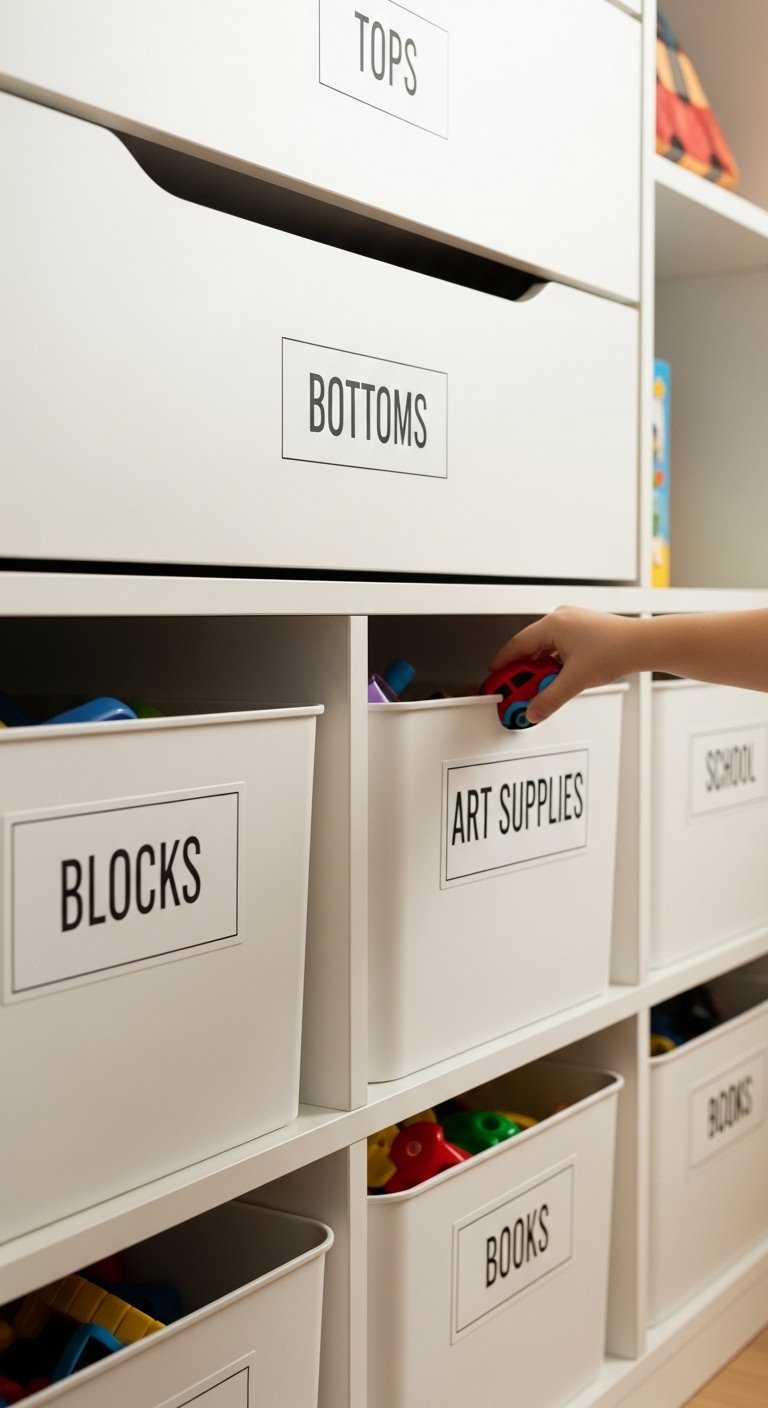
A kids room stays organized only when every item has a clearly labeled home. Label toy bins, shelf sections, drawer fronts, and wardrobe zones. Children maintain organization systems they understand. They ignore systems that require them to guess where things belong.
Use simple picture labels for pre-readers. Switch to word labels as the child learns to read. Printed labels in a consistent font and size look clean and intentional. Hand-written labels on masking tape work just as well functionally.
What to label:
- Toy bins by category: blocks, cars, art supplies, books
- Wardrobe sections: tops, bottoms, school clothes
- Desk drawers: pencils, scissors, paper
- Shelf zones: current books, display items, games
Final Thoughts
A kids room remodel works when it solves real problems: not enough storage, poor sleep, no study space, a room that looks dated within two years. Every idea on this list addresses one of those problems directly.
You don’t need to implement all 21. Identify the three biggest problems in your child’s room right now and start there. A loft bed for space, built-in storage for clutter, and blackout curtains for sleep will change how that room functions within a weekend.
The best kids room is the one your child actually uses well, not the one that photographs best.